Kaliningrad · Svetlogorsk · Curonian Spit · Zelenogradsk
Svetlogorsk: old Rauschen by the sea
A water tower, a cable car, and a walk along the dunes and quiet streets of a seaside town.
Today I went for a walk around Svetlogorsk.
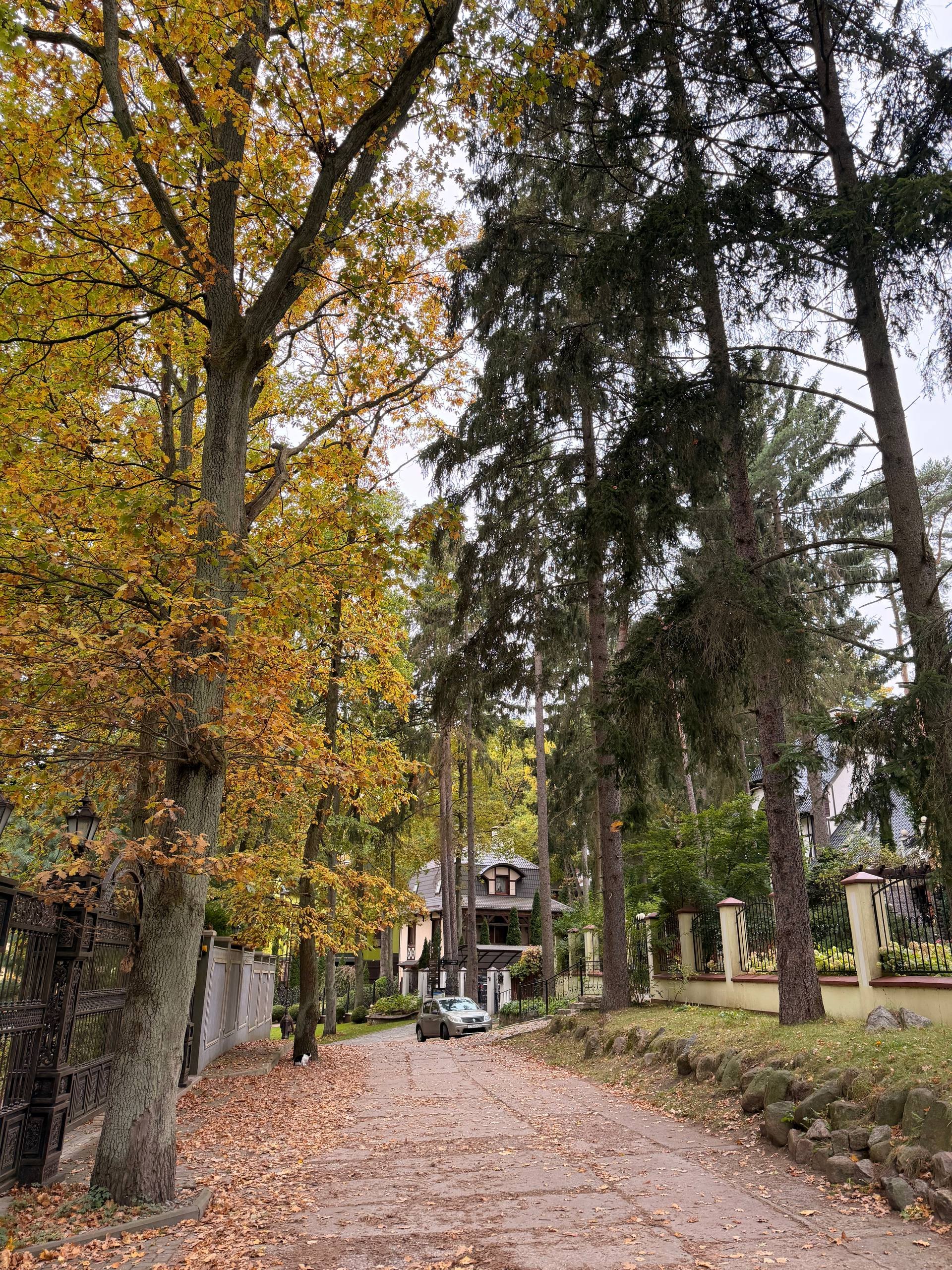
Rauschen was founded in 1258 and became a resort in 1820. After the war, the town was renamed Svetlogorsk.
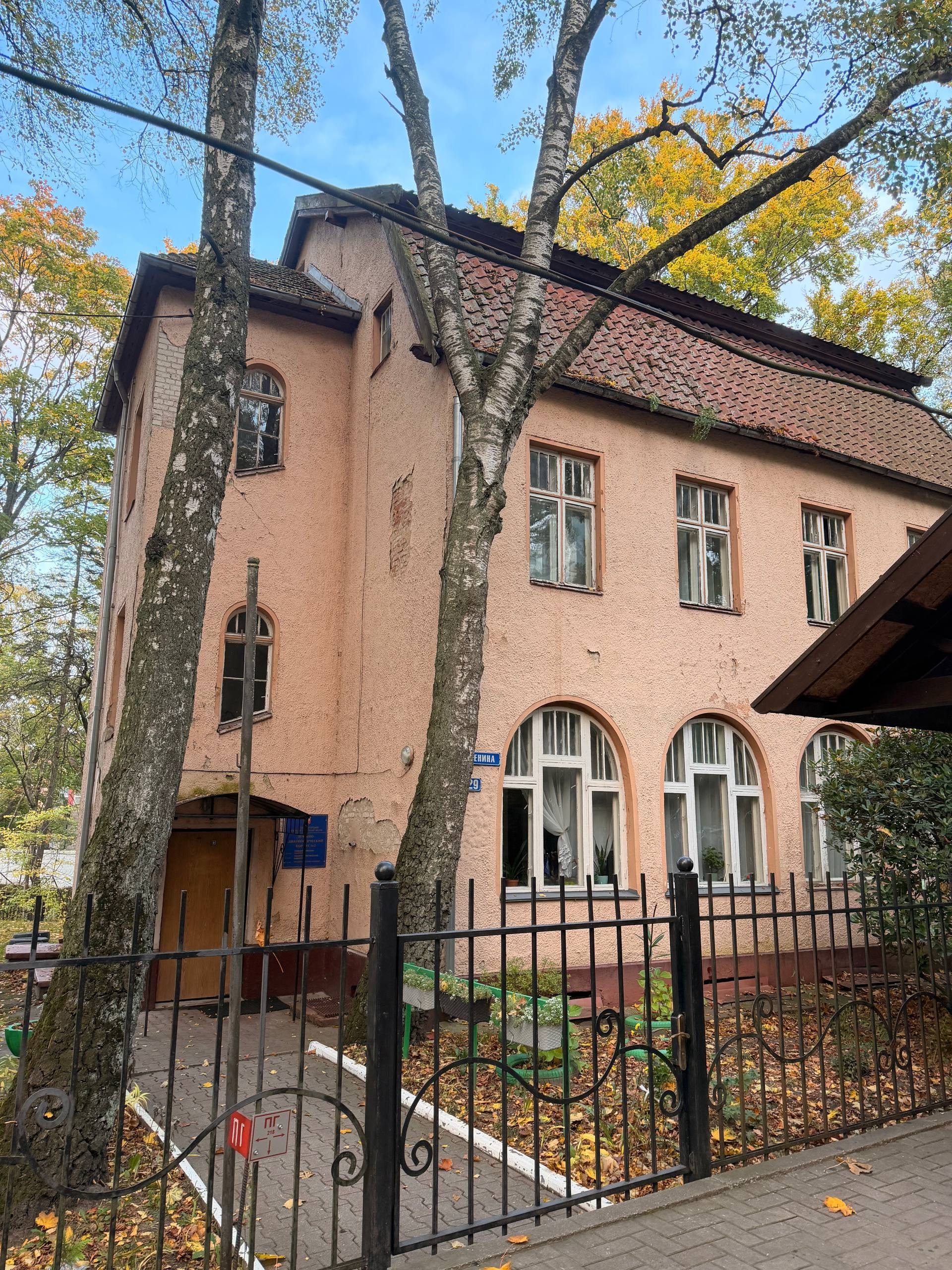
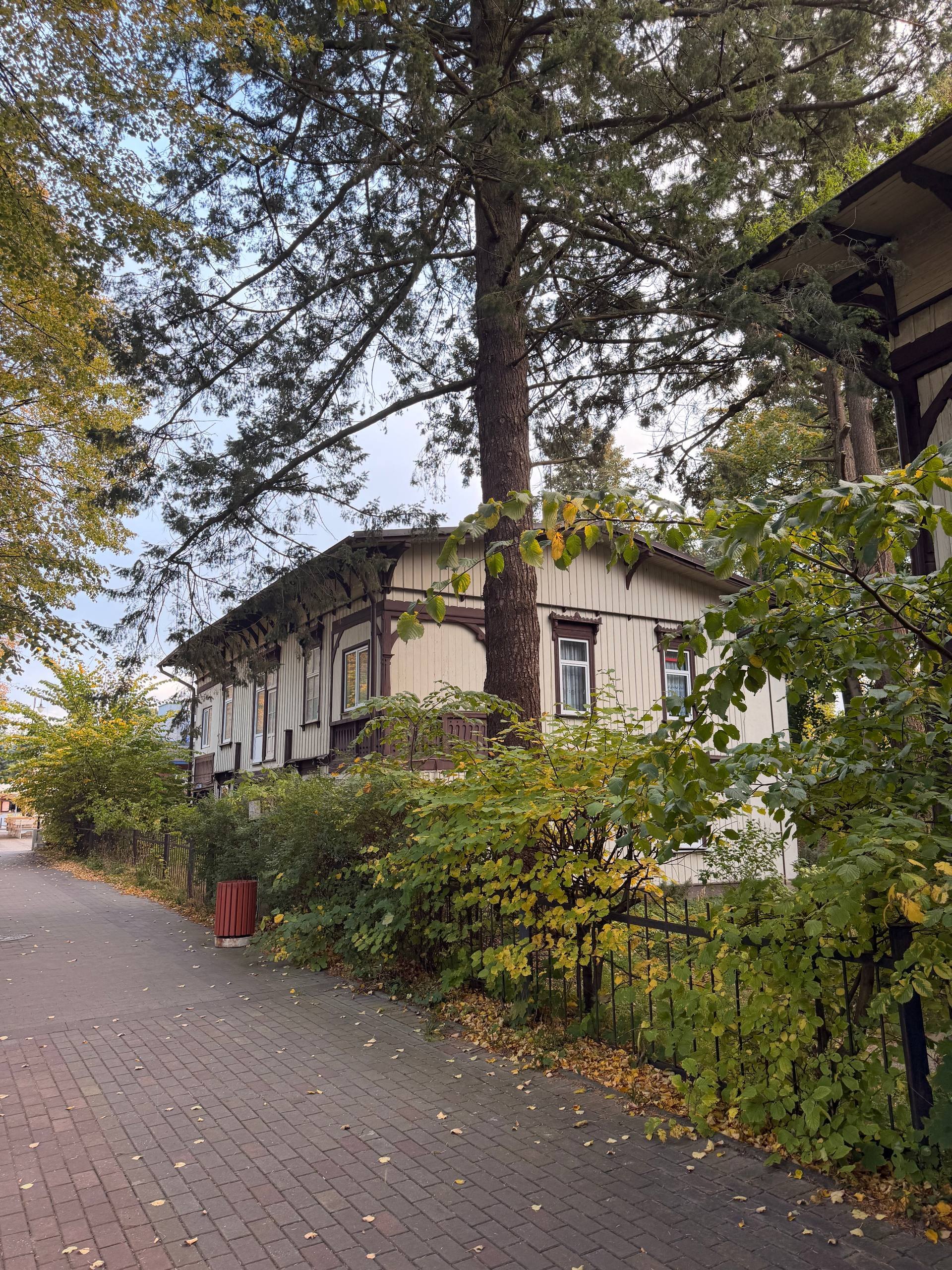
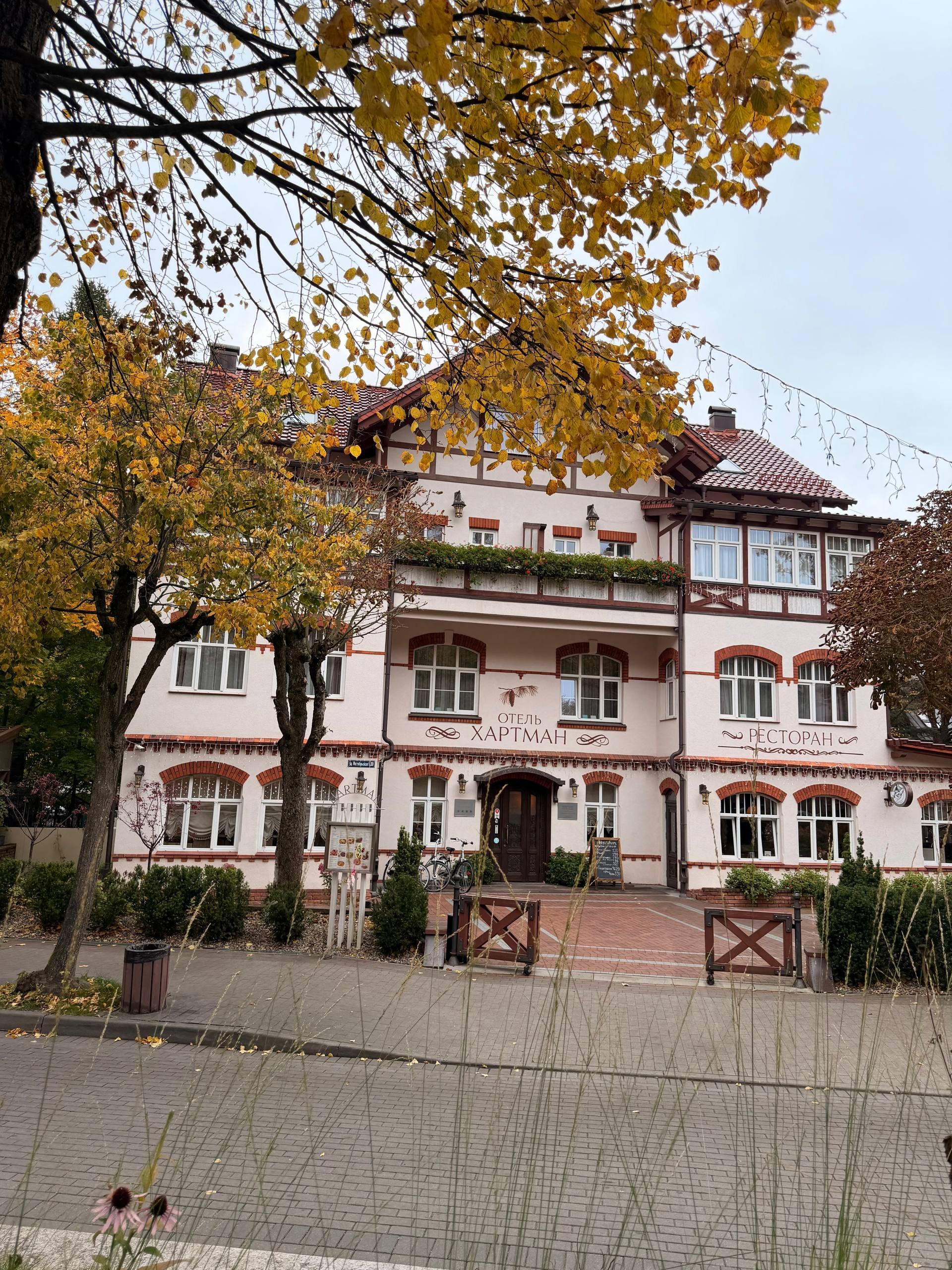
The town surrendered without a fight during the war, so many old houses have survived along its narrow, winding streets.
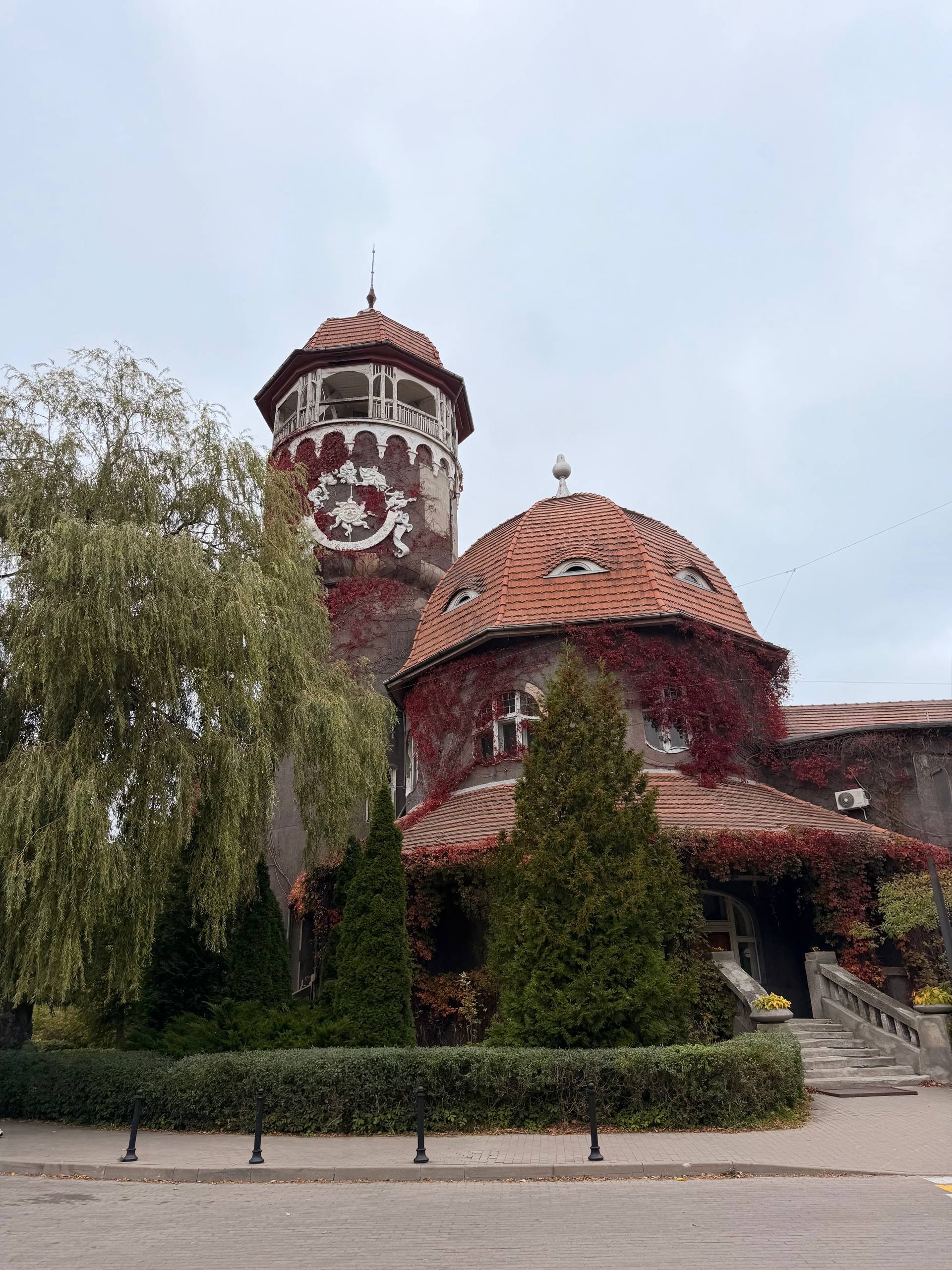
The tower and its mud baths were built in 1908. The baths used seawater and apparently still operate. Only military personnel can use them, though.
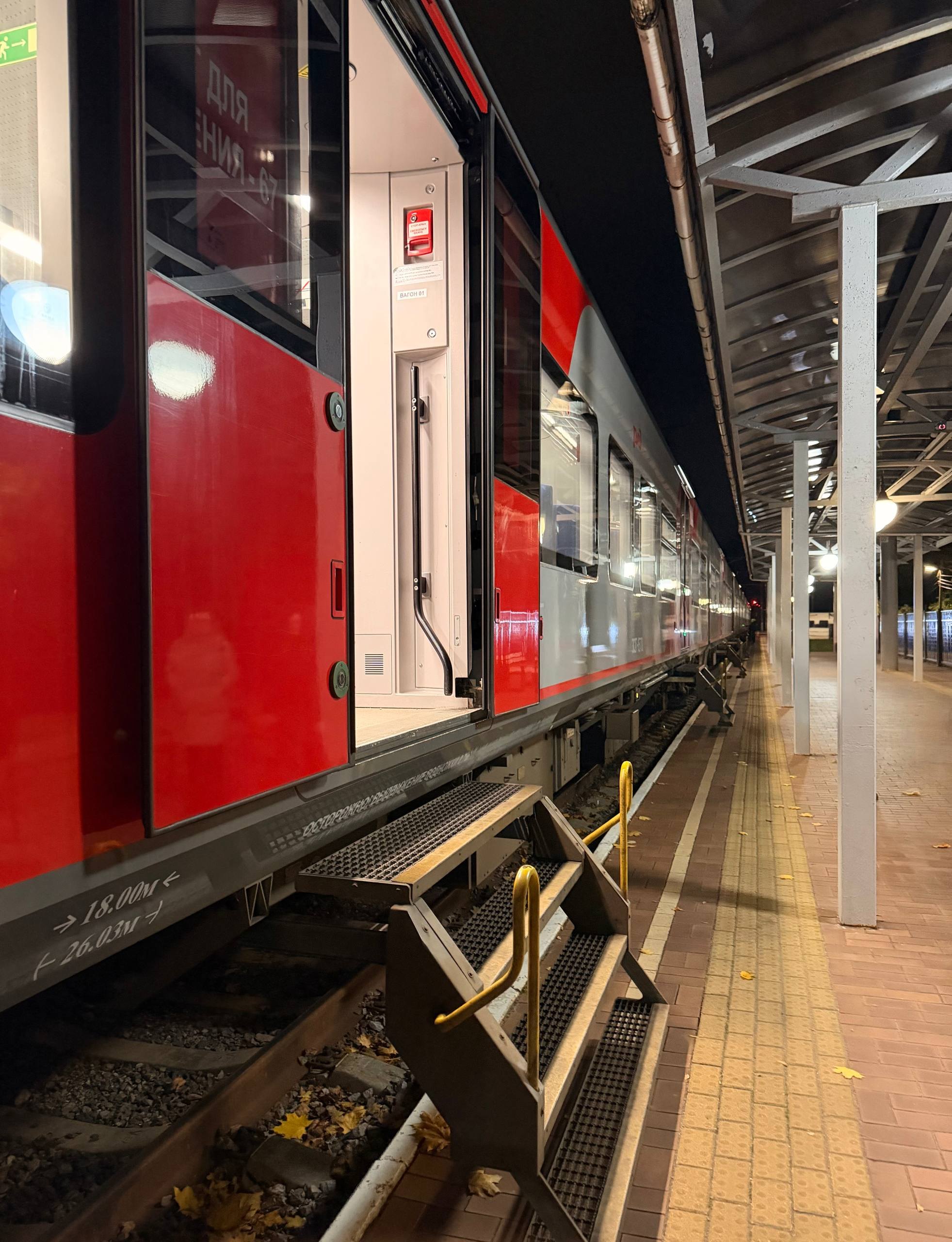
The train from Kaliningrad takes about an hour. Almost all the platforms here are low, and it turns out Lastochka trains have retractable steps. These trains came from Moscow’s Central Diameters network: they haven’t even removed the signs :) You can also come across a Moscow tram in Kaliningrad.
The station building dates from 1975.
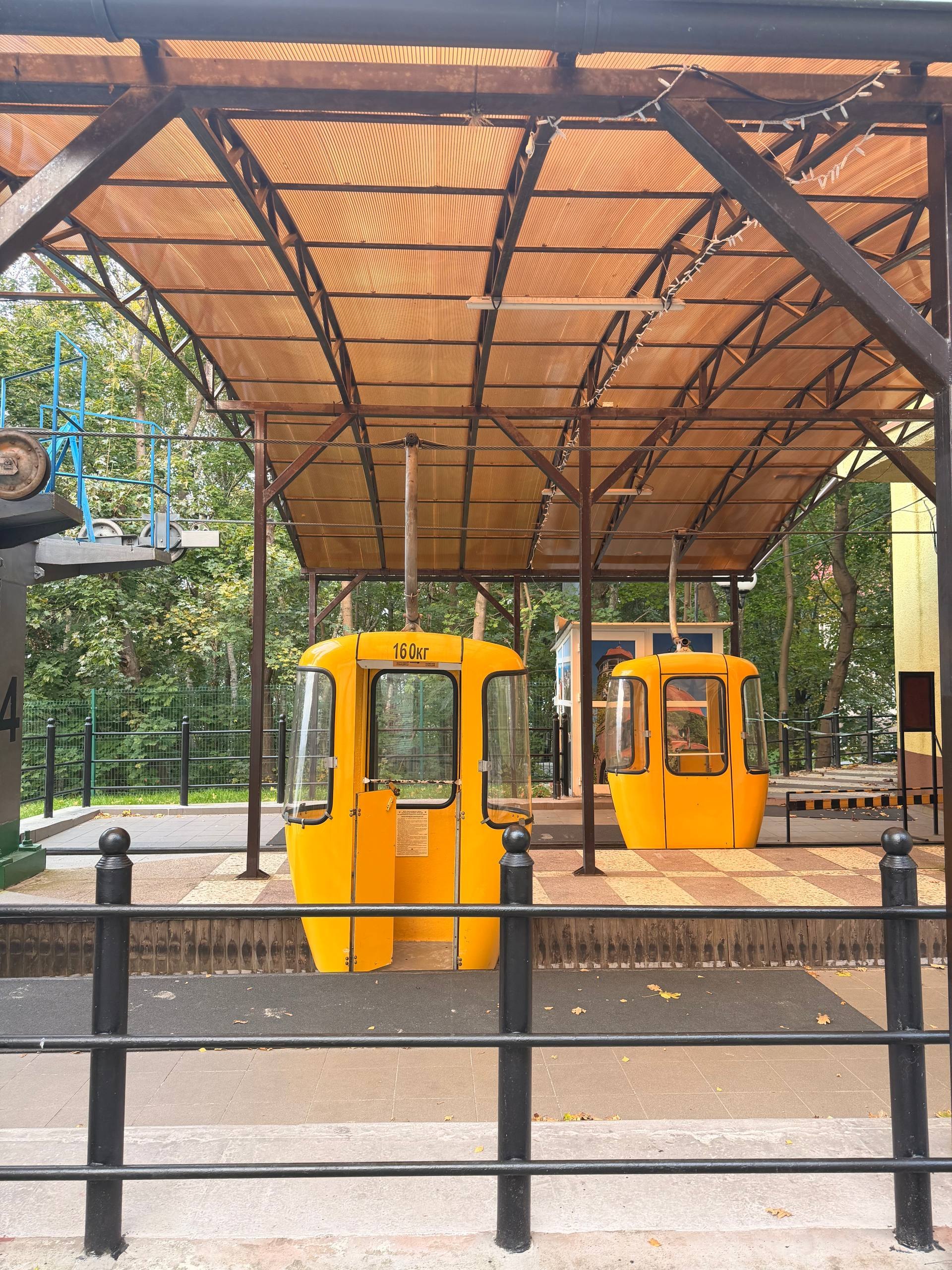
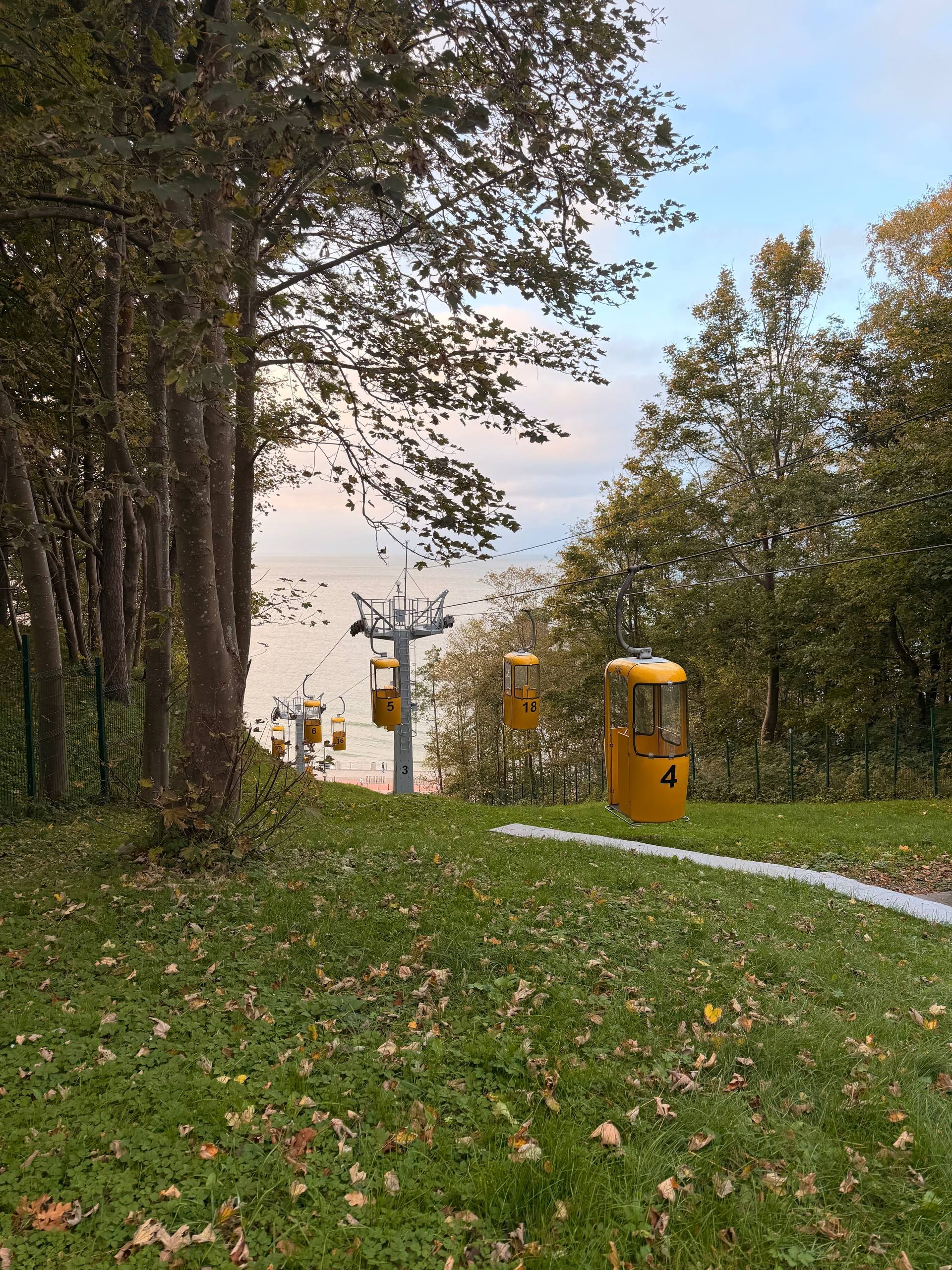
Right behind the station is a cable car built in 1984 that takes you down to the promenade. Before that, there was a funicular here dating from 1908.
Part of Svetlogorsk stands on a sand dune. Trees were planted to stabilize it as the town was built.
The dune stands right in front of the Baltic Sea and makes getting down to the water rather difficult.
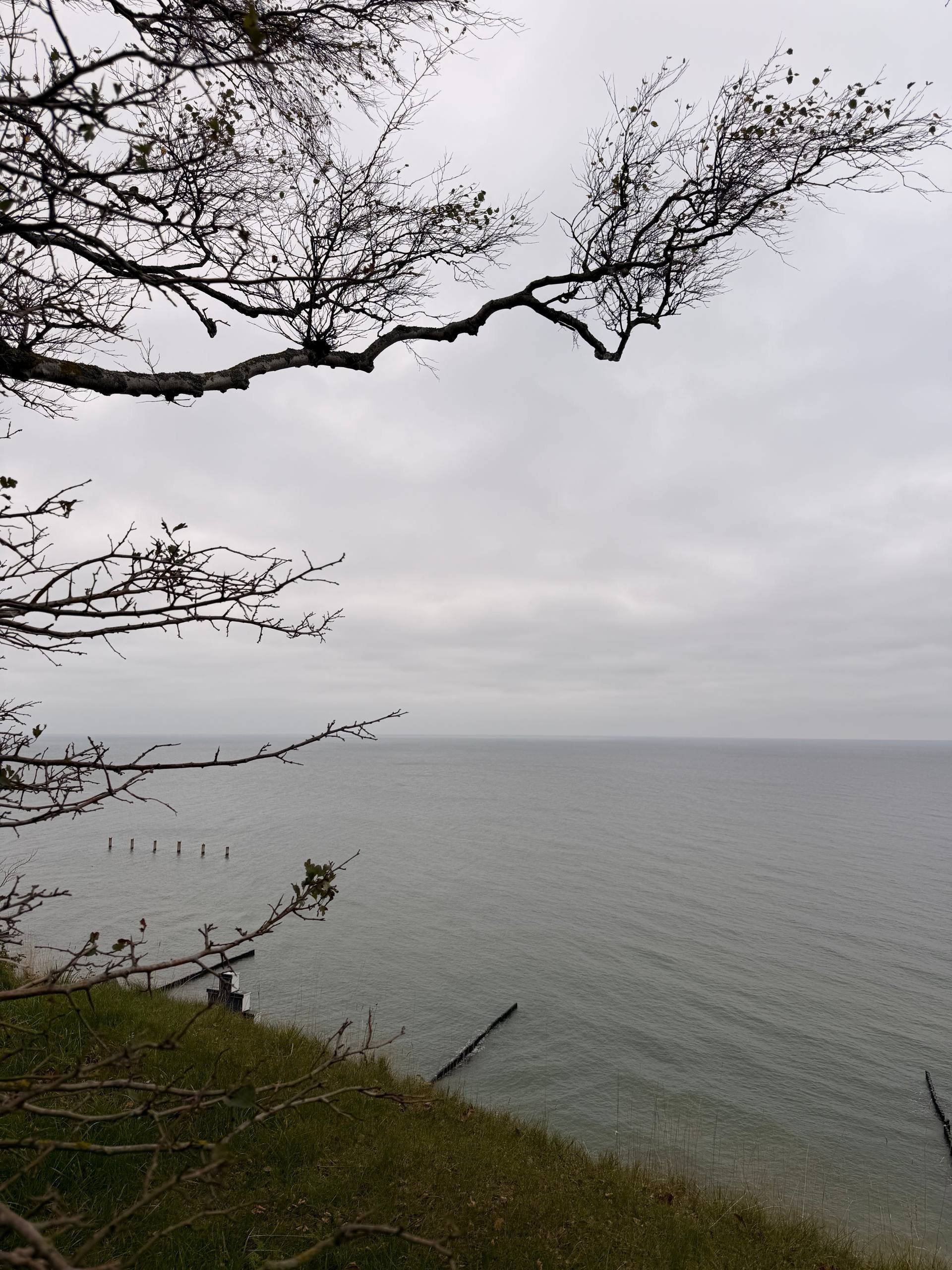
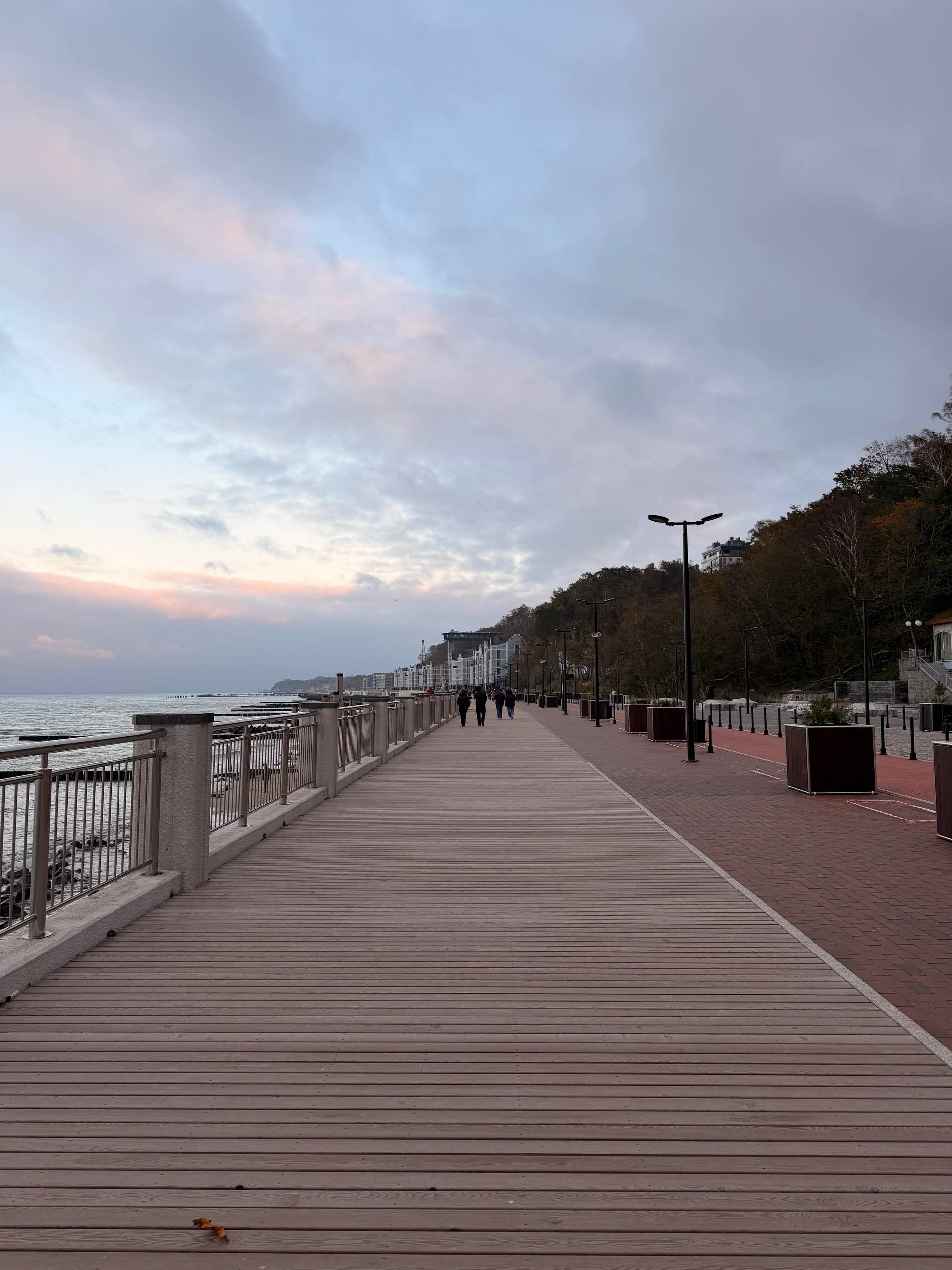
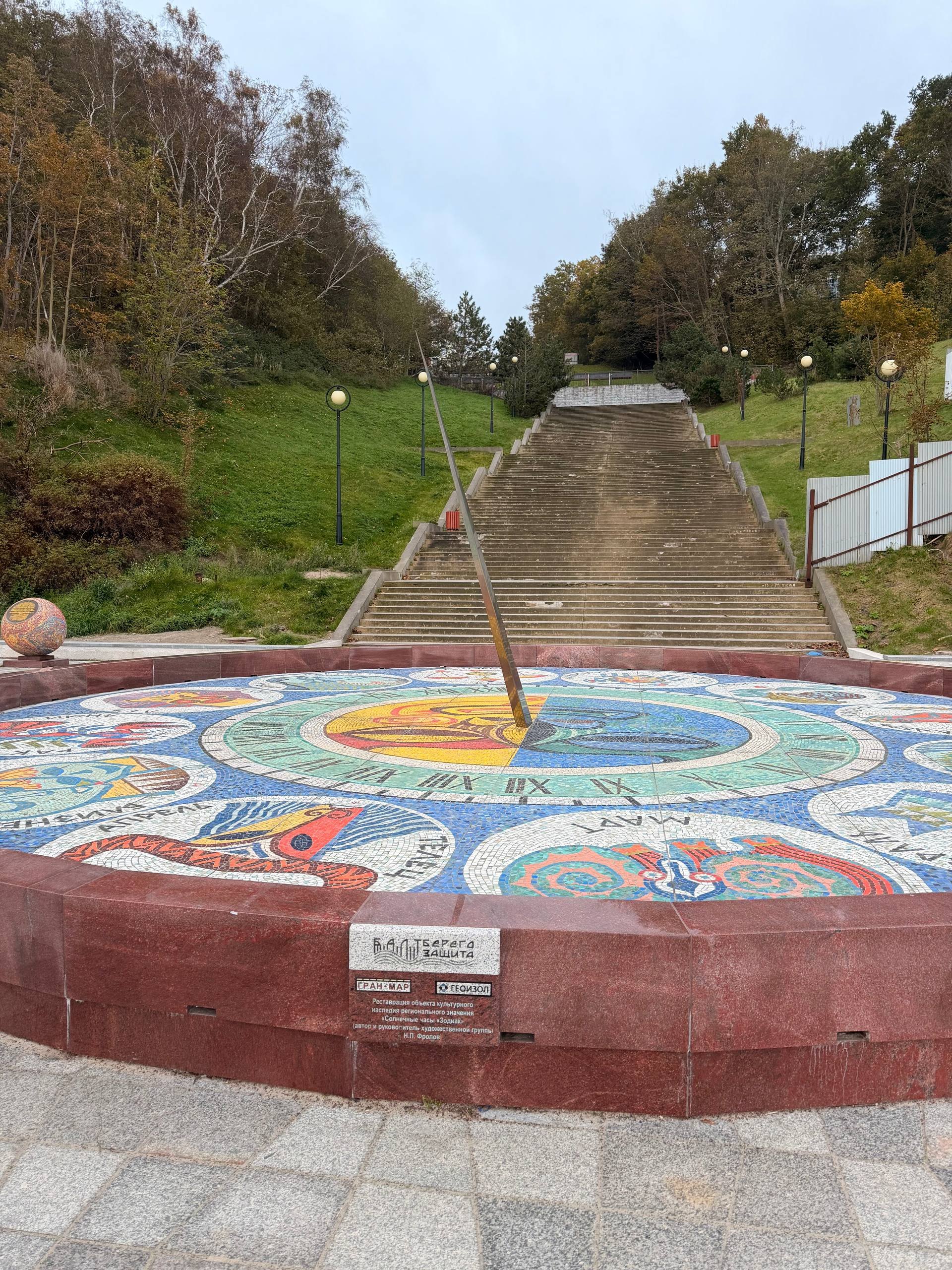
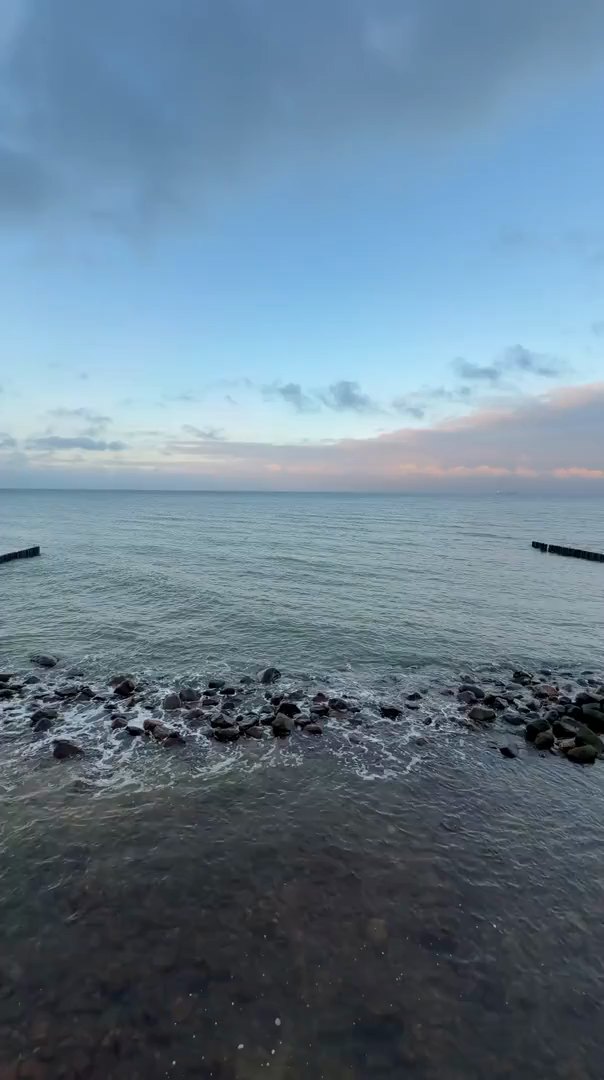
The promenade is being renovated. There is also a sundial built in 1974. For some reason, it wasn’t working today :(
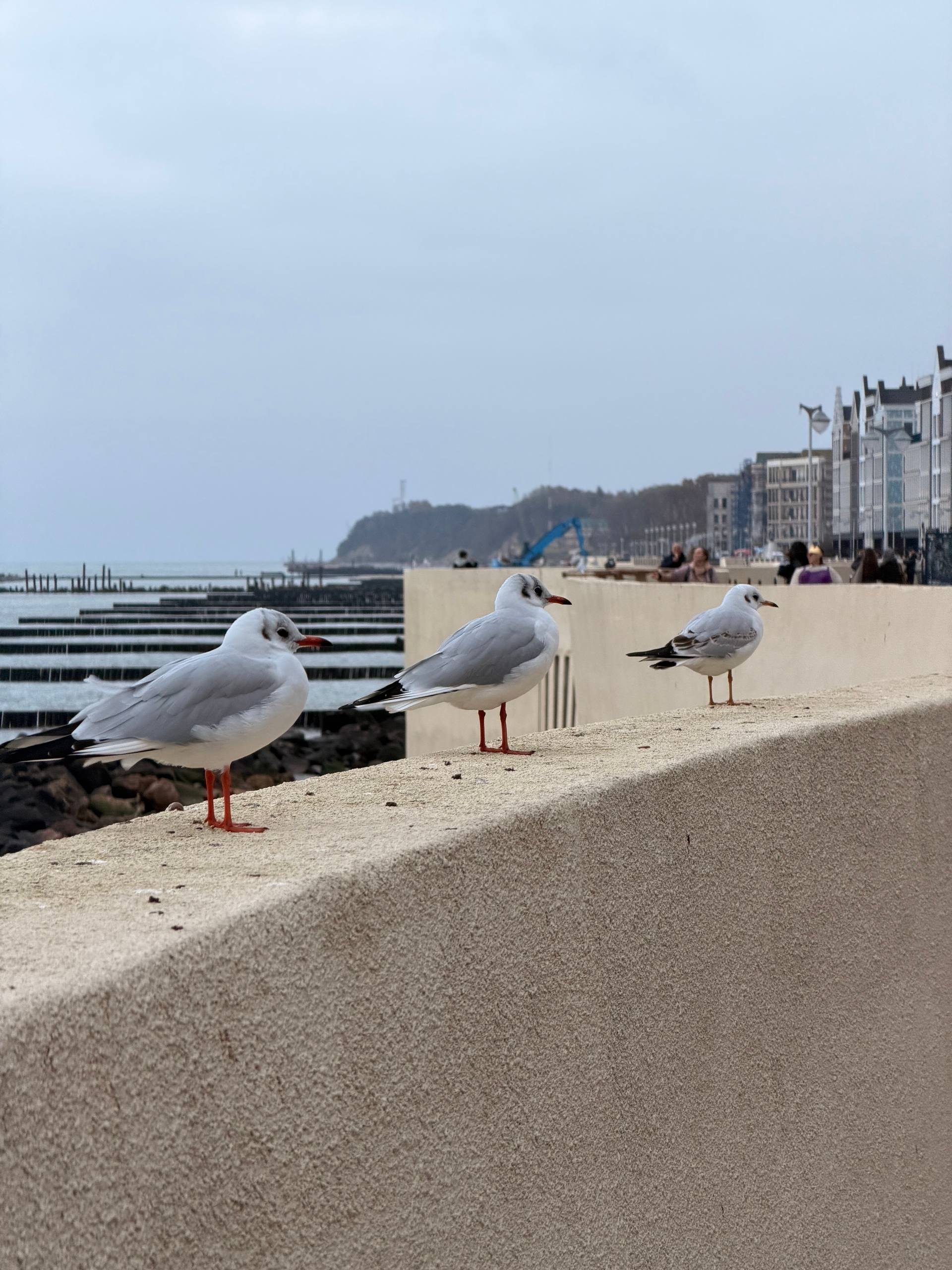
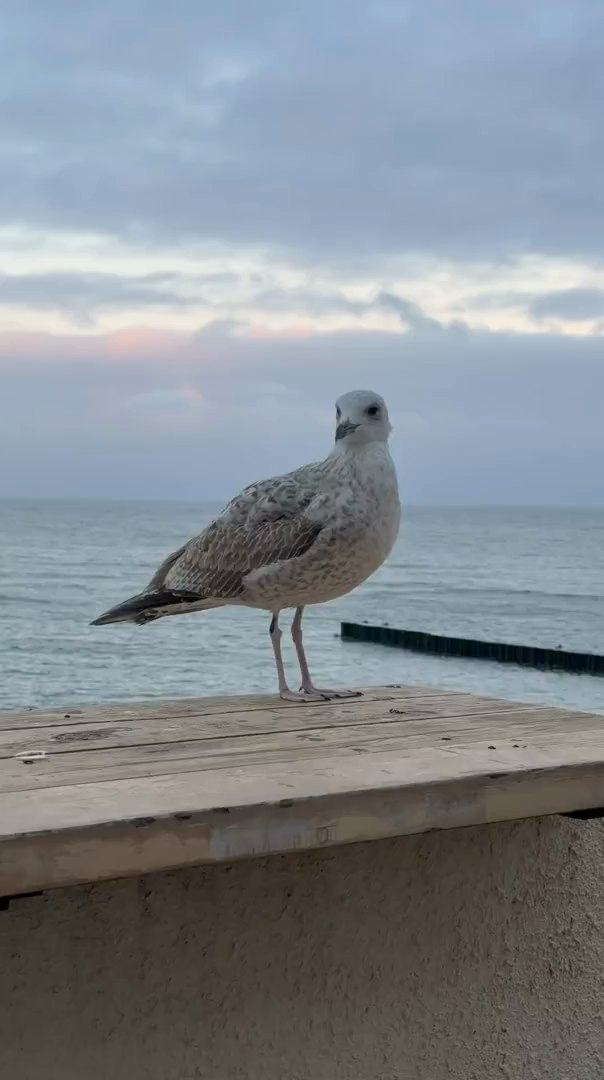
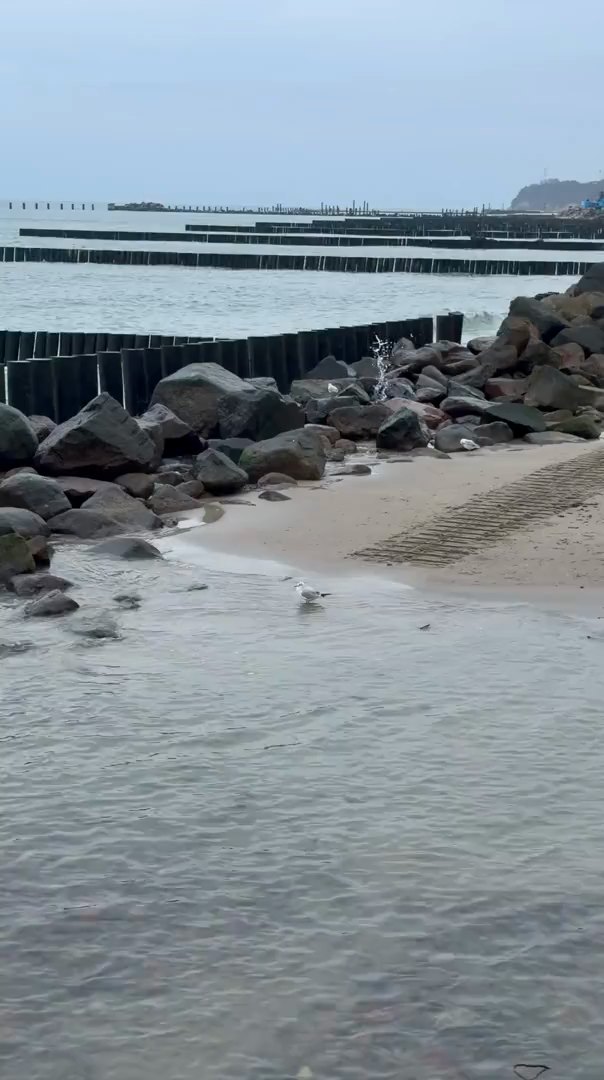
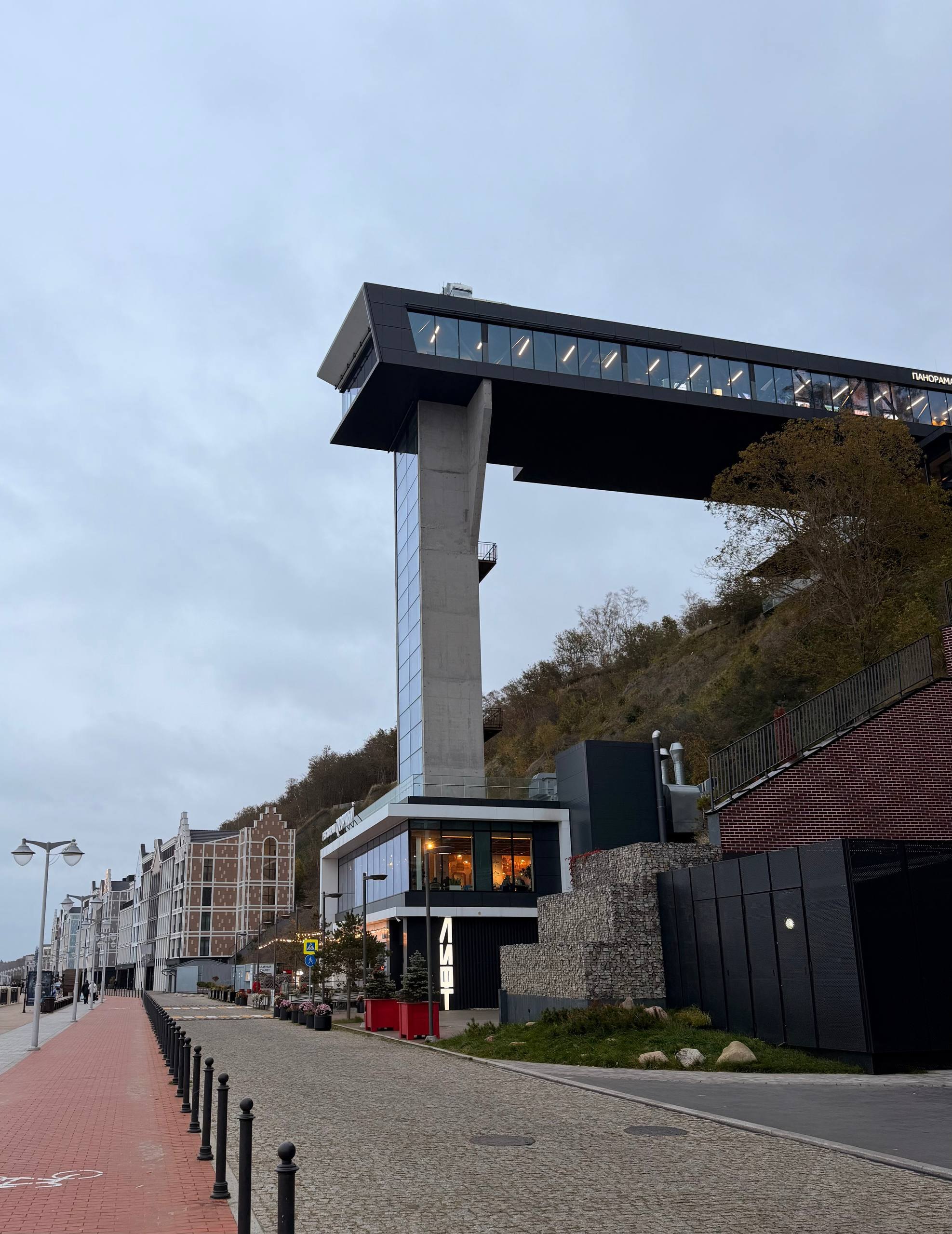
In 2014, an elevator was built to take people from the promenade up the dune. You have to pay for it, but it is much easier than taking the stairs :)
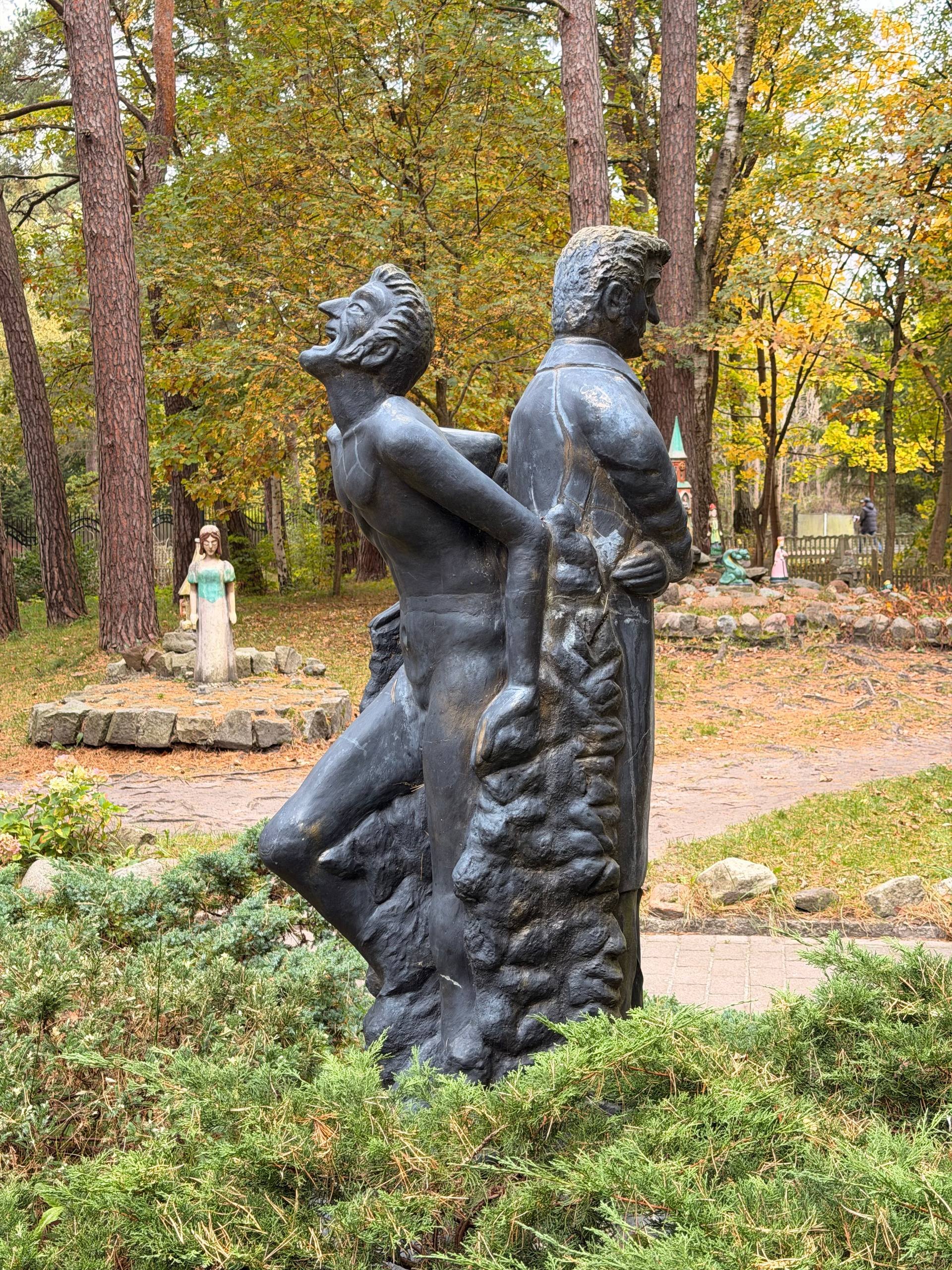
The German writer E. T. A. Hoffmann lived in Rauschen.
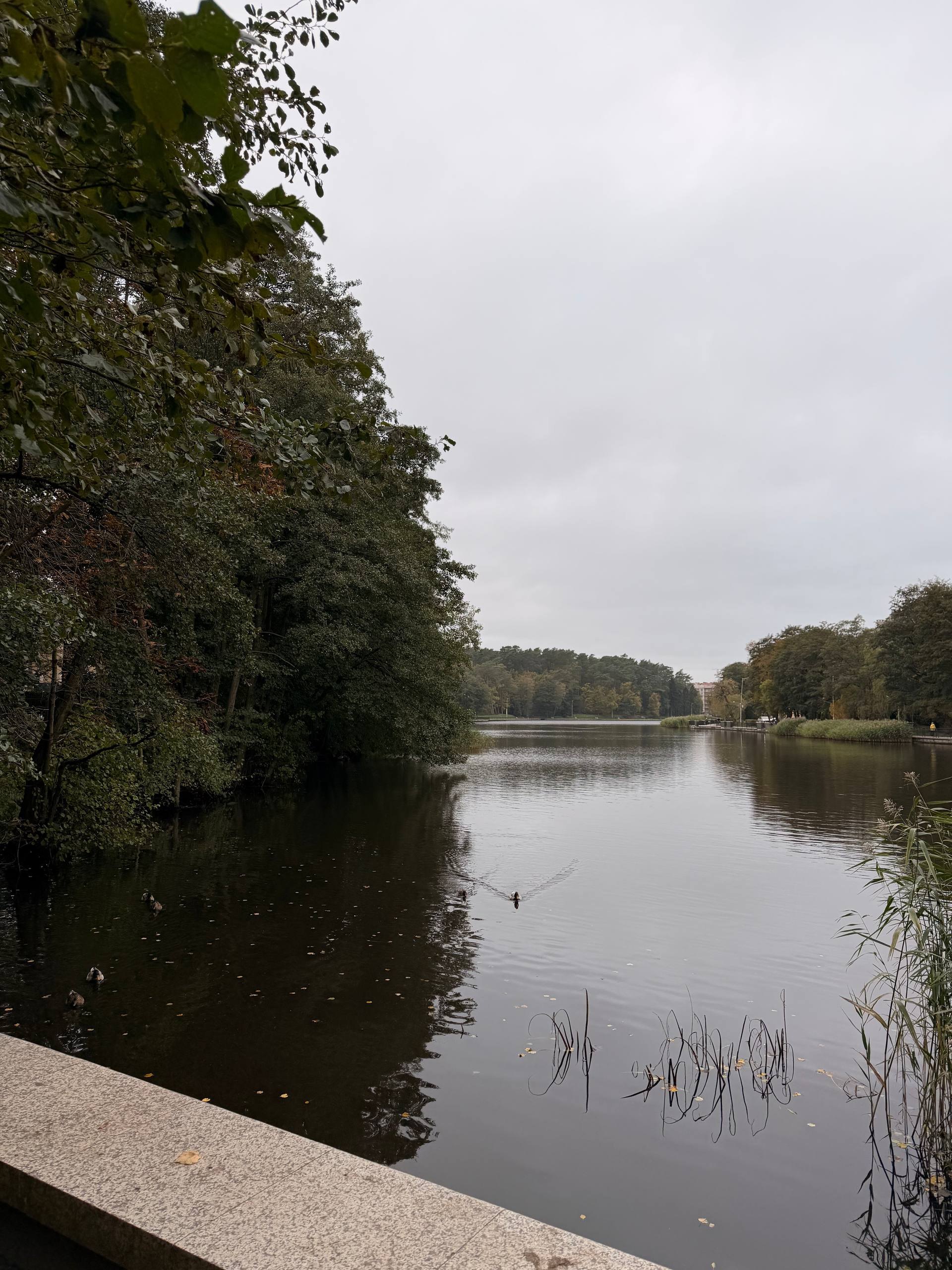
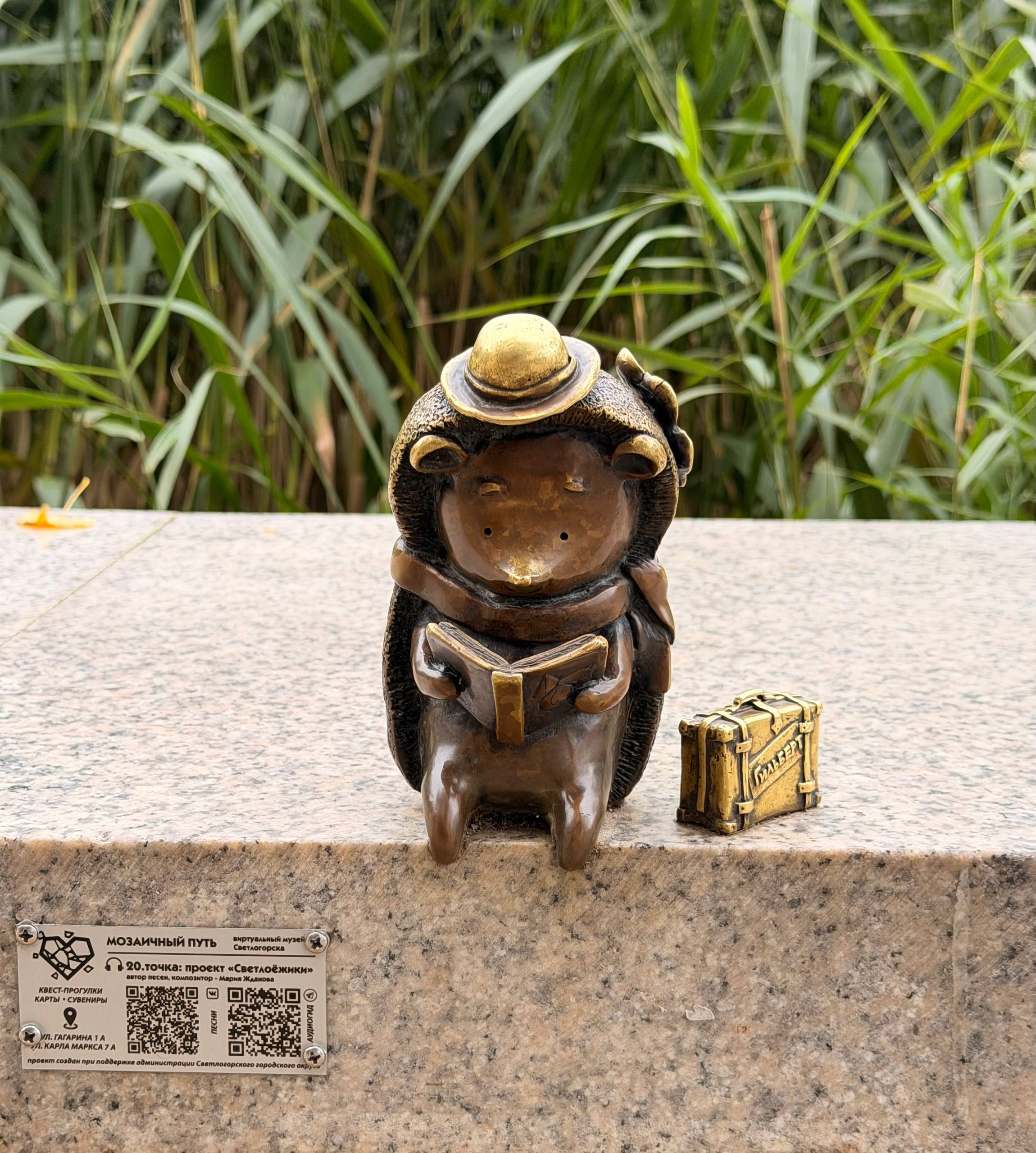
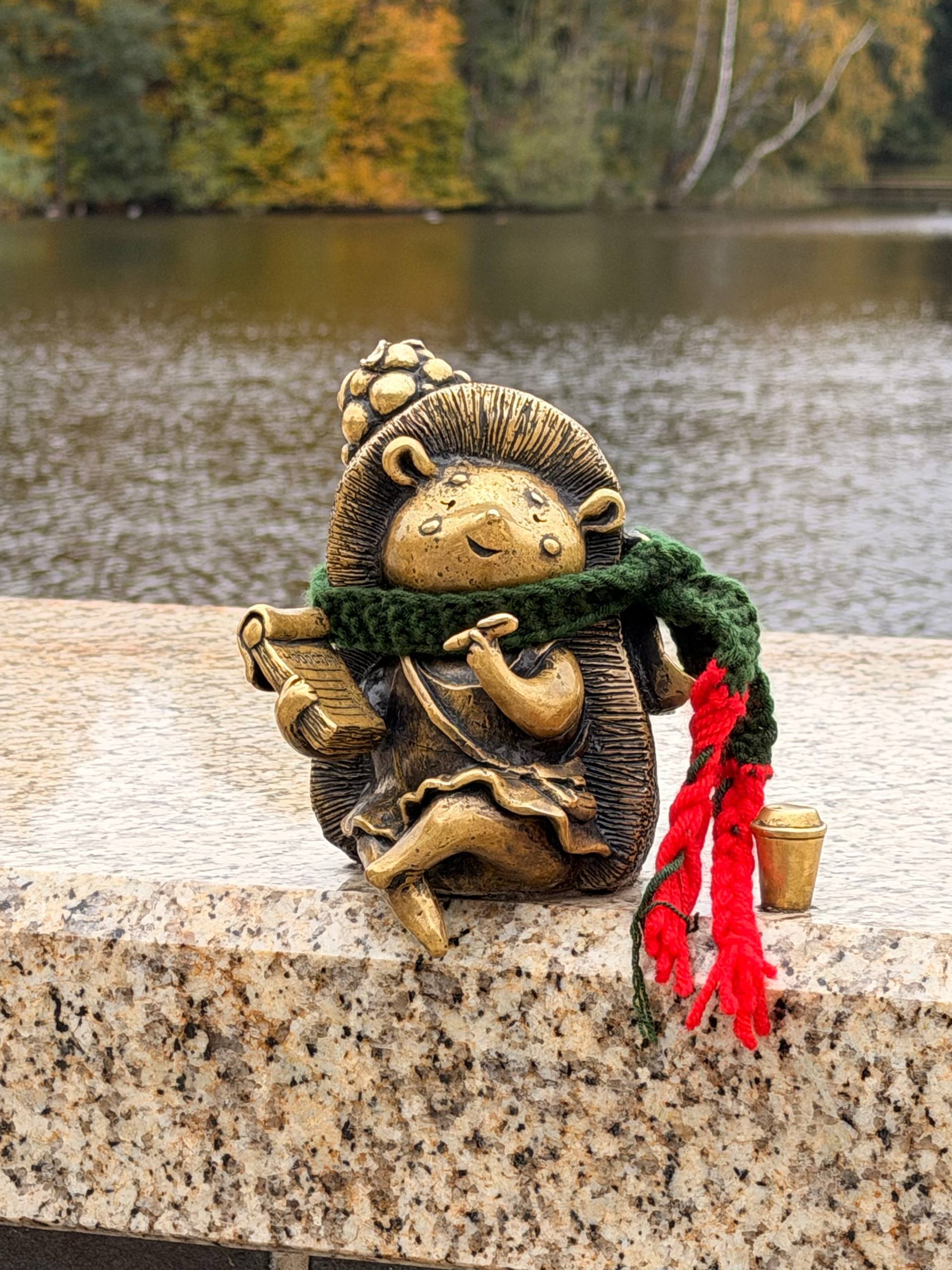
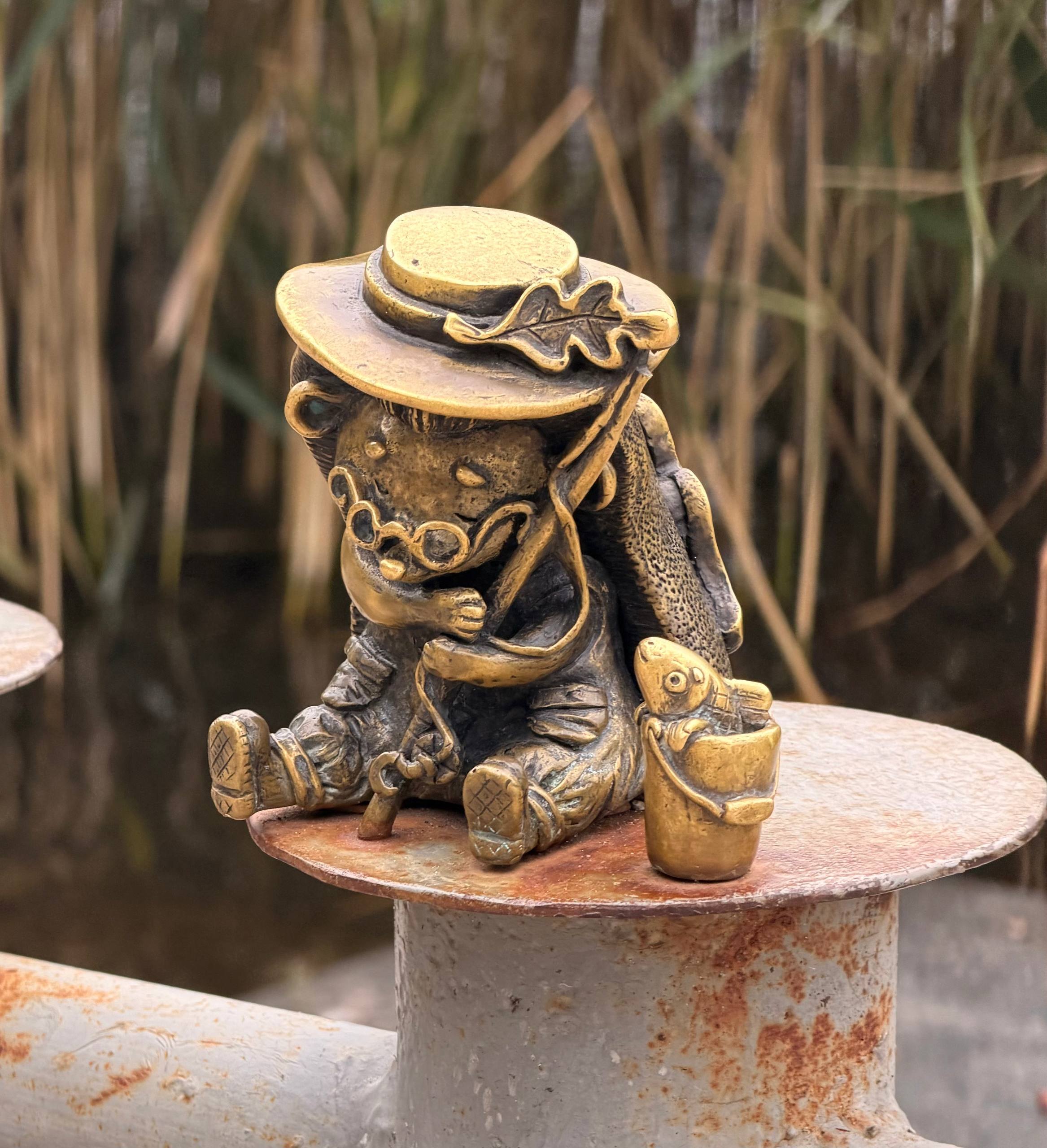
The lake is home to the SvetloYozhiki: pictured here are Pykhtik, Malinka, Grandpa Hedgehog, and Bul the fish.
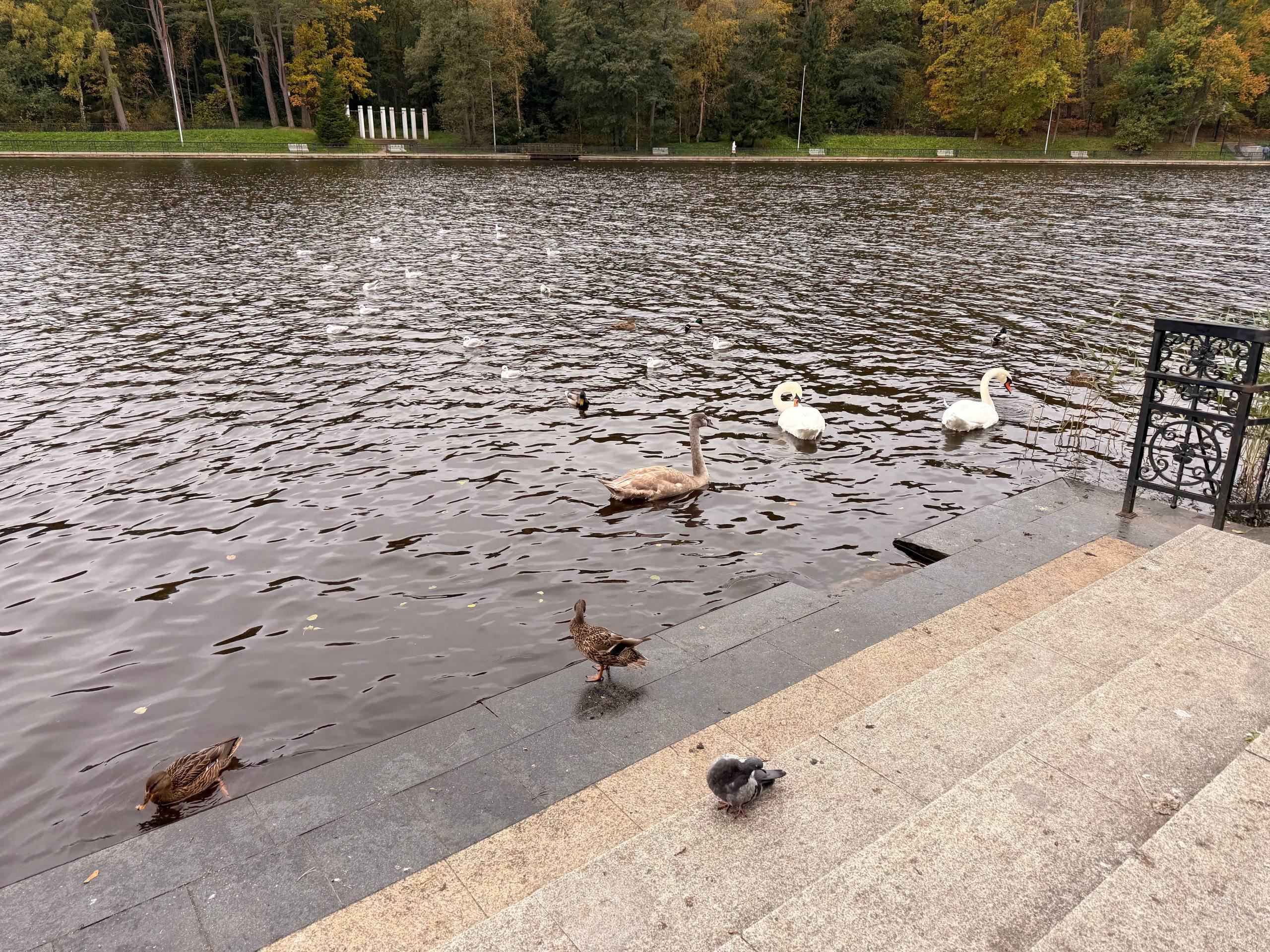
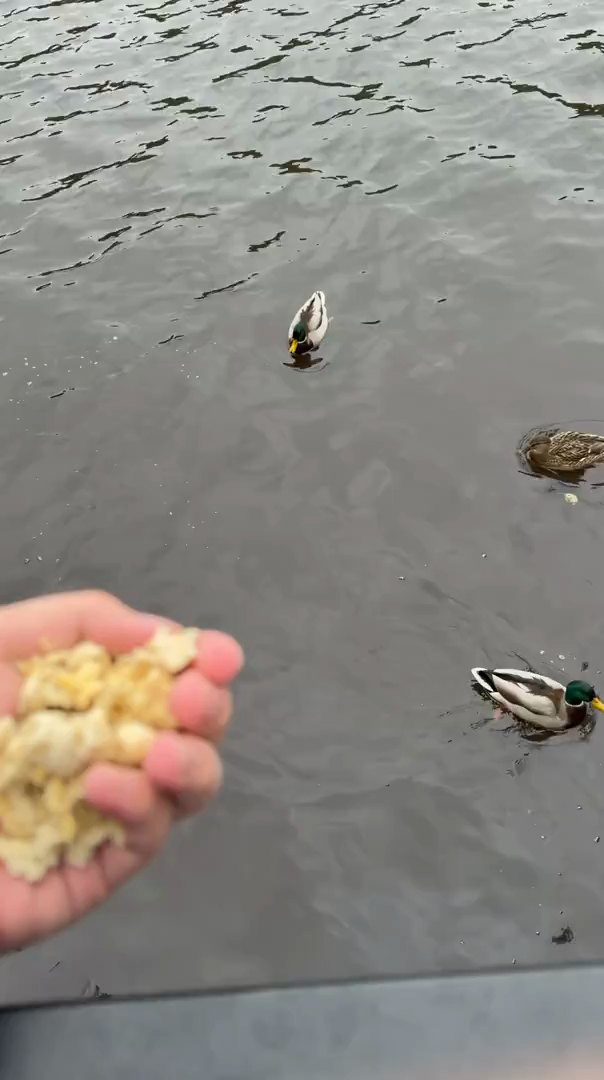
There are ducks and swans too, along with vending machines selling food for them.
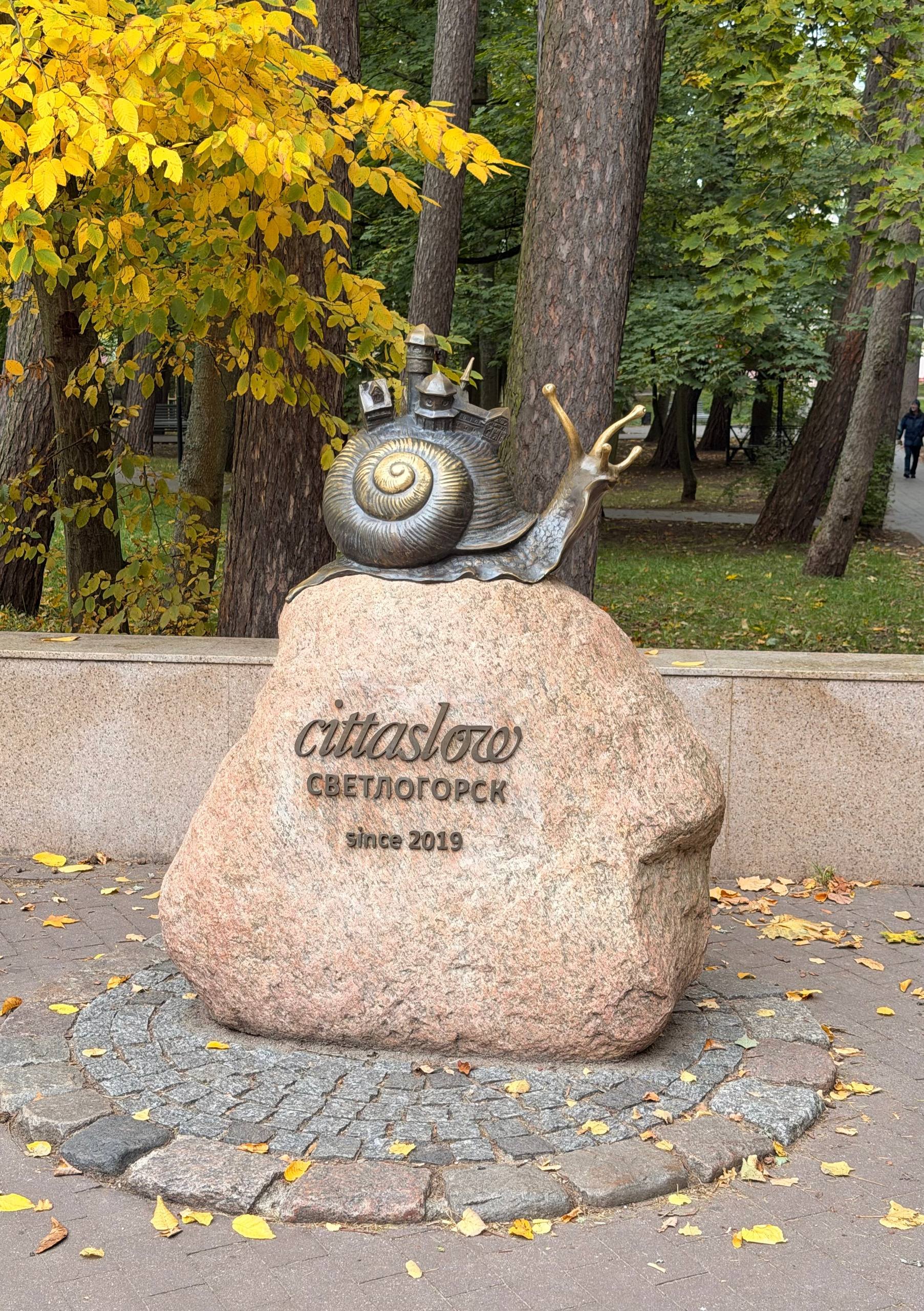
Svetlogorsk is Russia’s only Slow City.
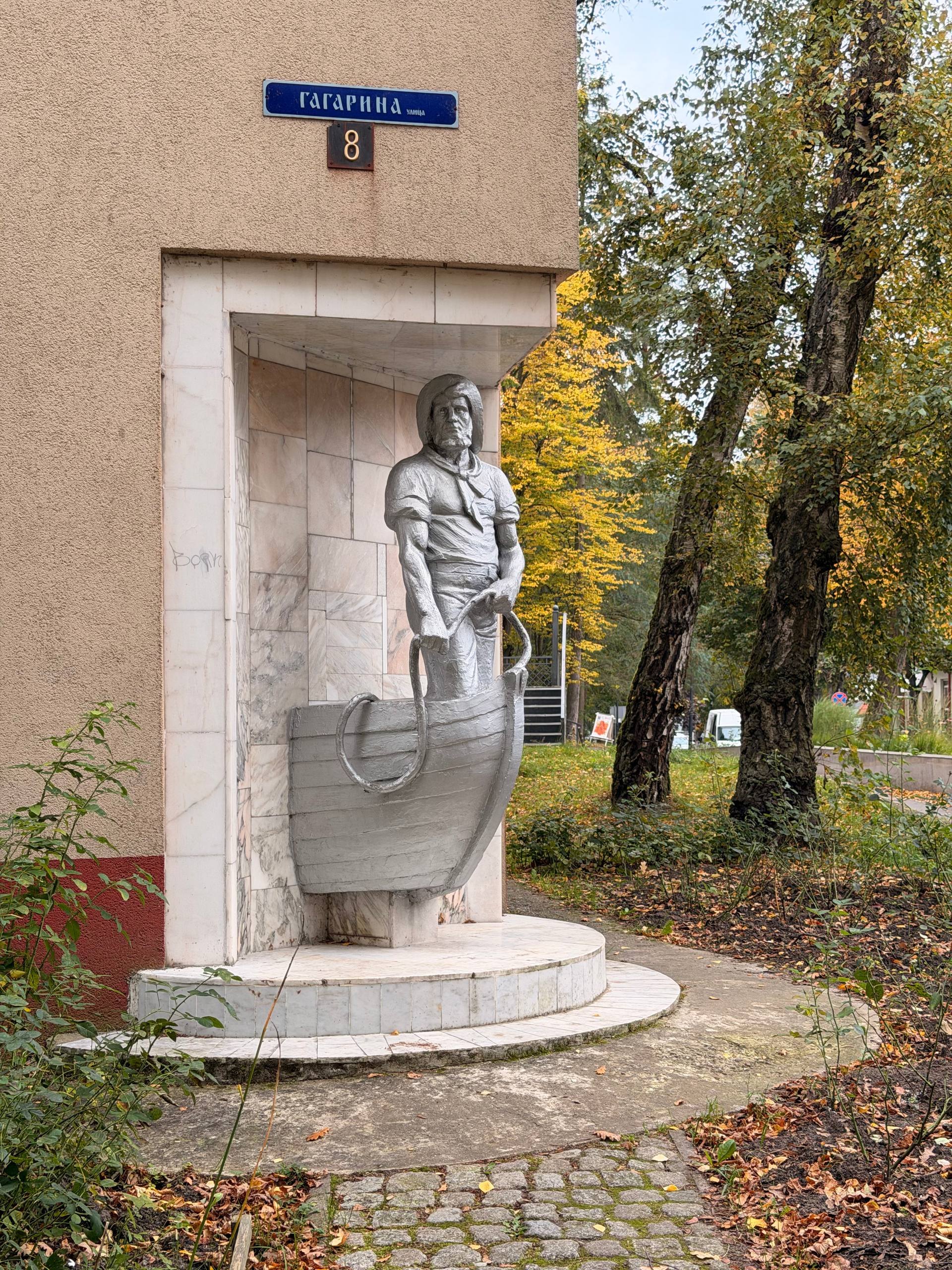
Someone in Soviet times didn’t like the front door opening straight onto the street corner, so it was bricked up and a statue of a fisherman put in its place.
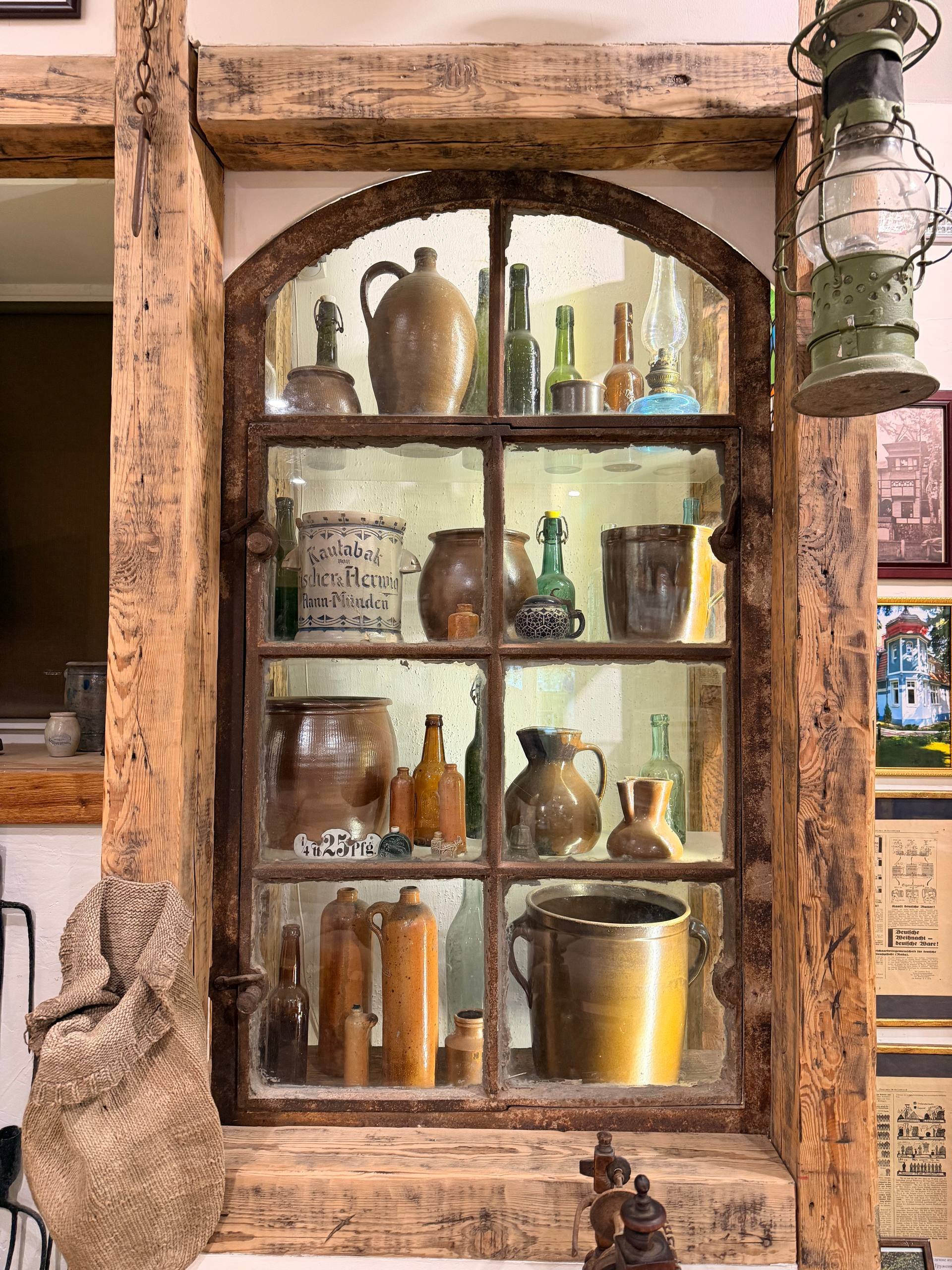
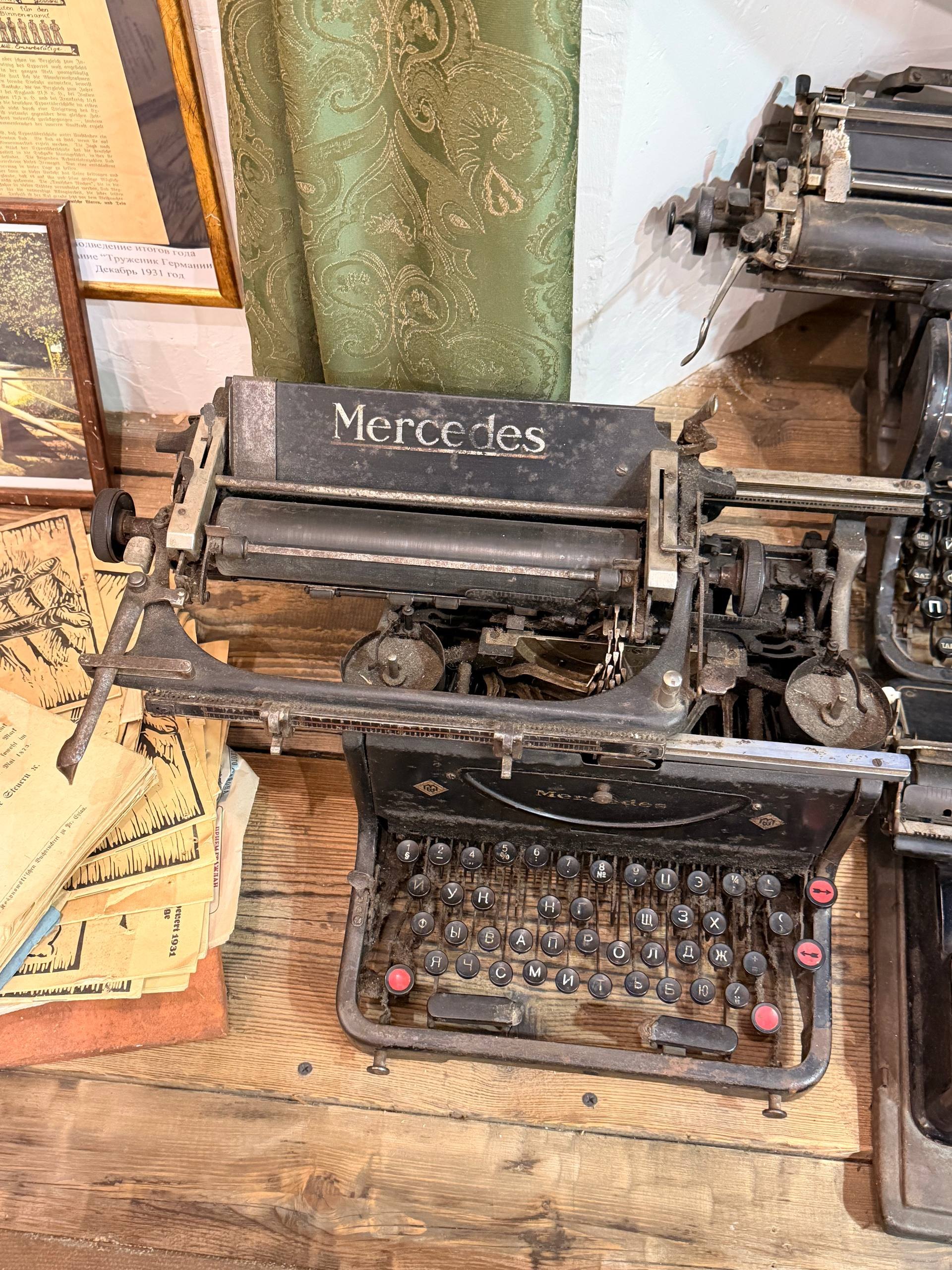
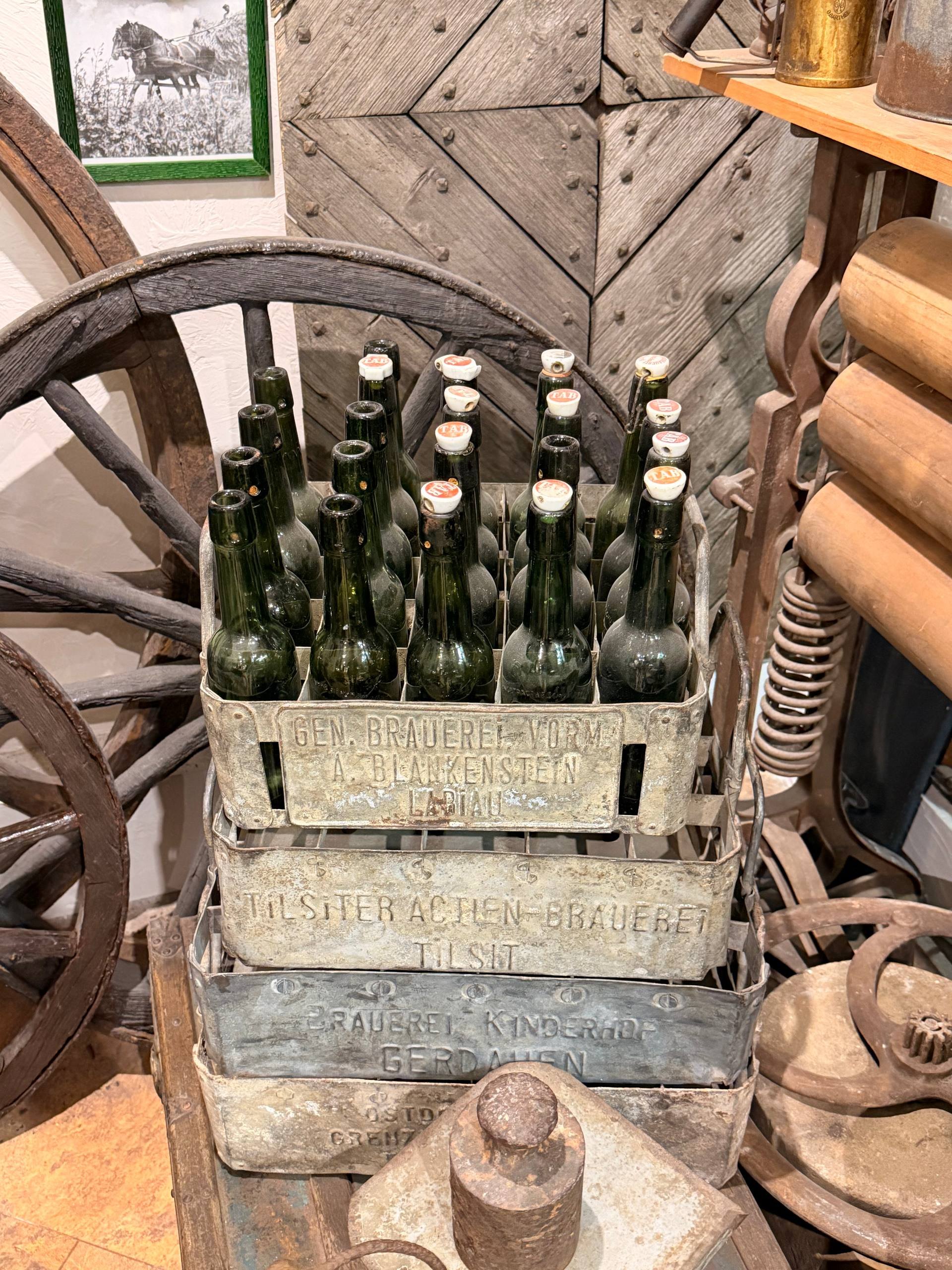
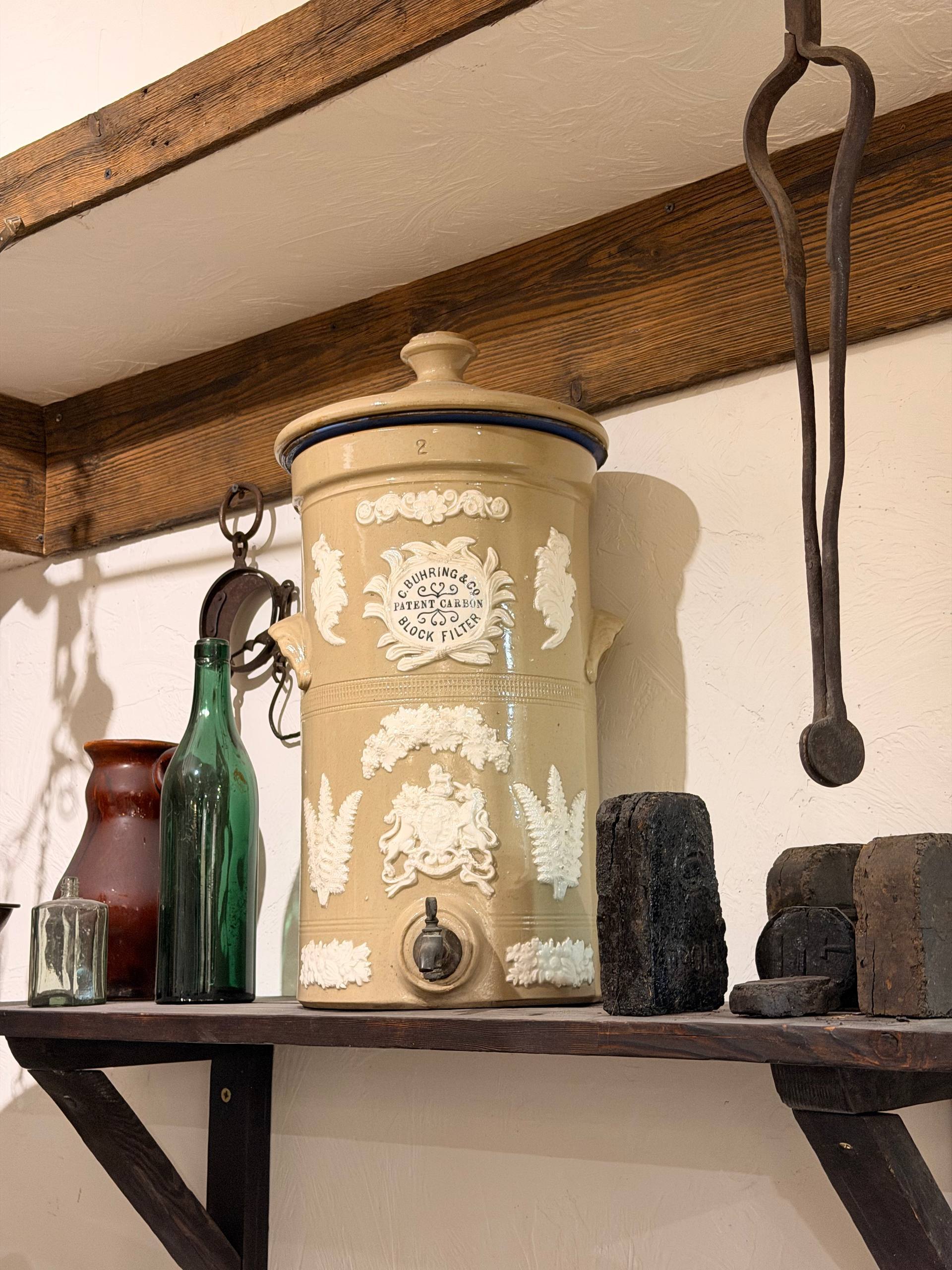
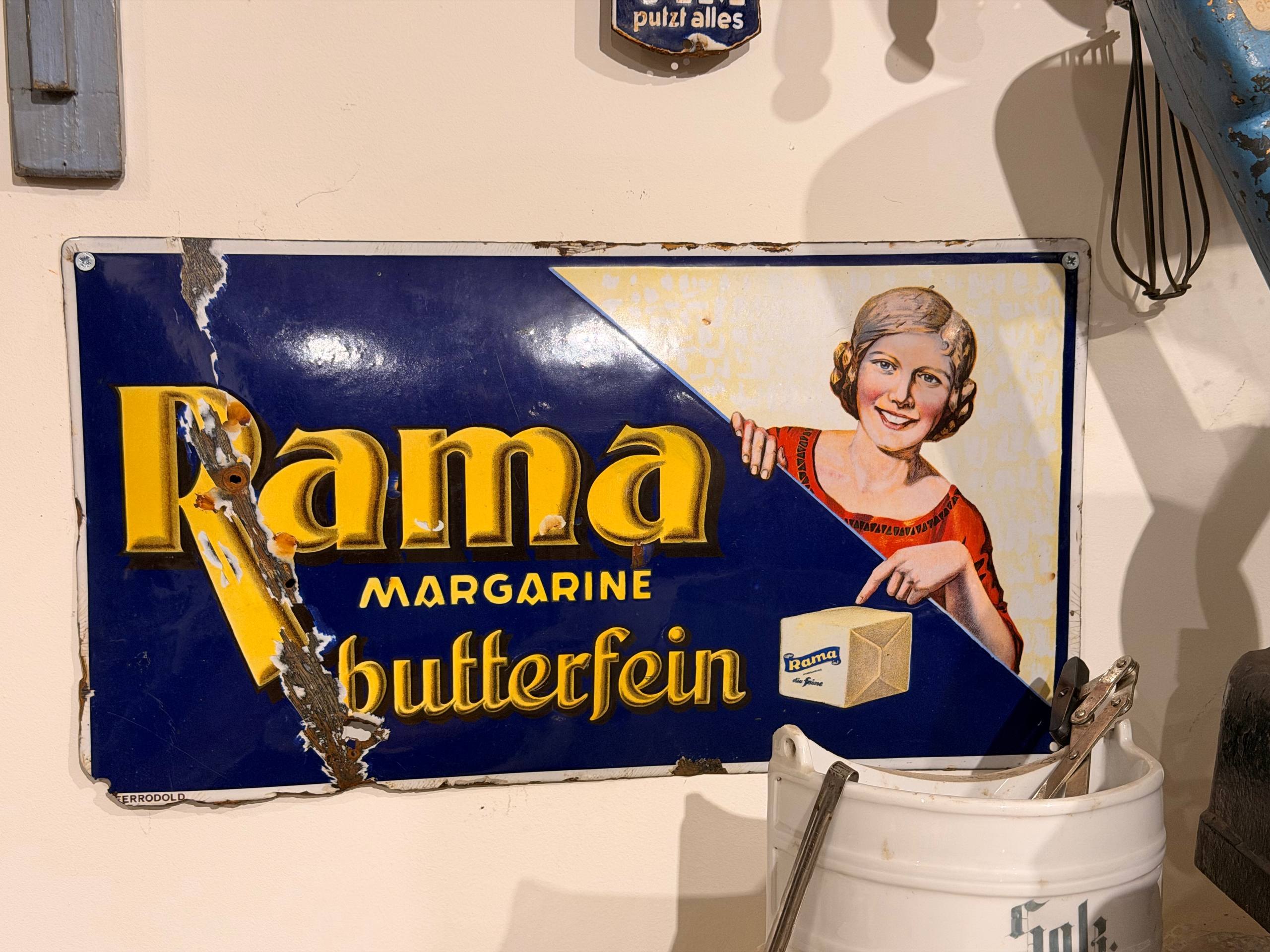
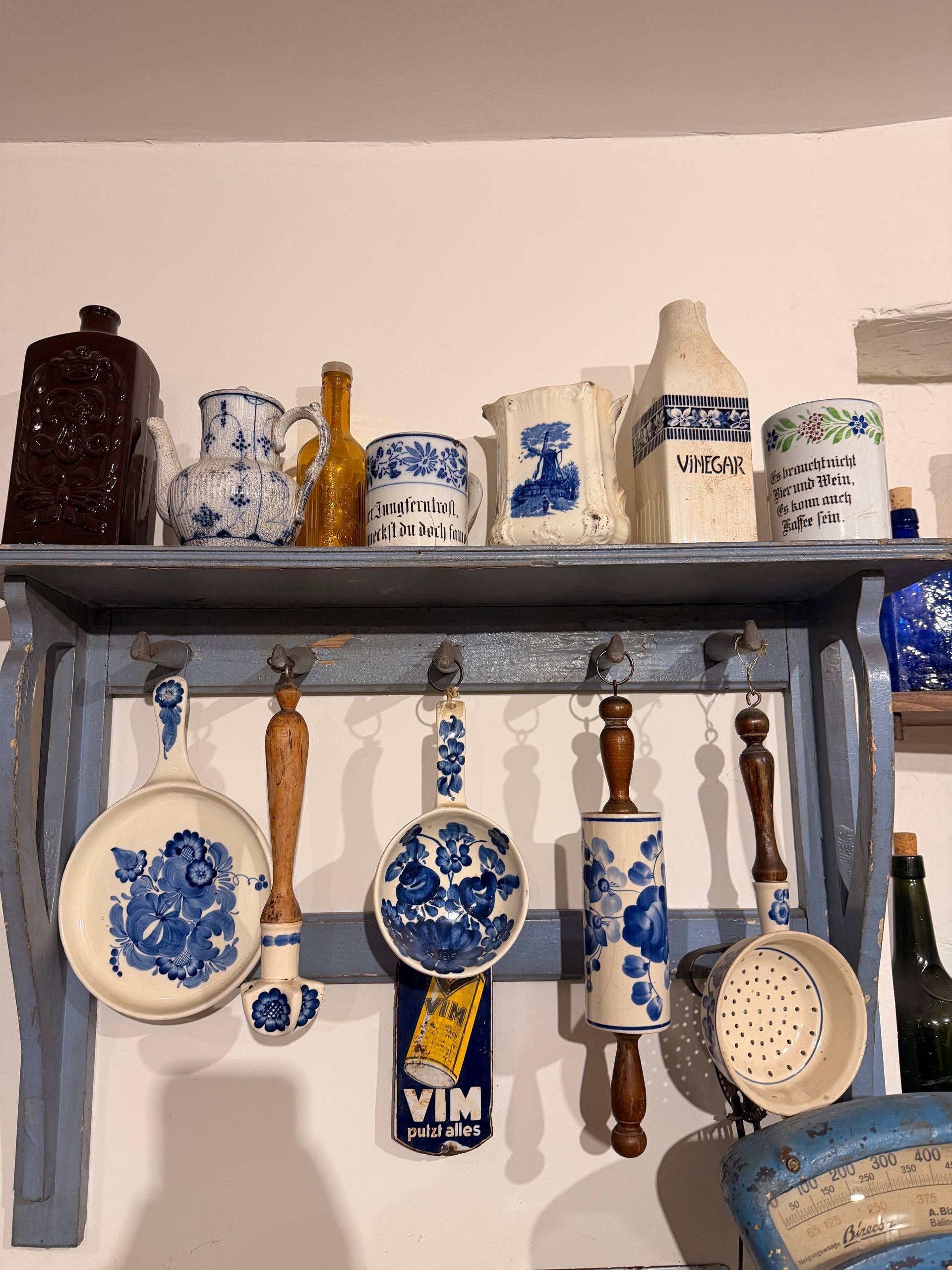
The private Wheel of History museum. This seems to be a common problem with private museums: lots of fascinating and varied exhibits, and not a single label.