Kaliningrad · Svetlogorsk · Curonian Spit · Zelenogradsk
The Museum of the World Ocean and Fort Dönhoff
The SRT-129 trawler, the Irbensky lightship, the research vessel Vityaz and Planet Ocean. Then an evening at Fort No. 11 Dönhoff.
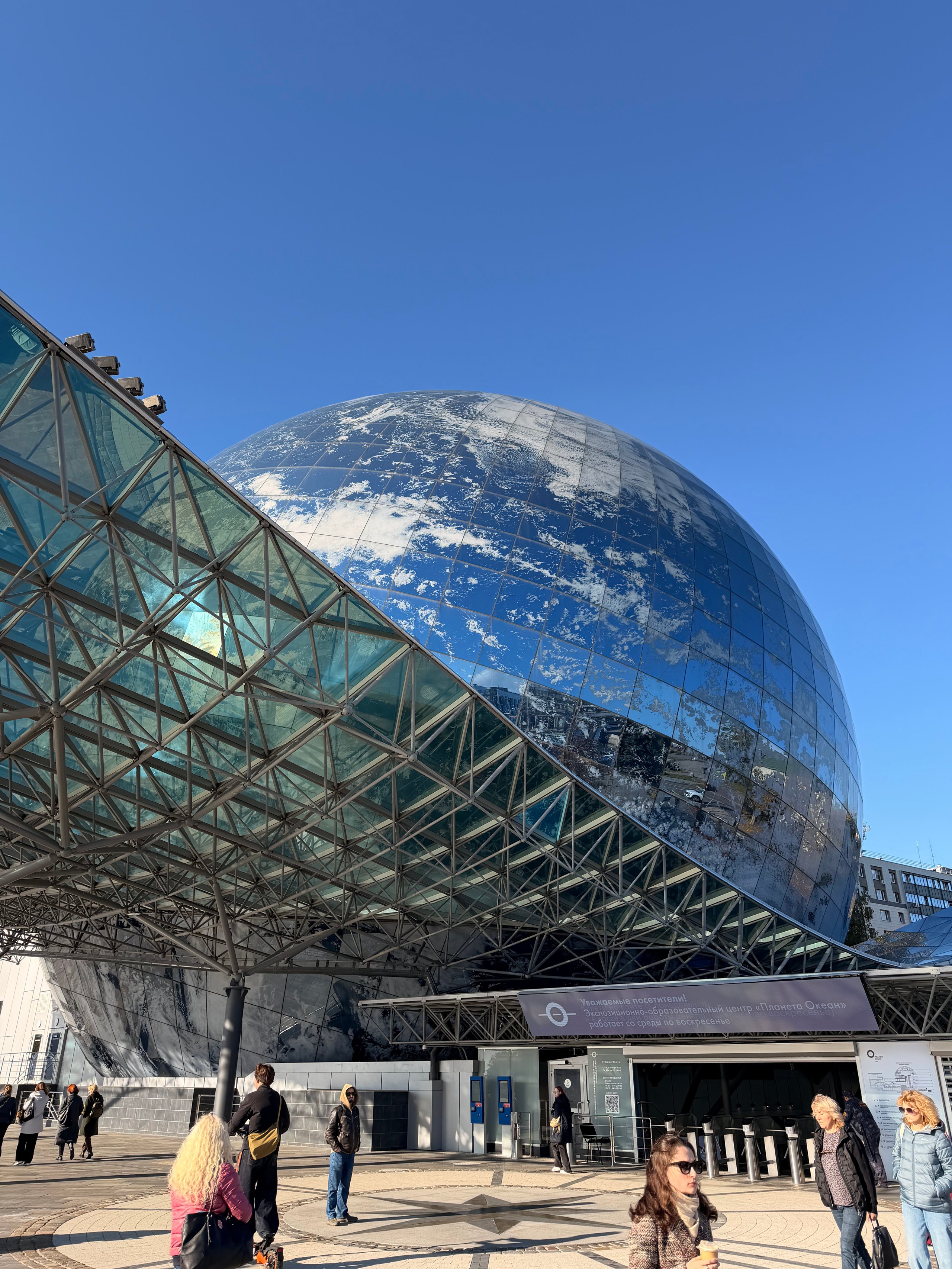
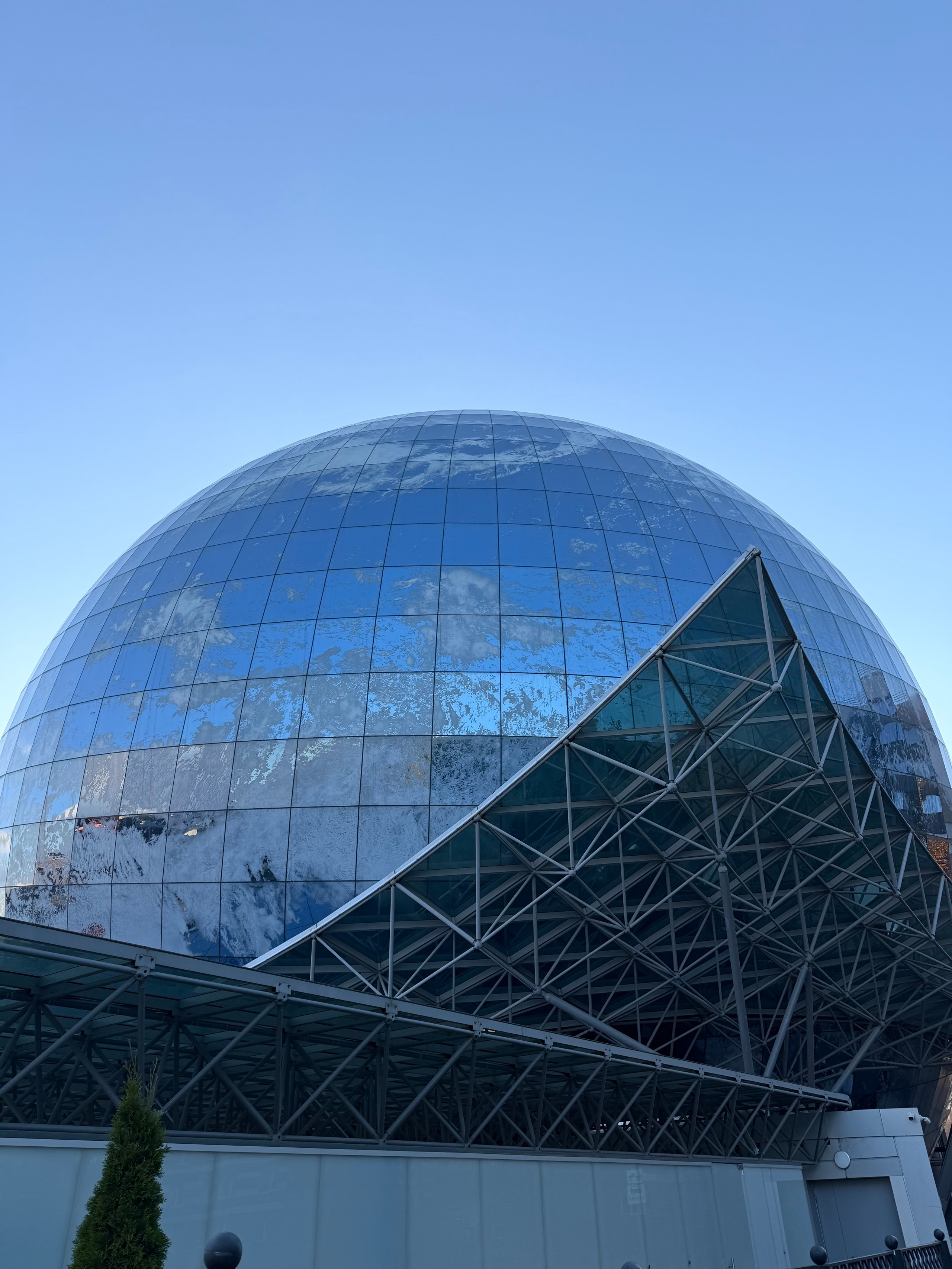
The Museum of the World Ocean in Kaliningrad is a whole complex of buildings and ships. A new building, Planet Ocean, opened here in 2025. That was the one I wanted to visit, but figuring out the tickets turned out to be tricky.
When I was buying my ticket, sales opened on Mondays and tickets were already sold out by Tuesday. I managed to book the “Ocean: The Cradle of Life” tour on level 2. Levels 0 and 1 were open for self-guided visits, but my ticket didn’t include levels 4, 6 or 7 — those required different tours. The building itself is opening in stages, so it’s worth checking which spaces your chosen tour covers before buying a ticket.
My tour started at 2:30 p.m. Until then, I decided to explore as many ships as I could. Luckily, there was a combined ticket for them, and there were hardly any visitors on board.
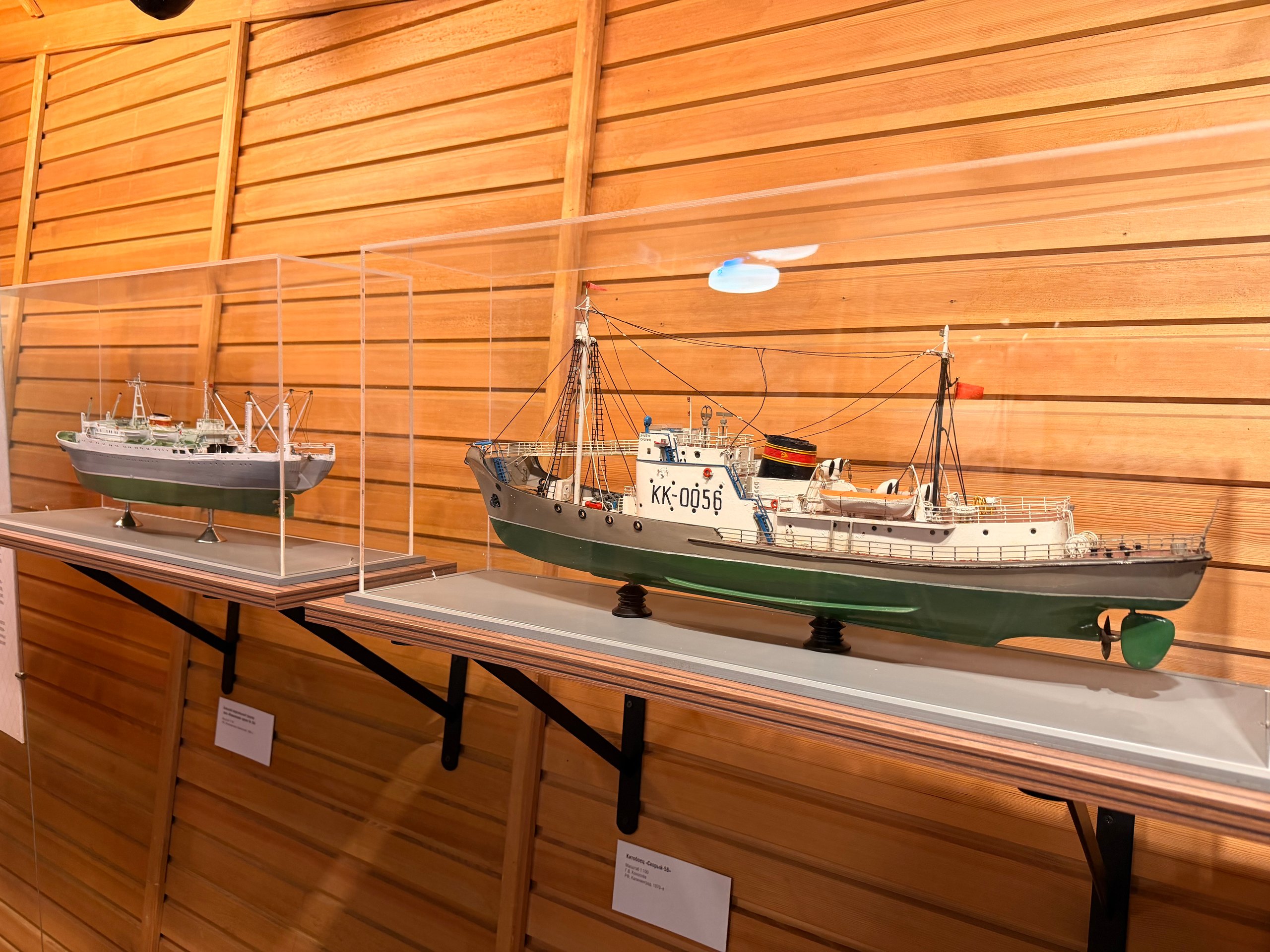
SRT-129
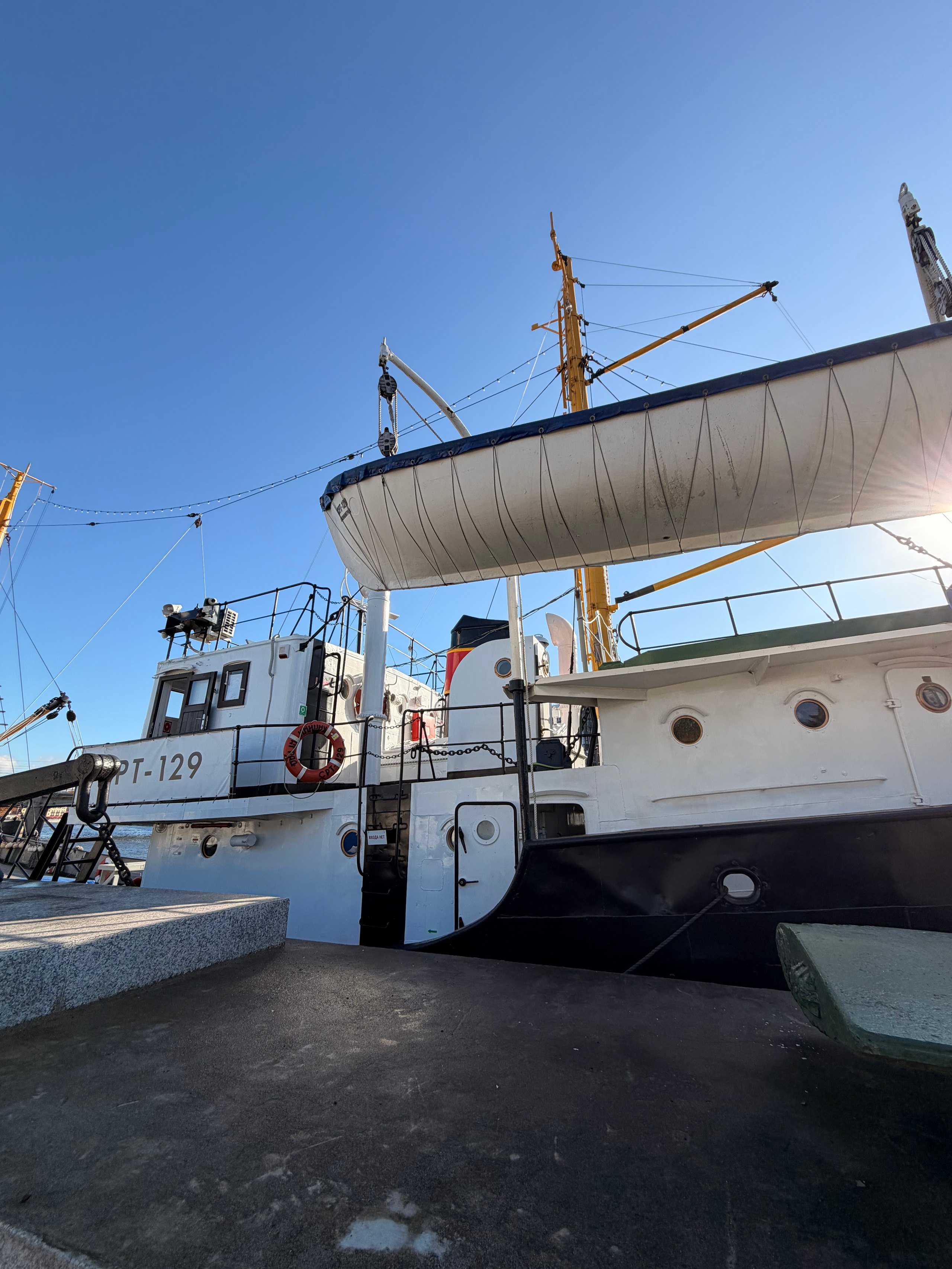
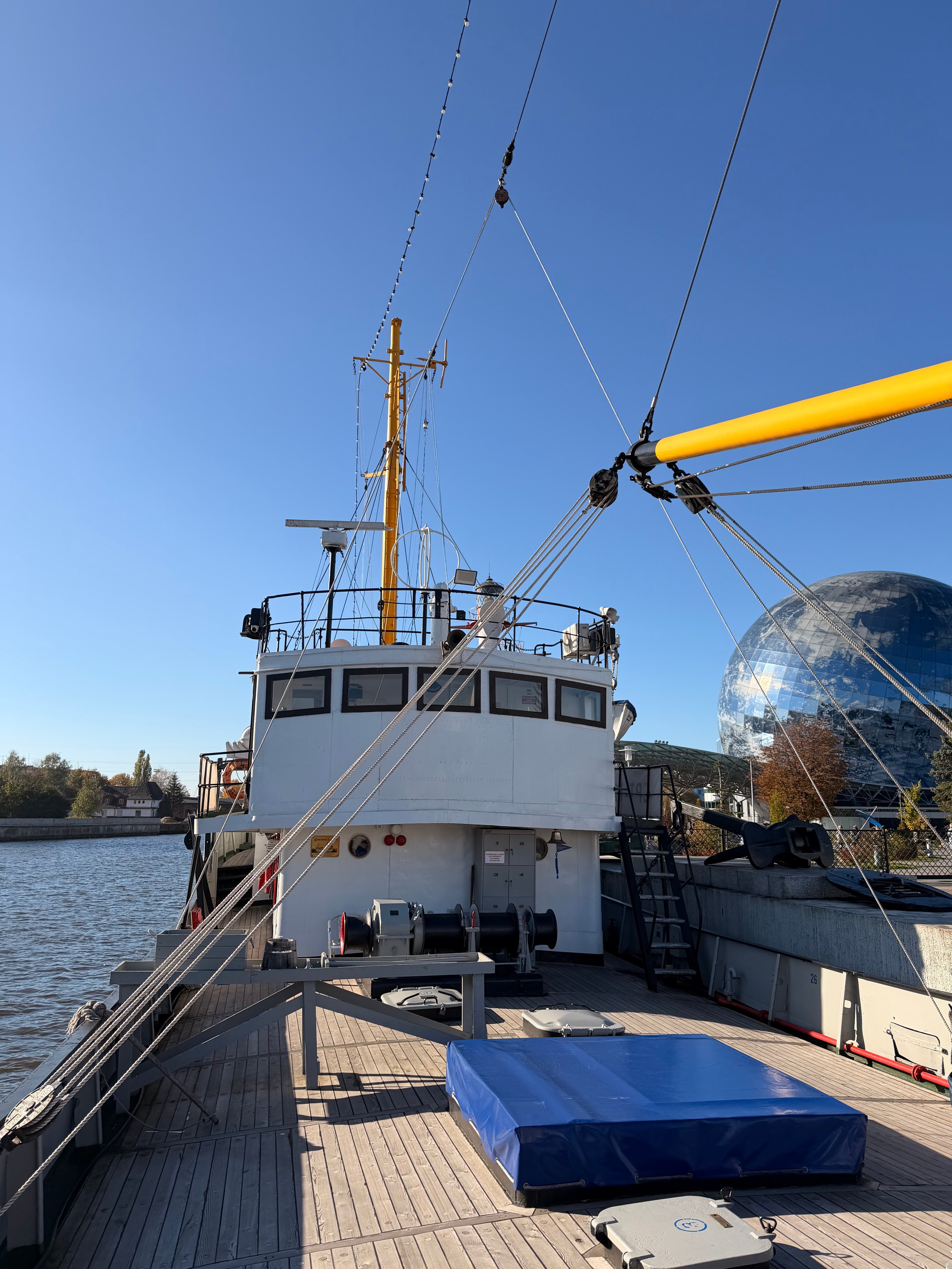
The medium fishing trawler SRT-129 was built in East Germany in 1950. It was transferred to the Museum of the World Ocean in 2007.
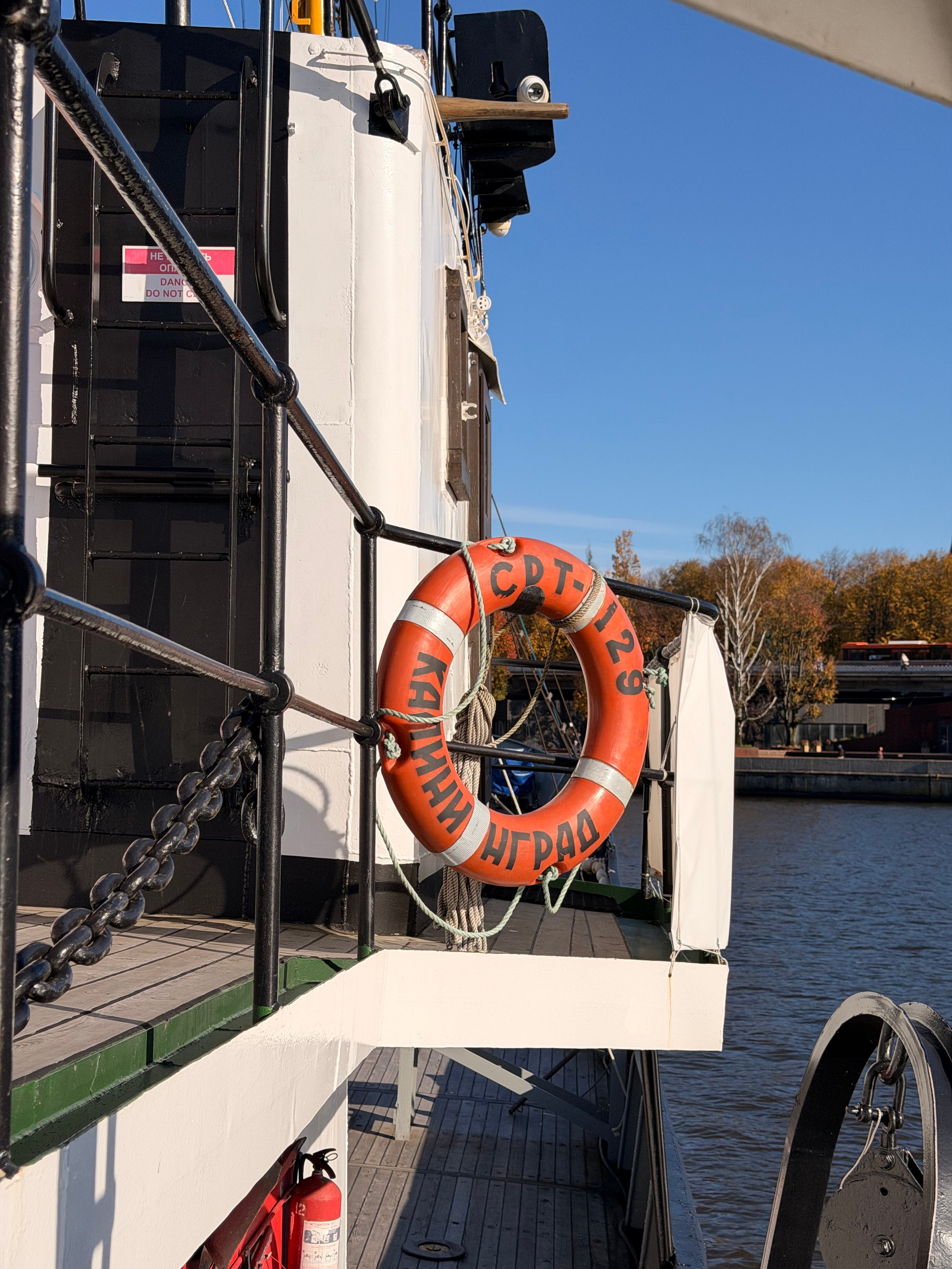
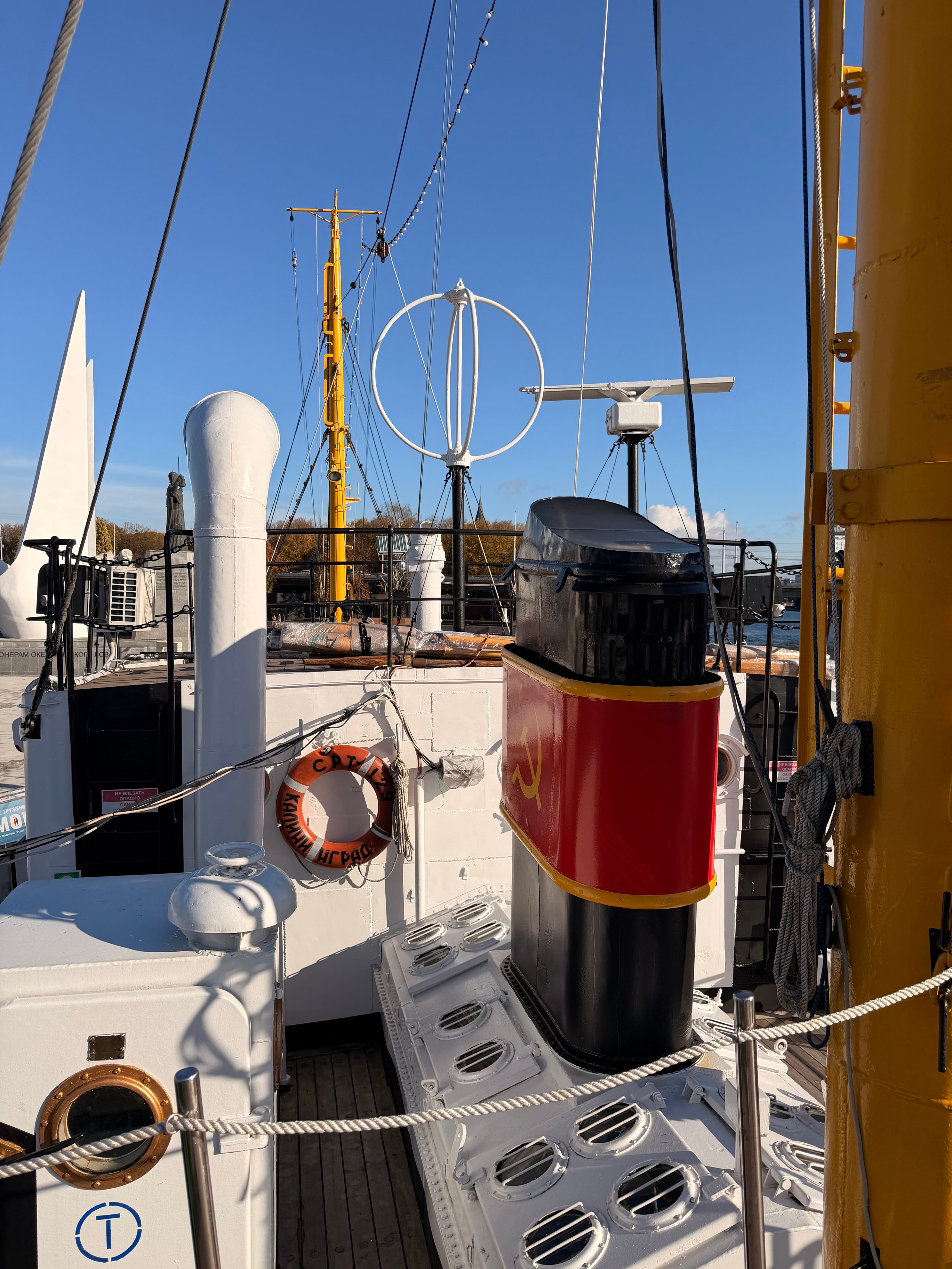
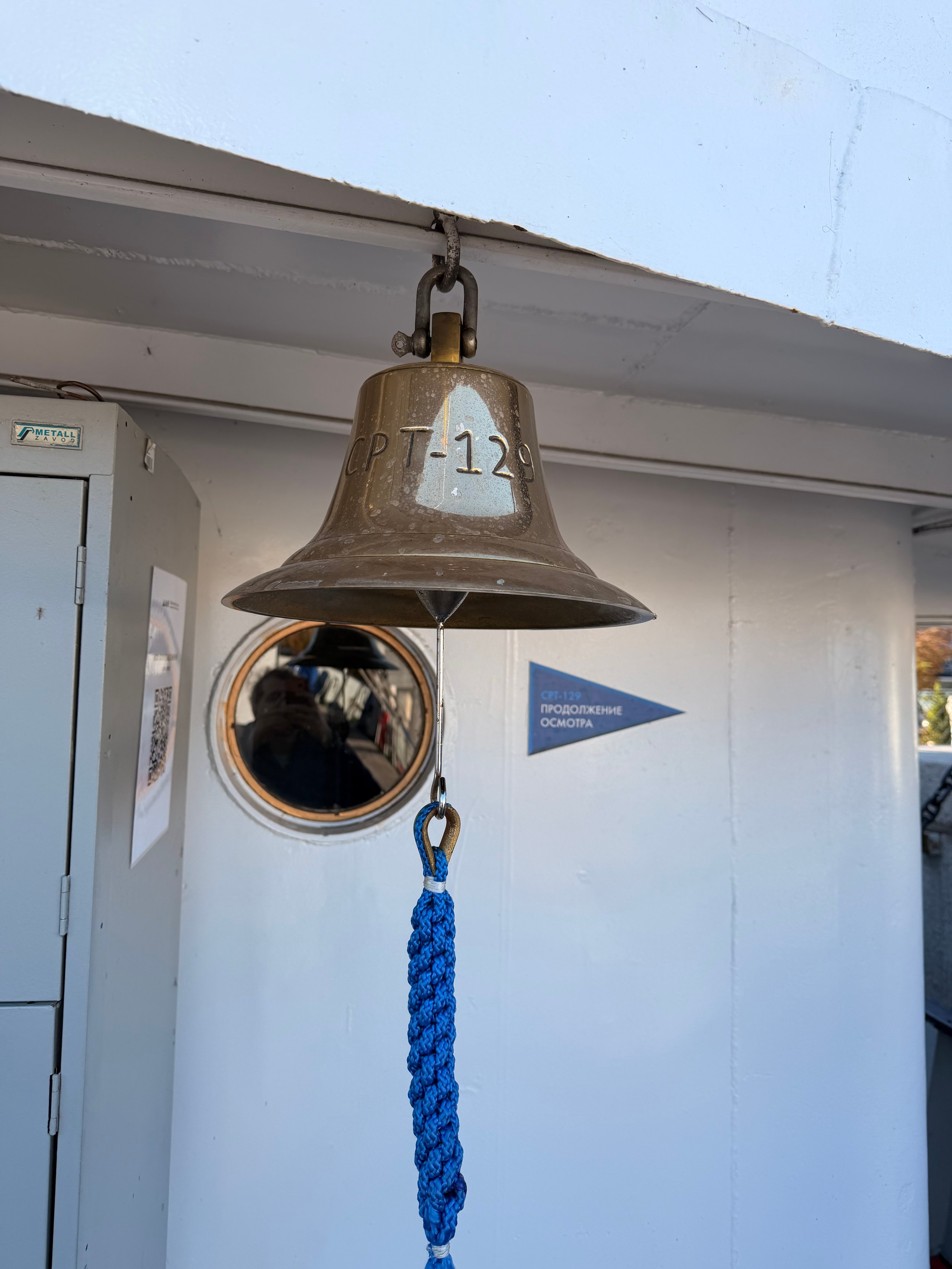
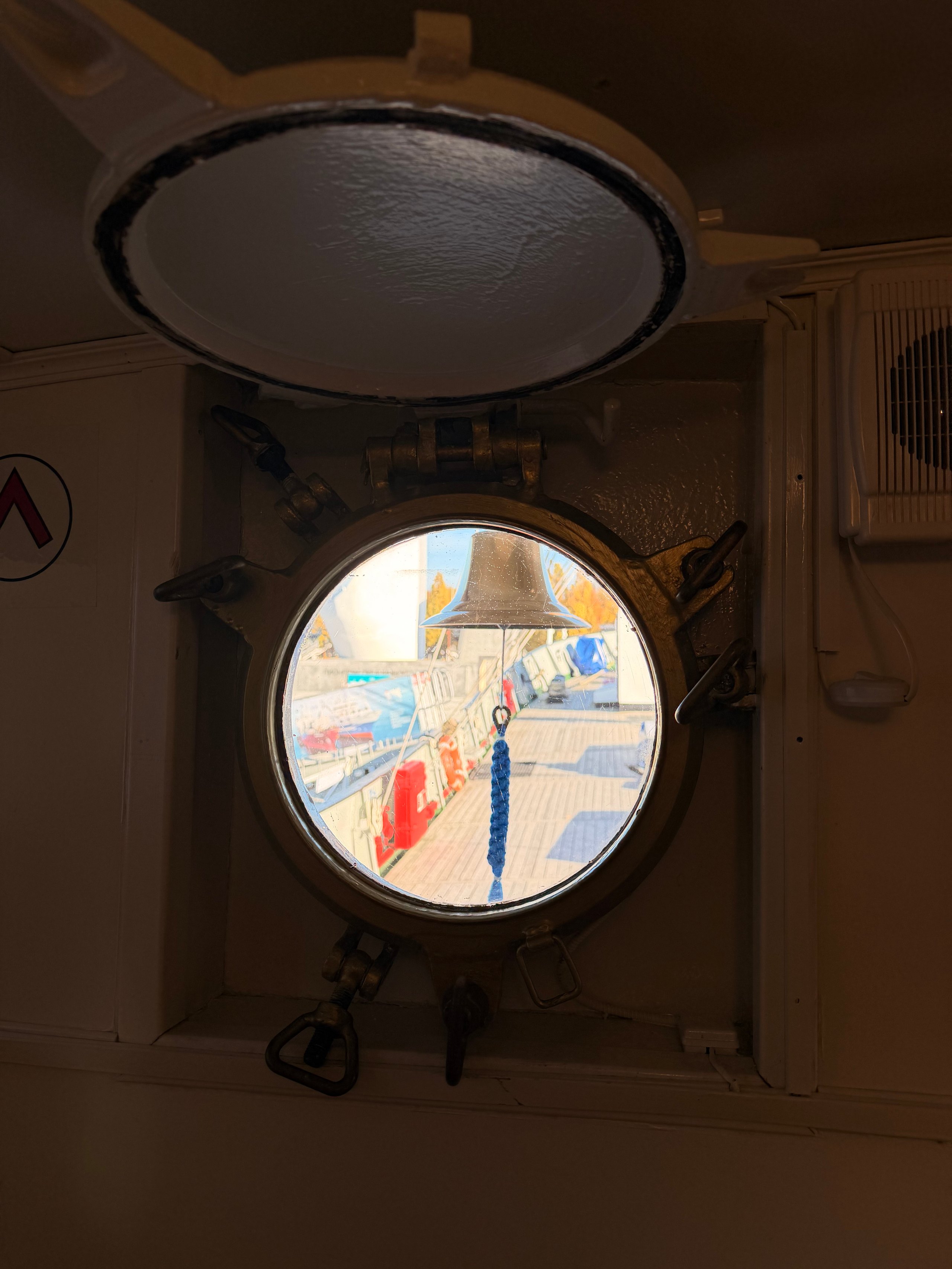
Inside, the interiors take you back to that era.
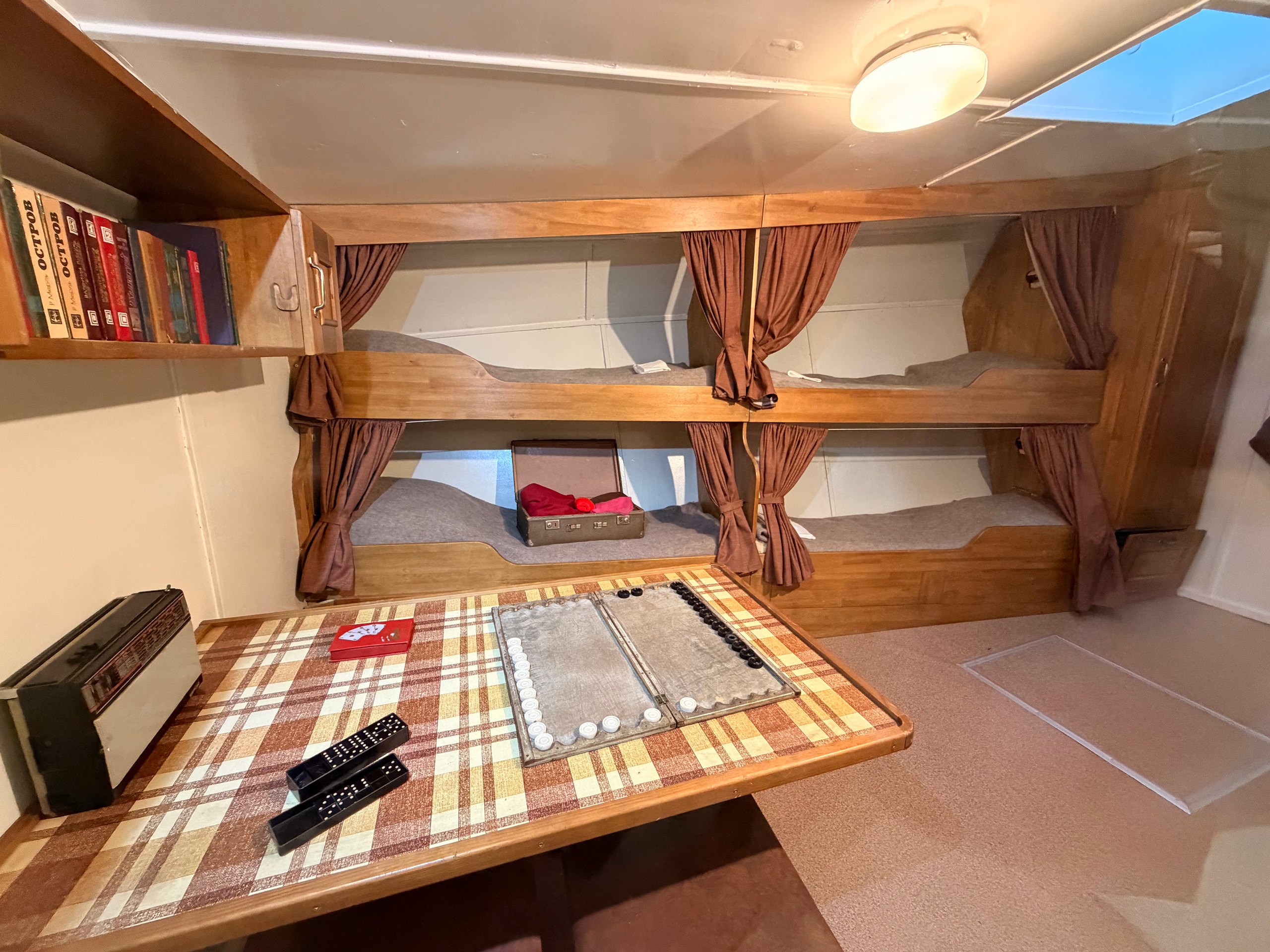
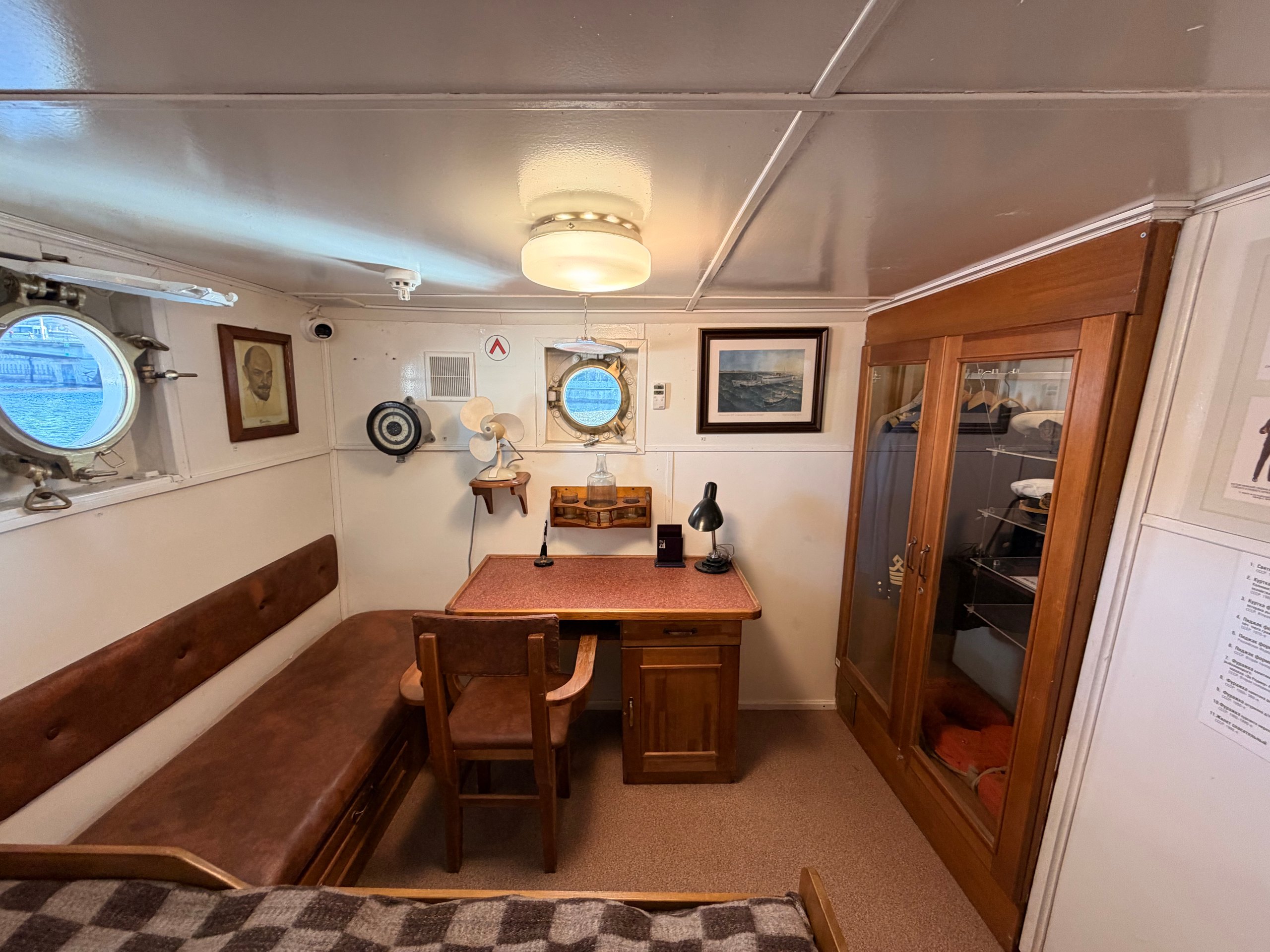
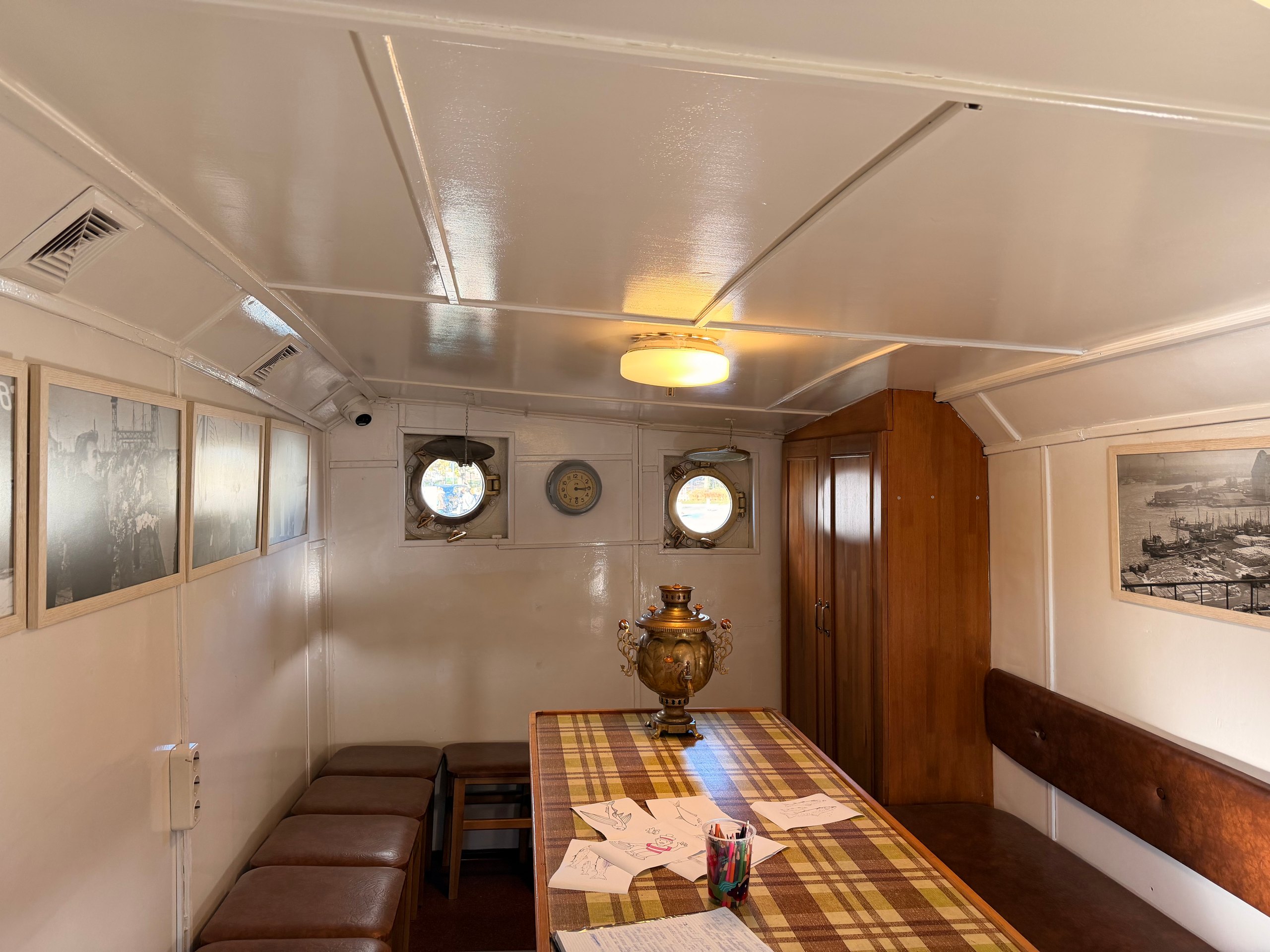
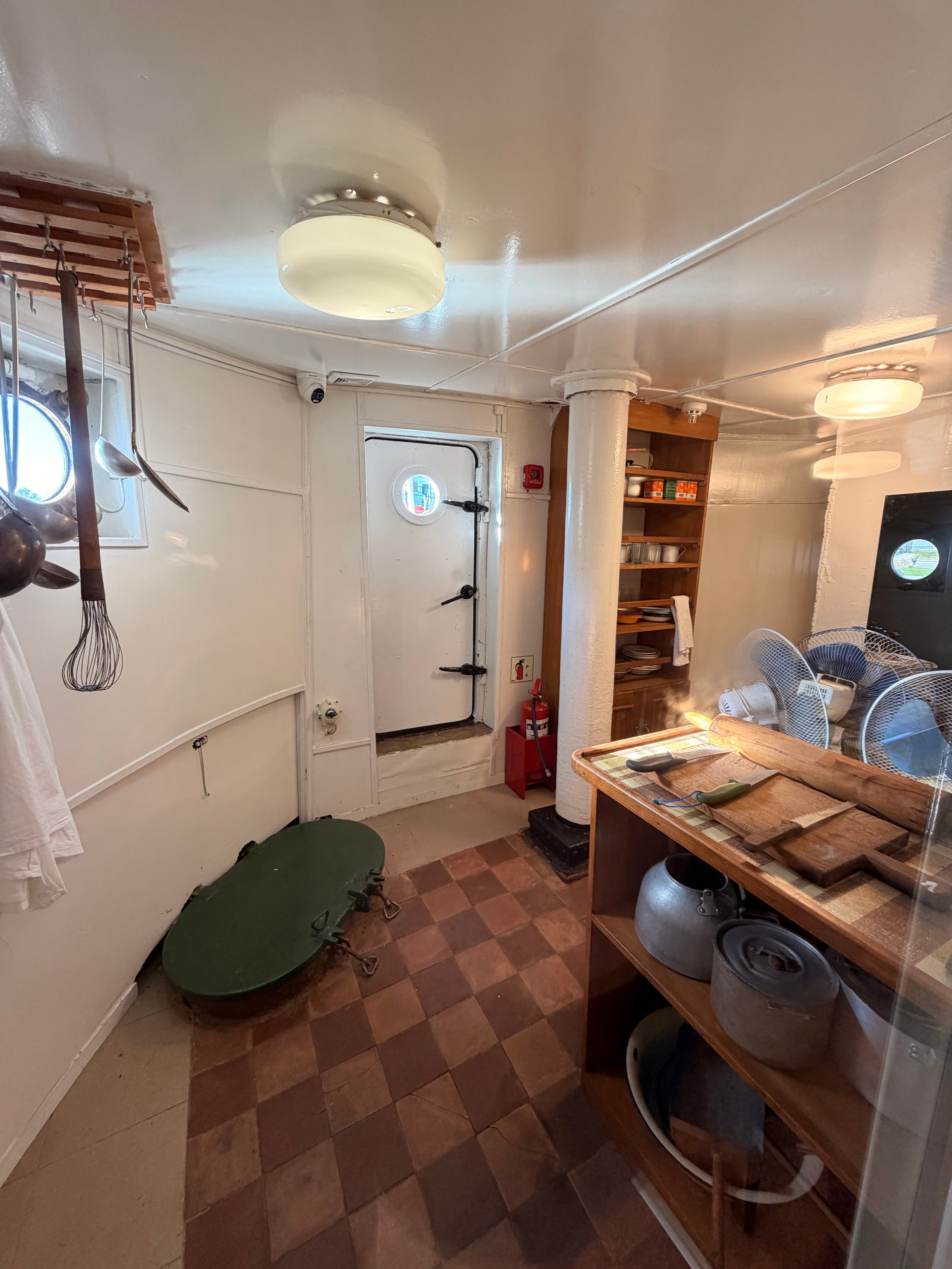
Fishing gear and equipment.
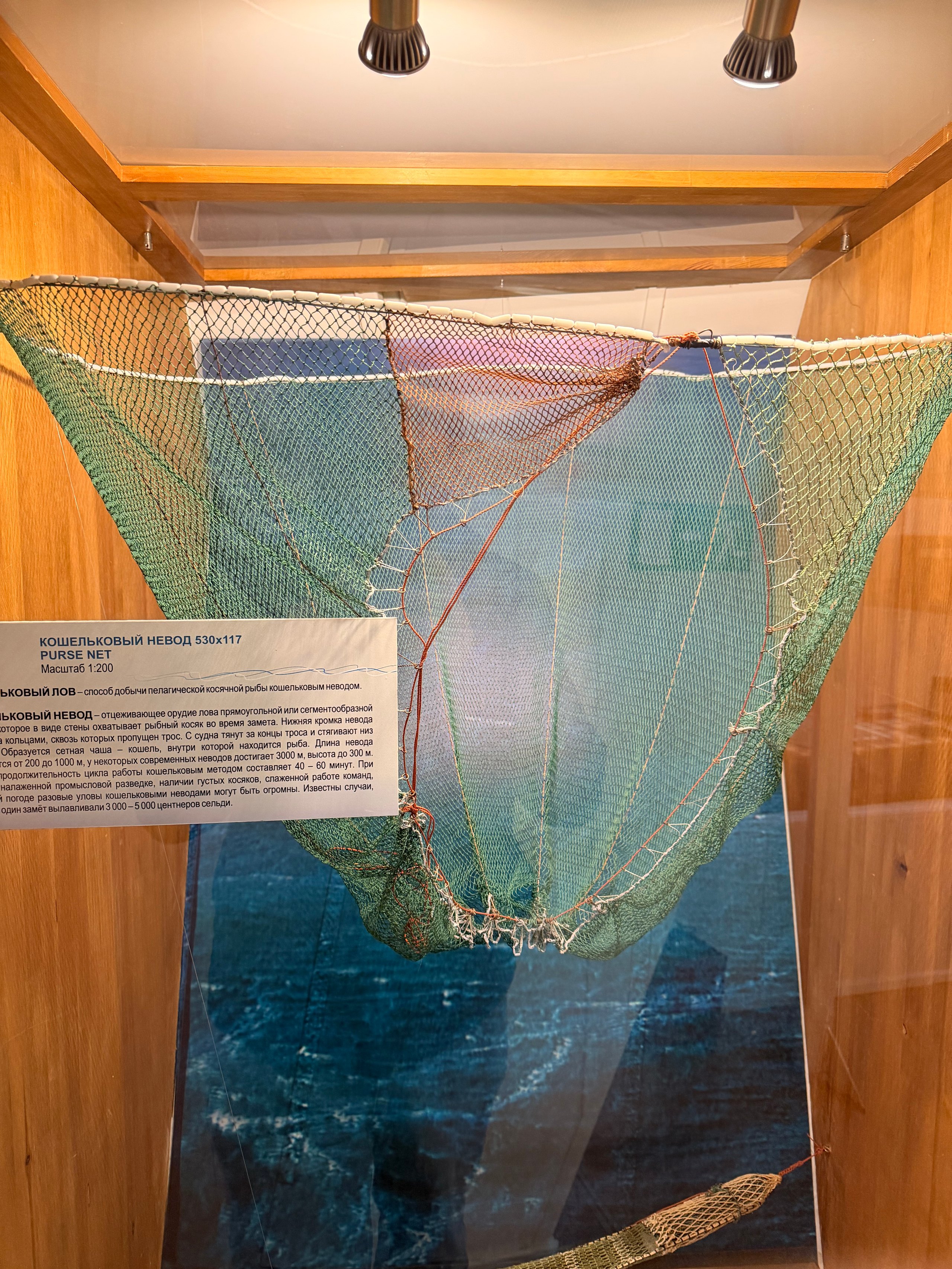
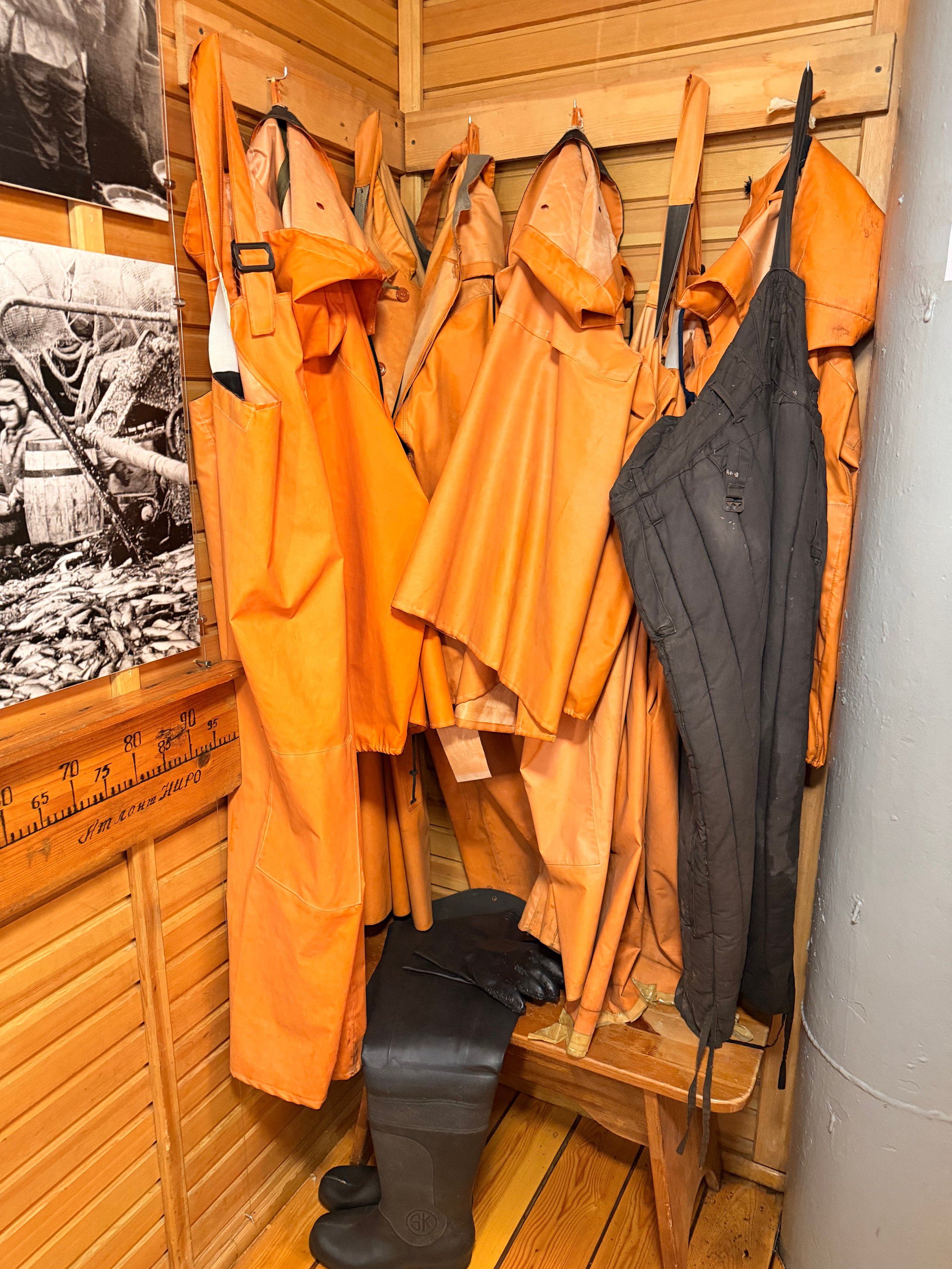
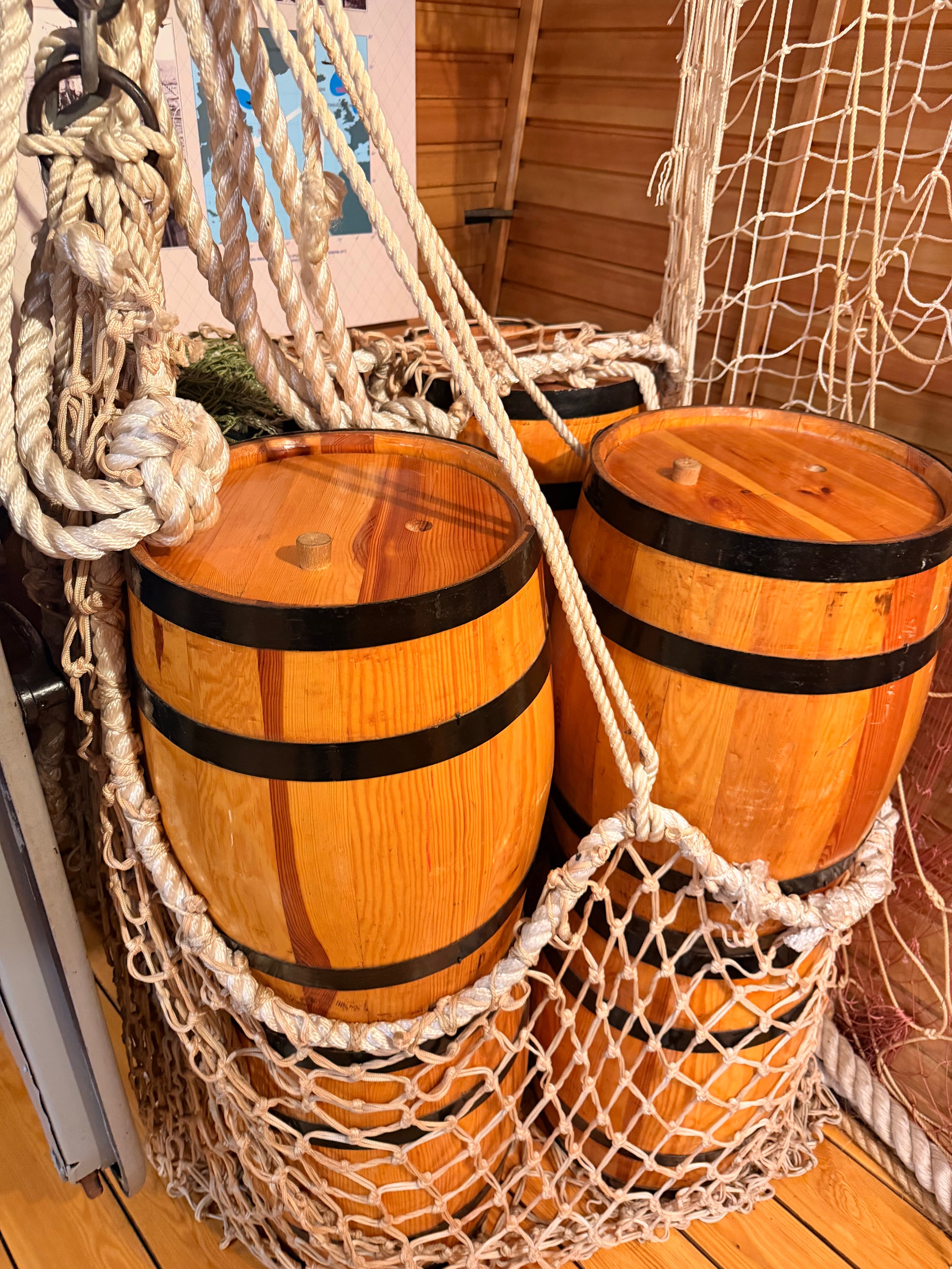
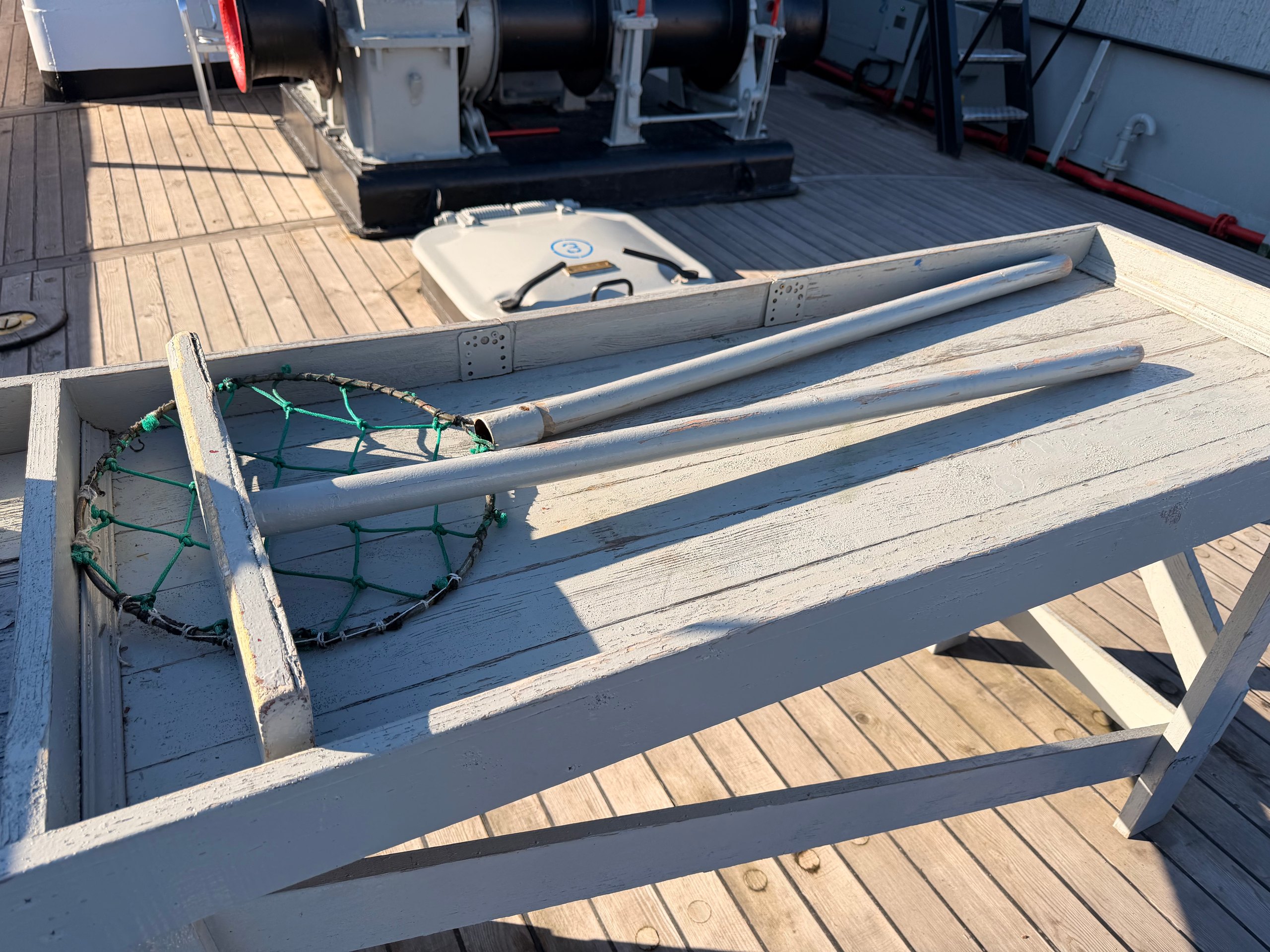
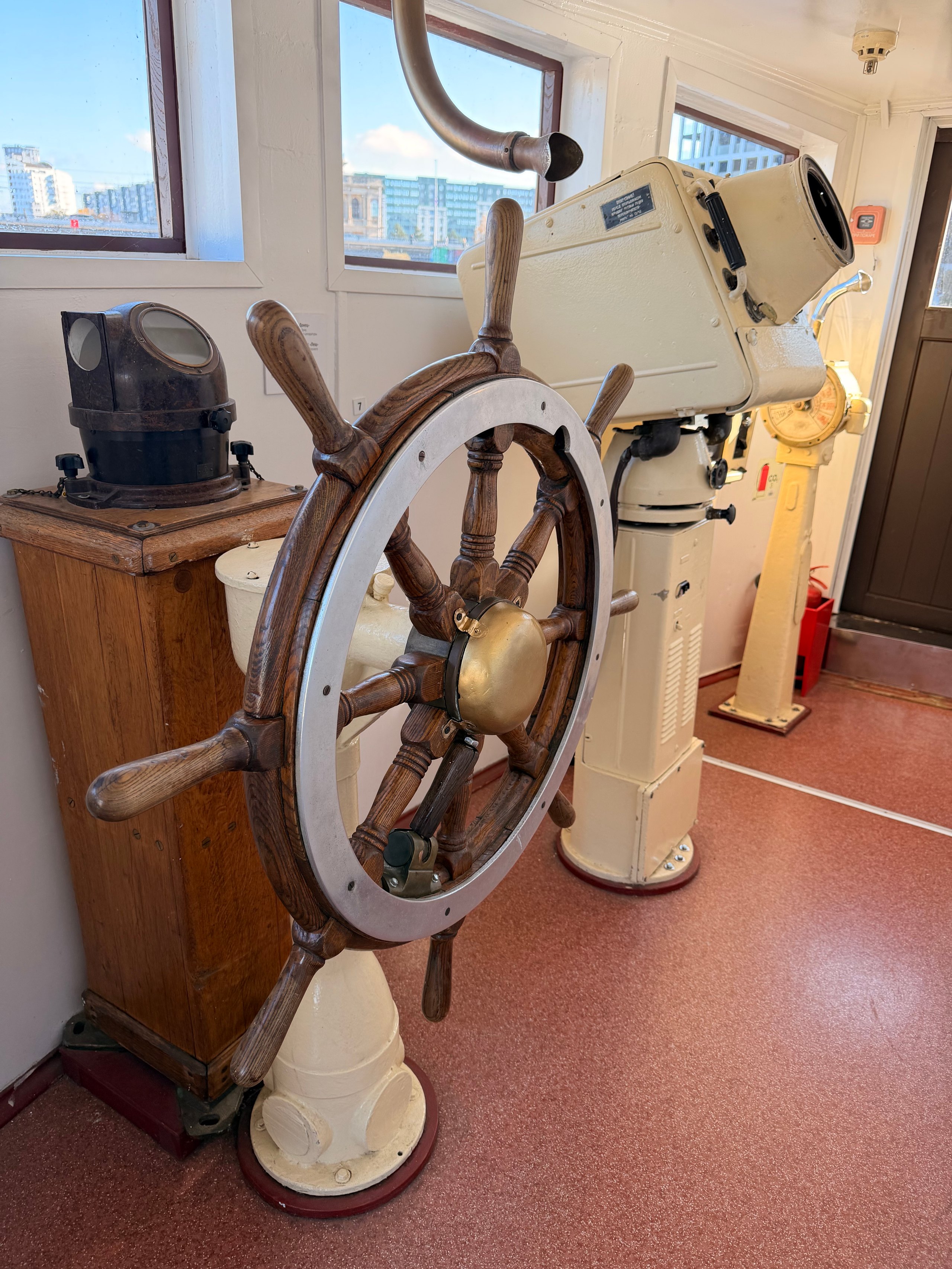
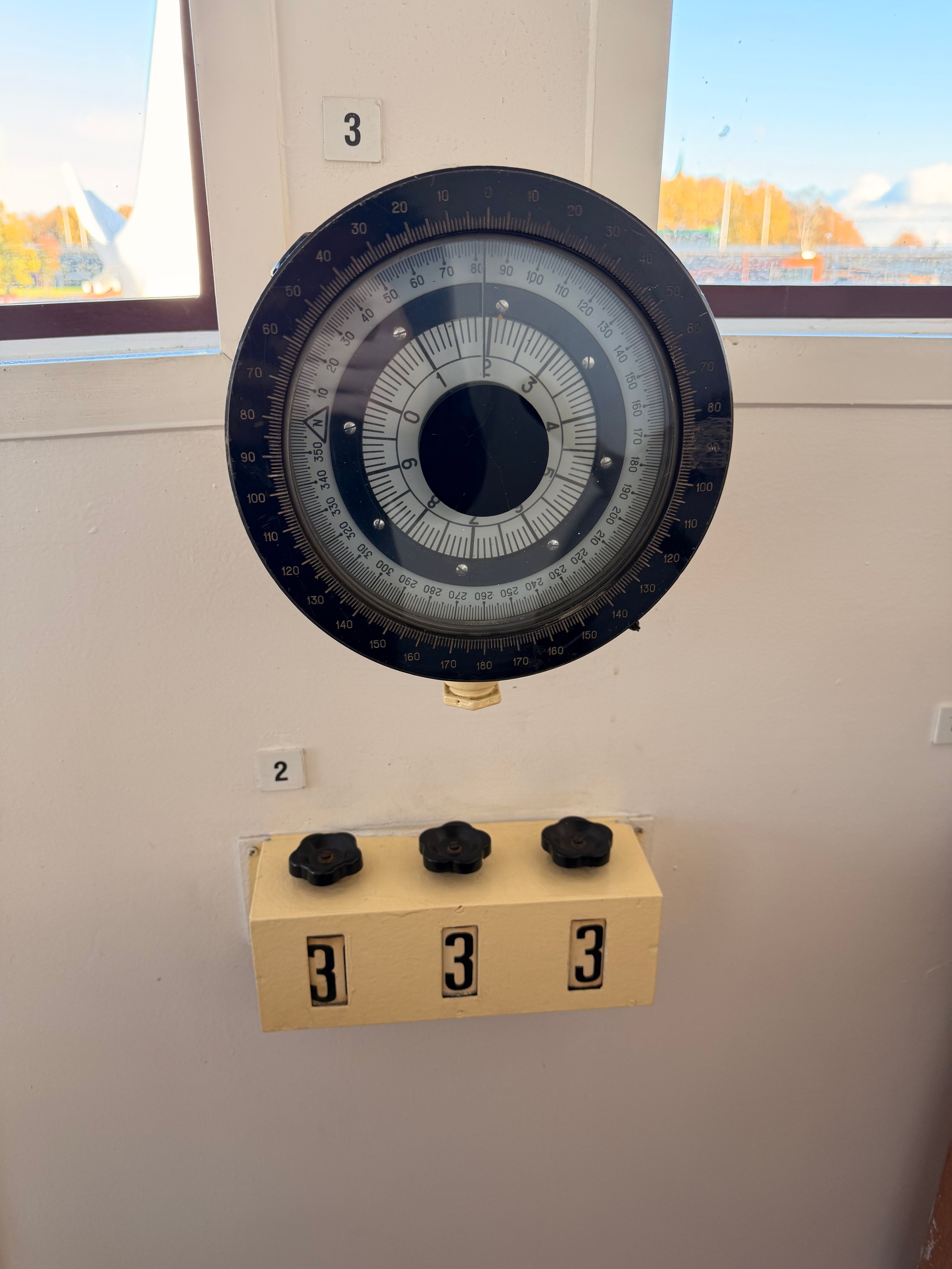
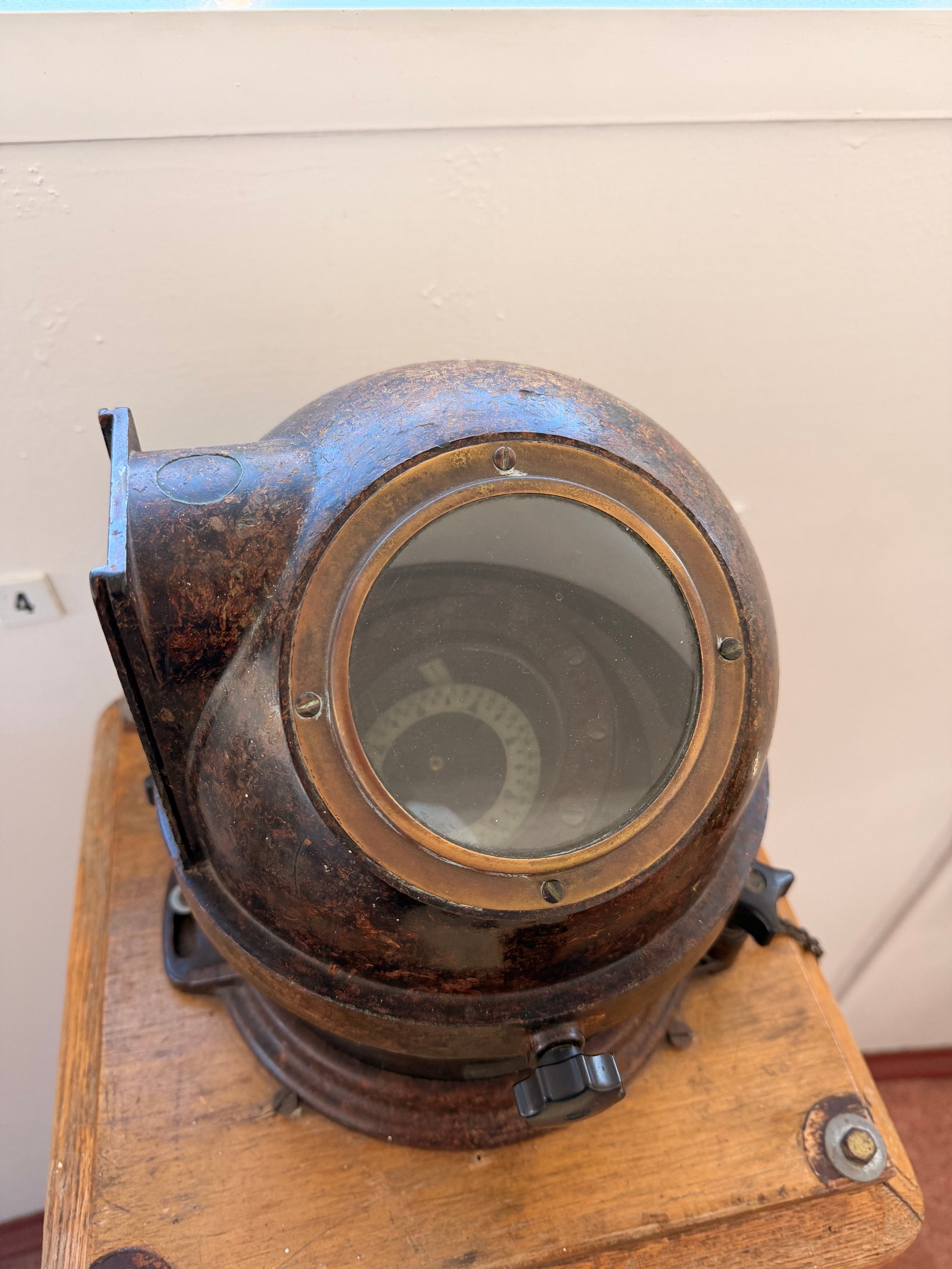
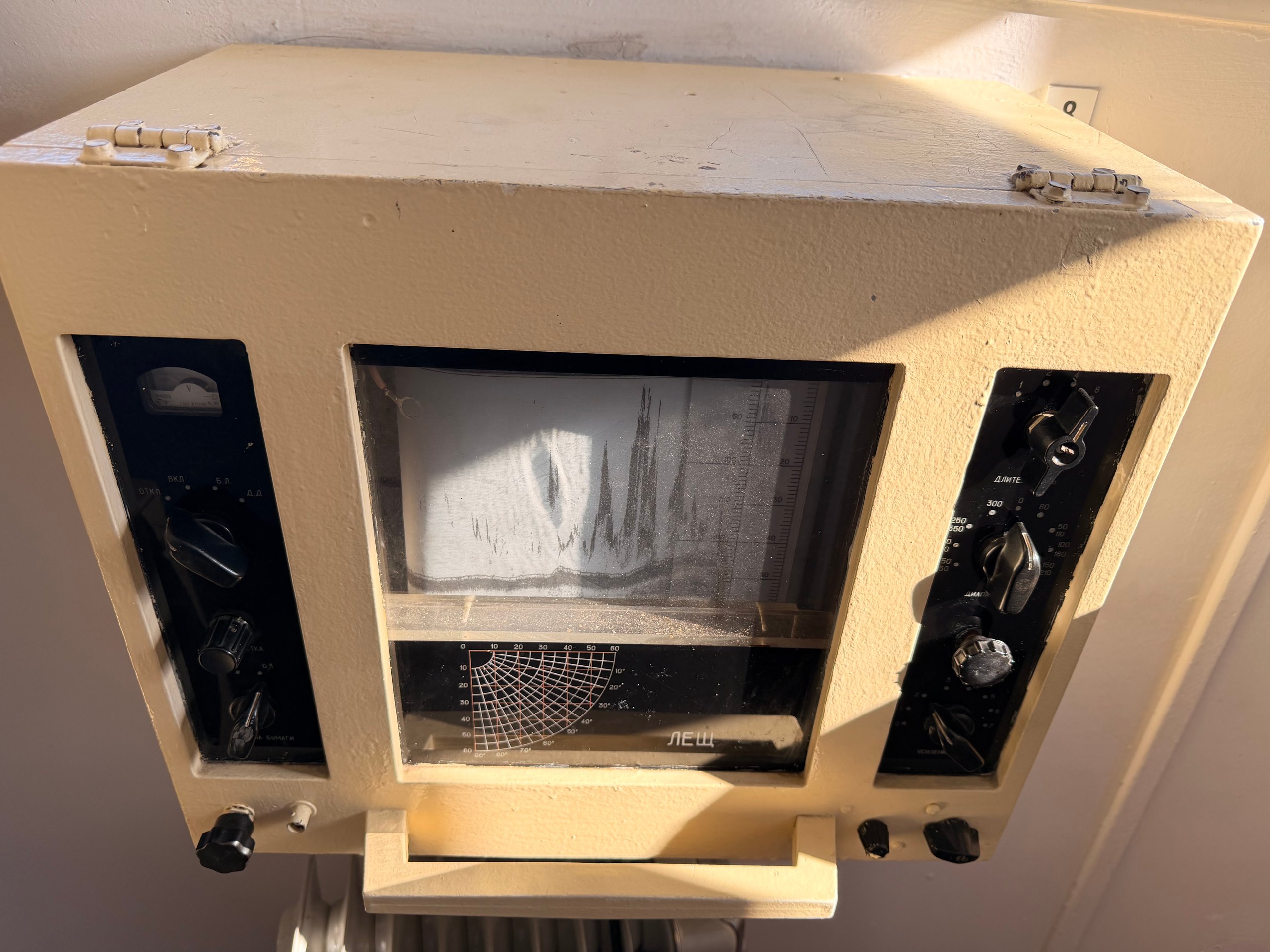
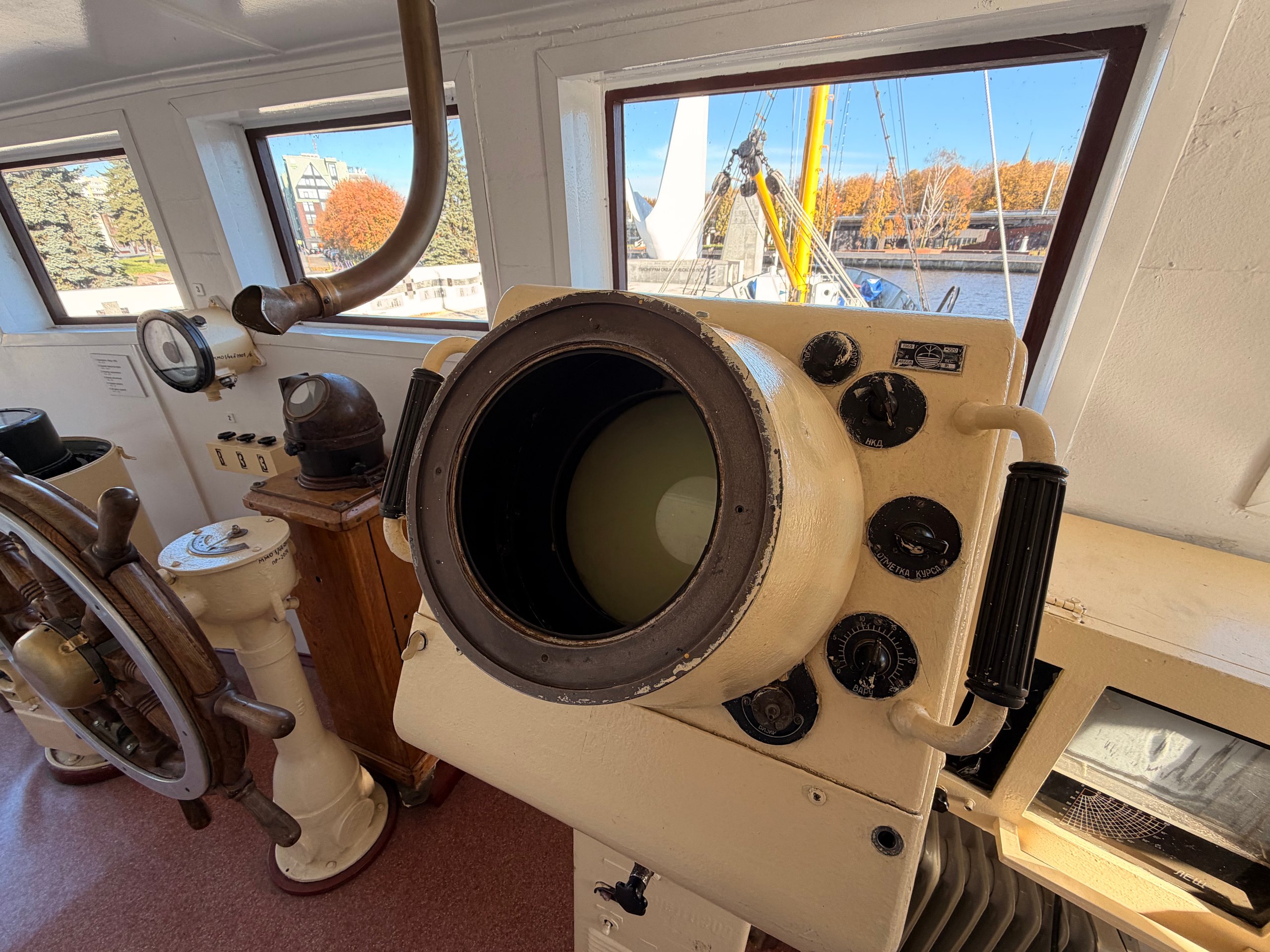
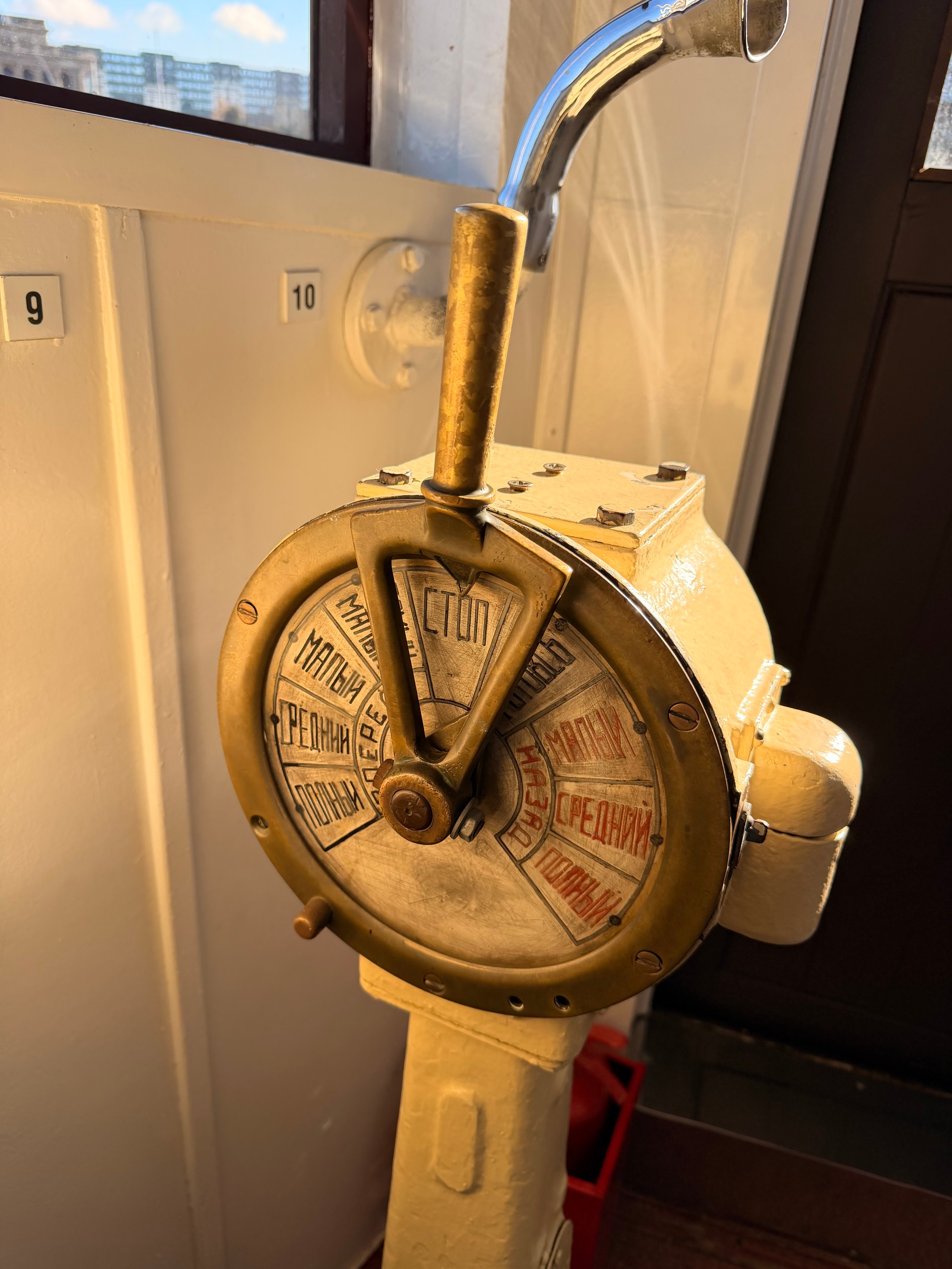
The bridge, with equipment for locating fish.
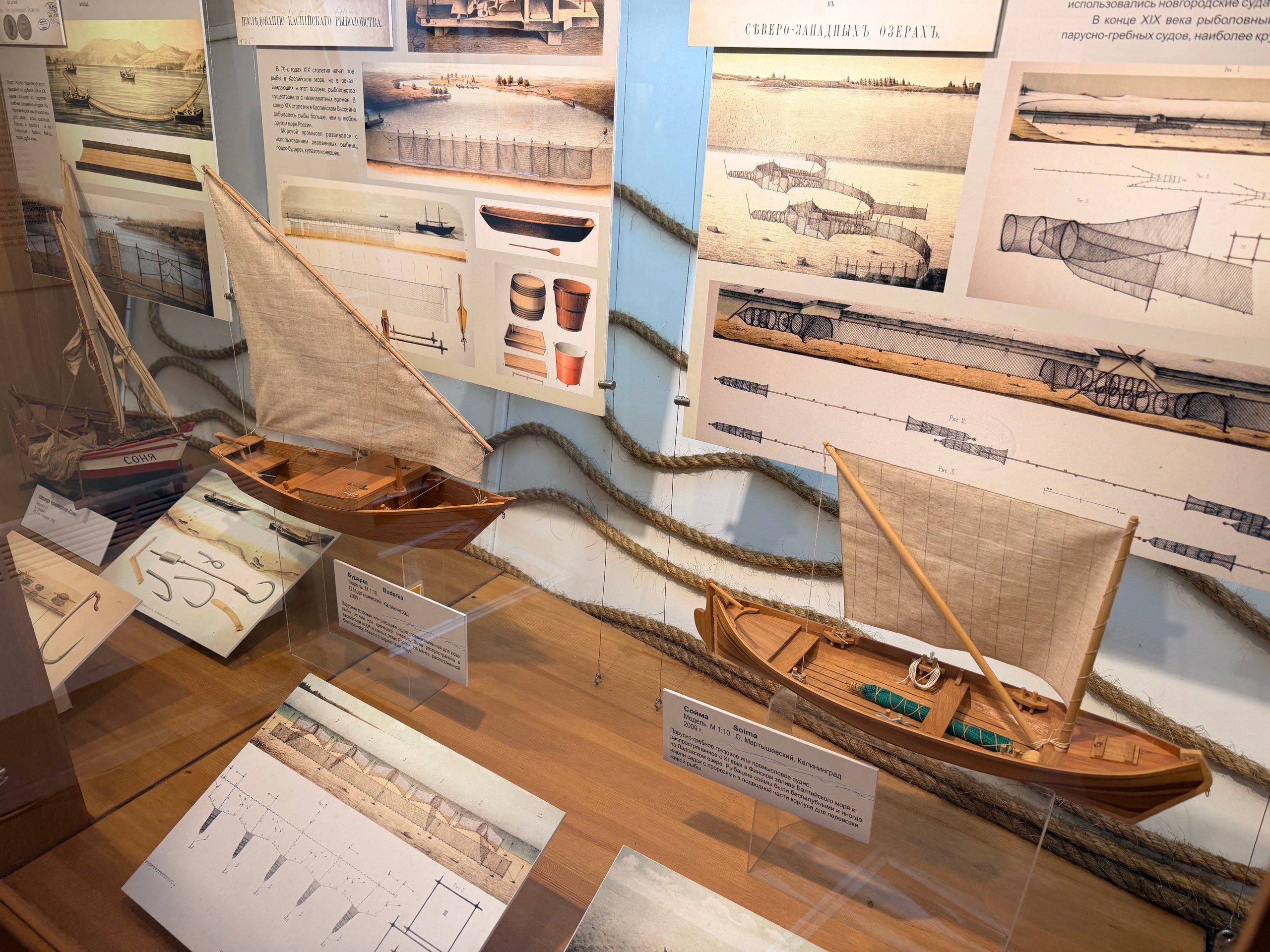
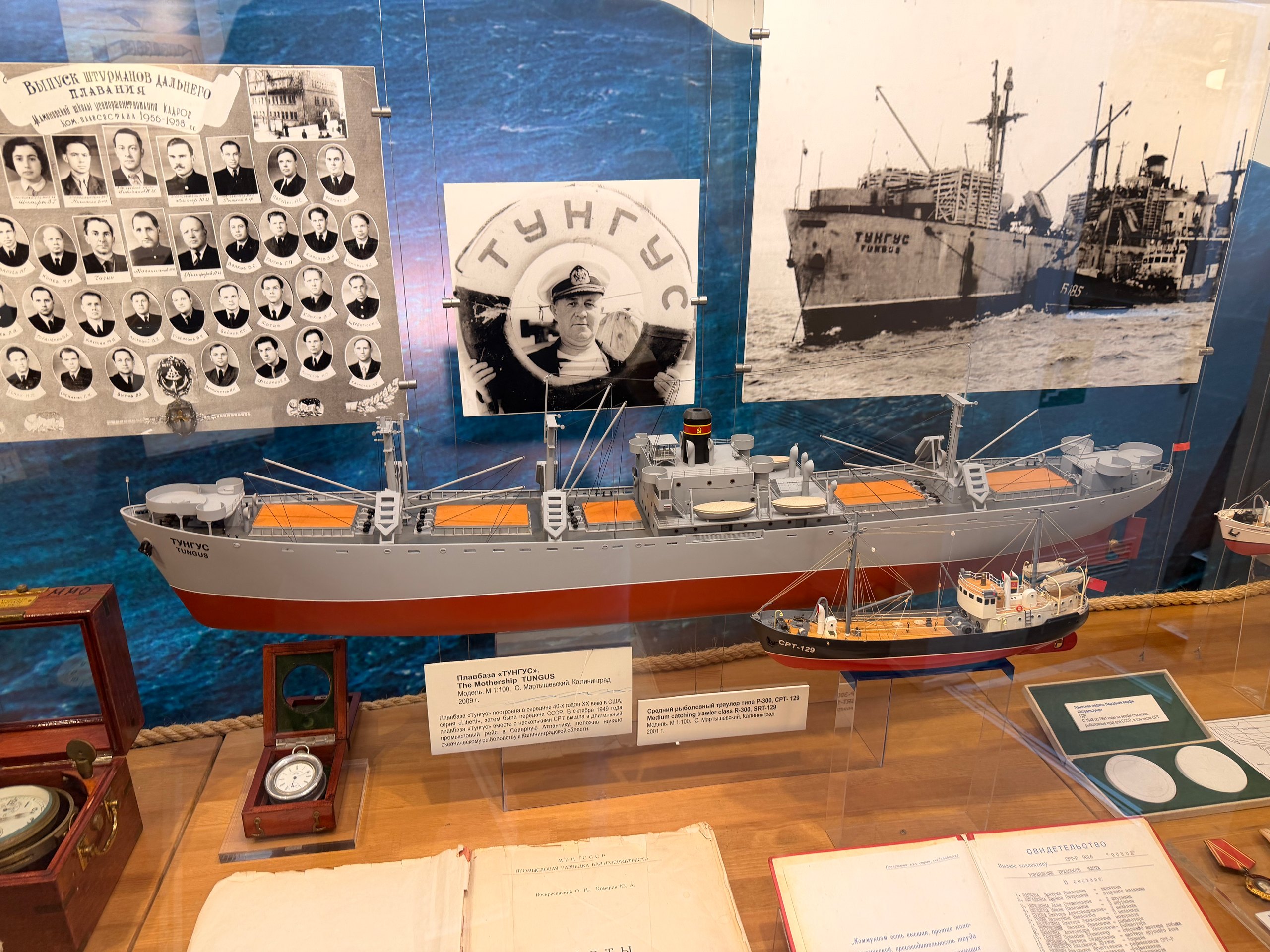
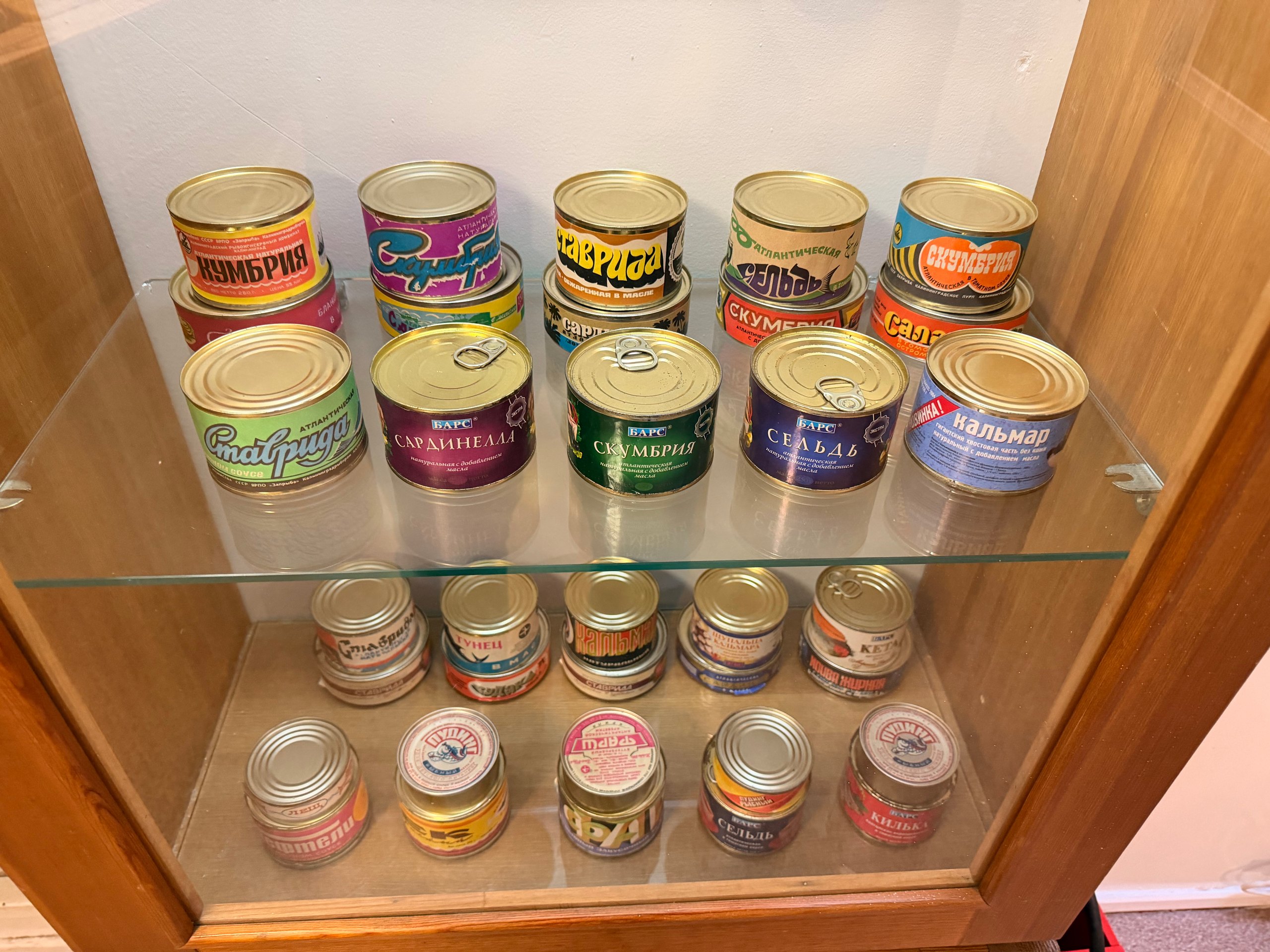
And, of course, an exhibition about fishing.
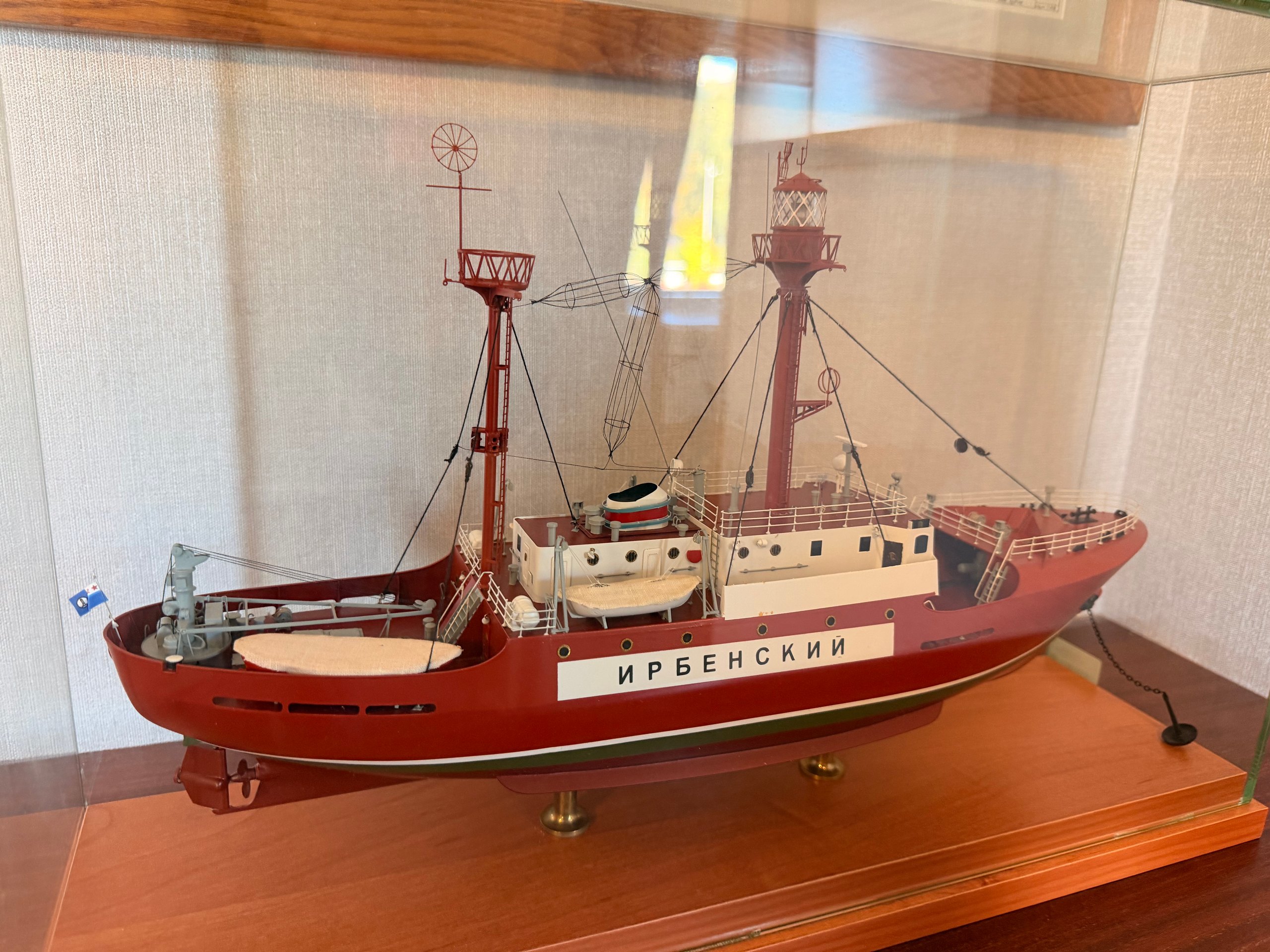
The Irbensky lightship
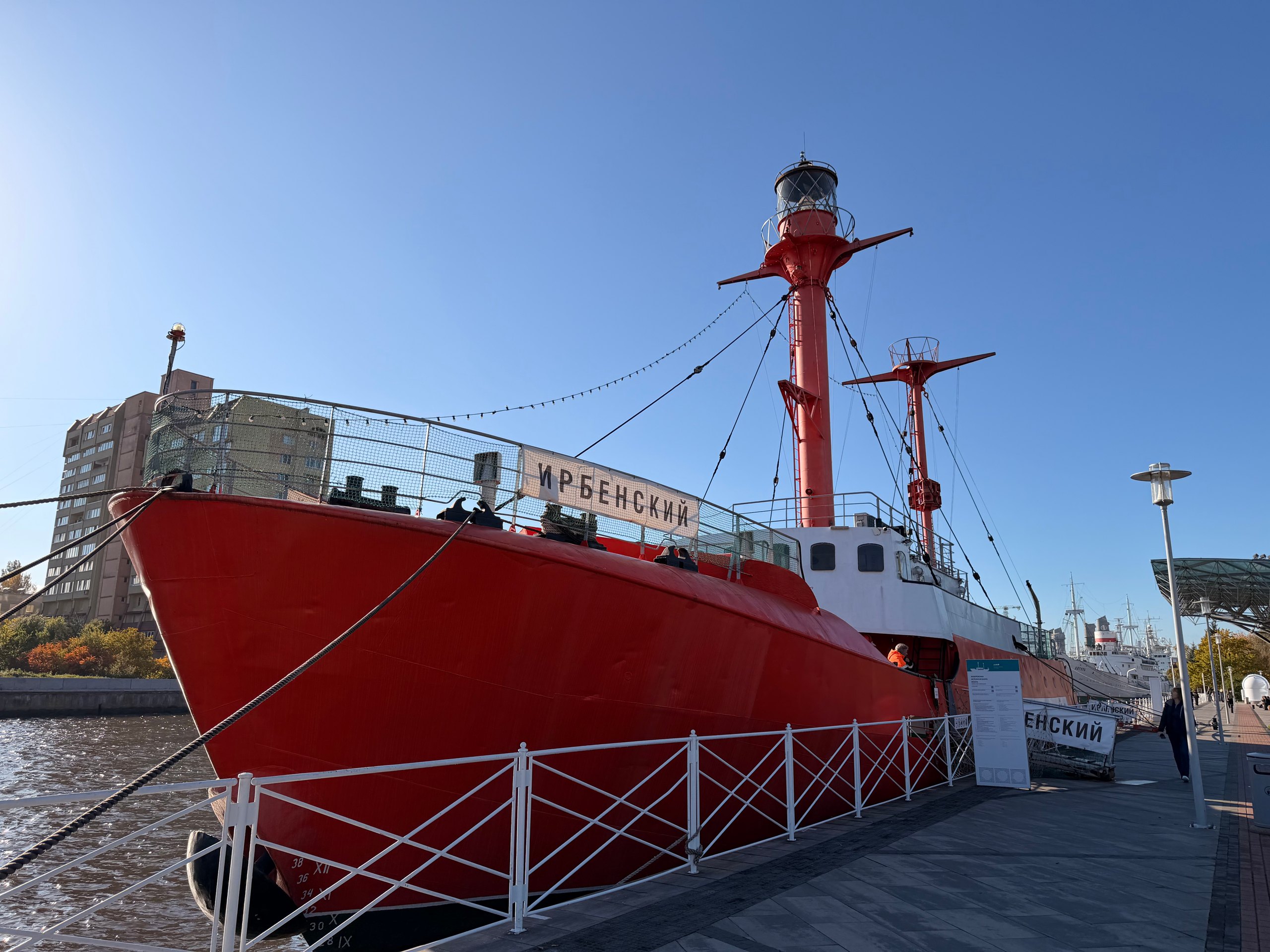
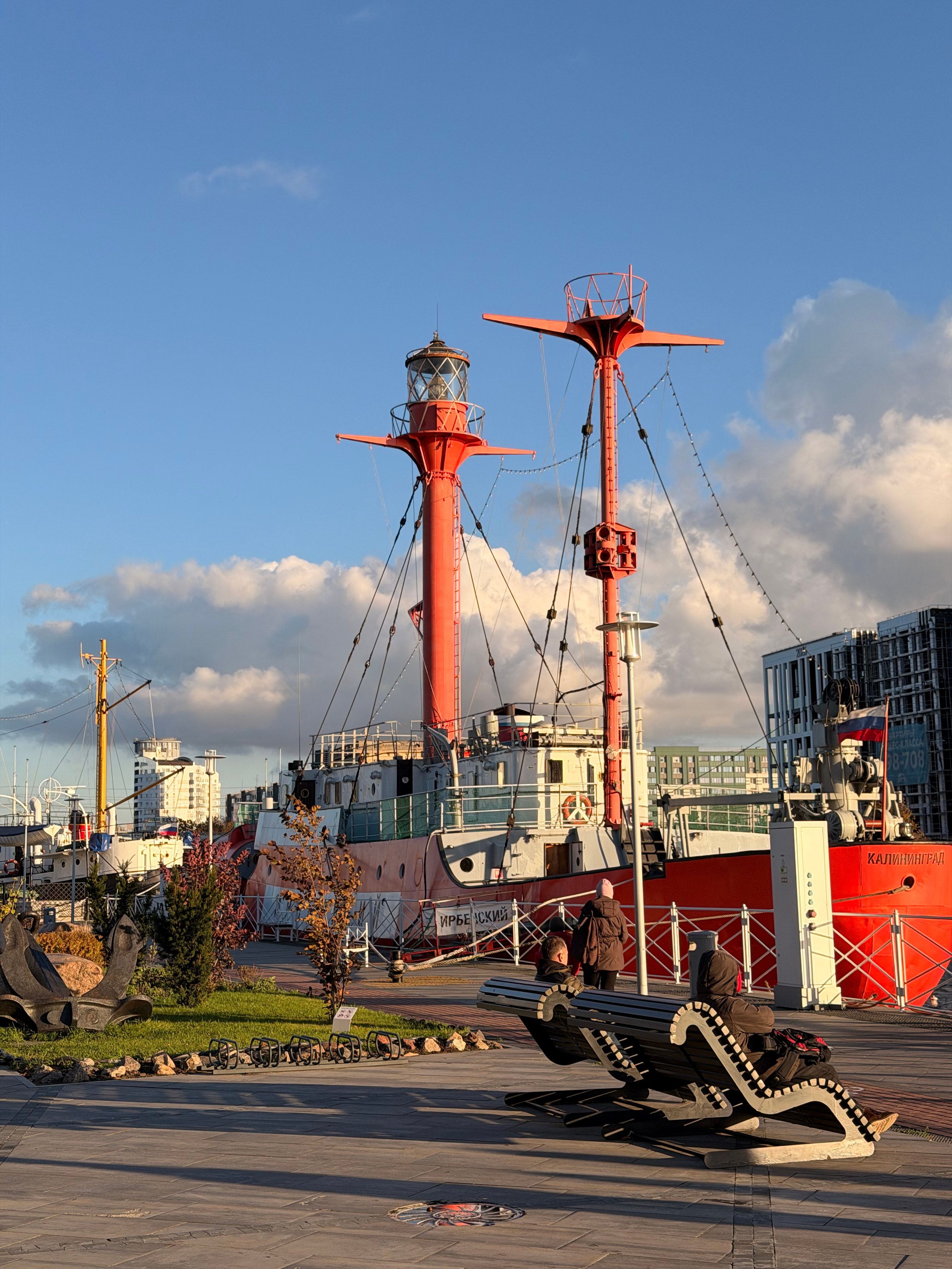
Irbensky was built in Finland in 1962. It’s one of the last surviving lightships. In 2017, it was brought to the museum’s waterfront in Kaliningrad.
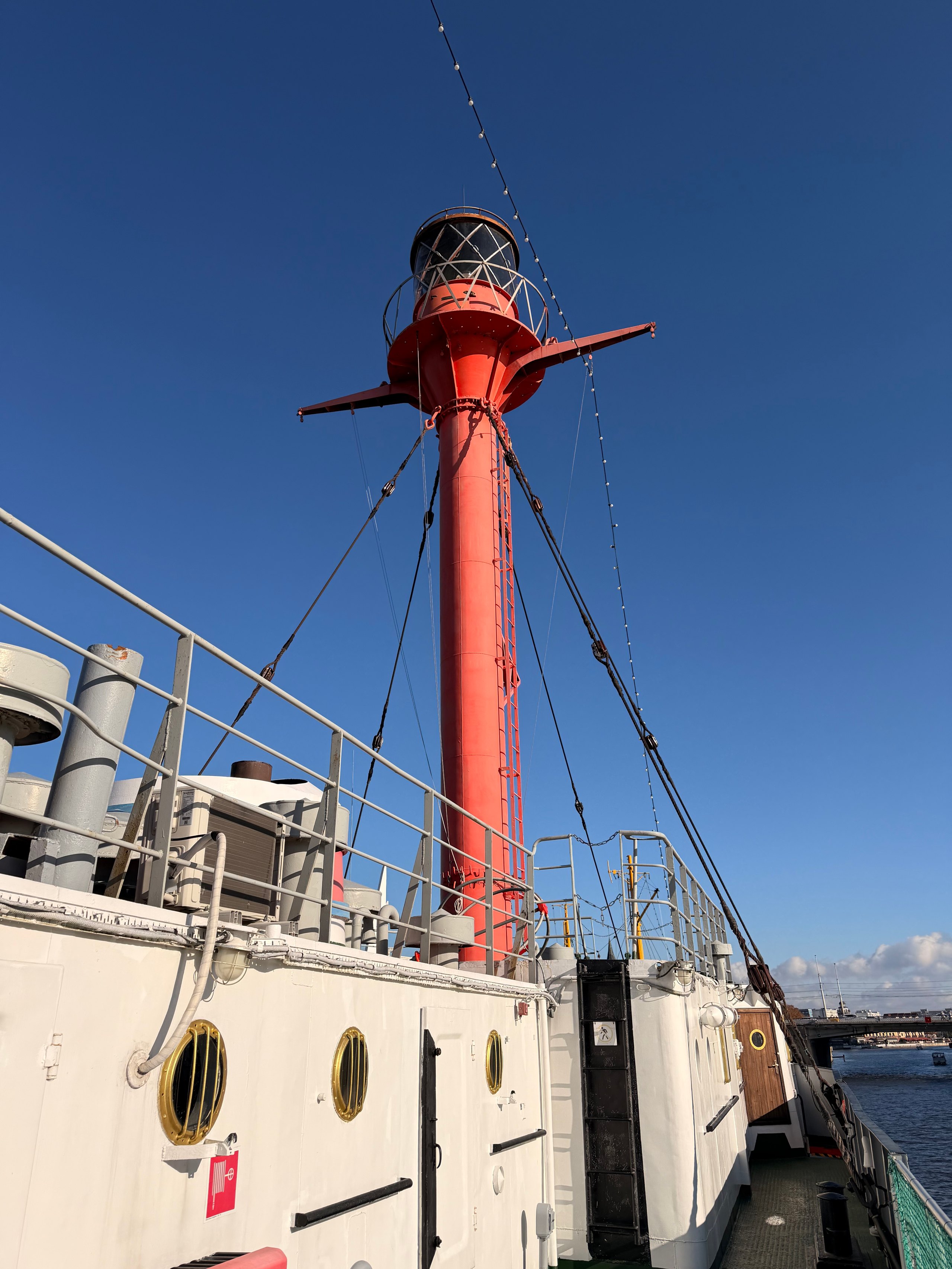
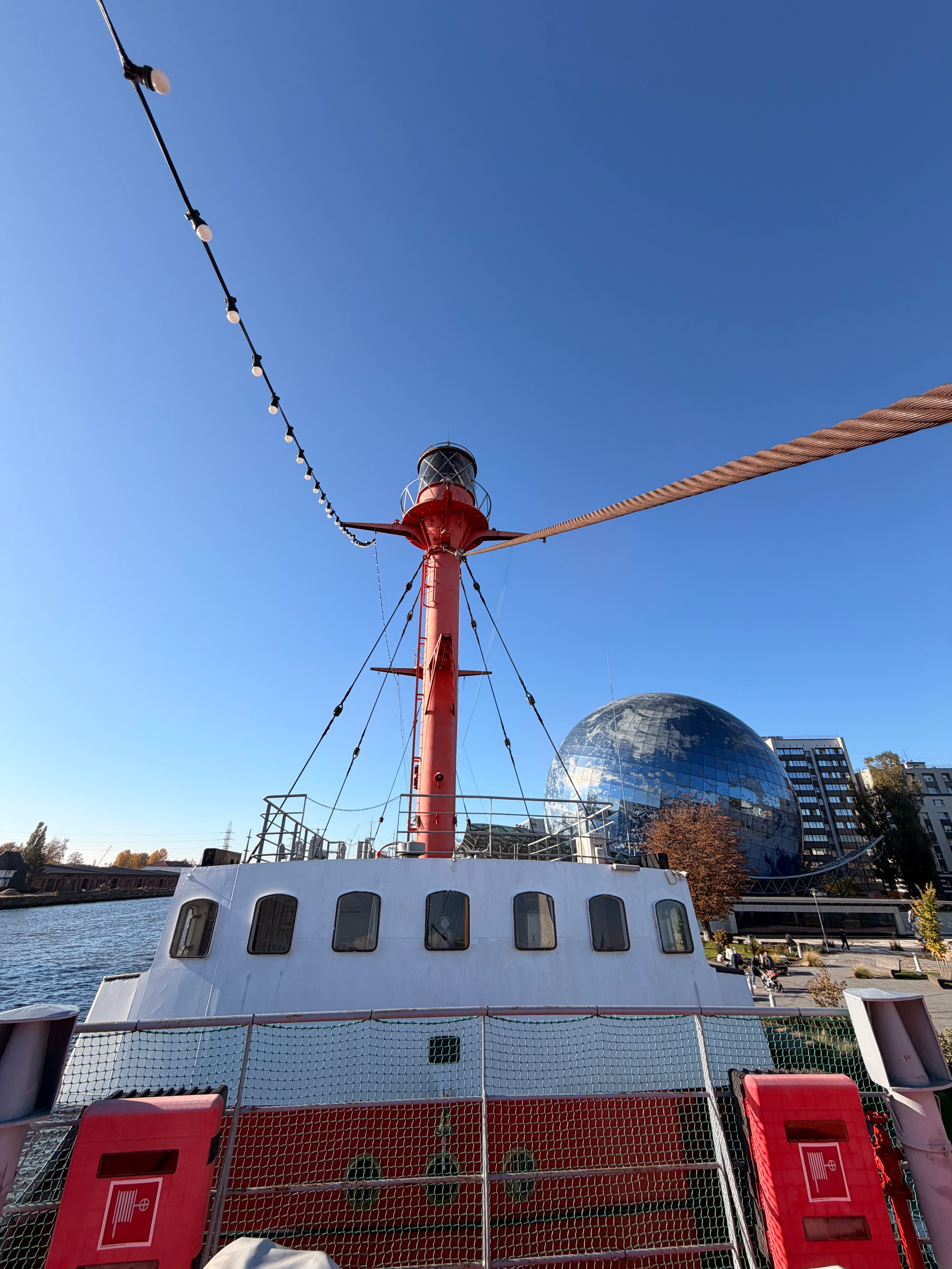
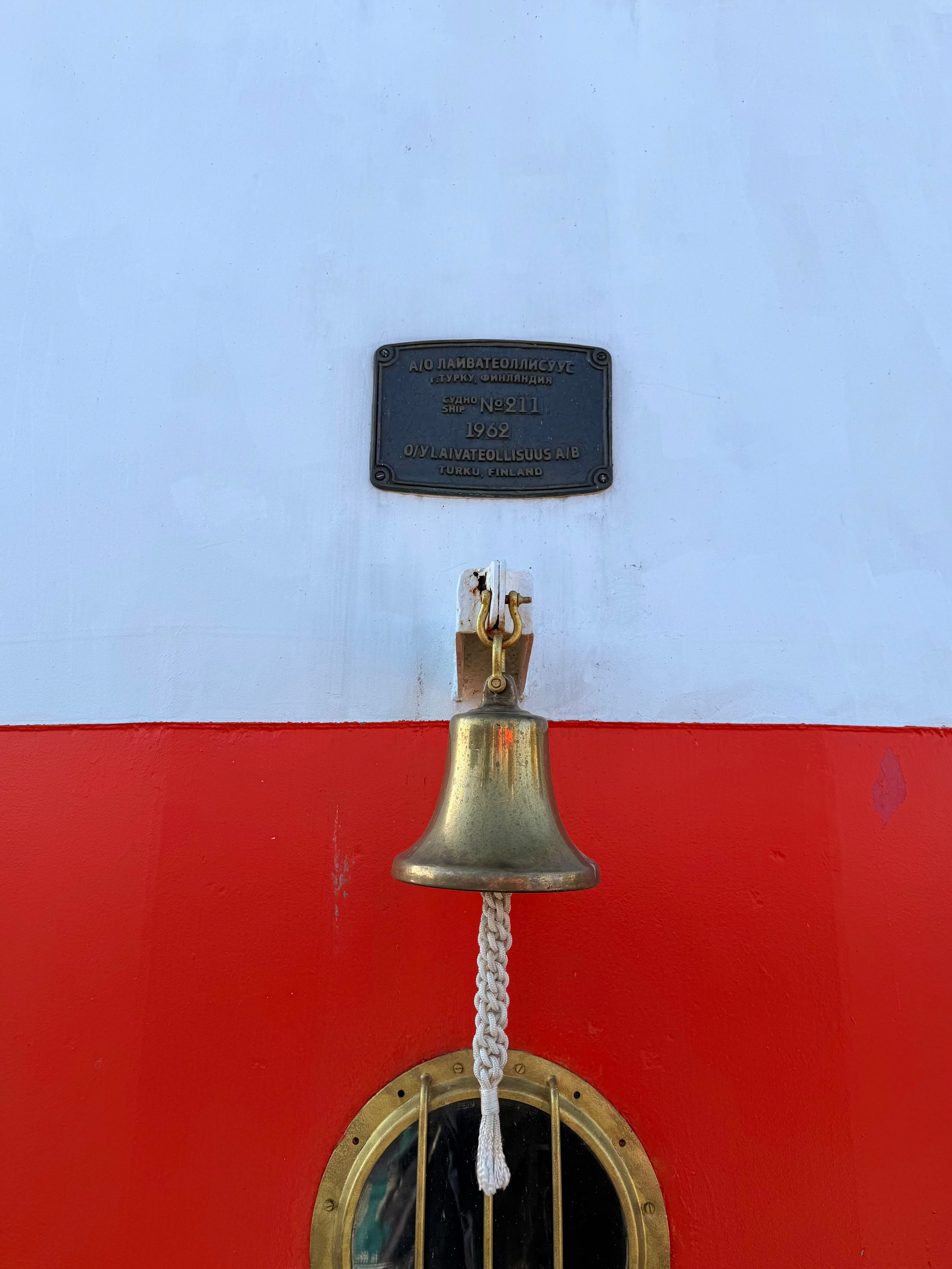
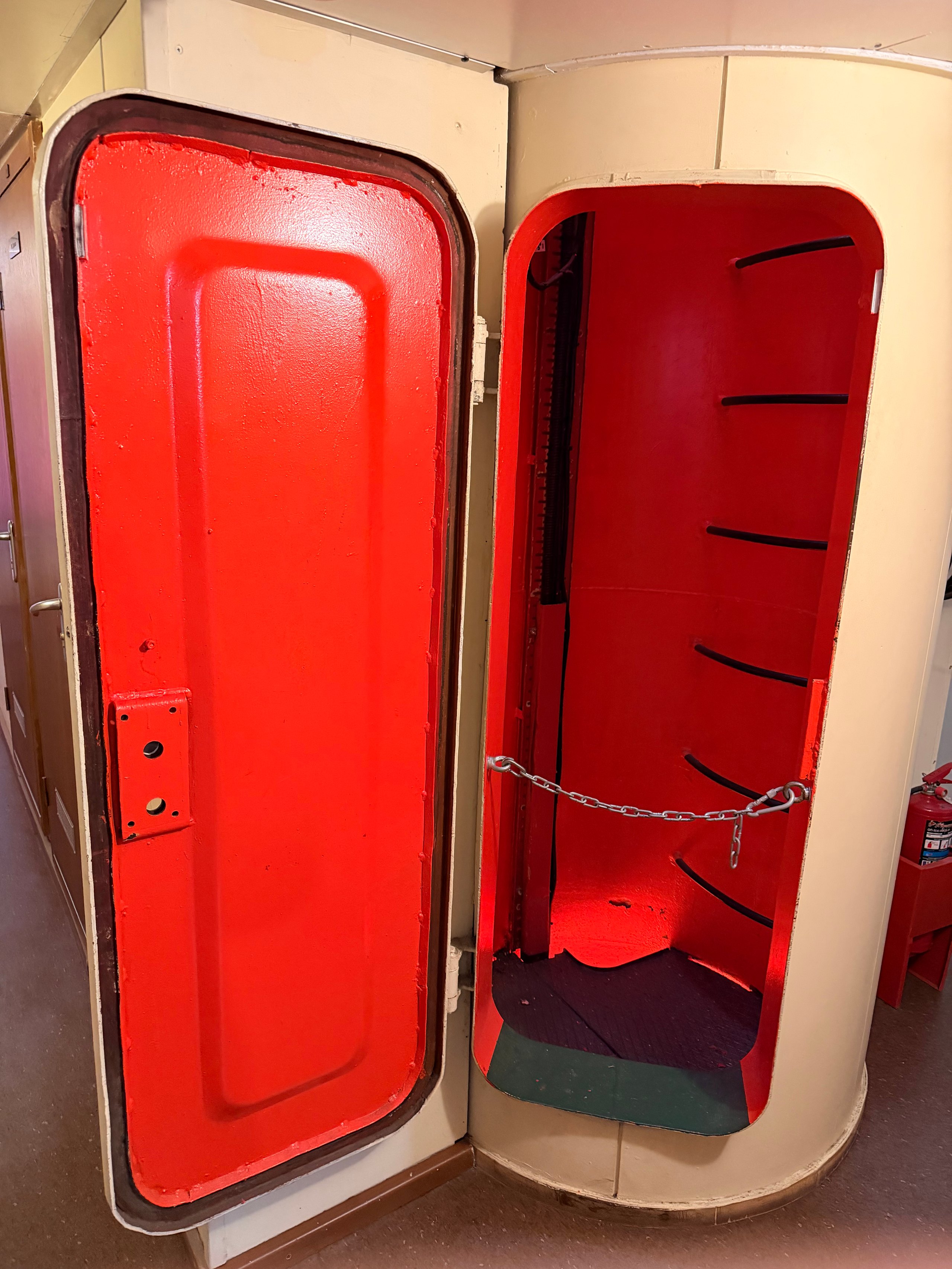
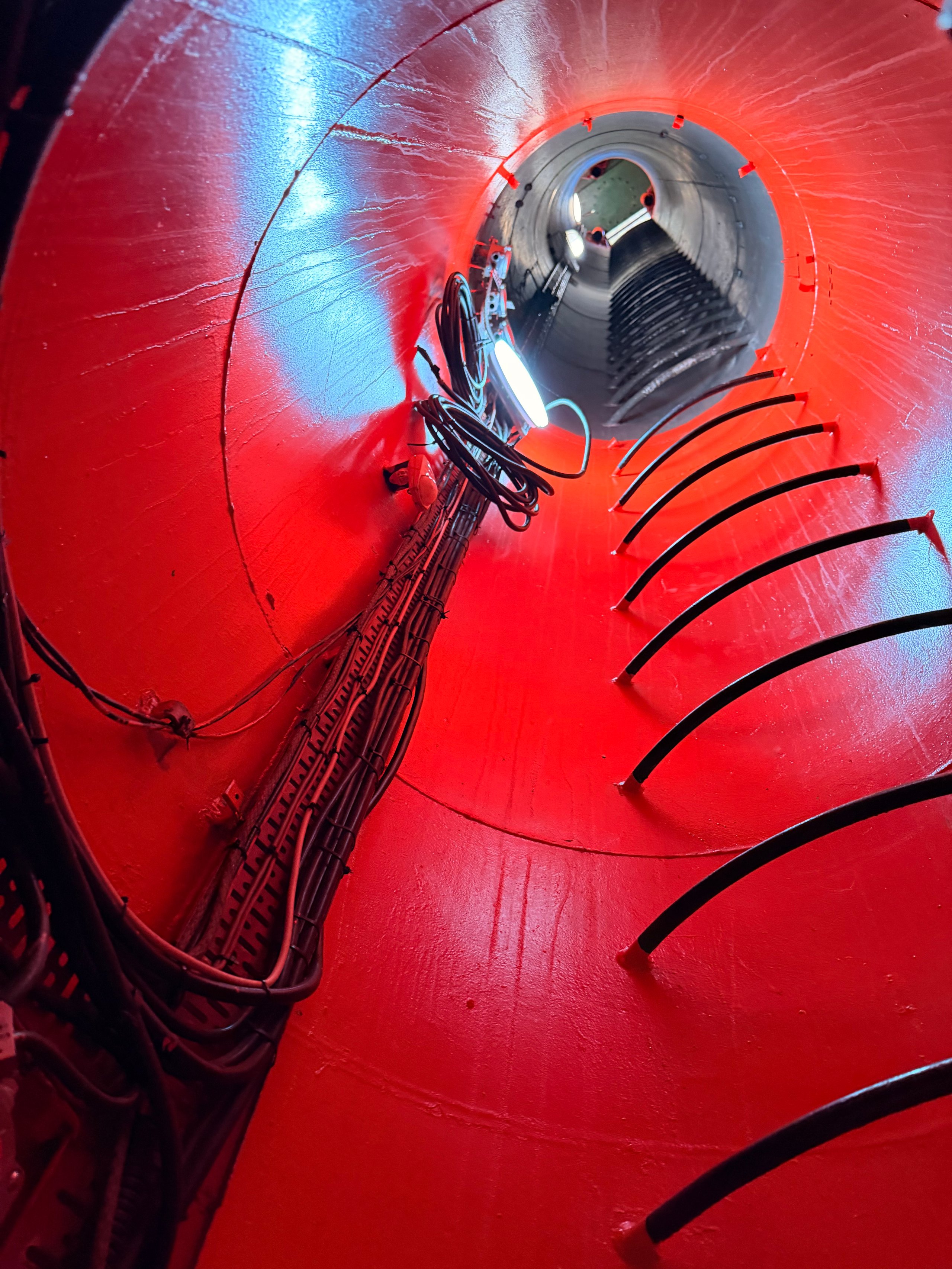
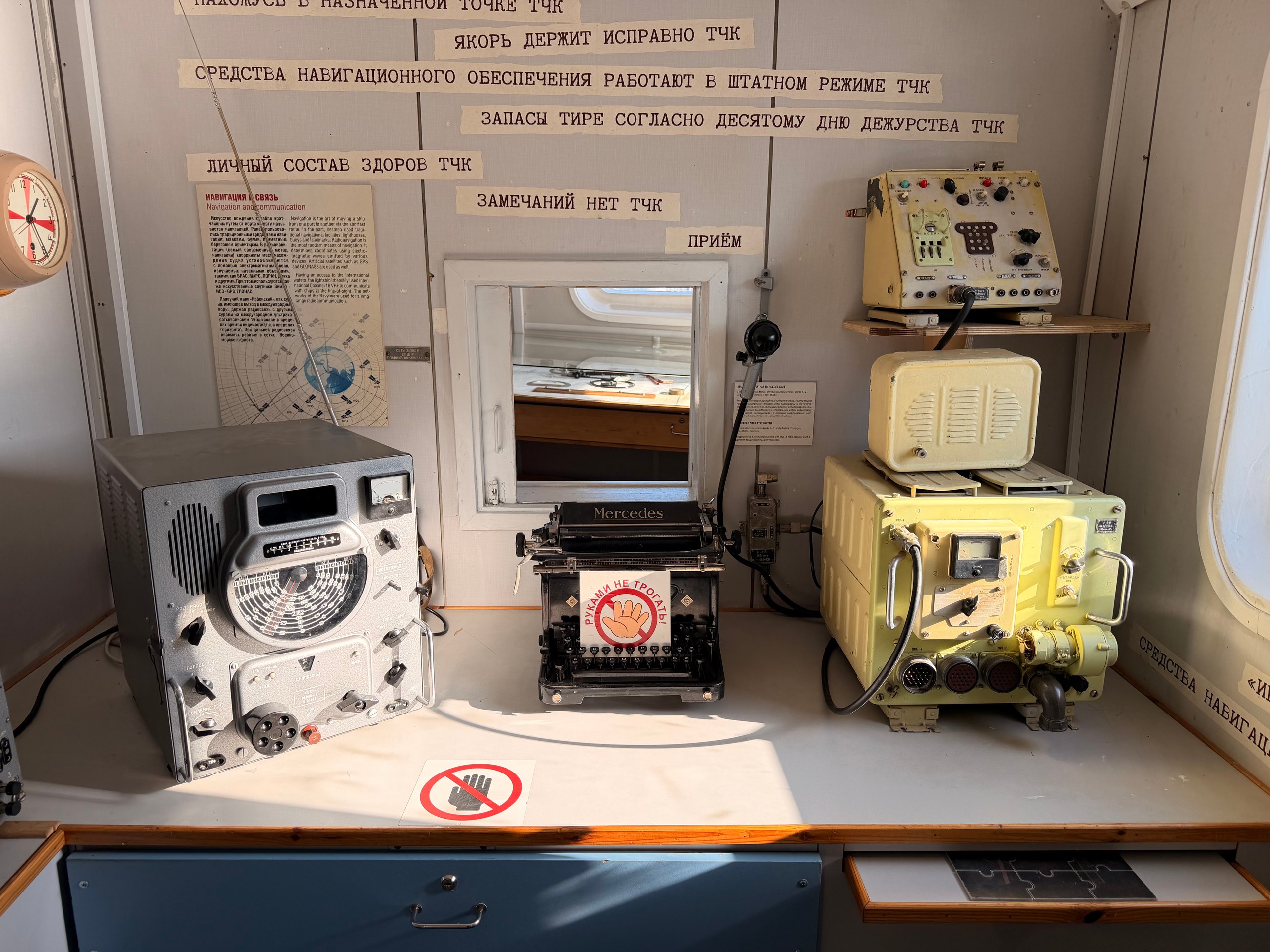
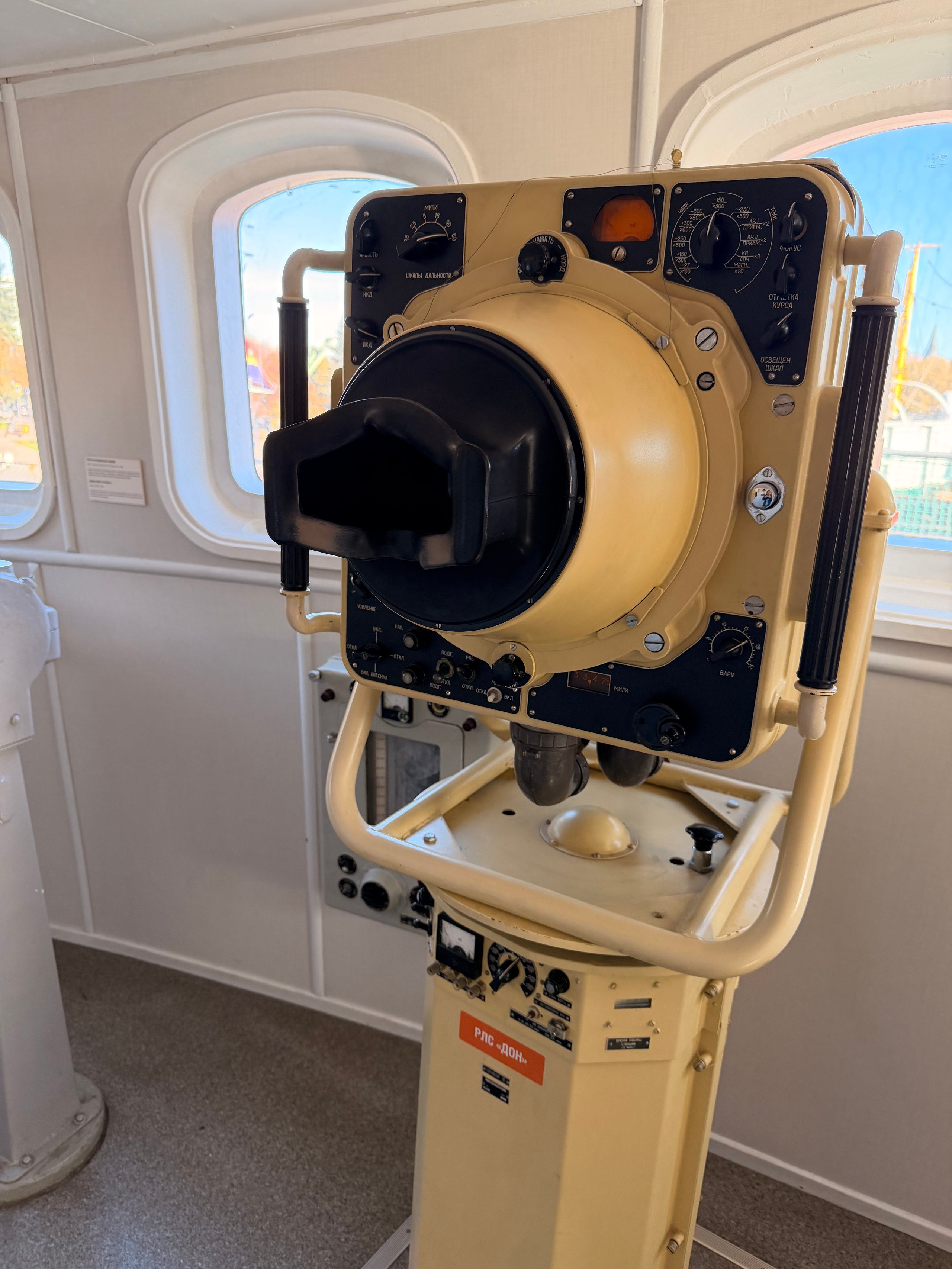
Here’s what the lightship looks like inside.
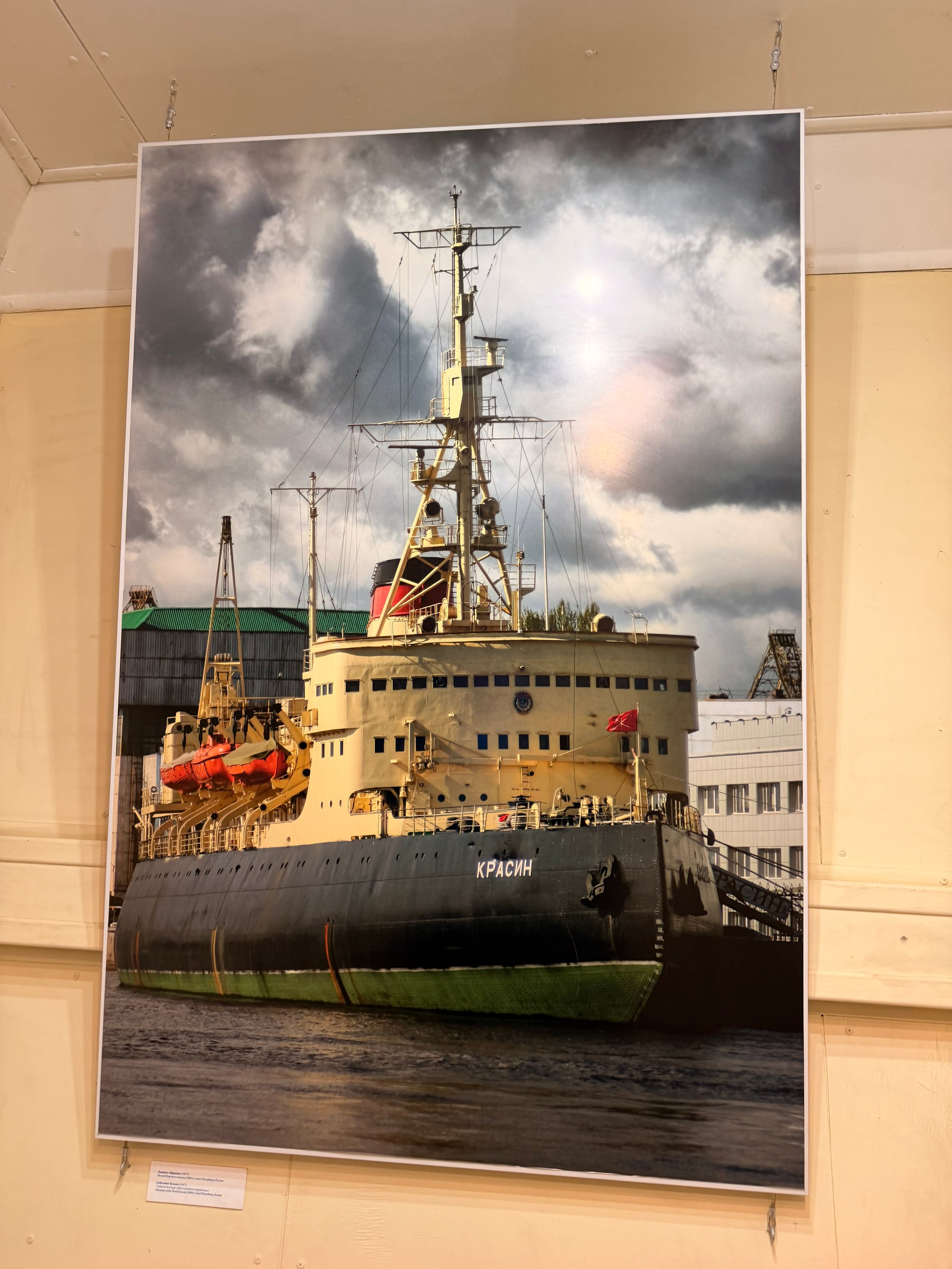
I also found out that the icebreaker museum Krasin in St. Petersburg is another branch of the Museum of the World Ocean.
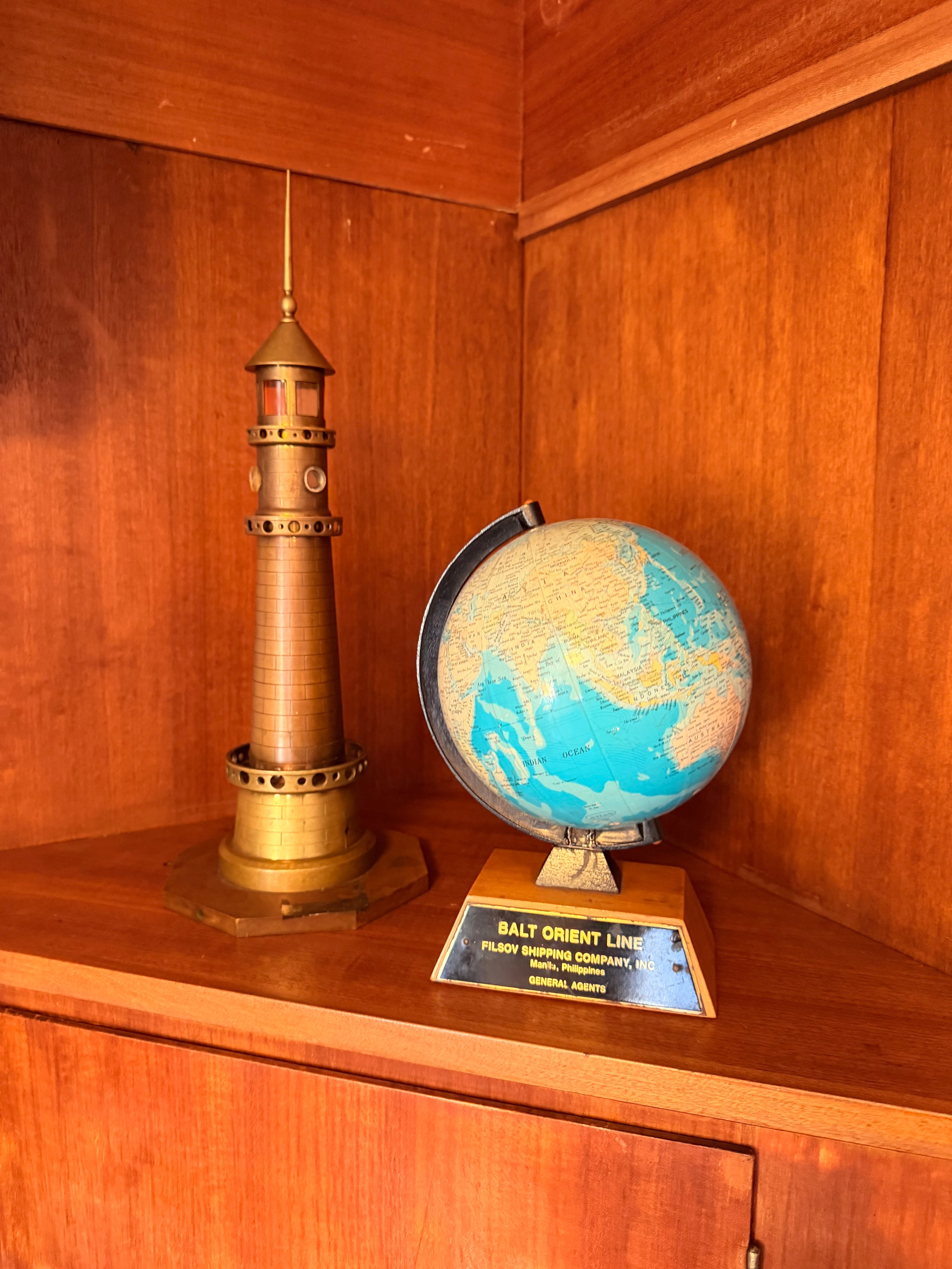
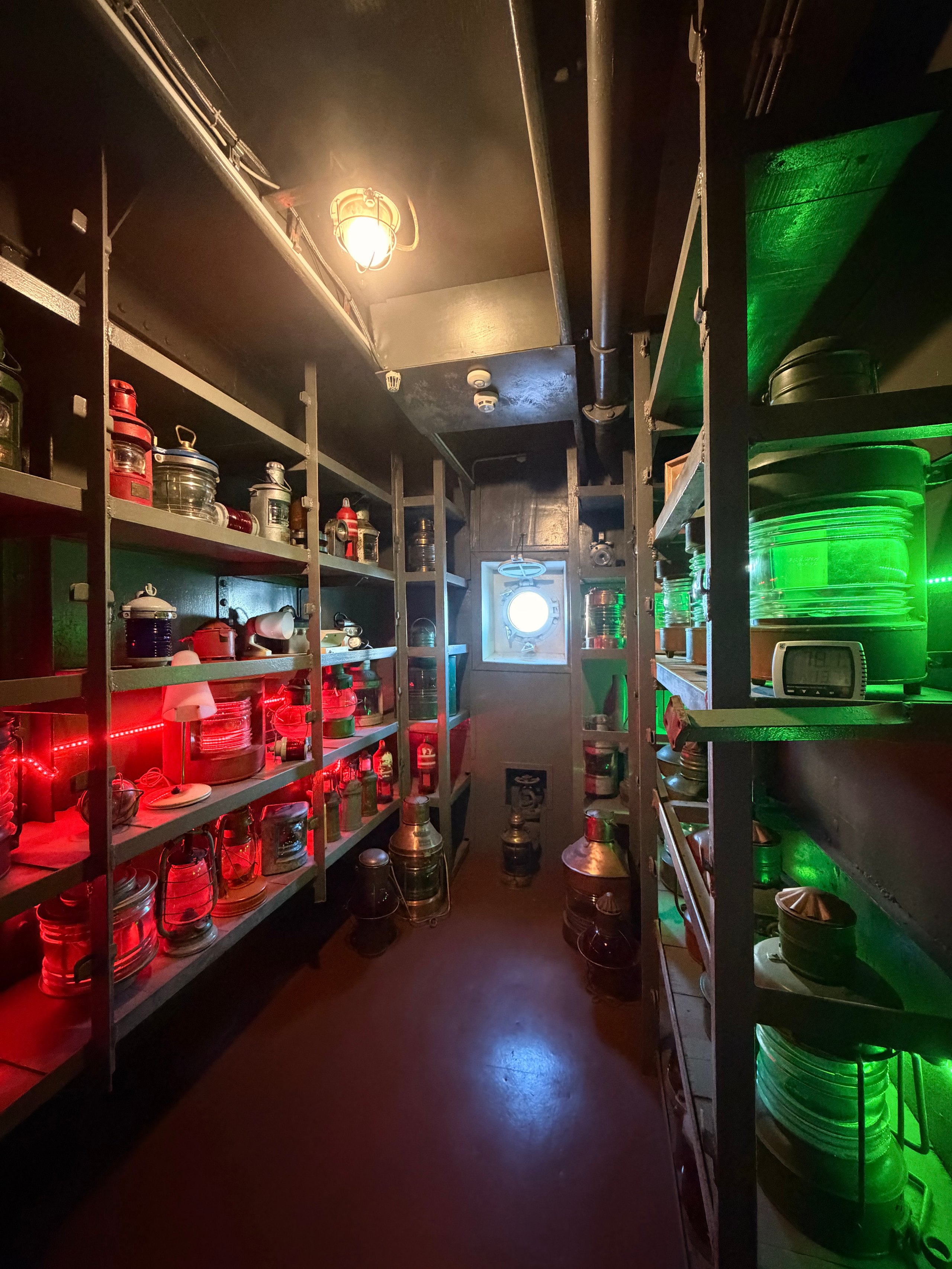
Rooms on board.
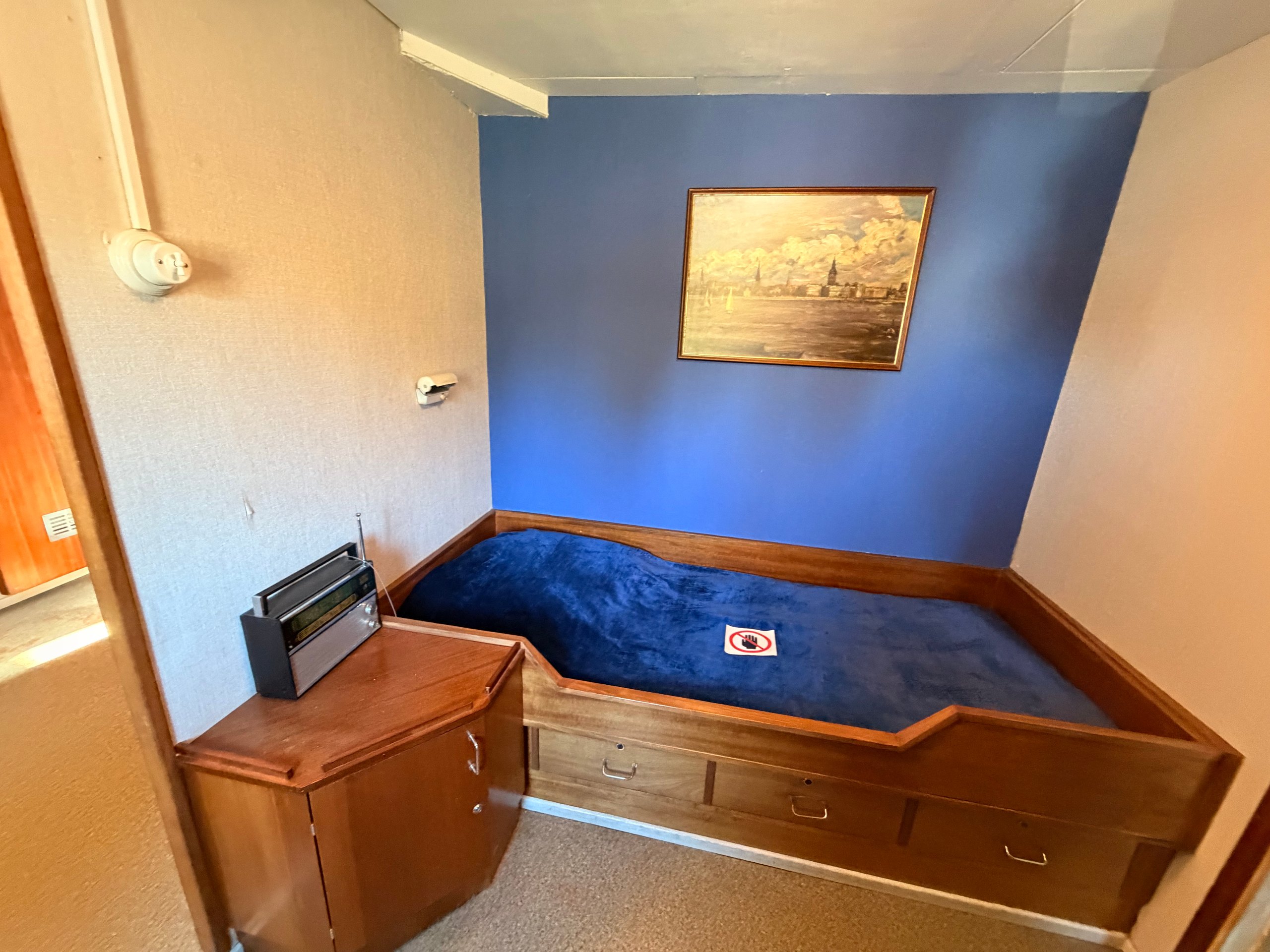
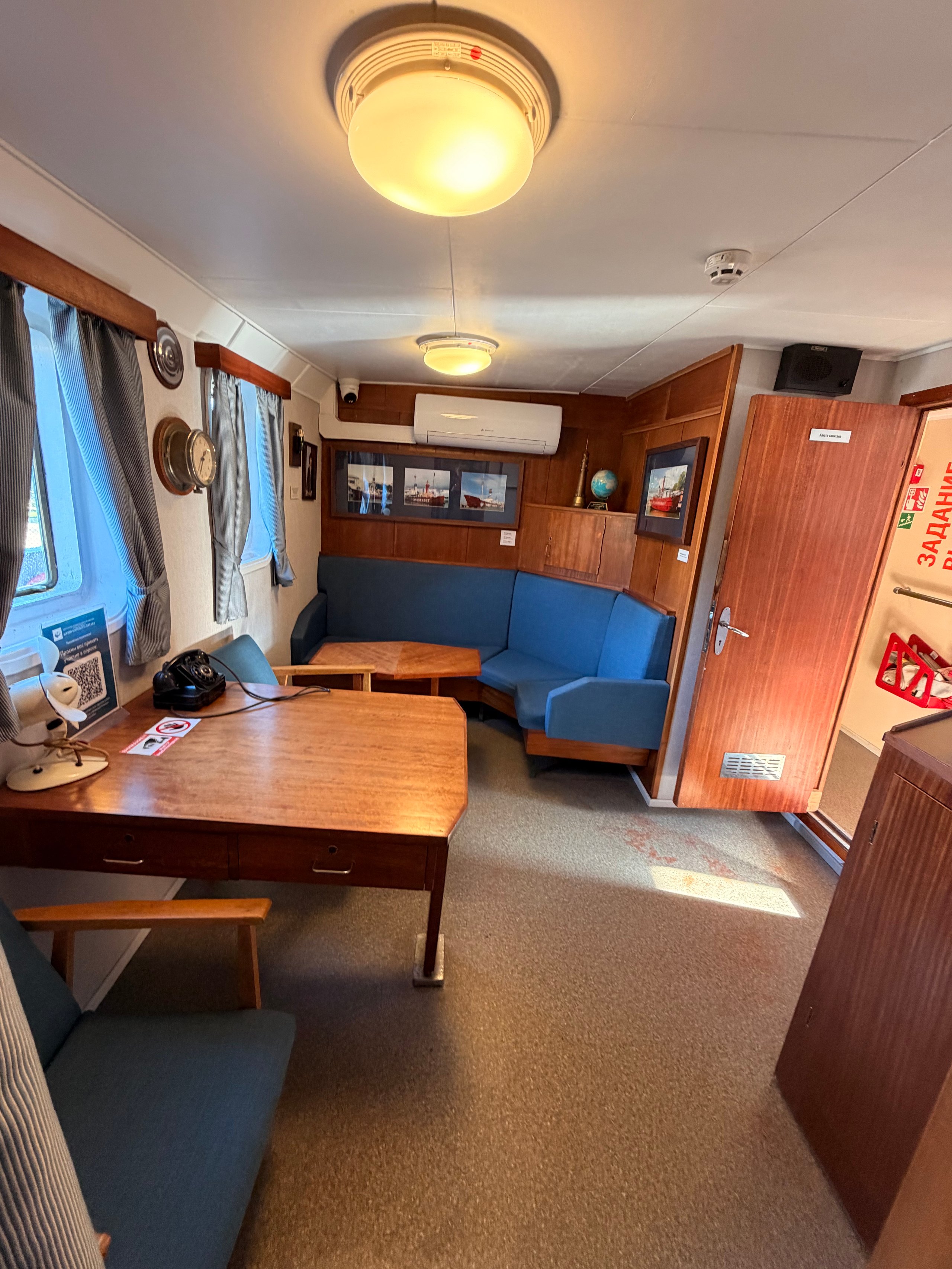
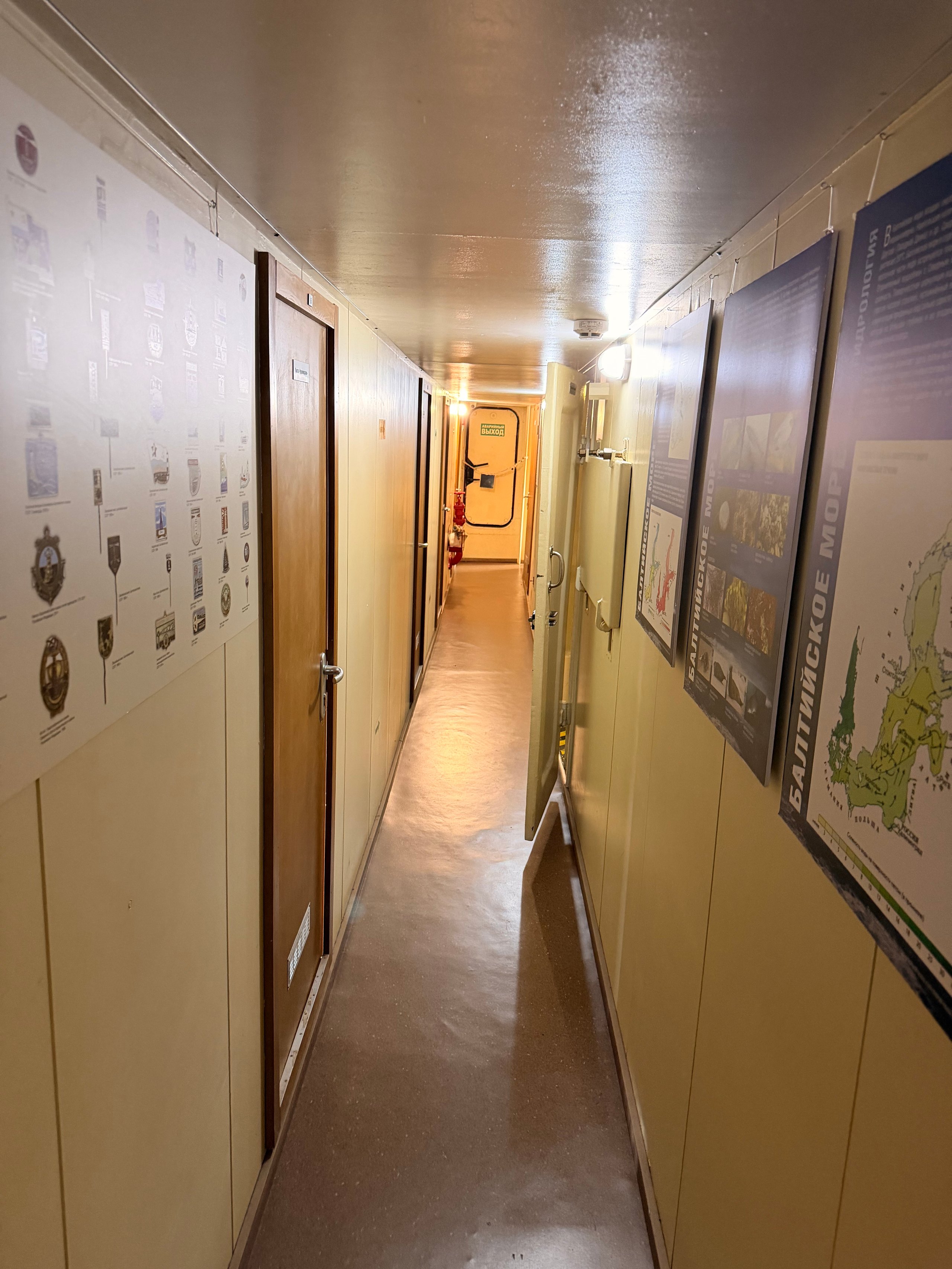
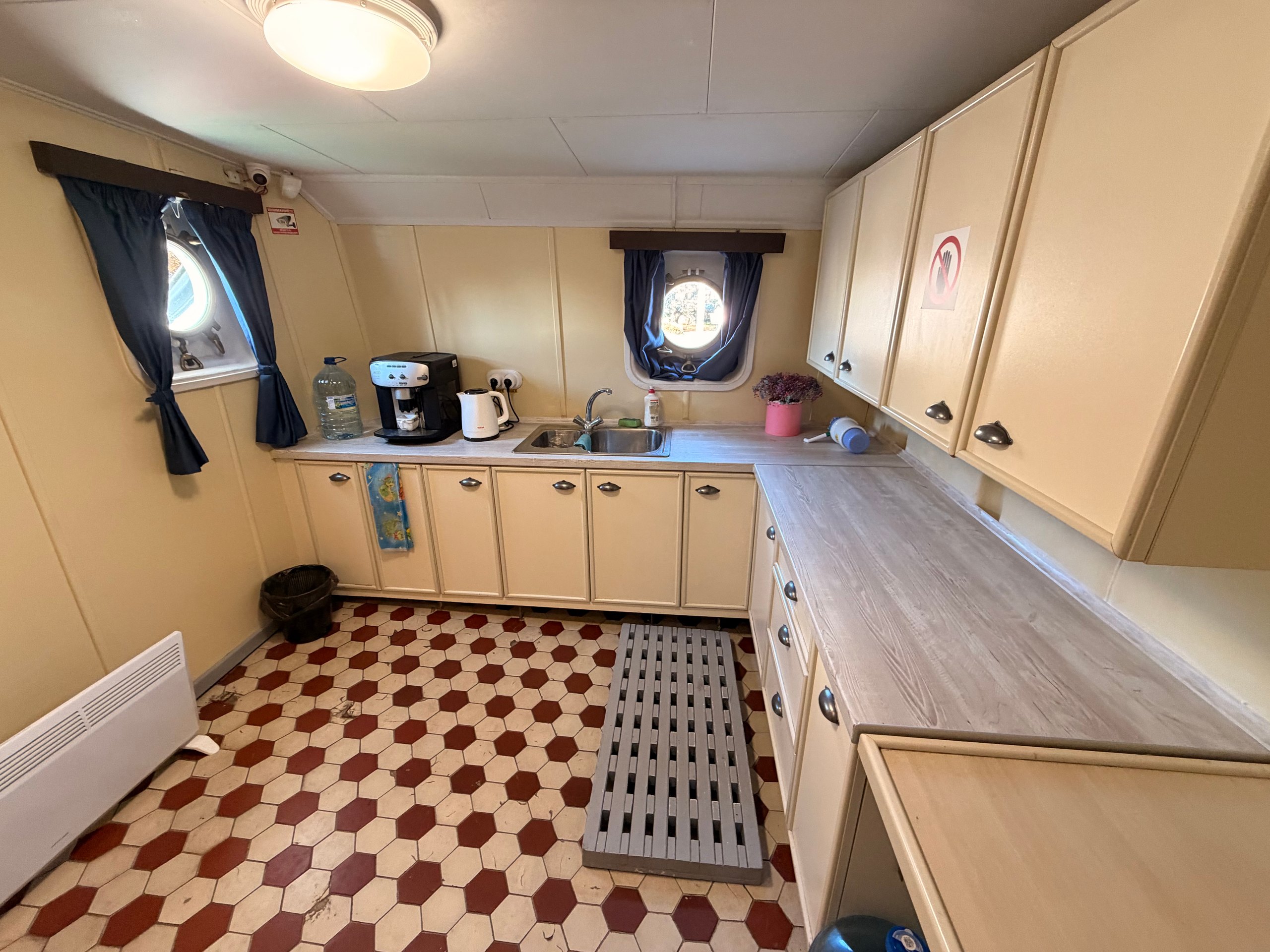
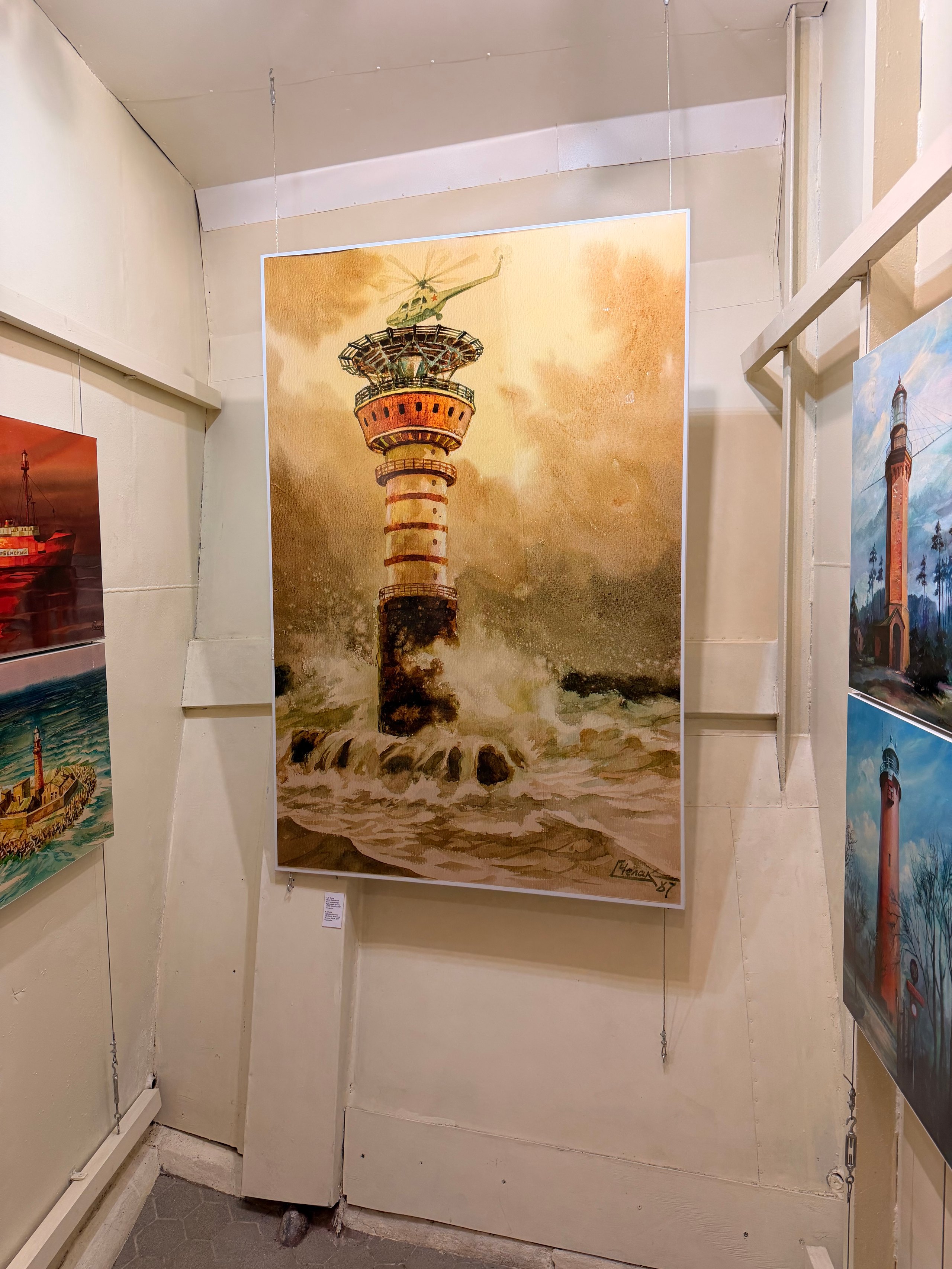
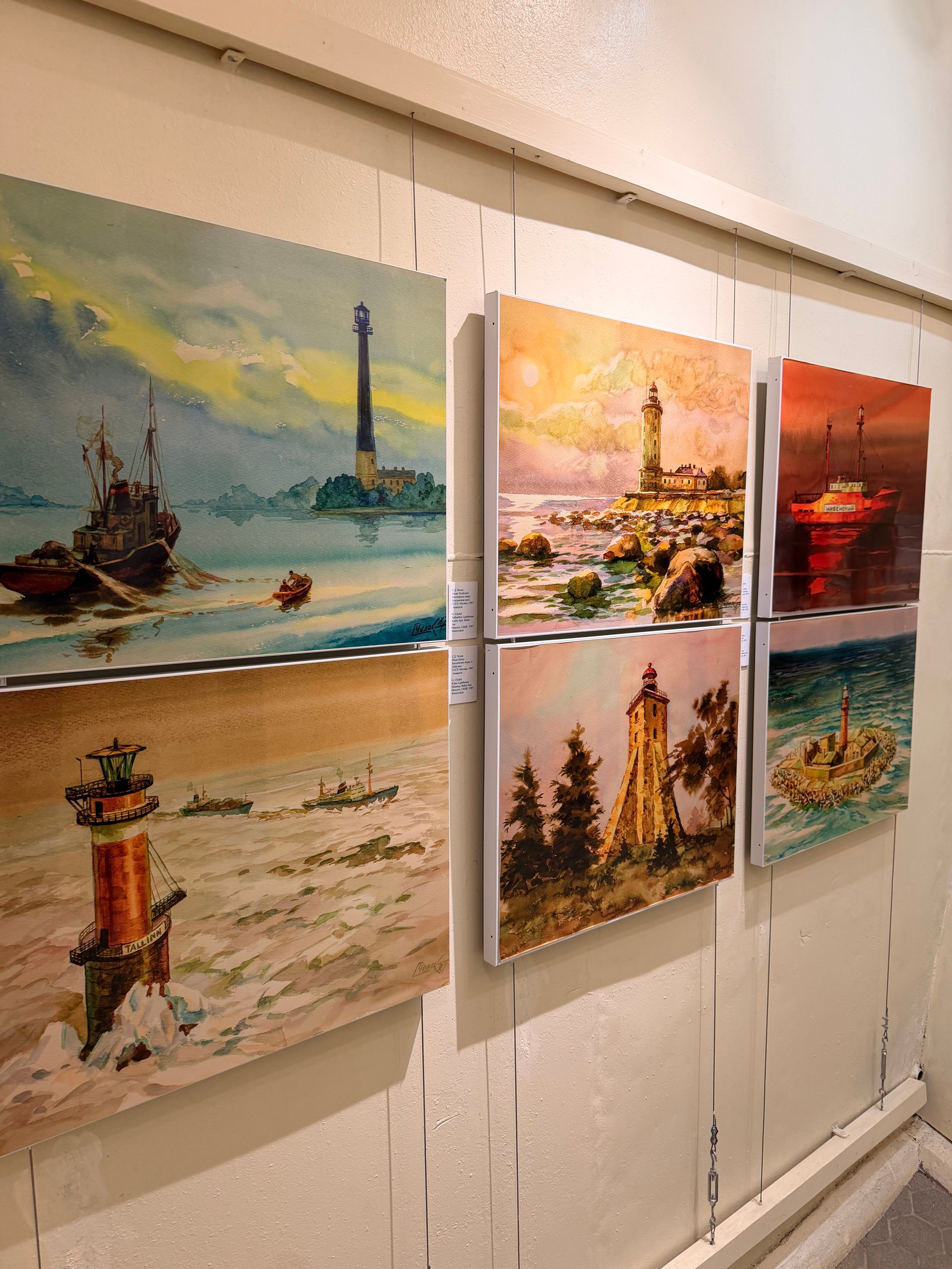
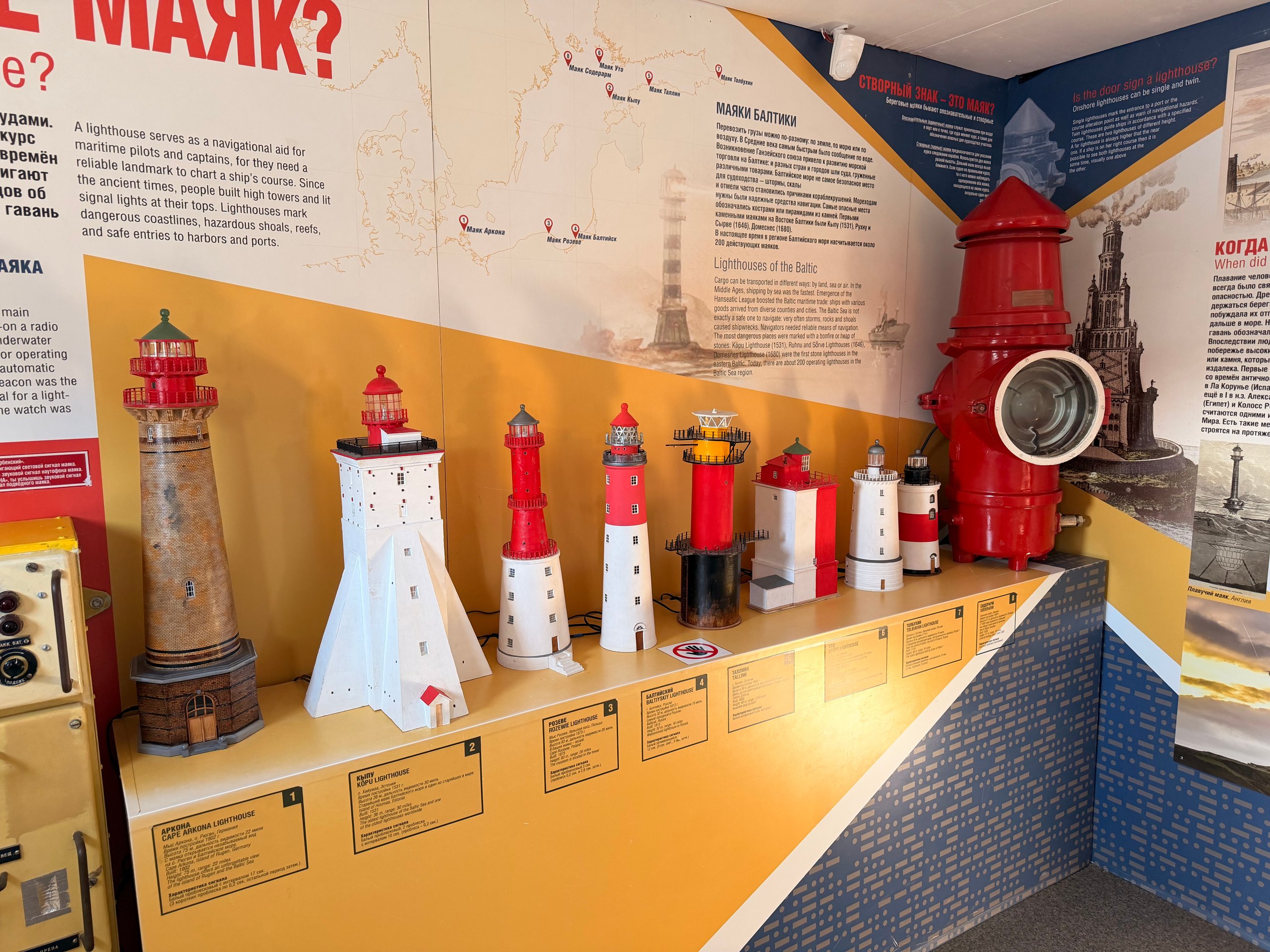
By the way, lighthouses can send signals not just with light, but also with sound and radio waves.
Vityaz
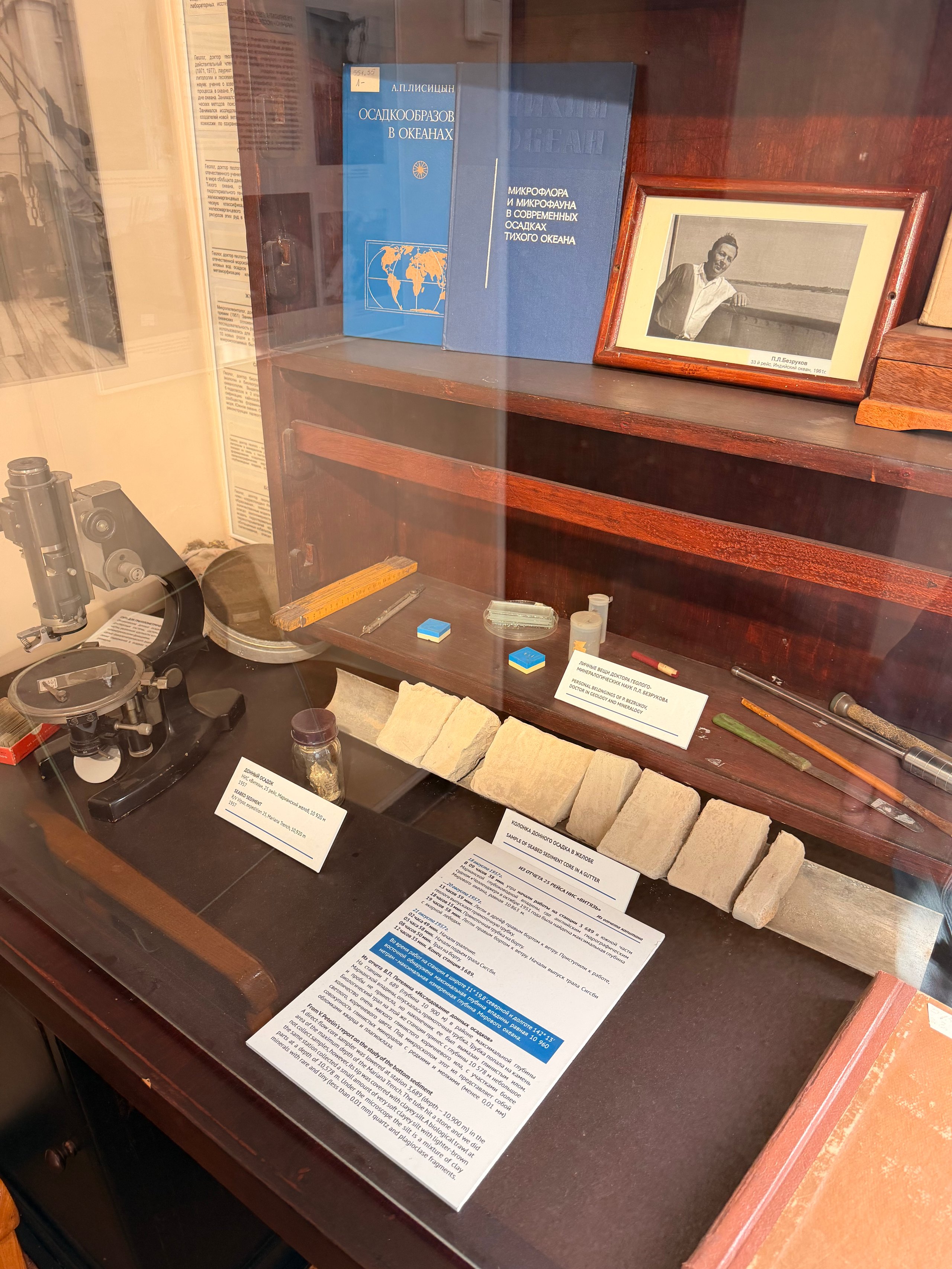
The ship that would become Vityaz was built in Germany in 1939. After the war, it passed to Britain, then to the USSR in 1946, where it was converted for scientific research. In 1957, an expedition aboard Vityaz recorded a depth of 11,022 meters in the Mariana Trench.
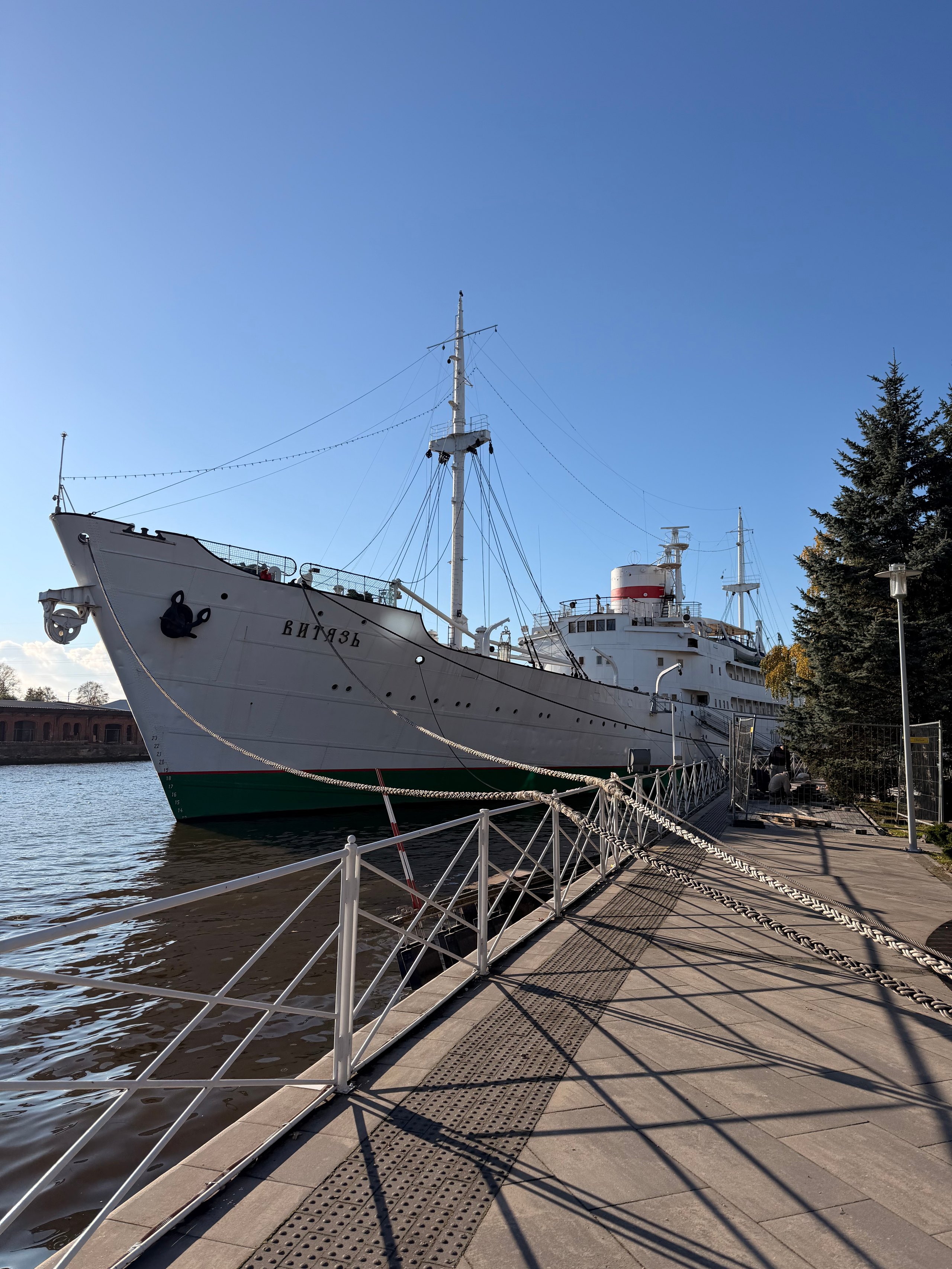
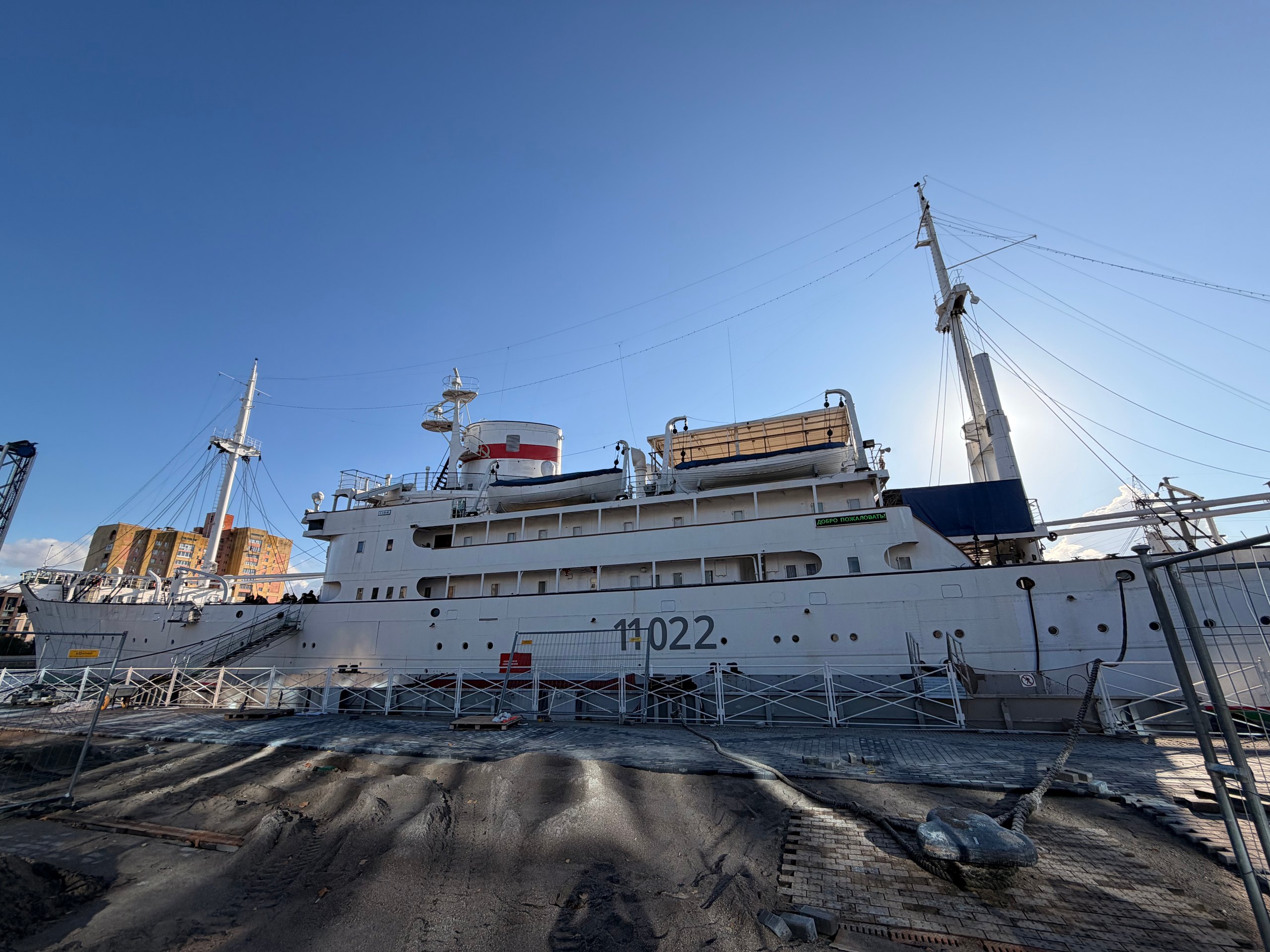
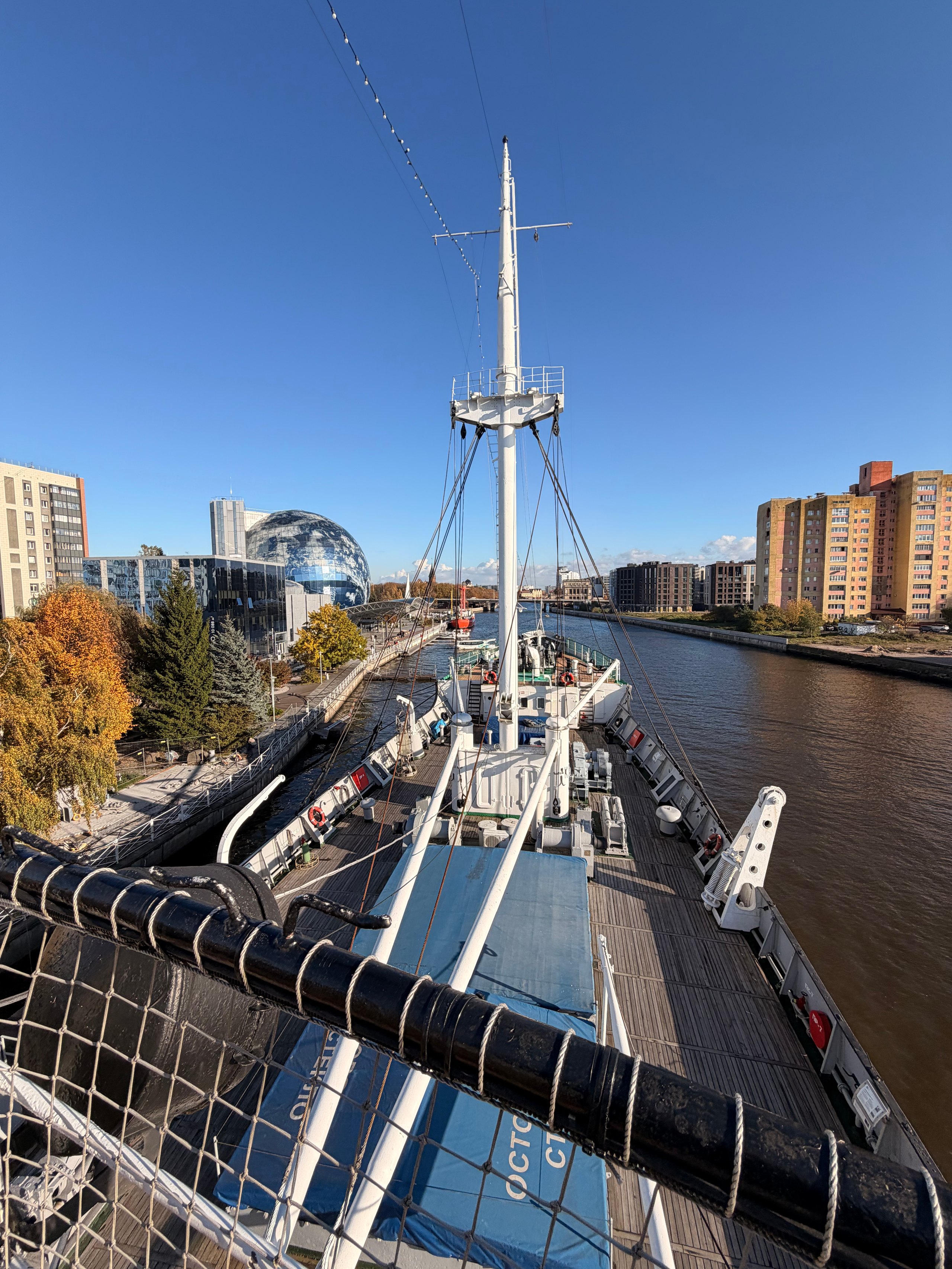
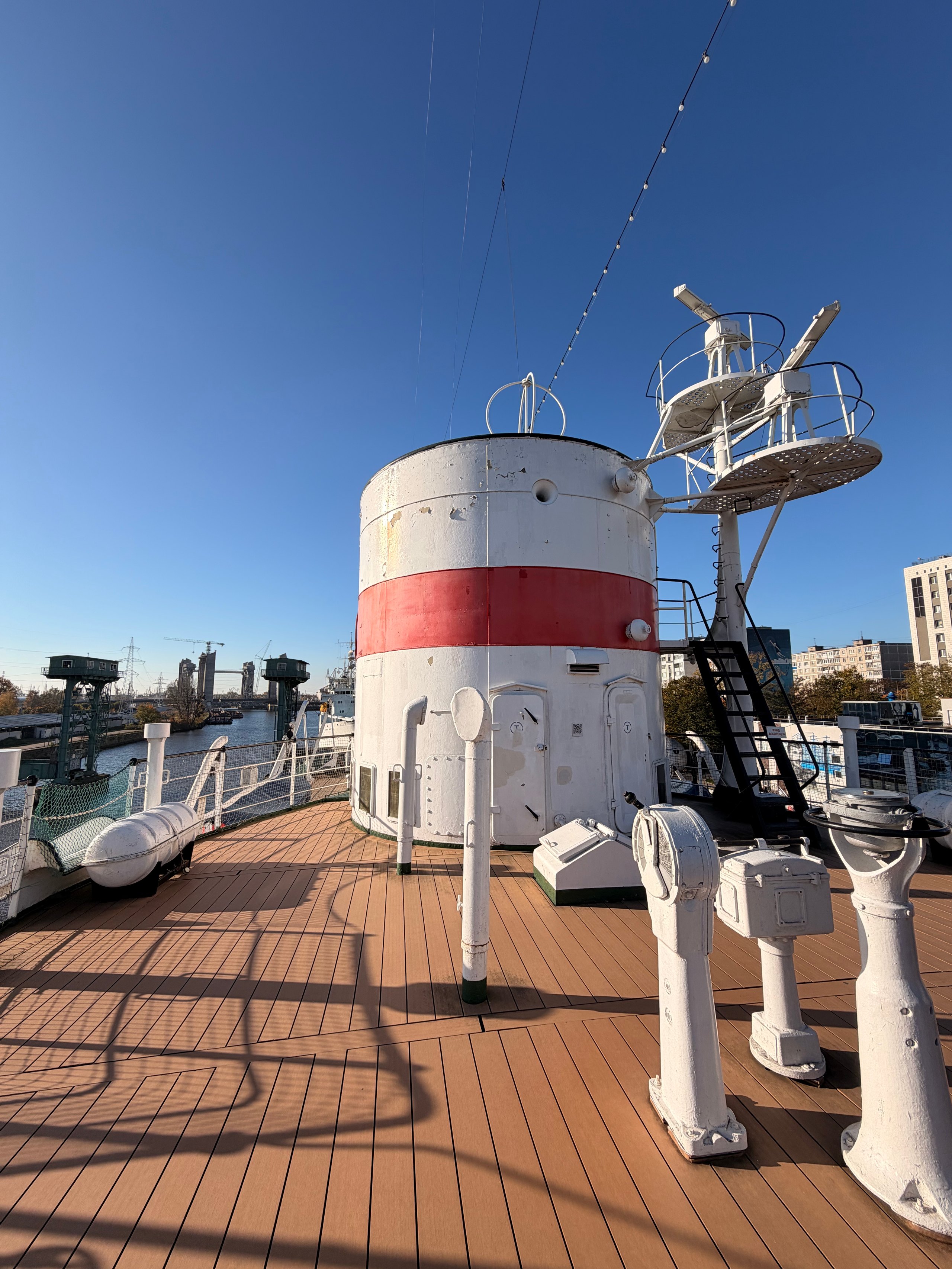
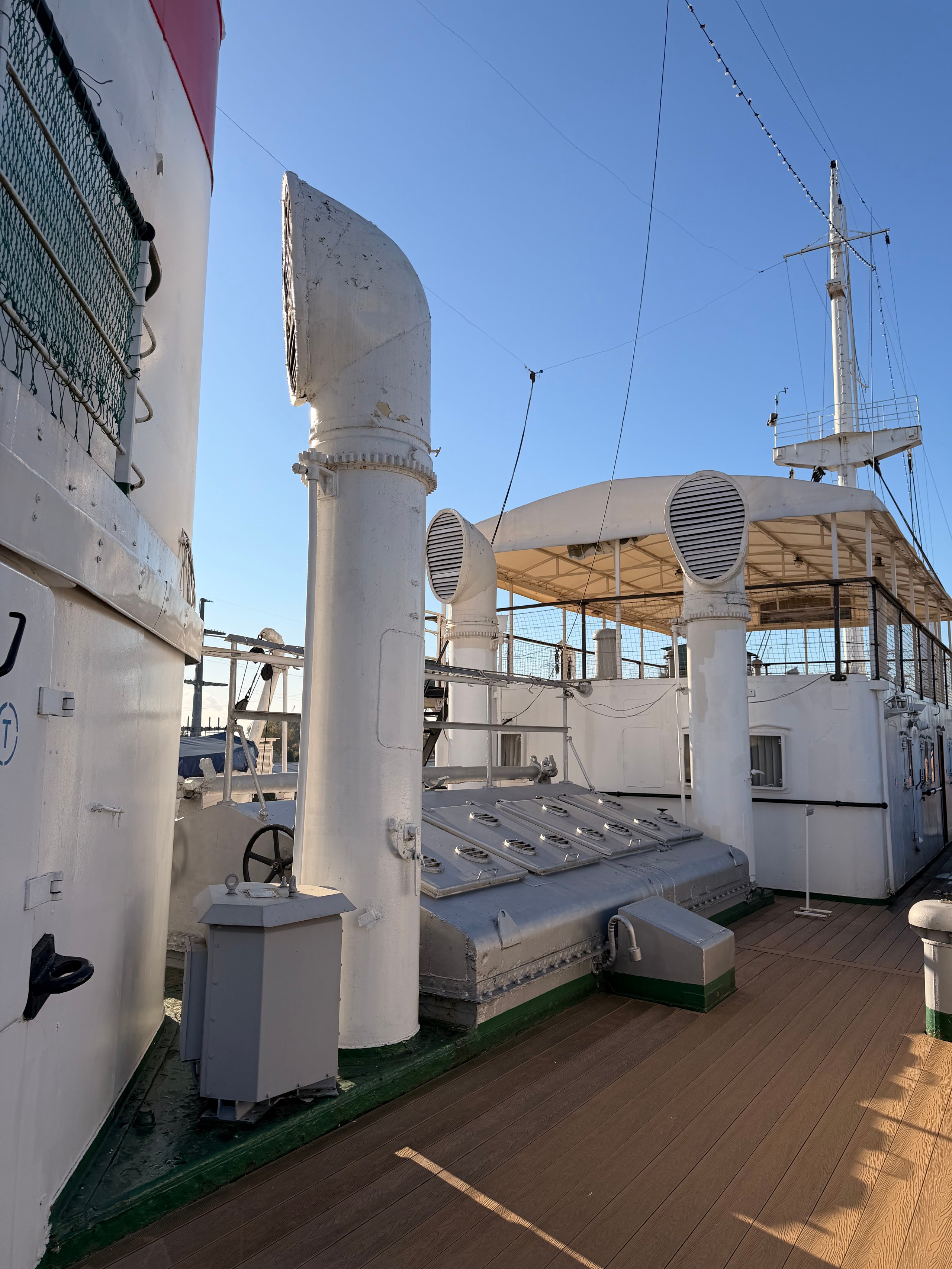
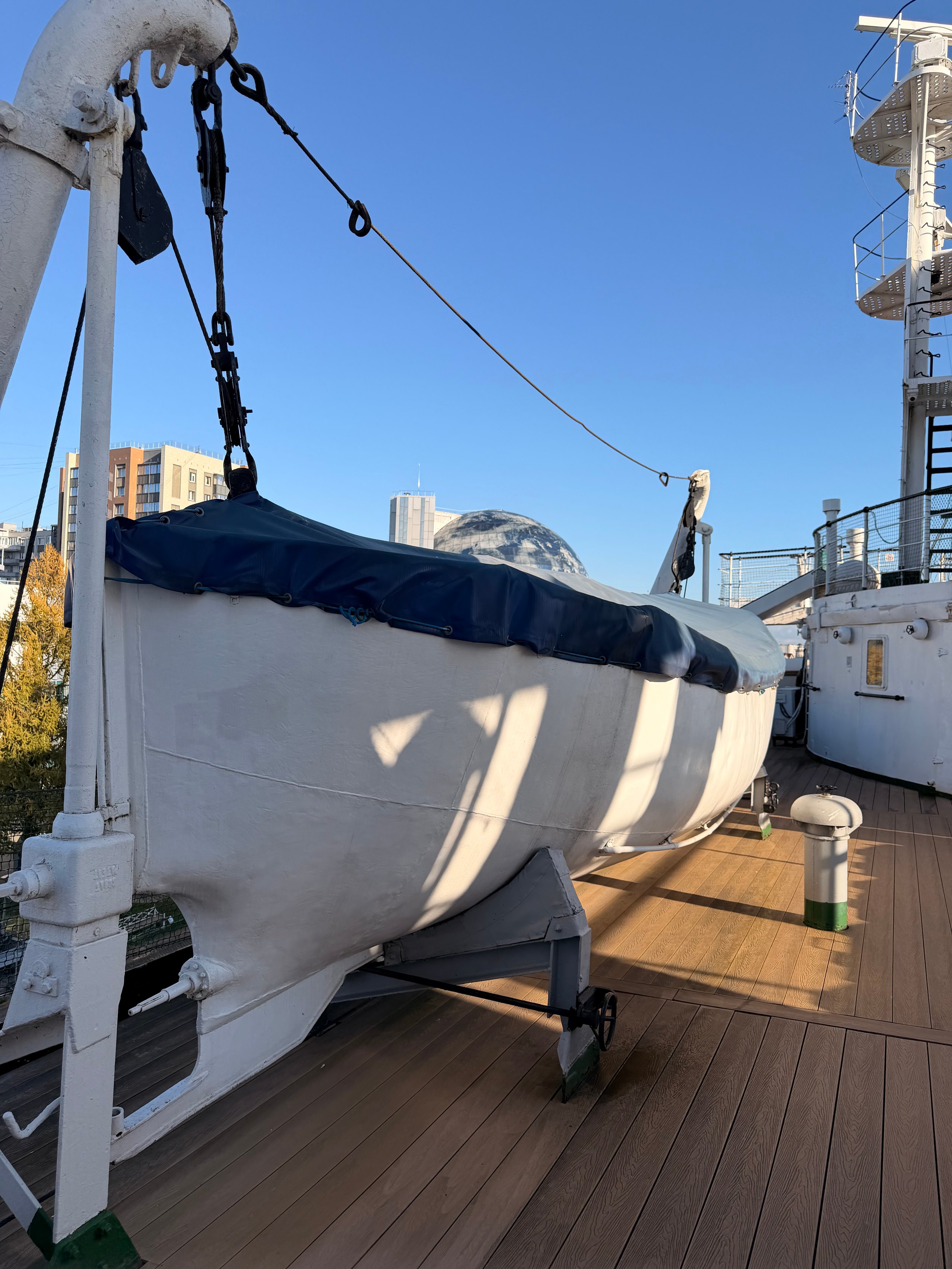
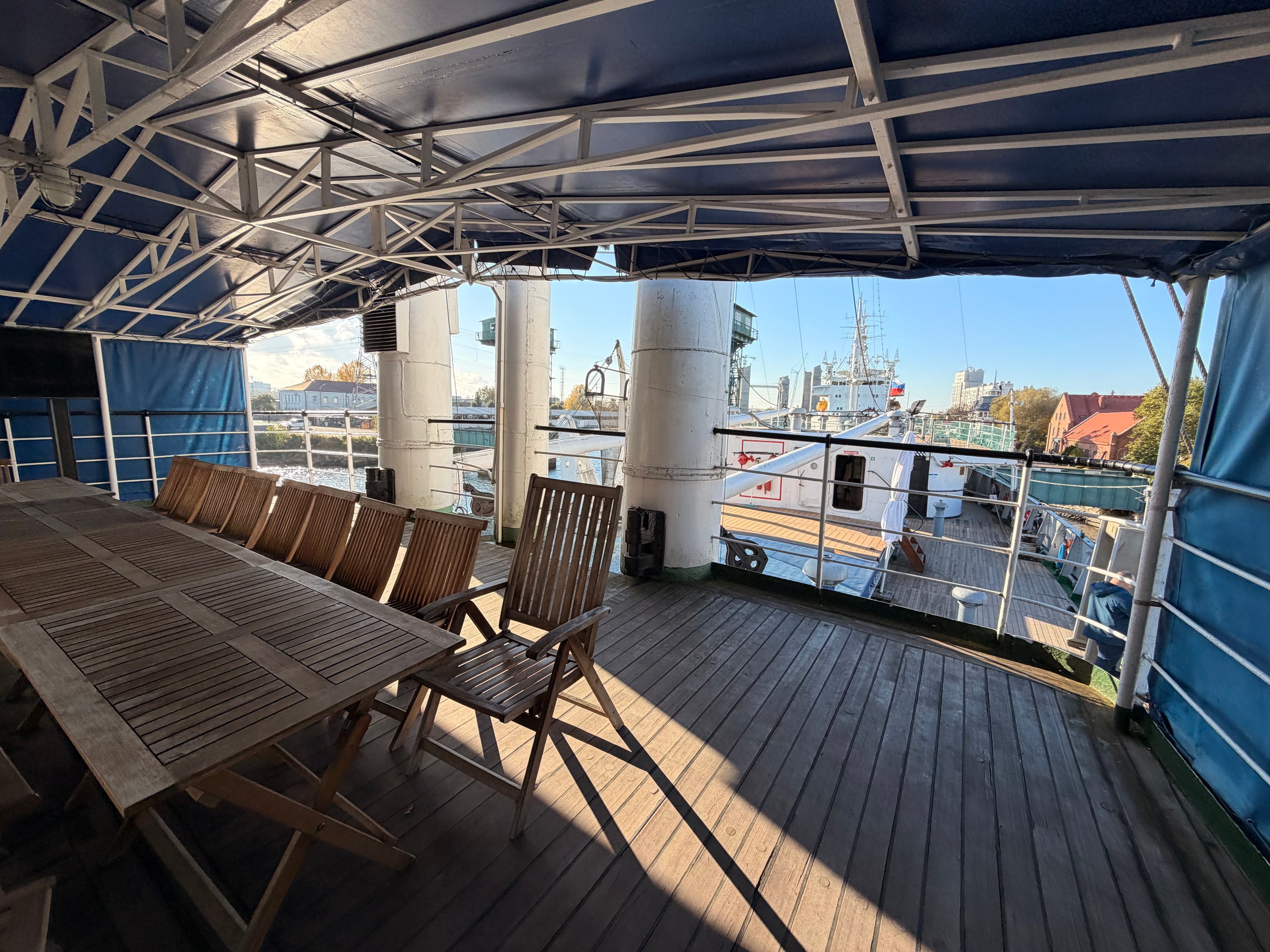
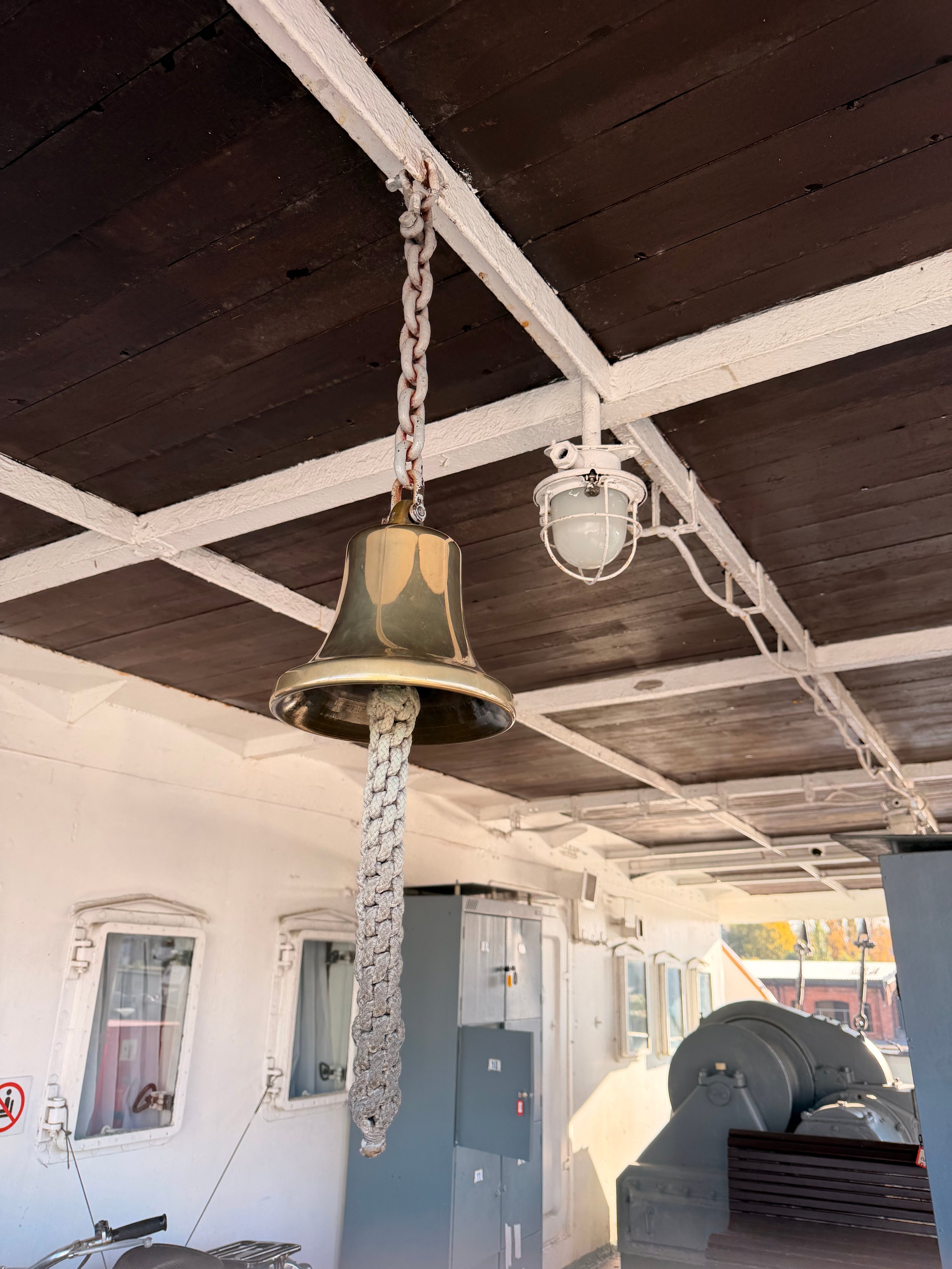
The ship is huge, and I only had half an hour before my tour. After about twenty minutes of wandering through the cabins, I had just one goal left: finding the exit. Luckily, I made it in time.
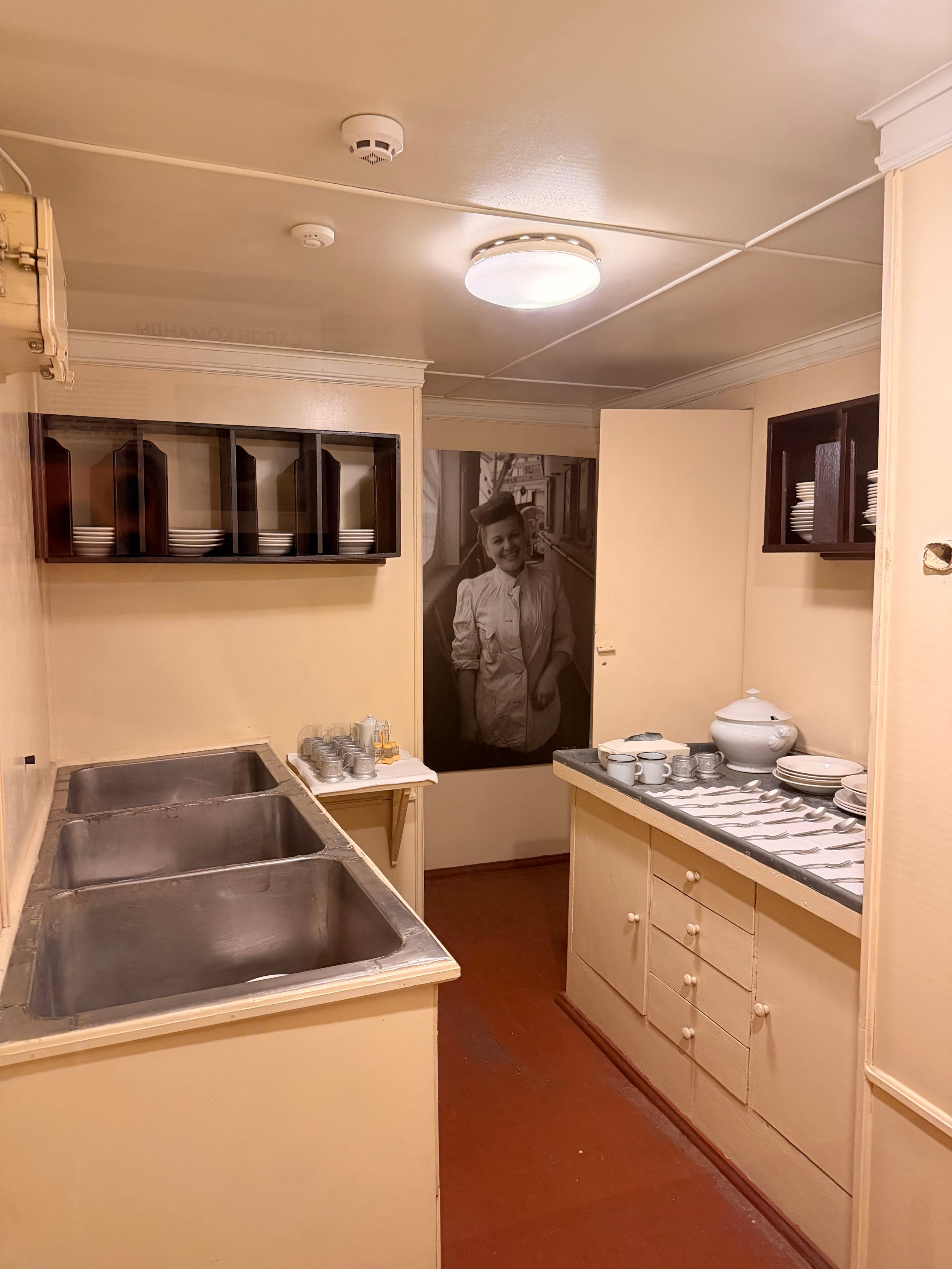
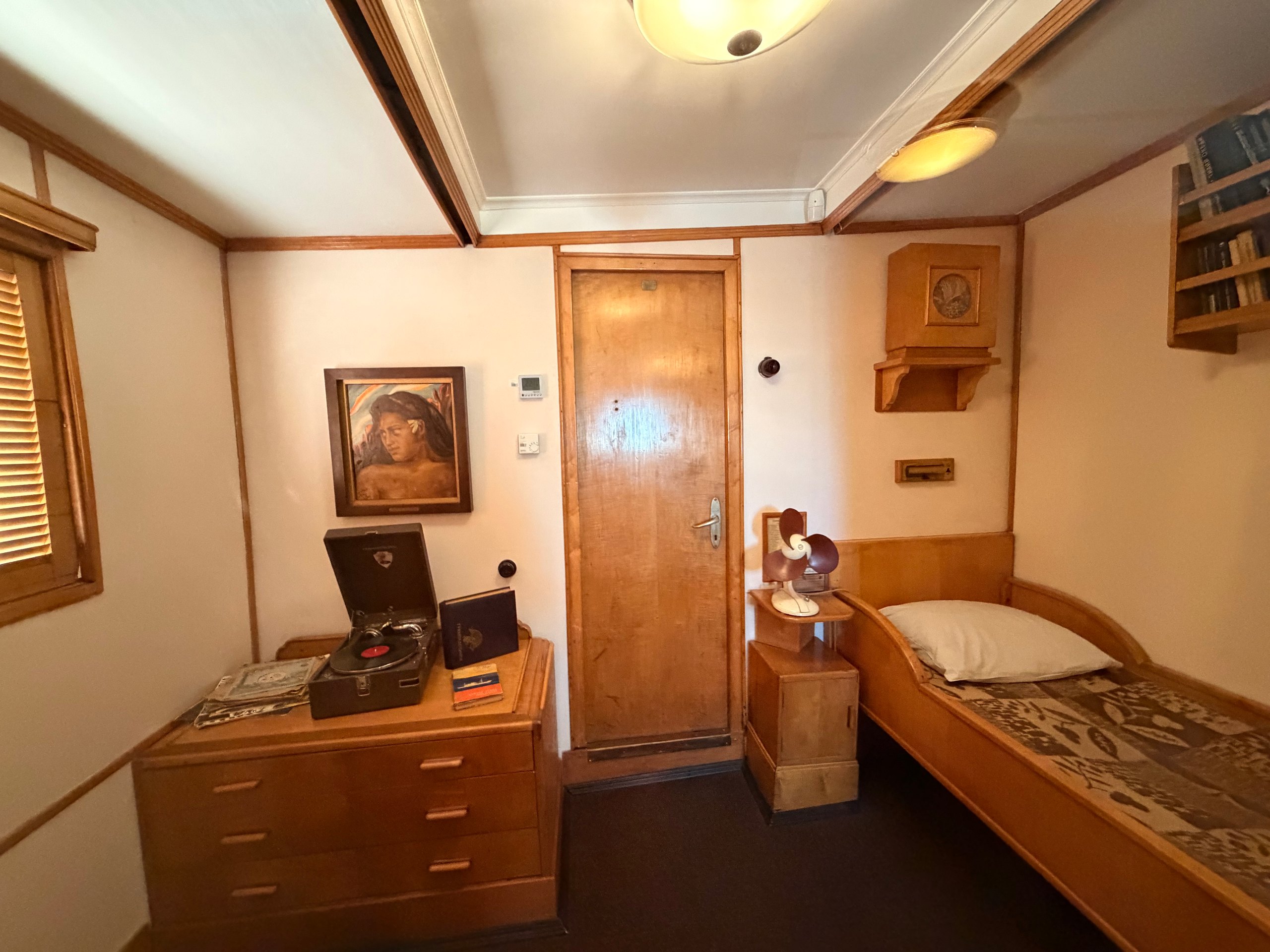
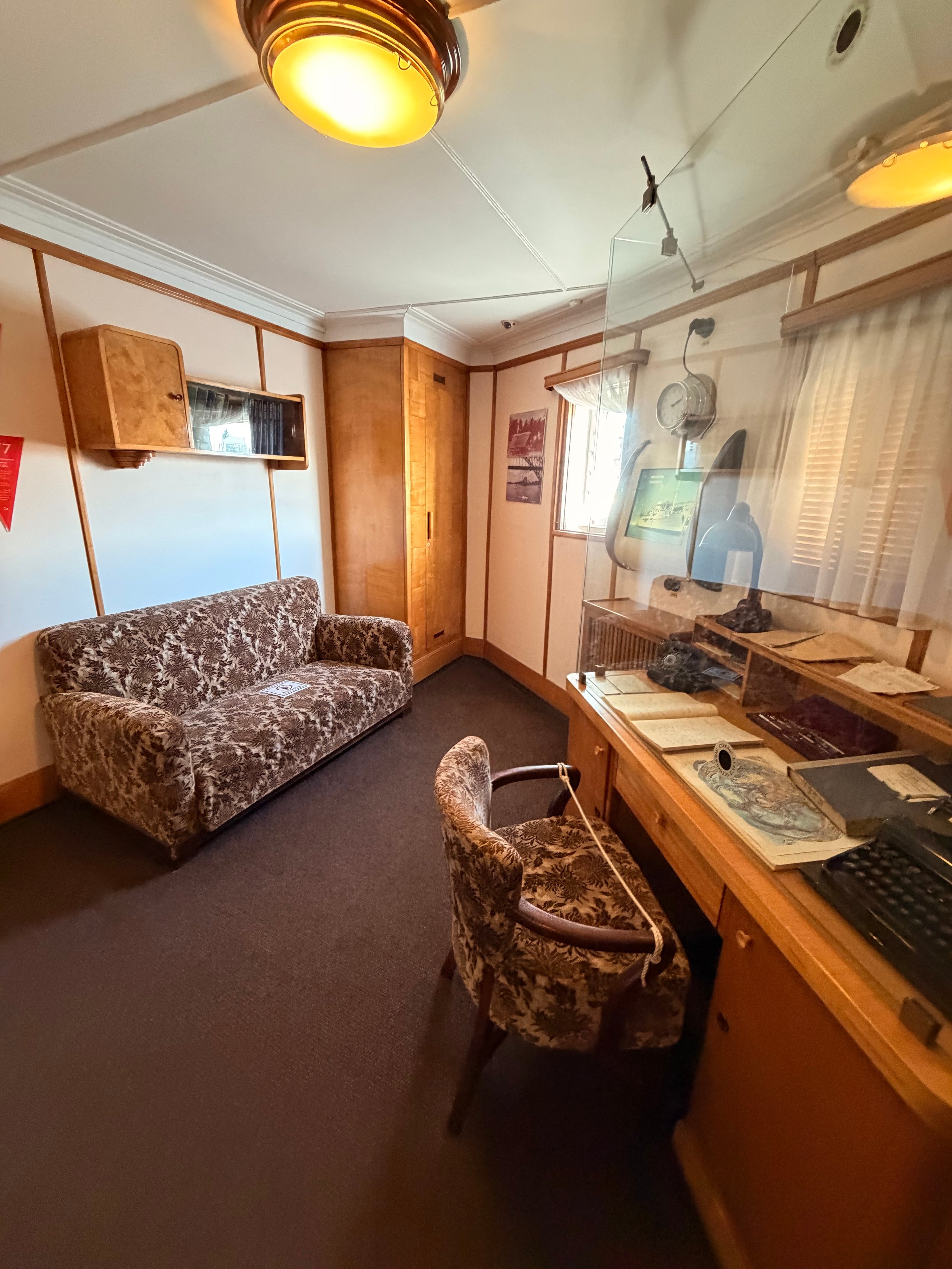
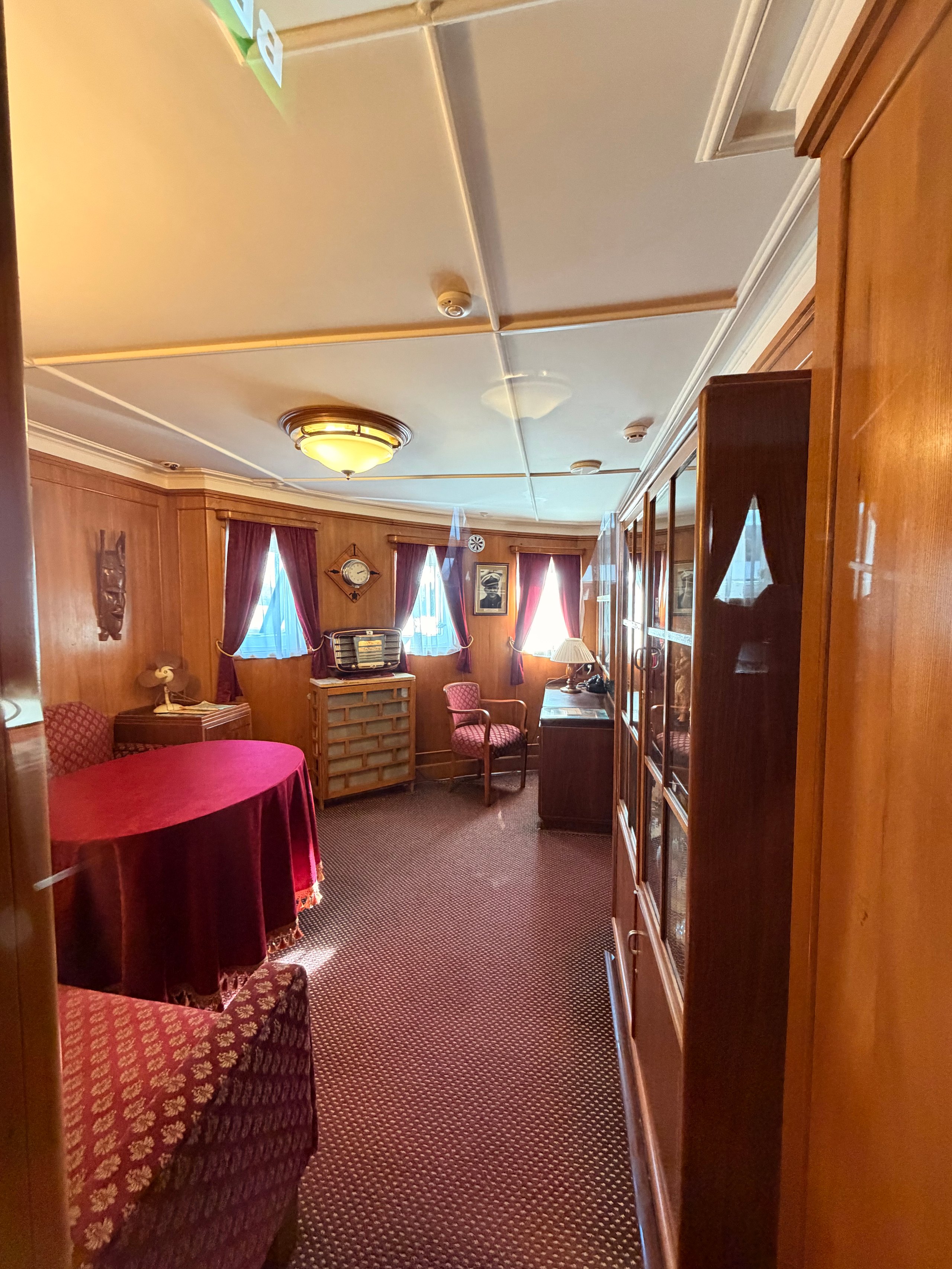
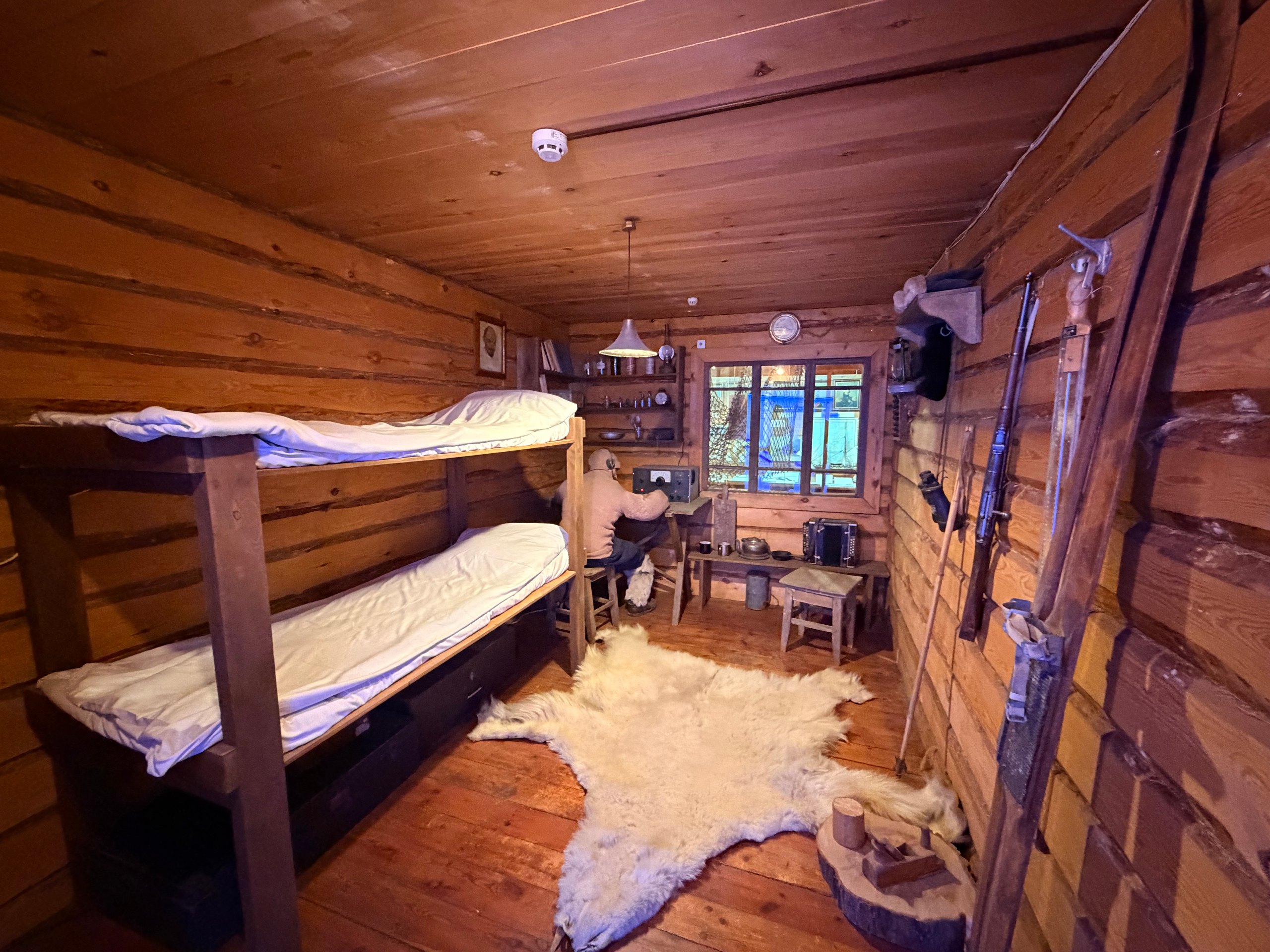
Cabins and other rooms aboard Vityaz.
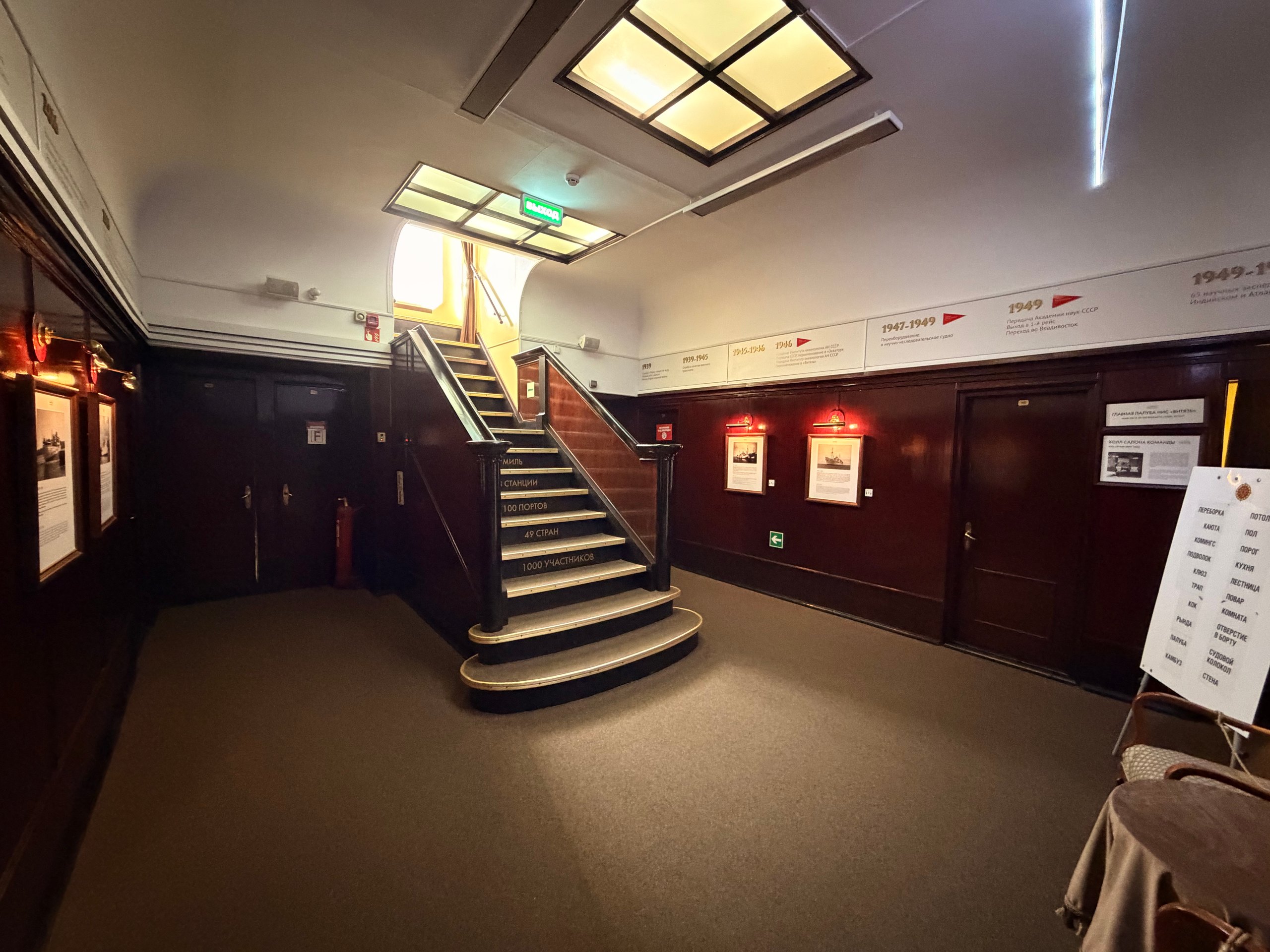
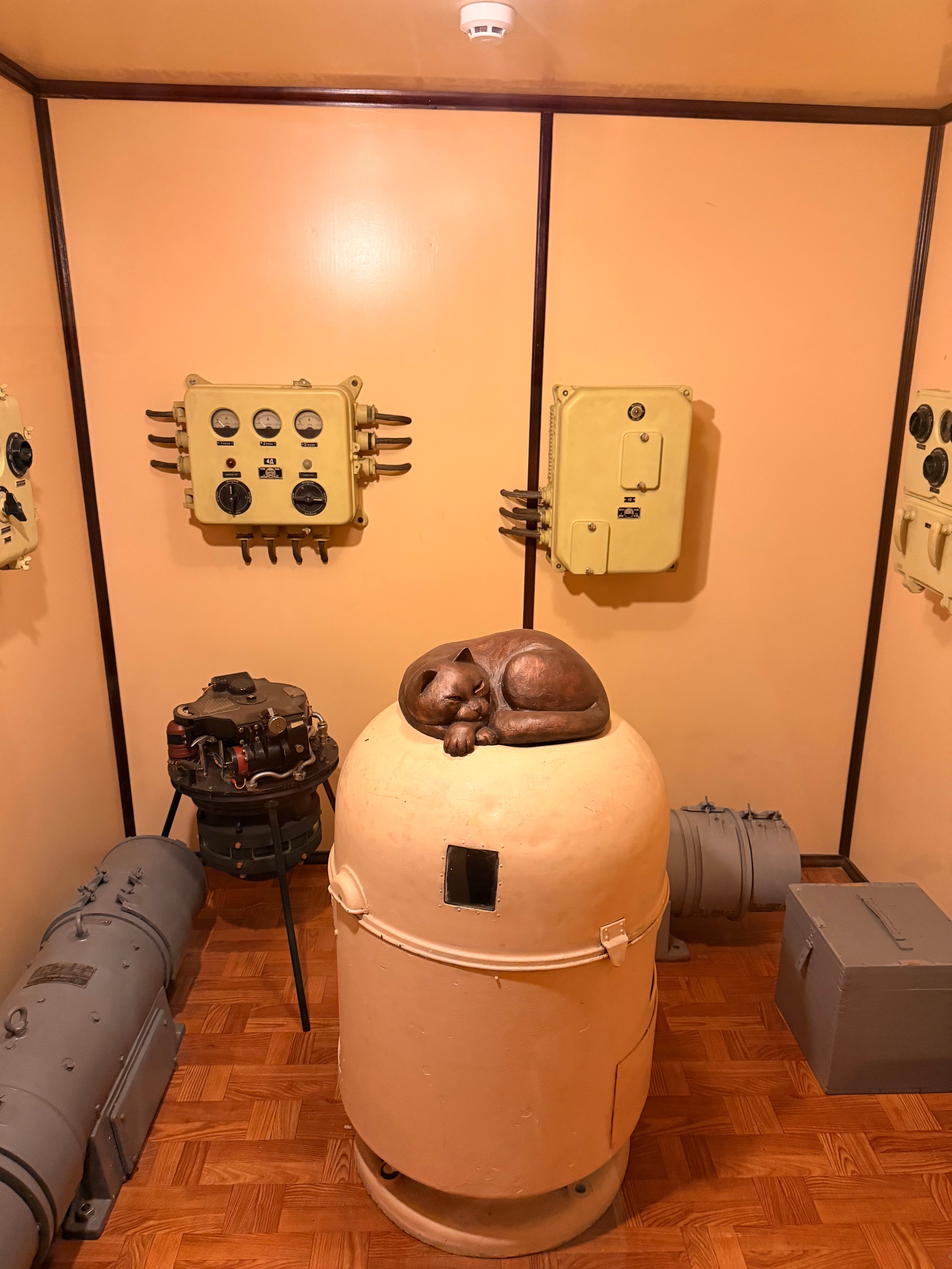
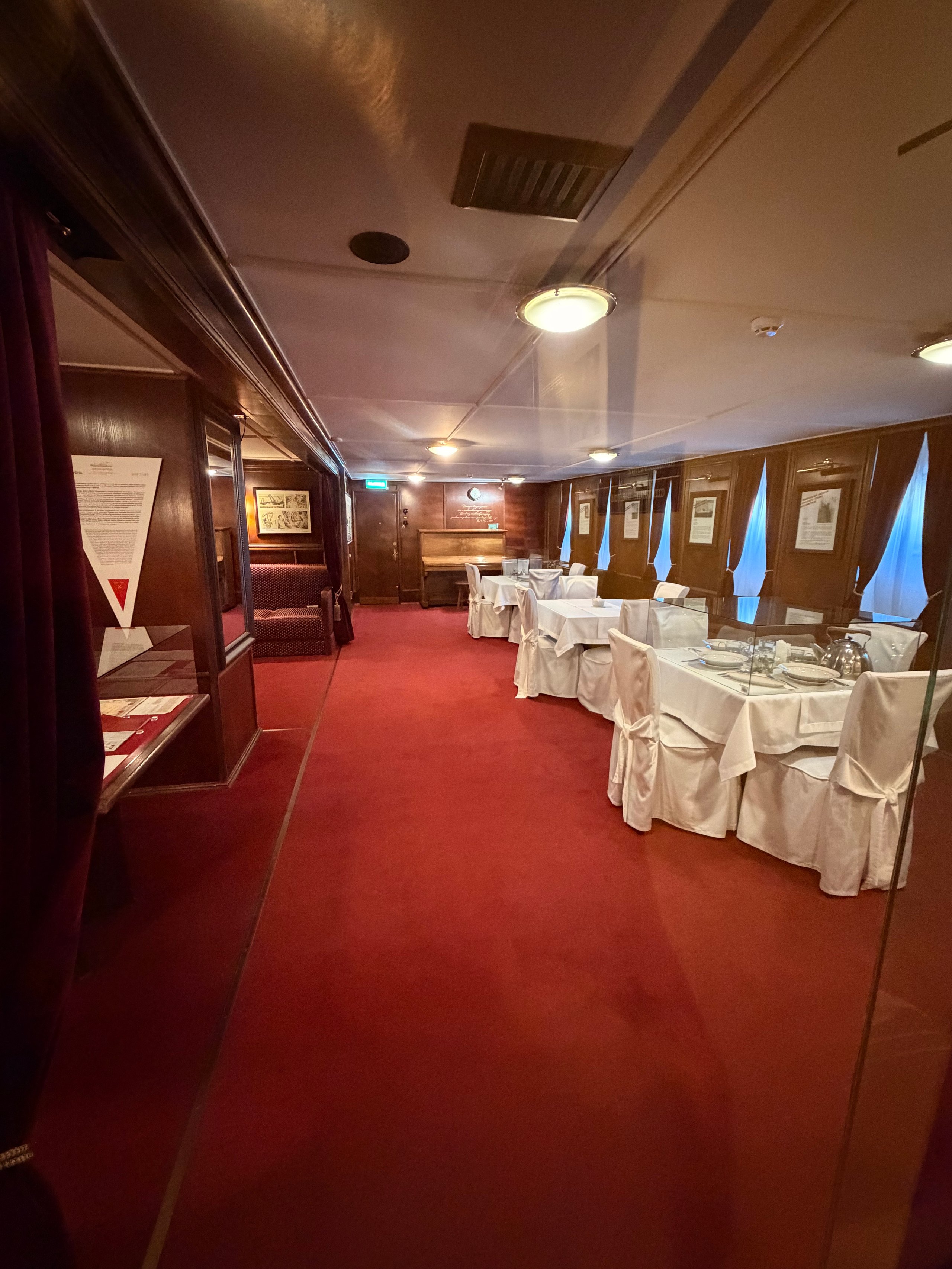
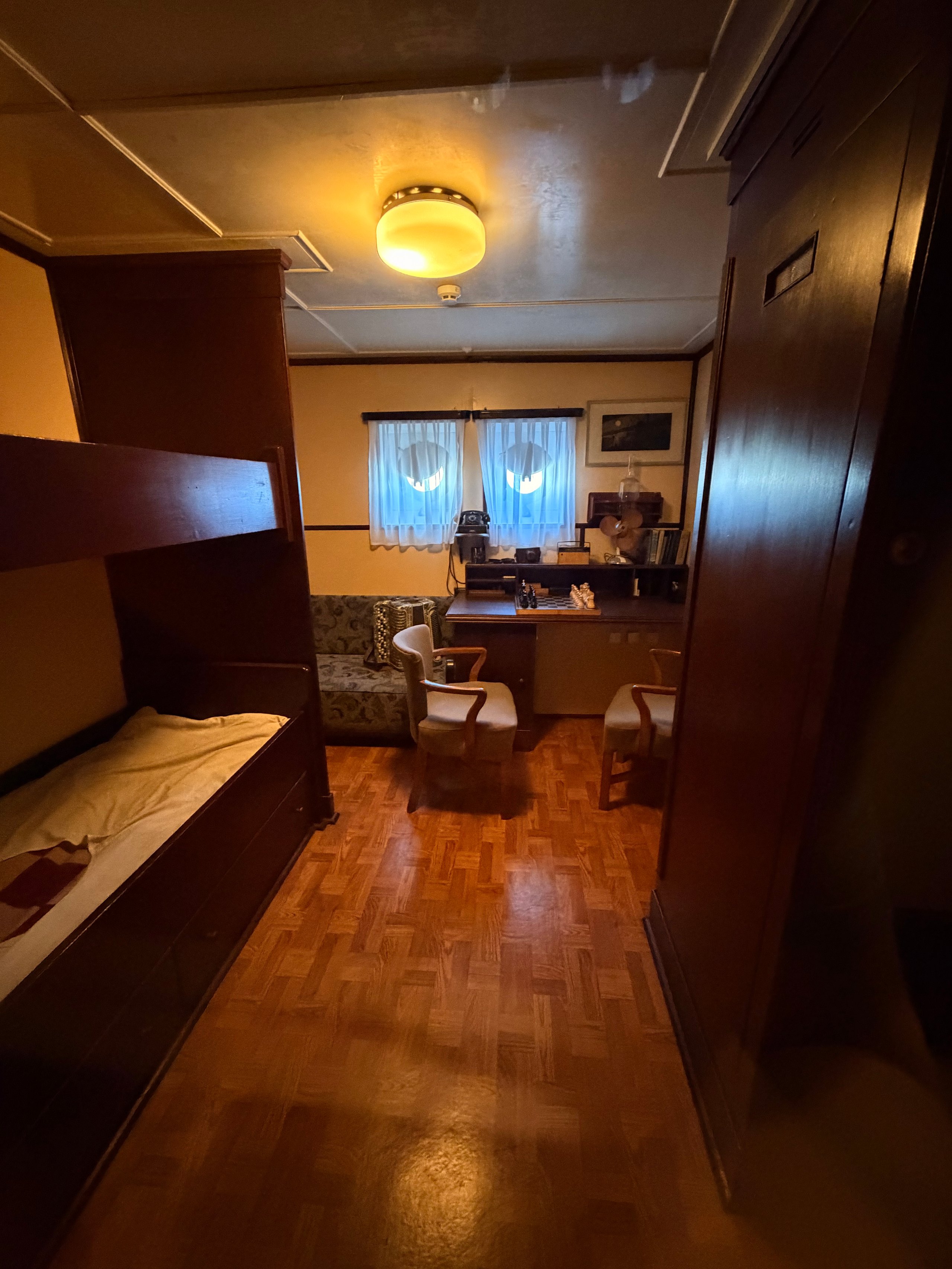
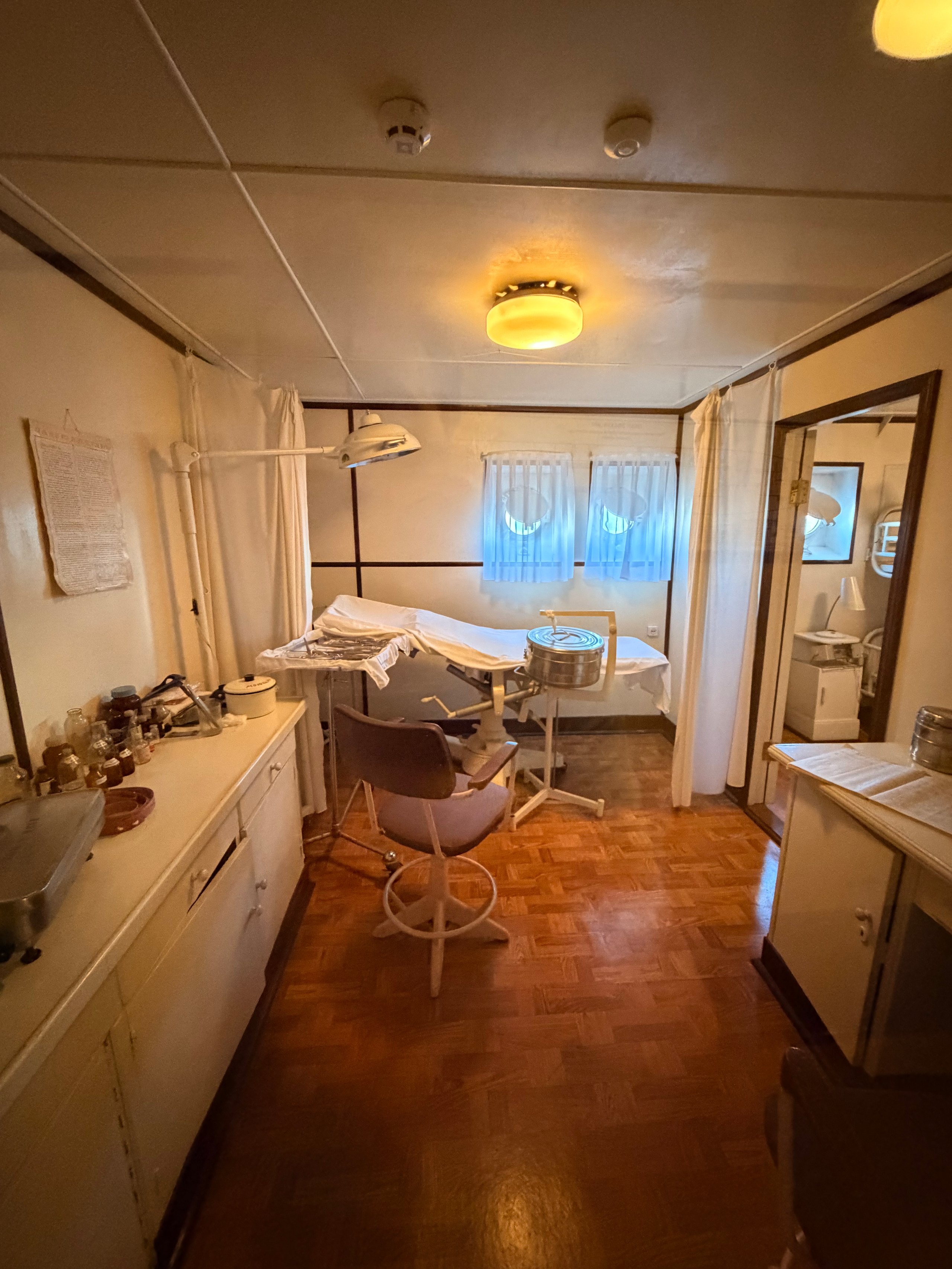
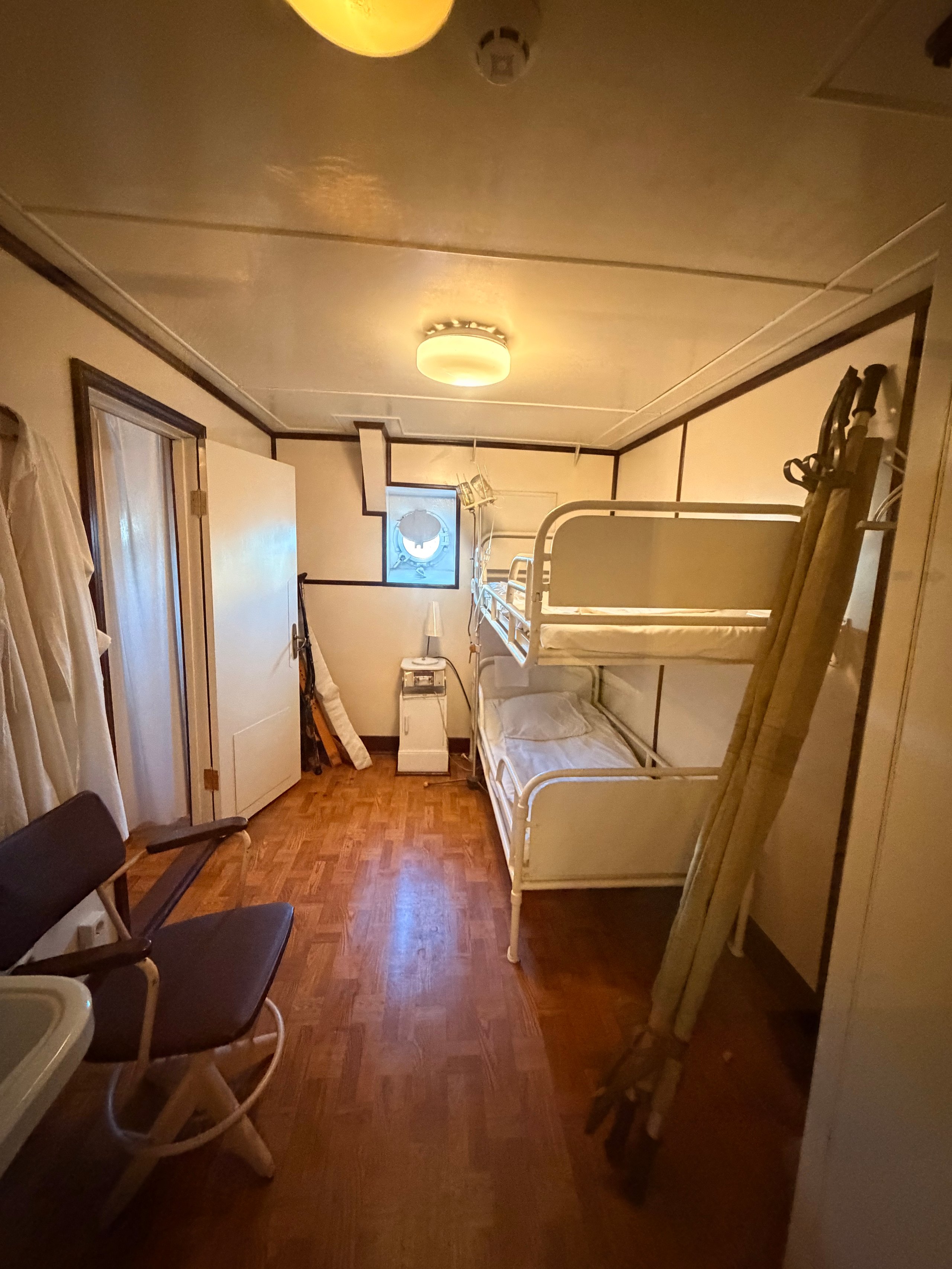
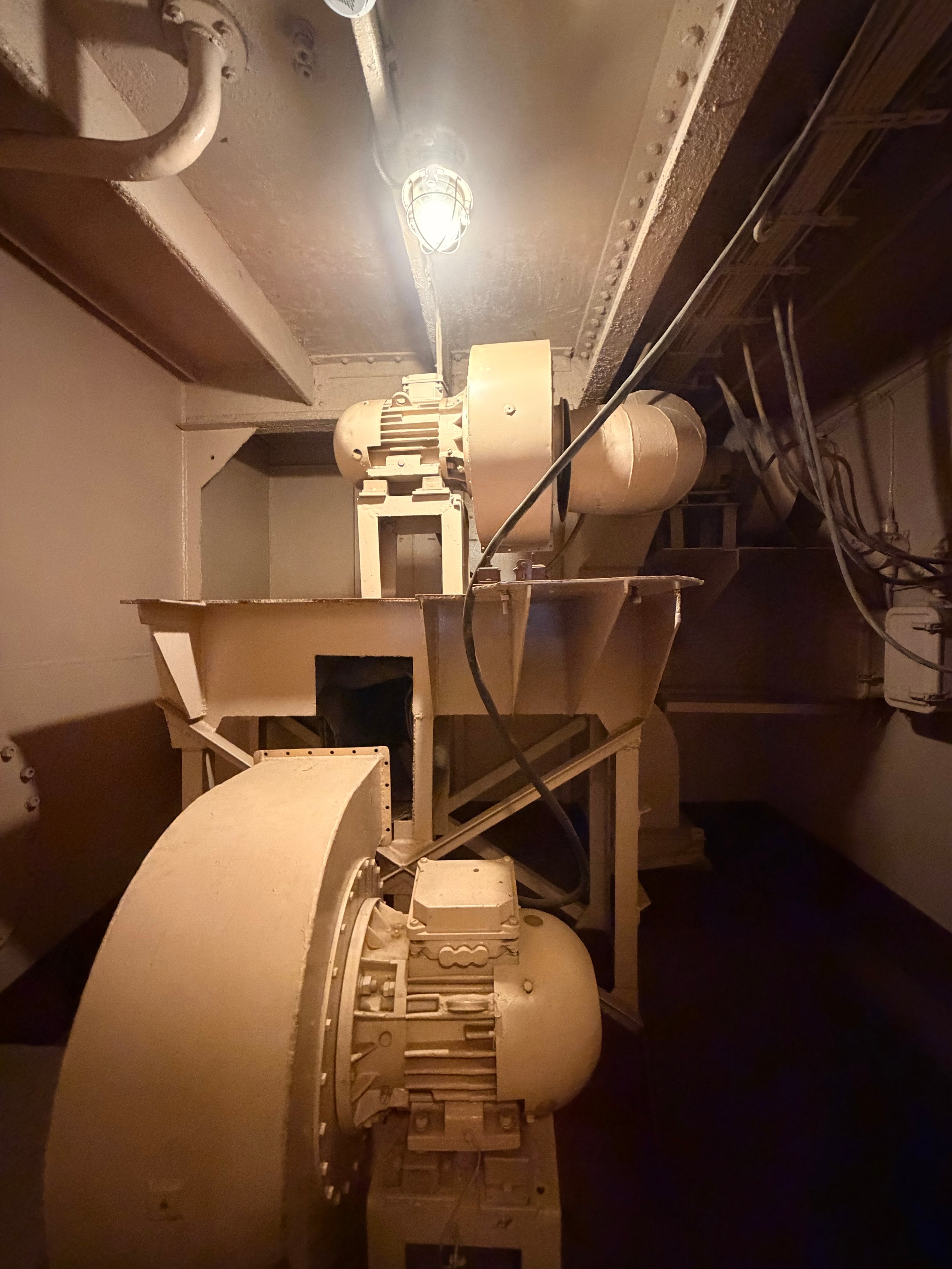
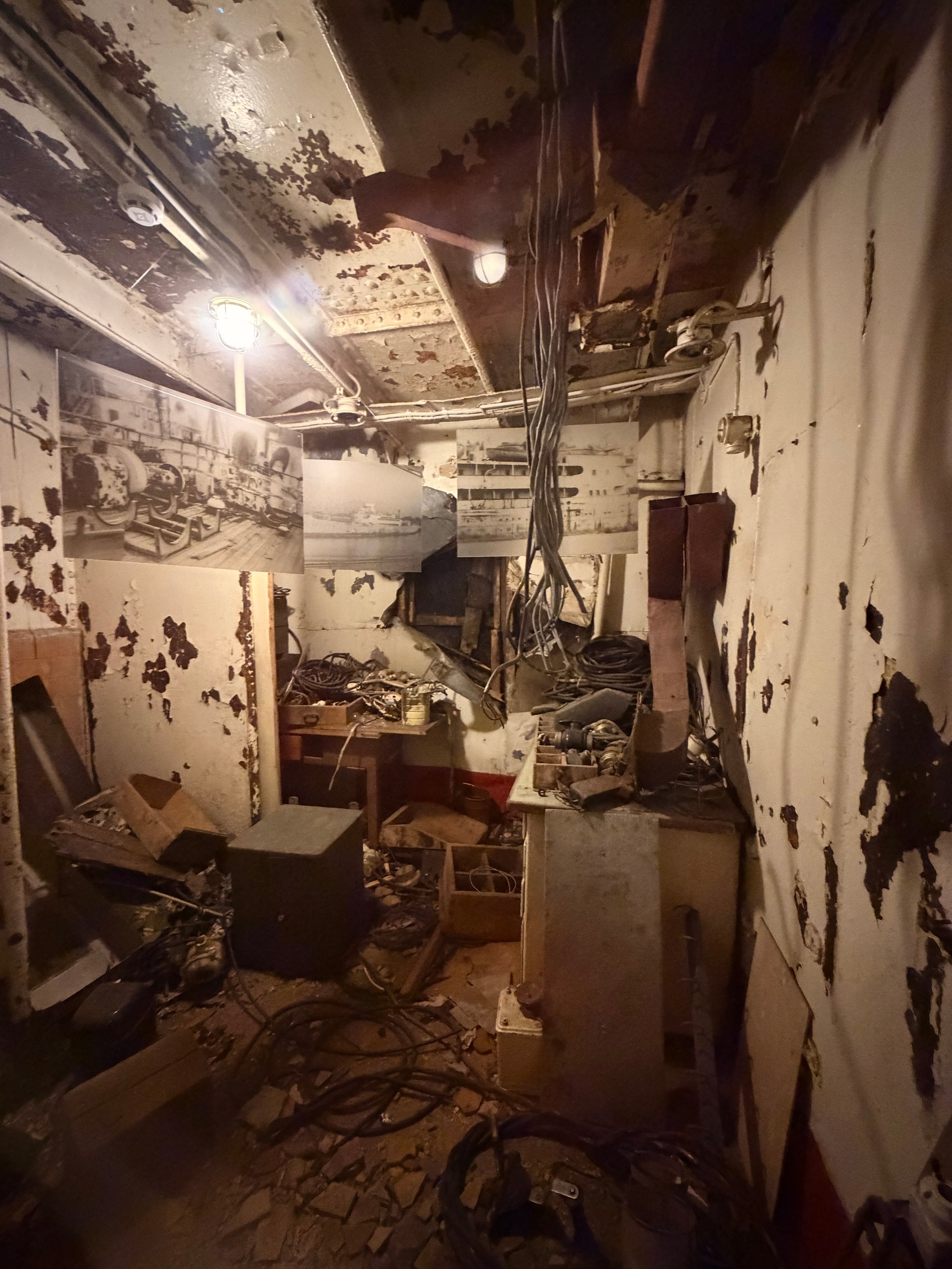
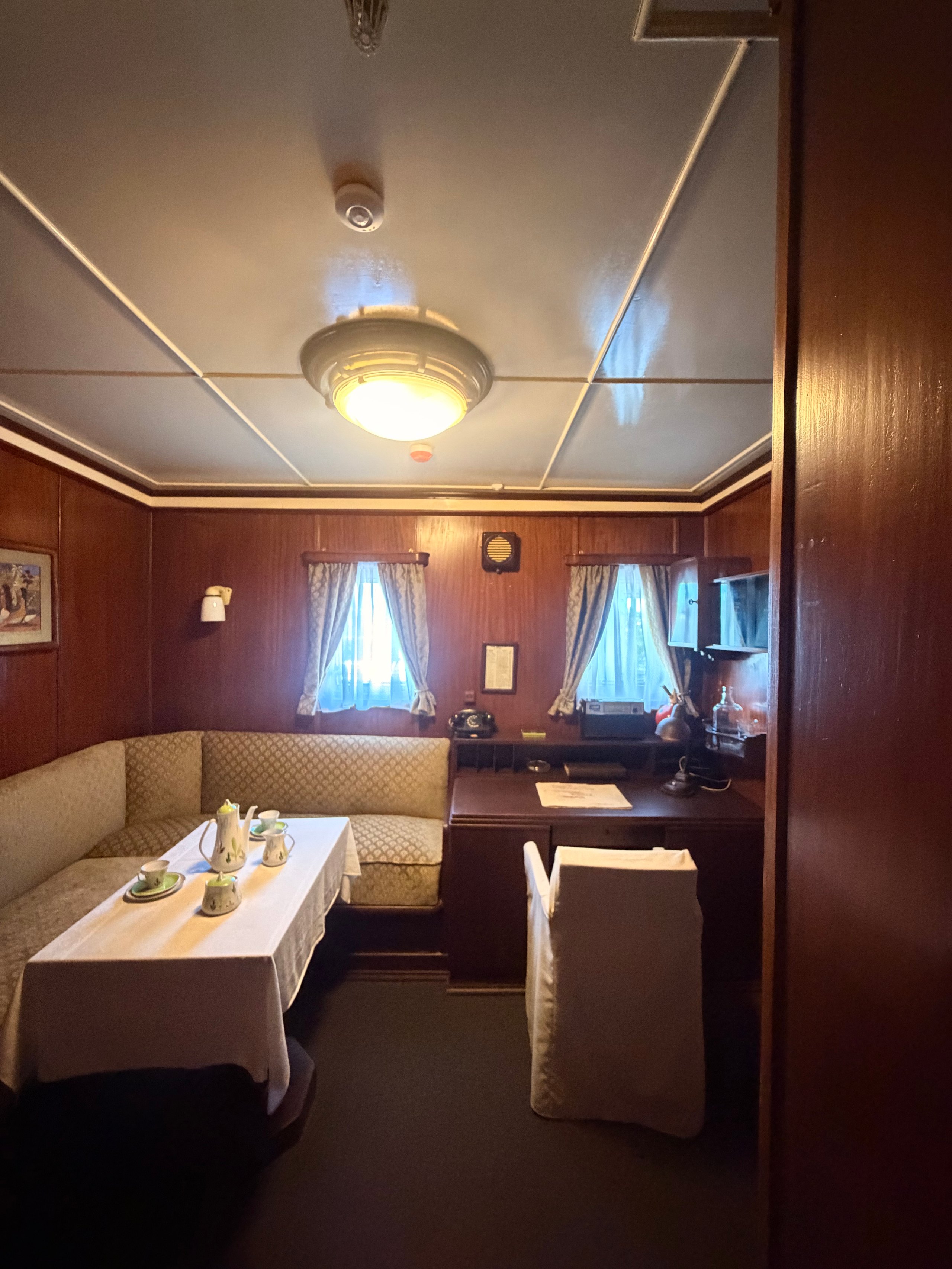
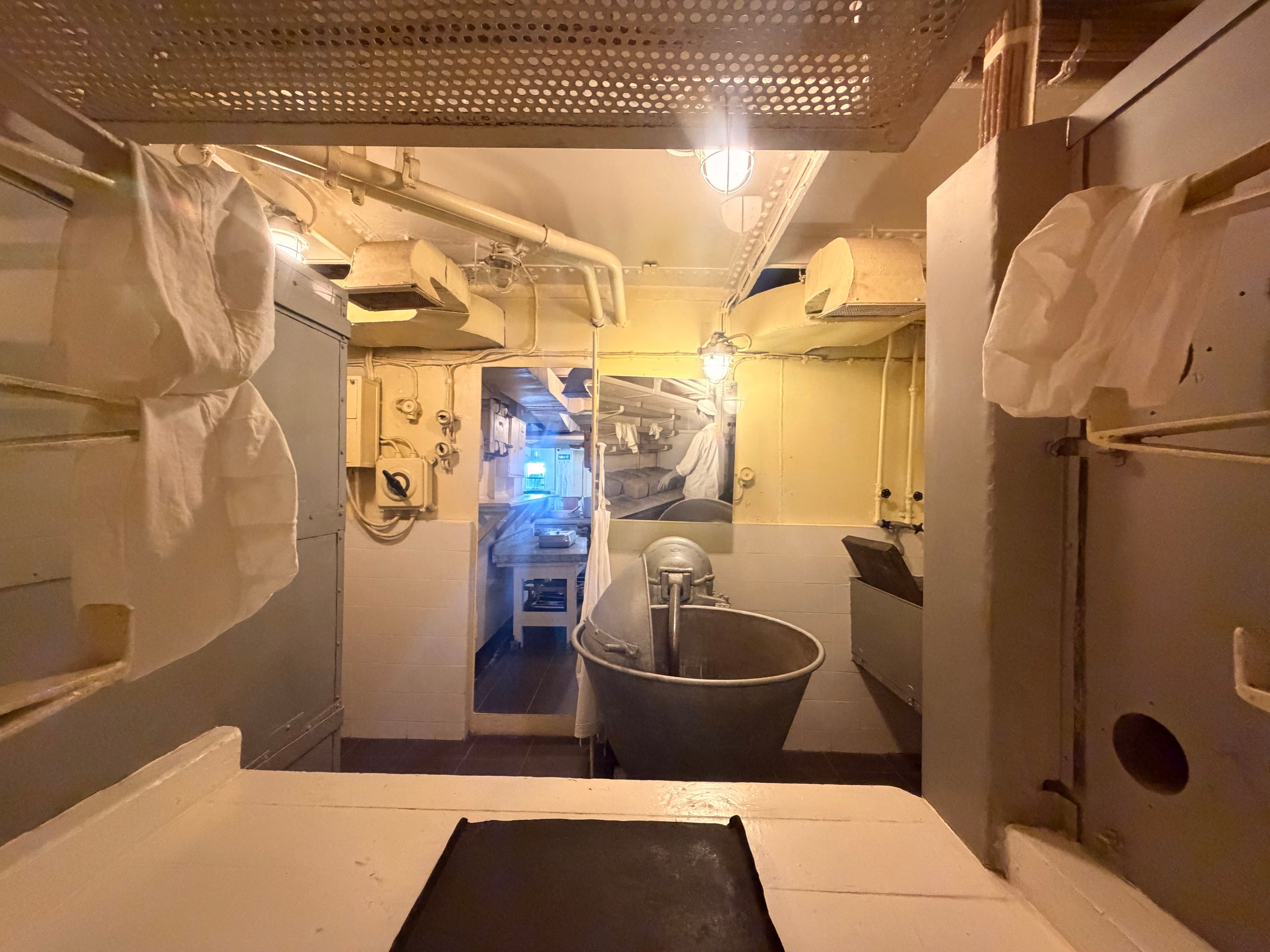
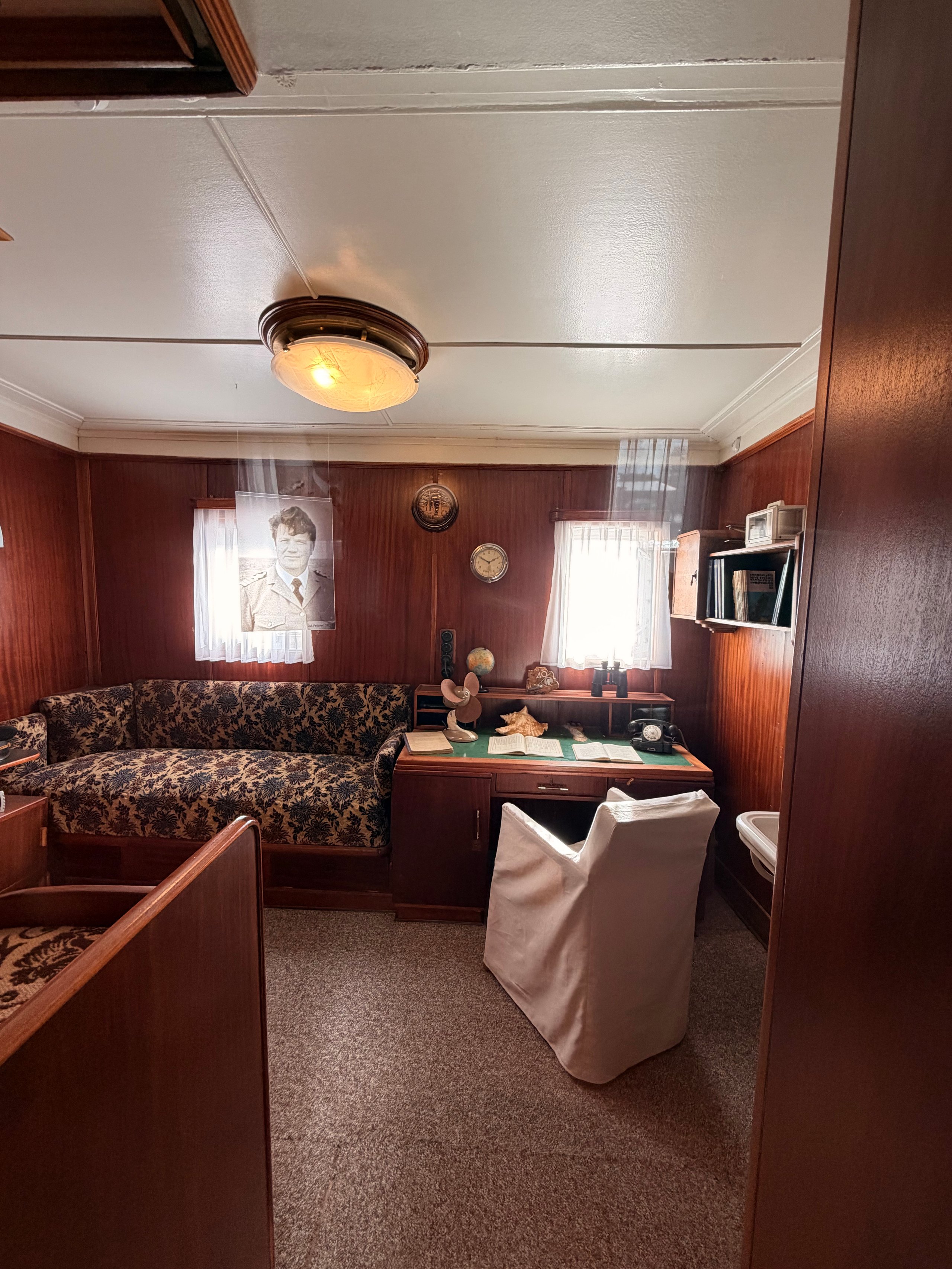
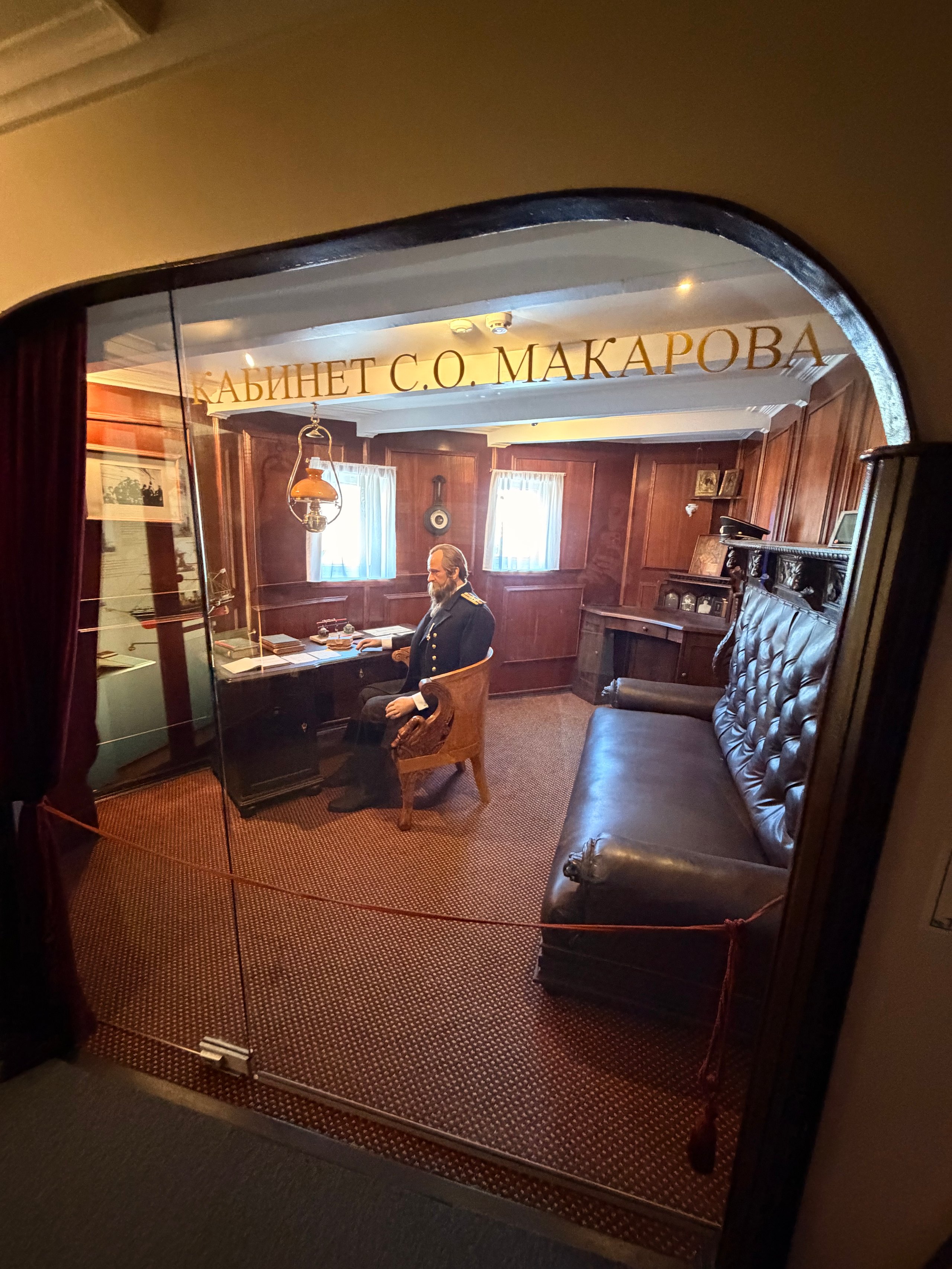
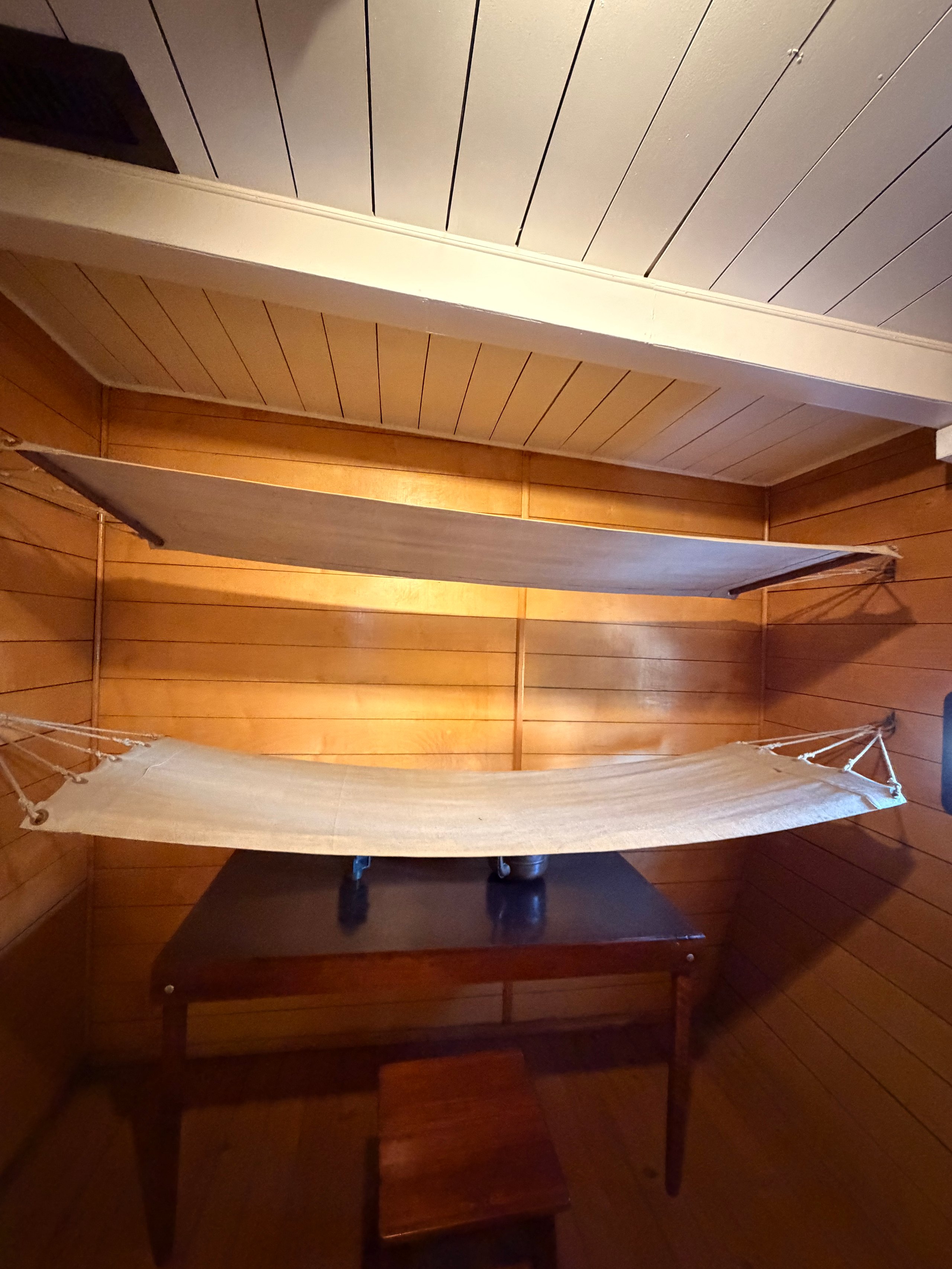
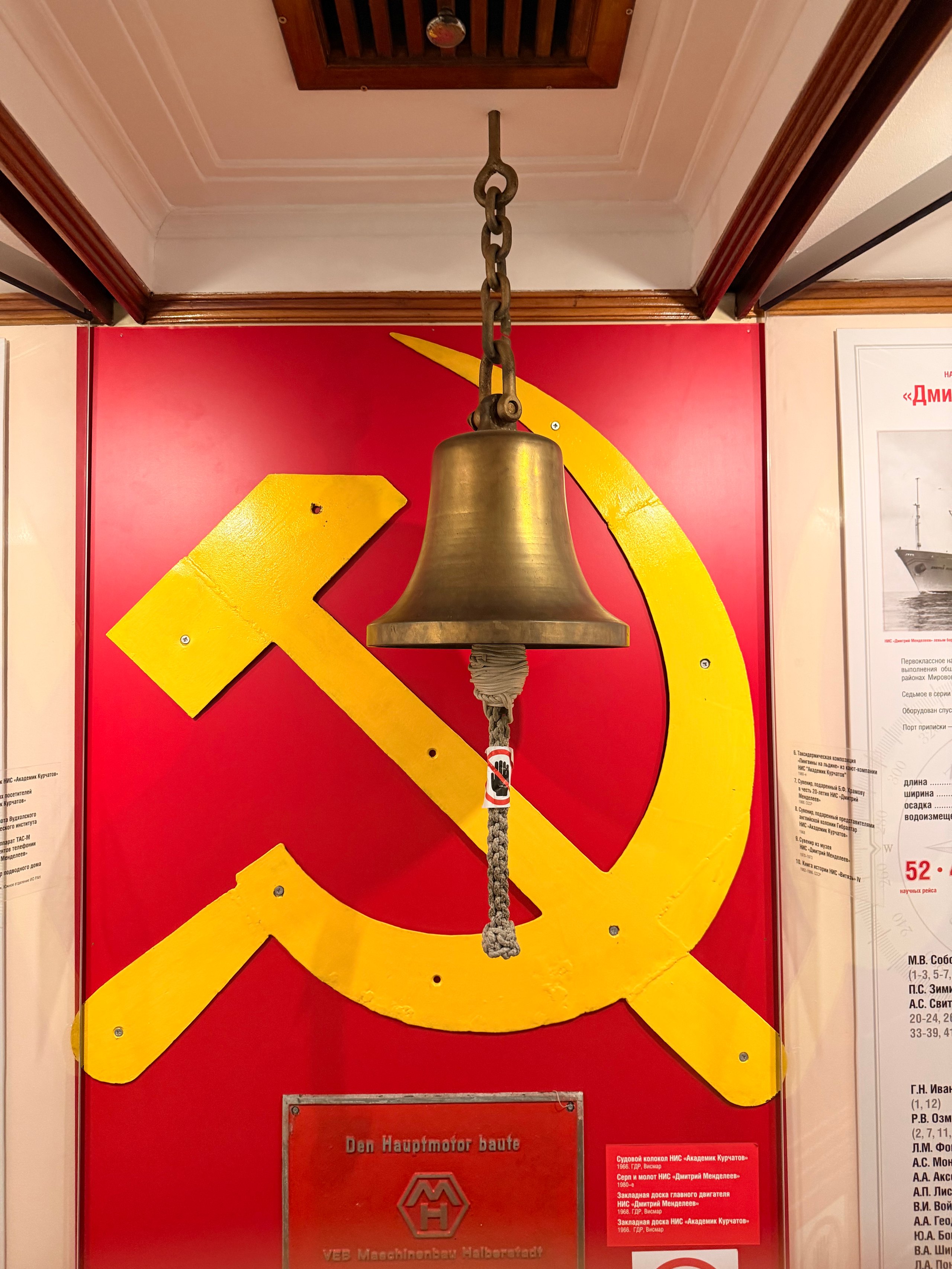
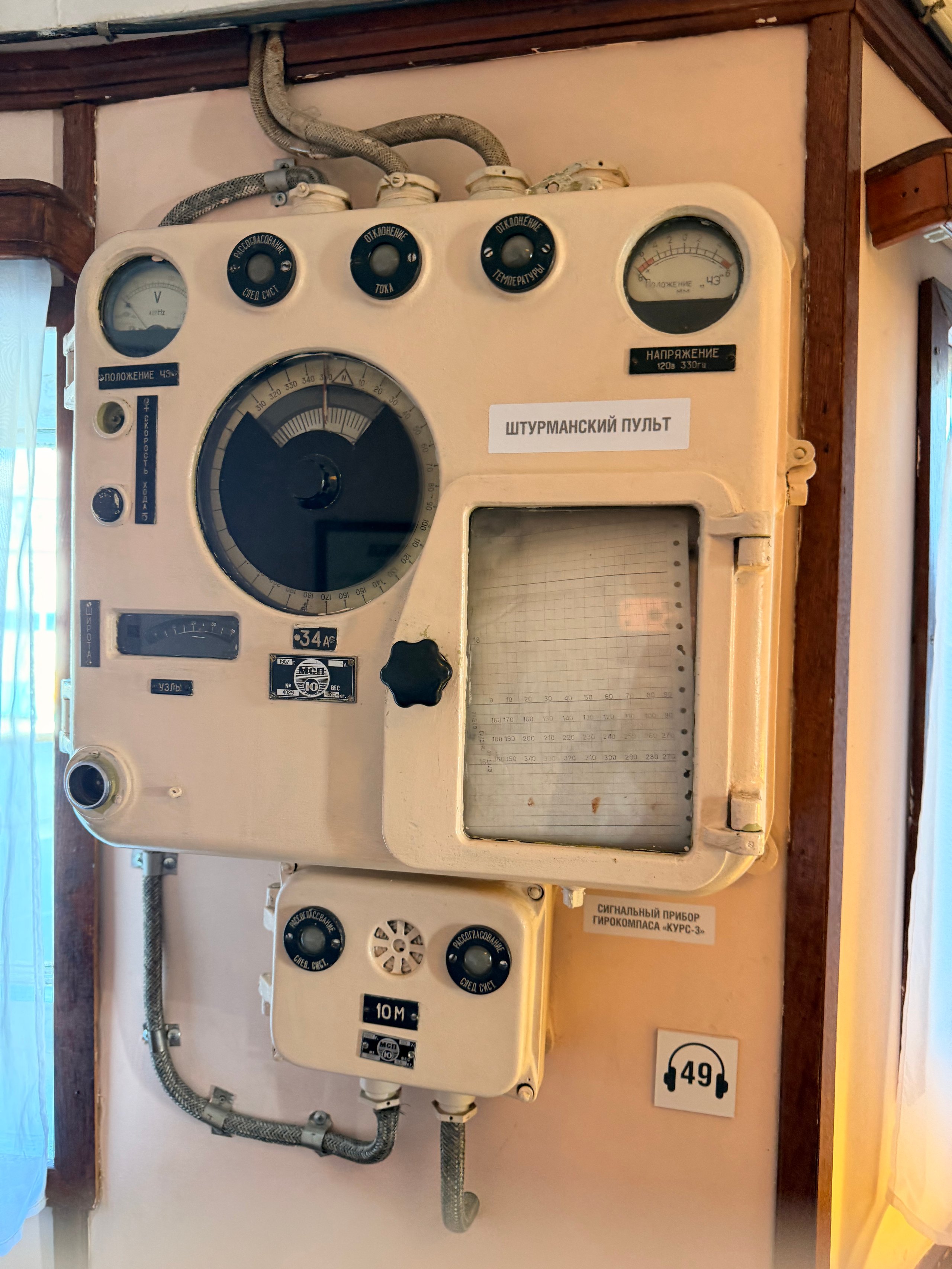
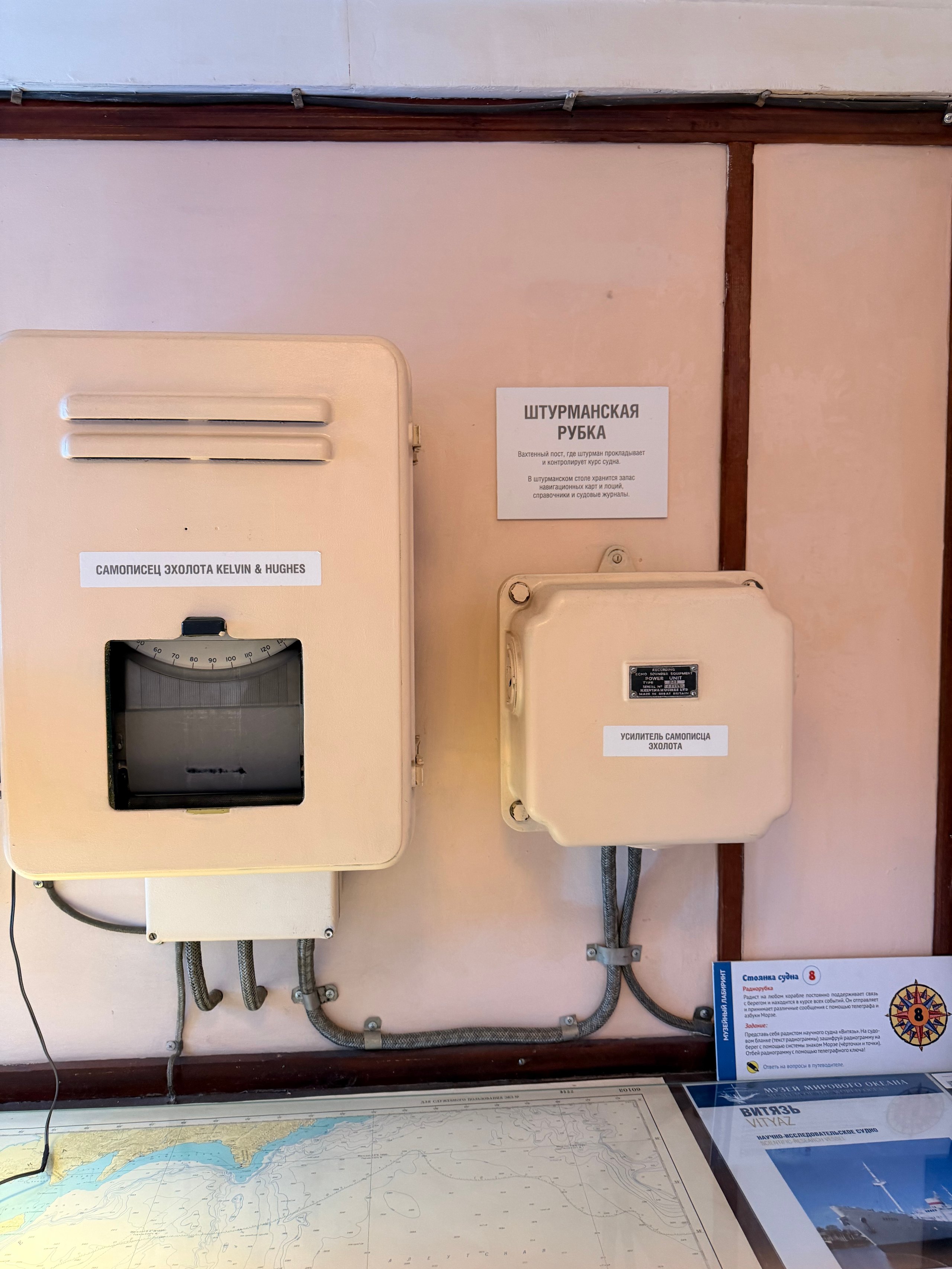
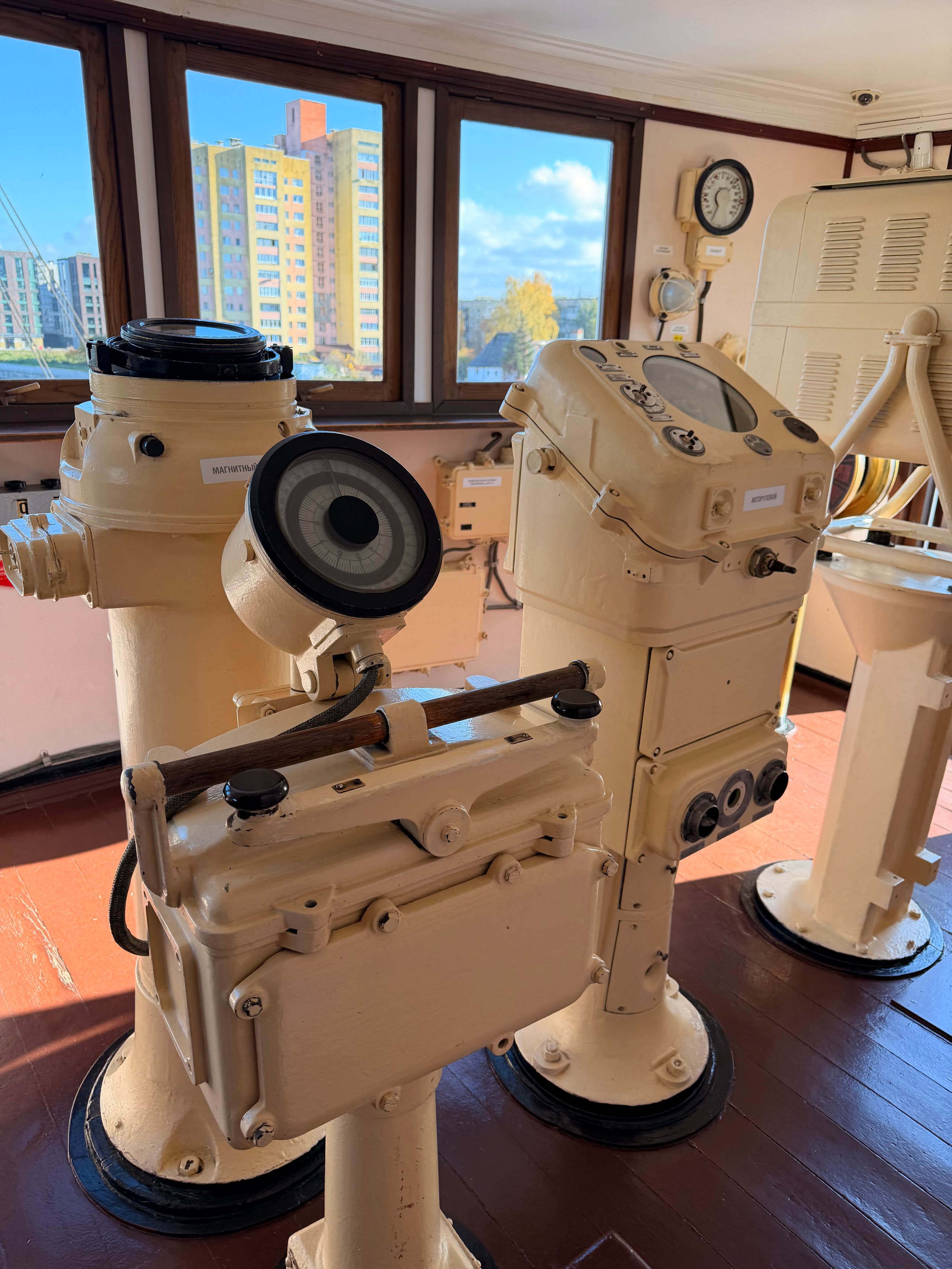
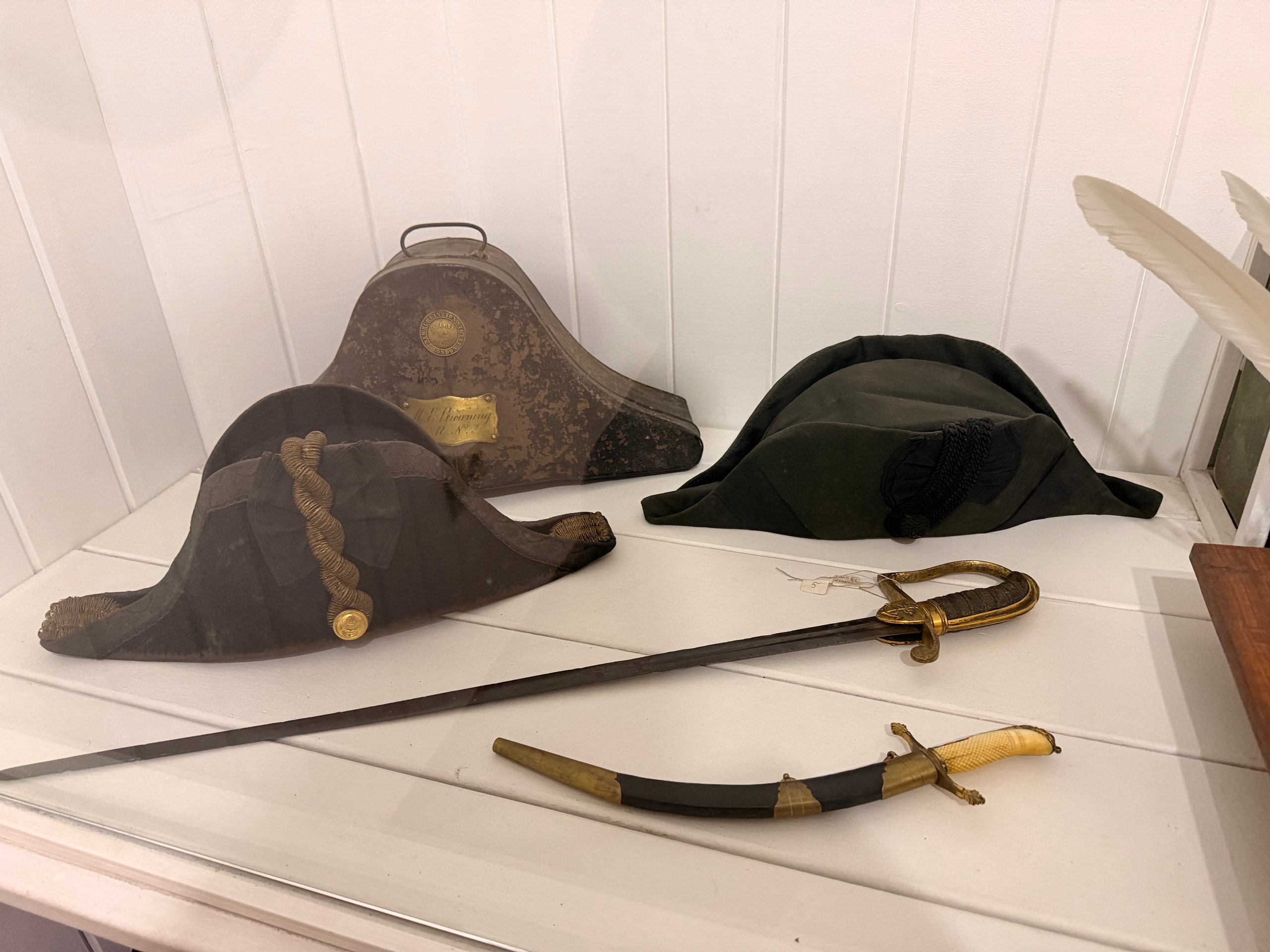
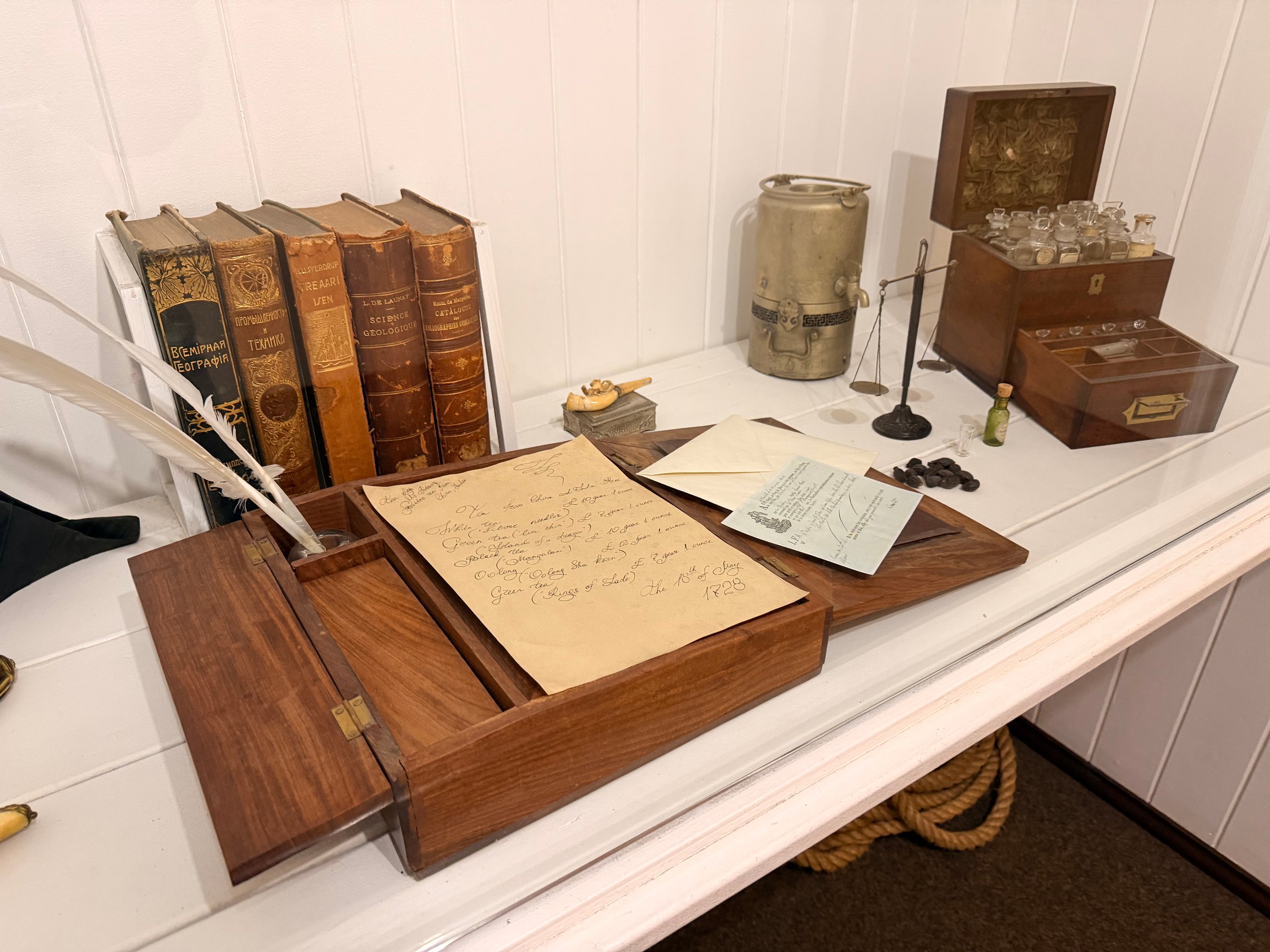
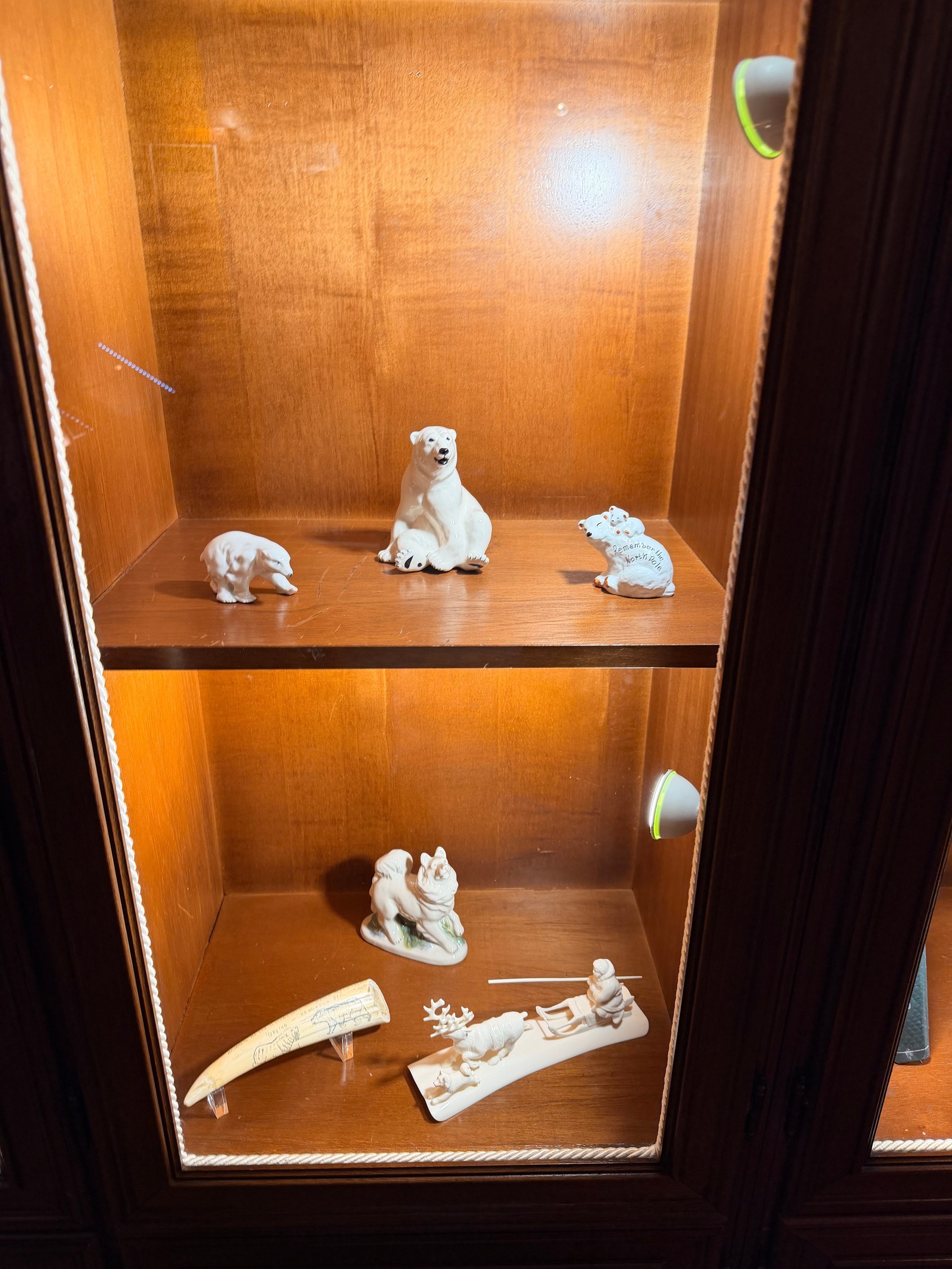
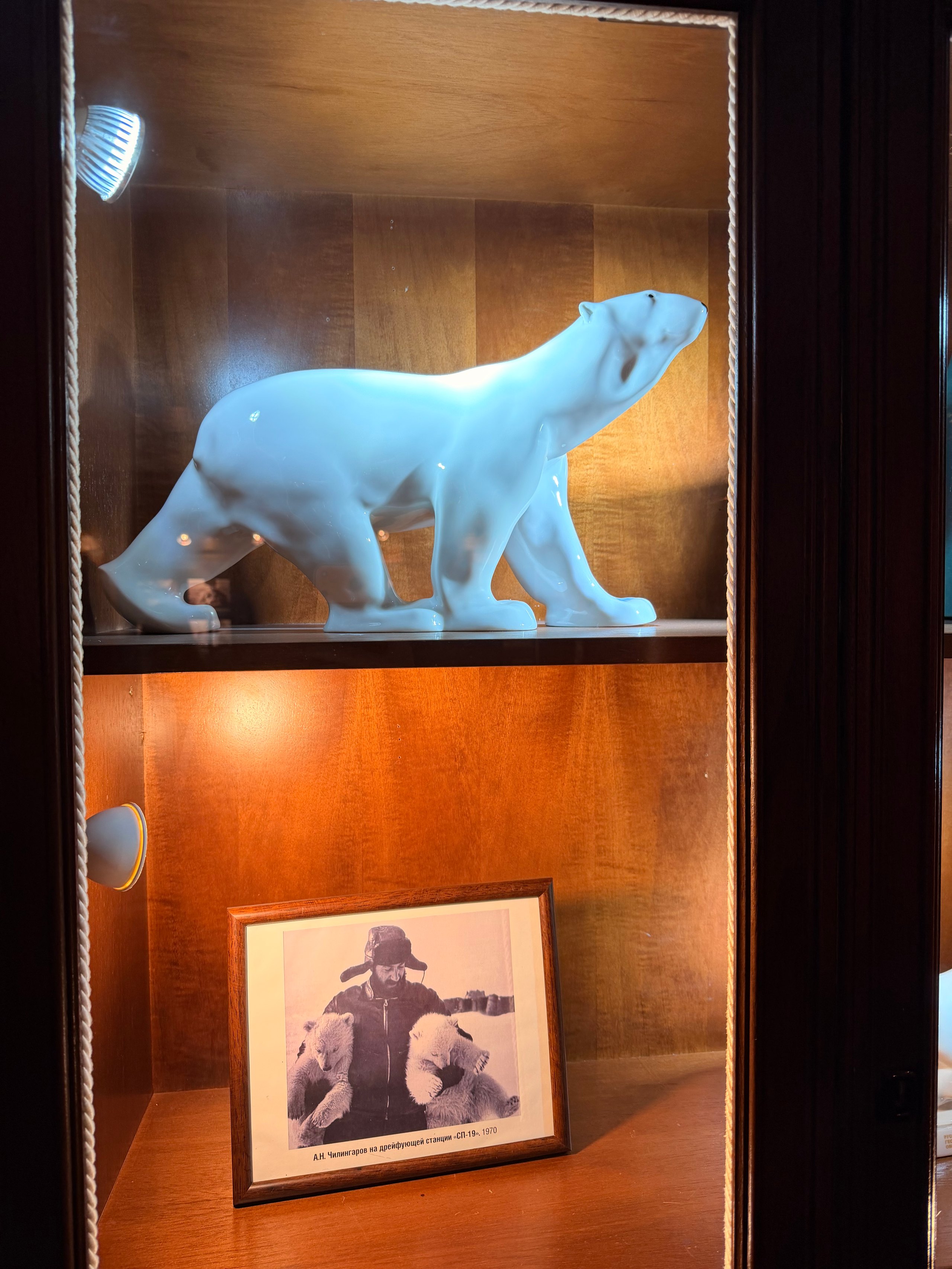
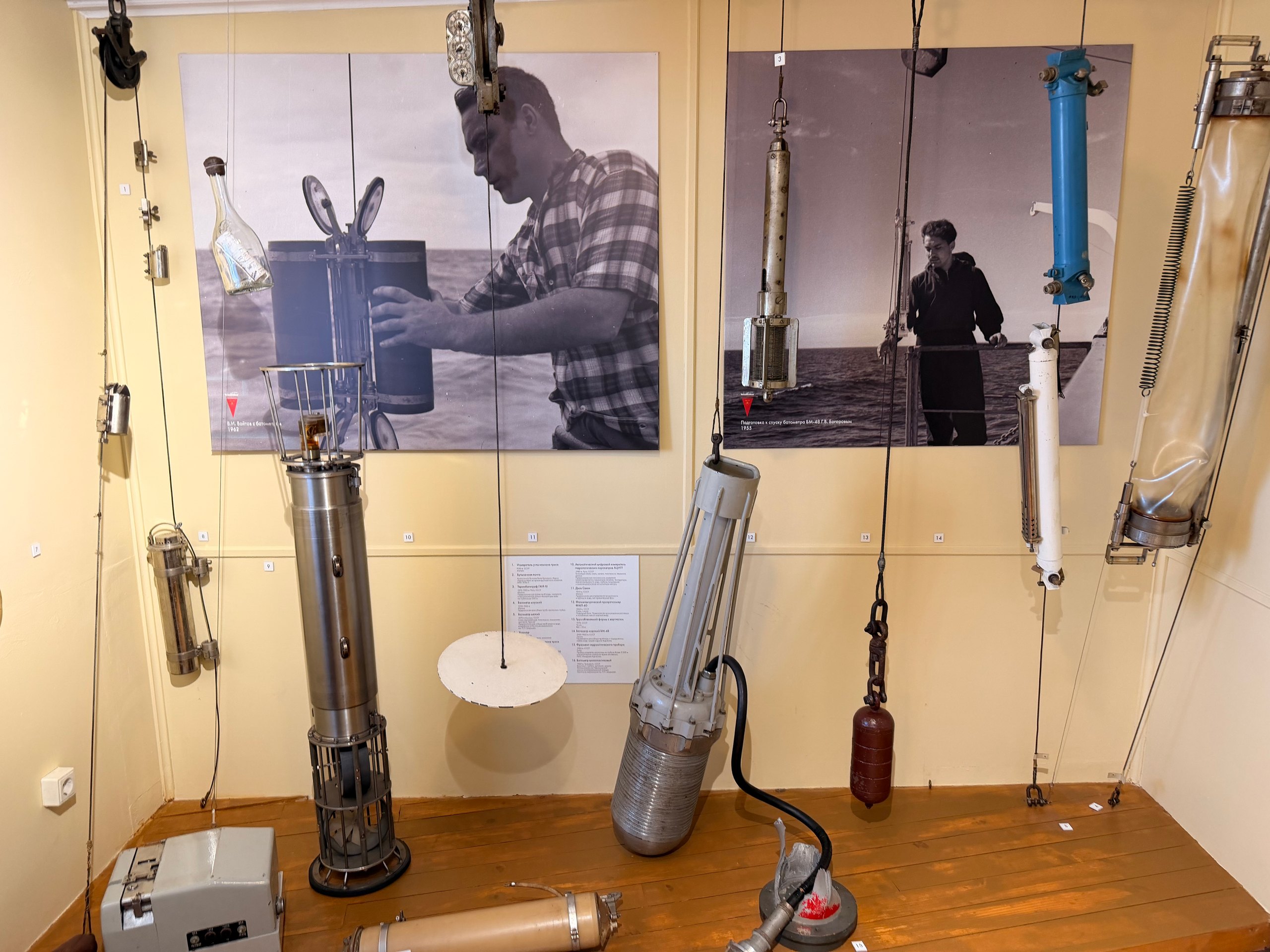
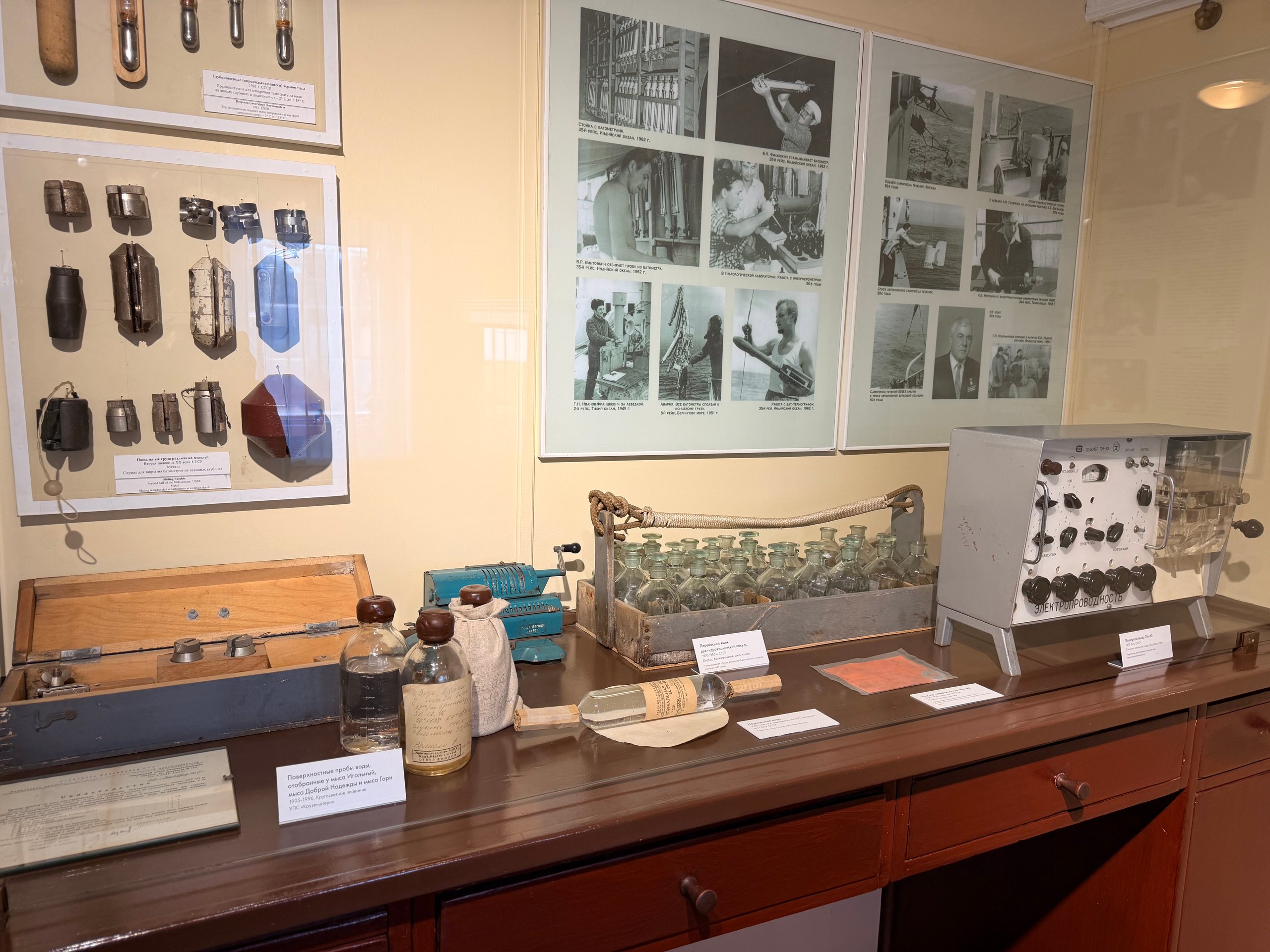
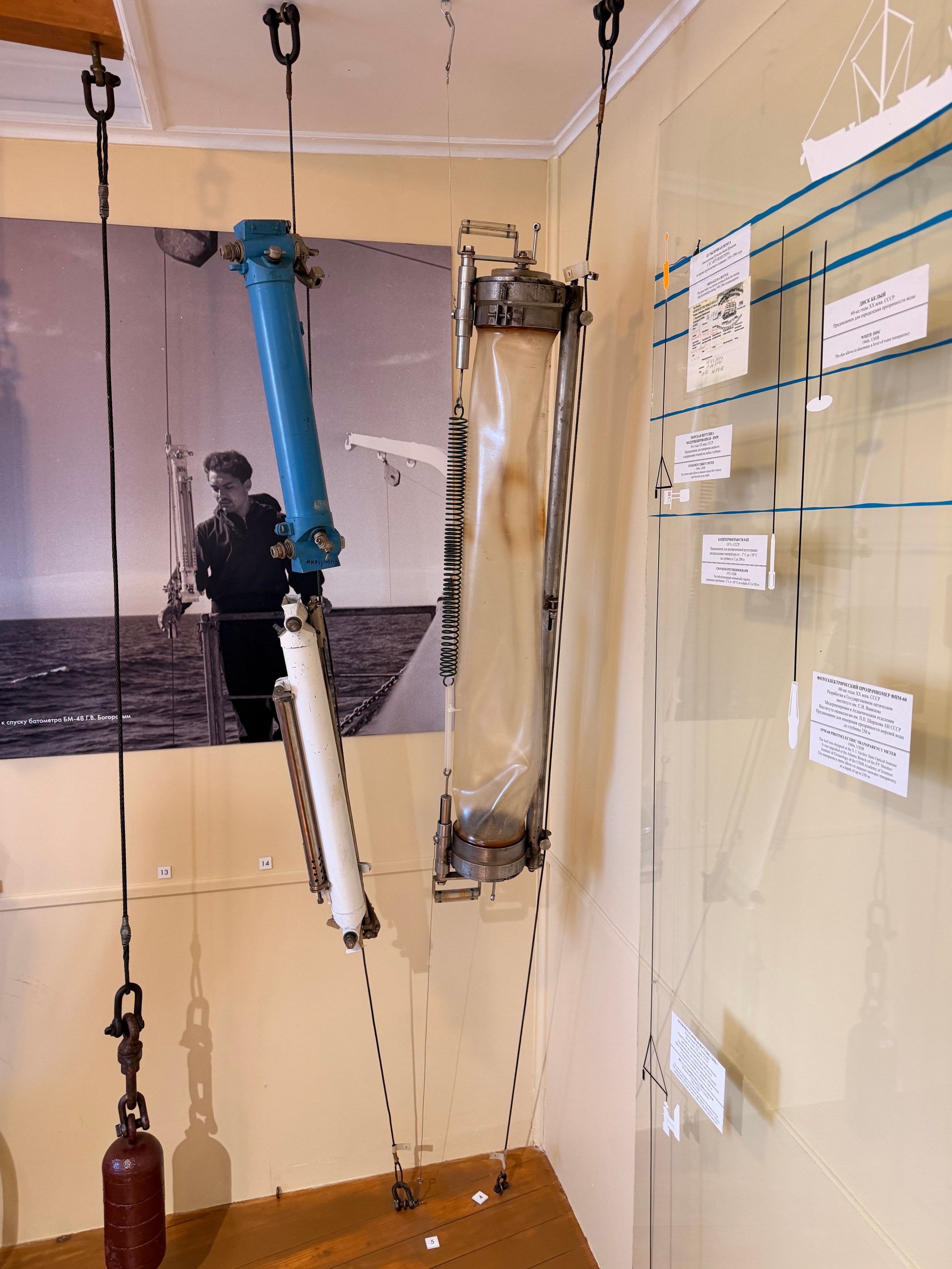
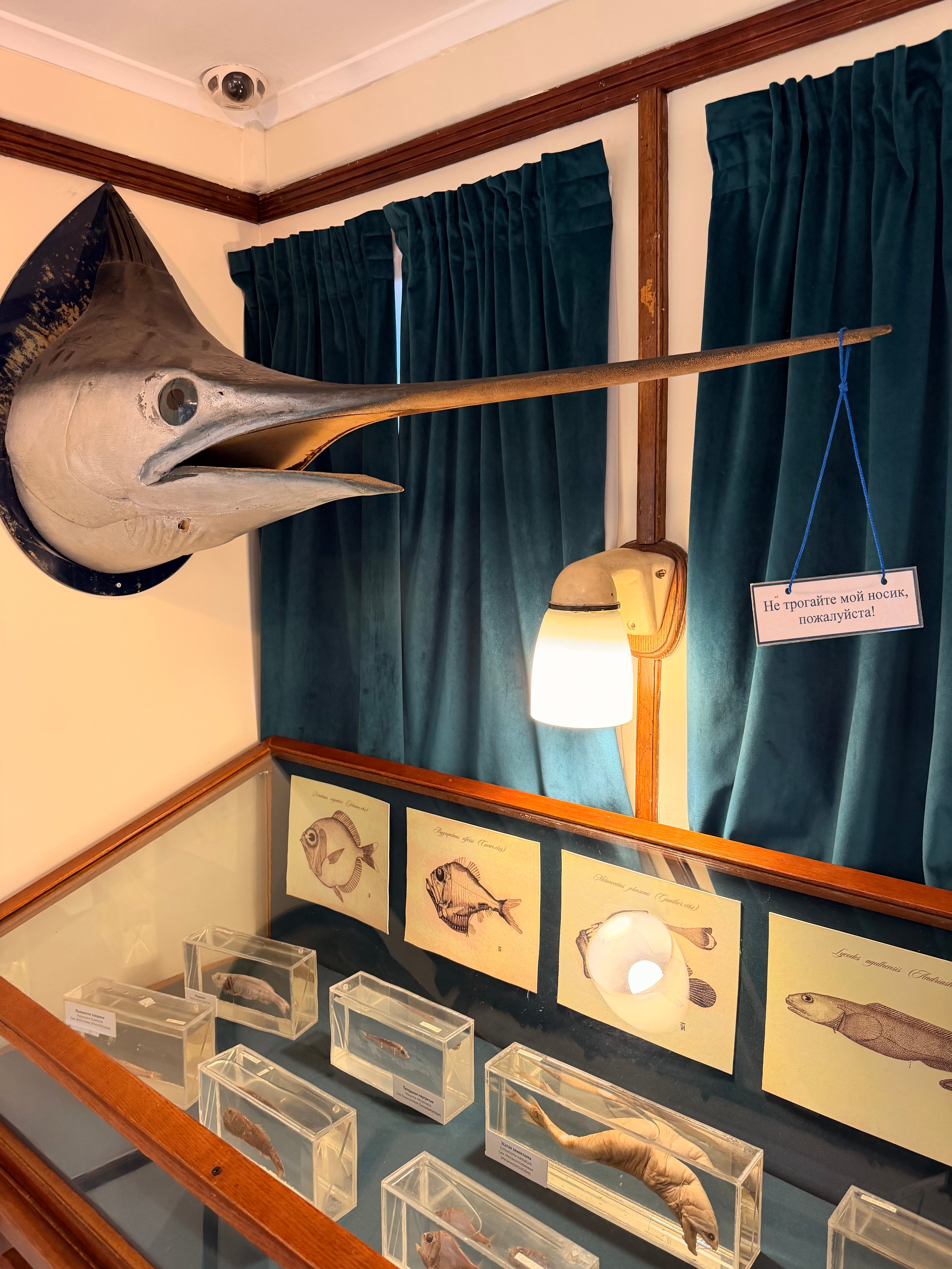
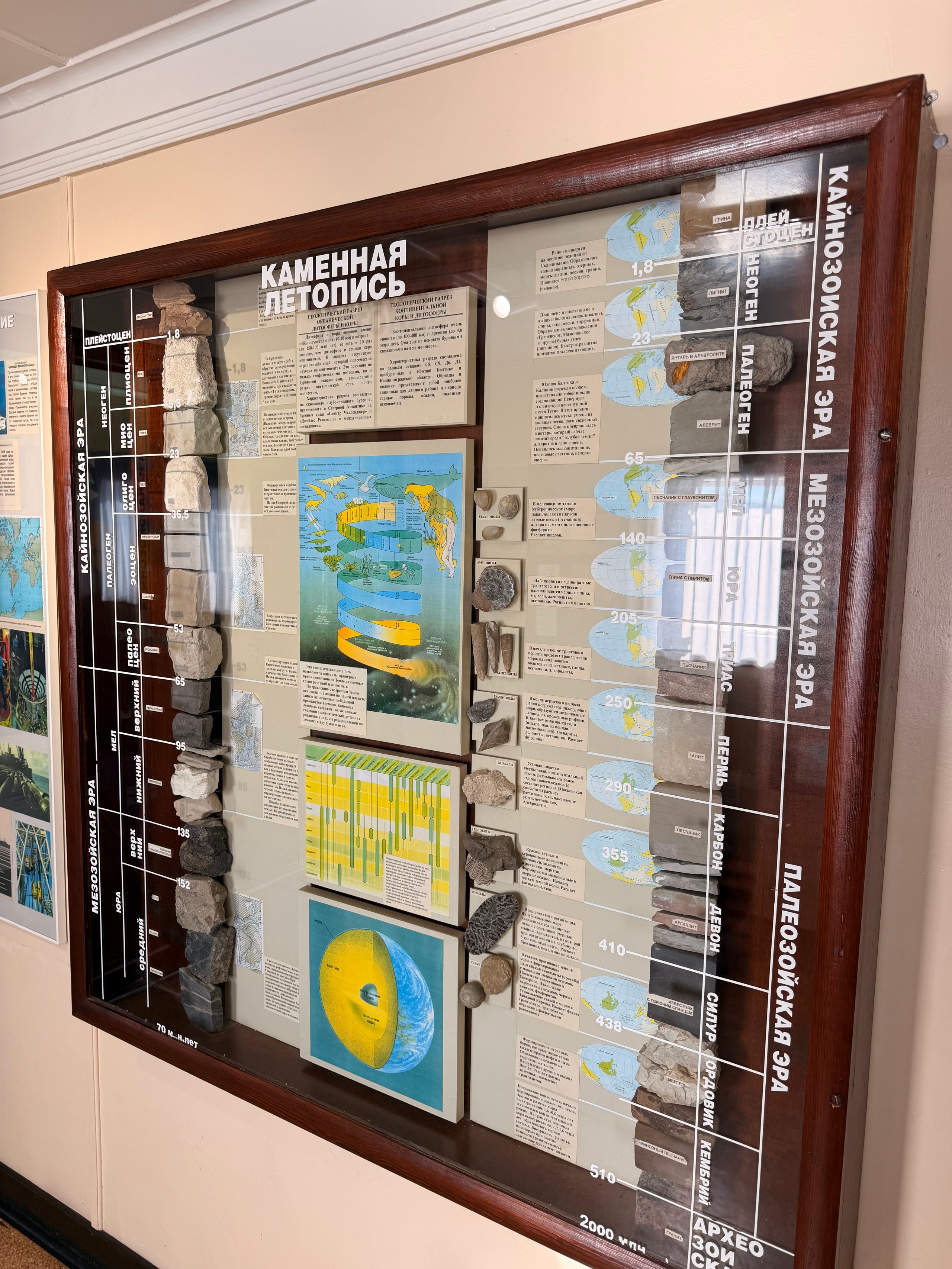
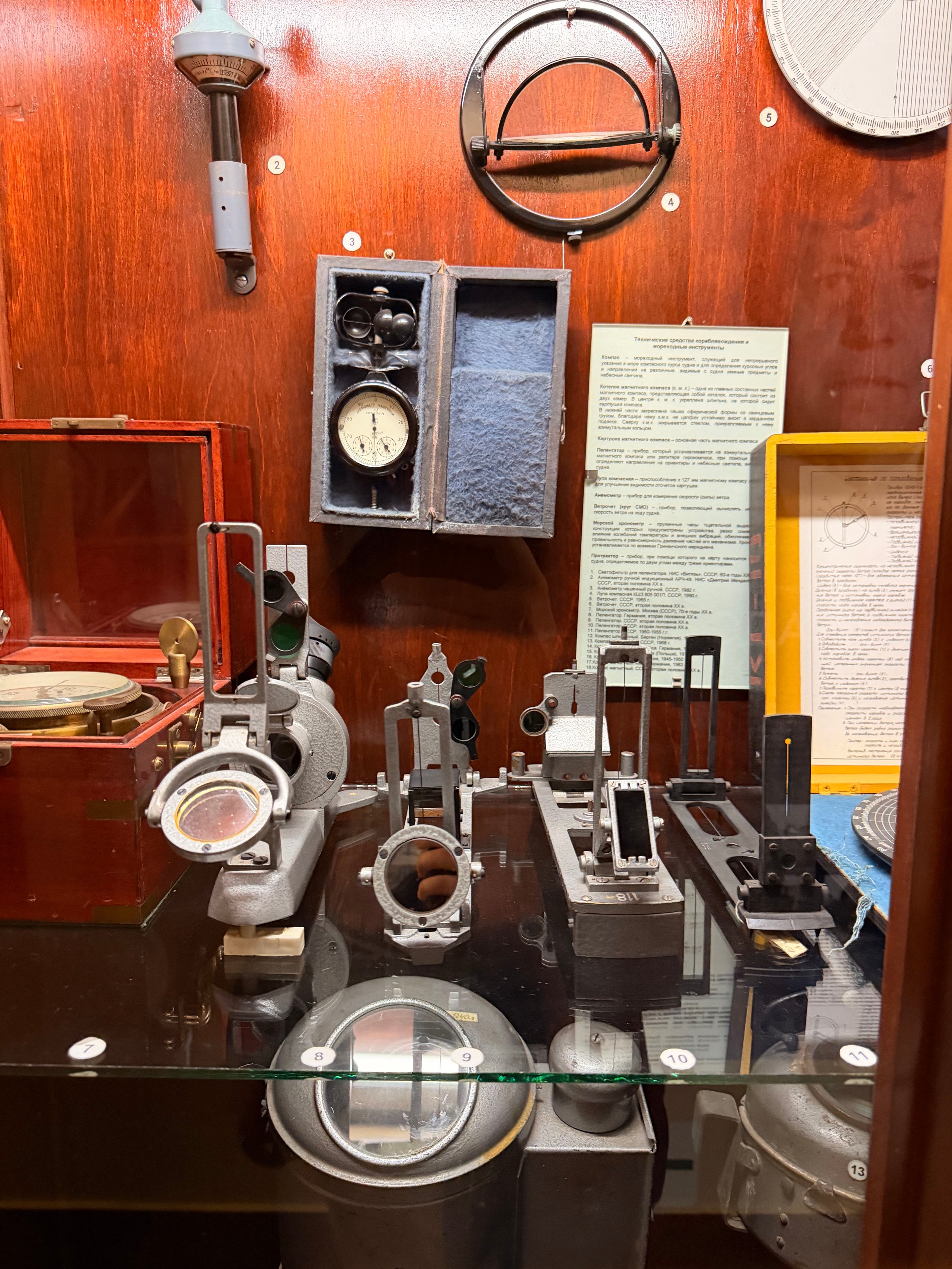
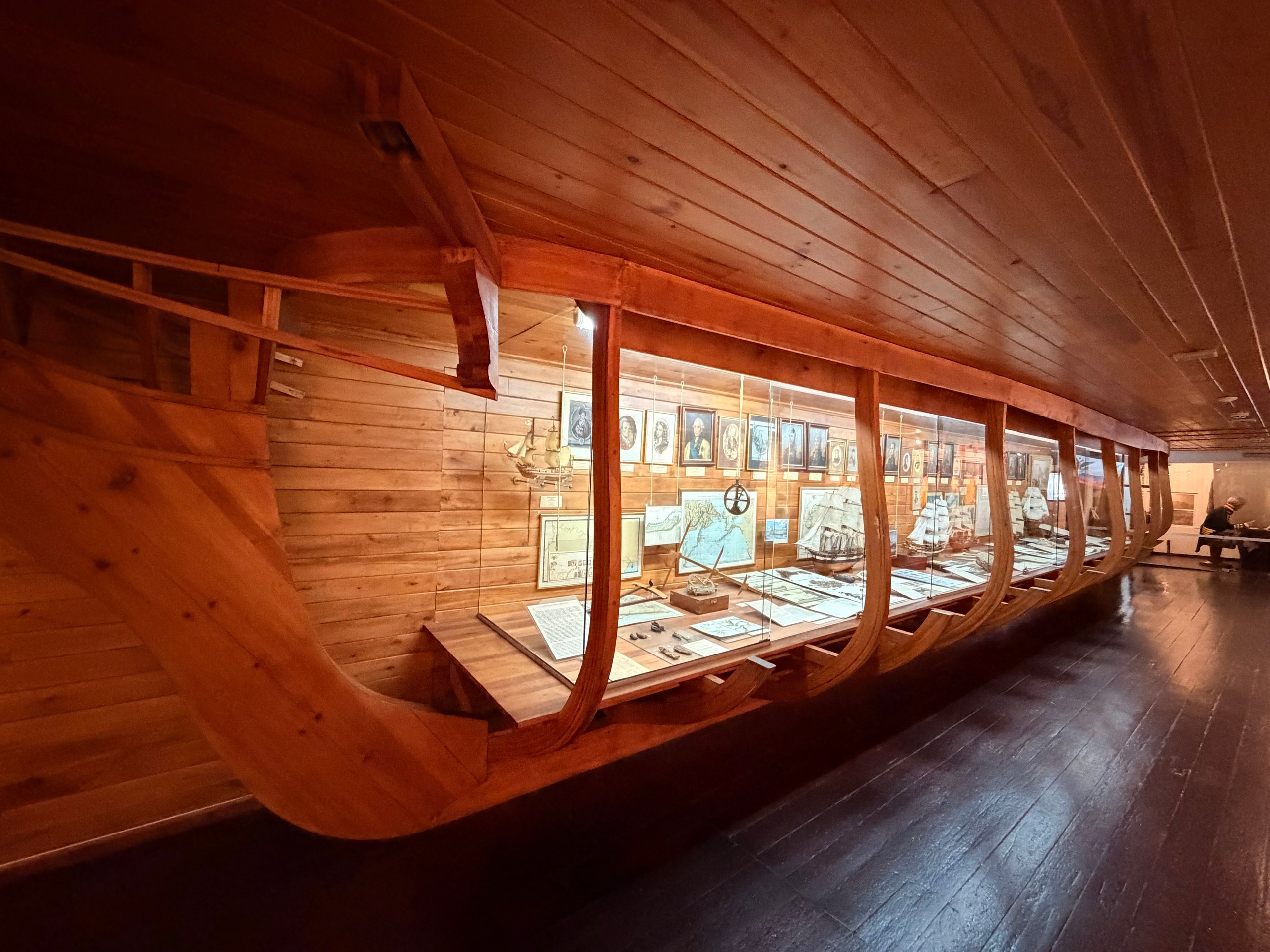
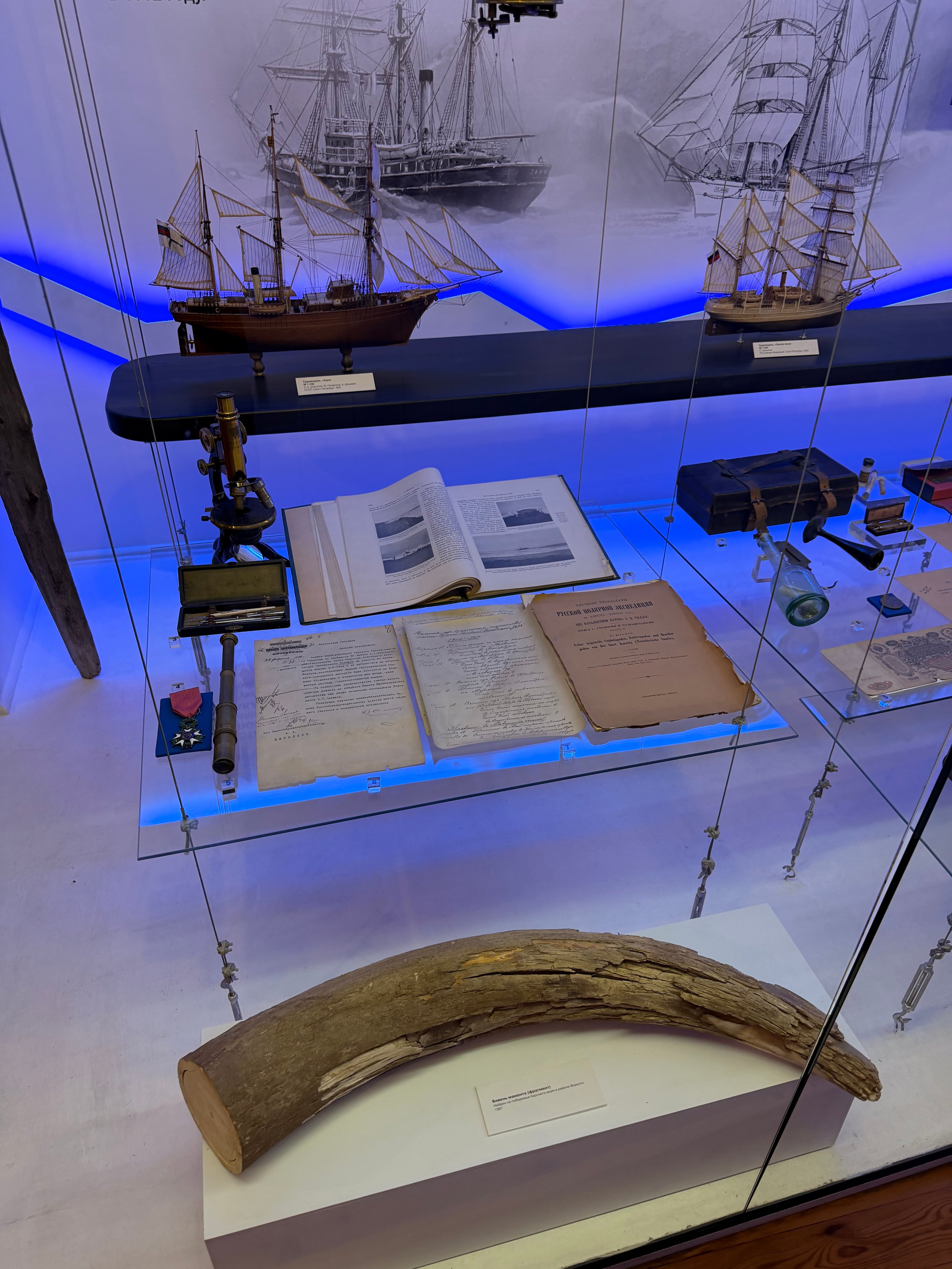
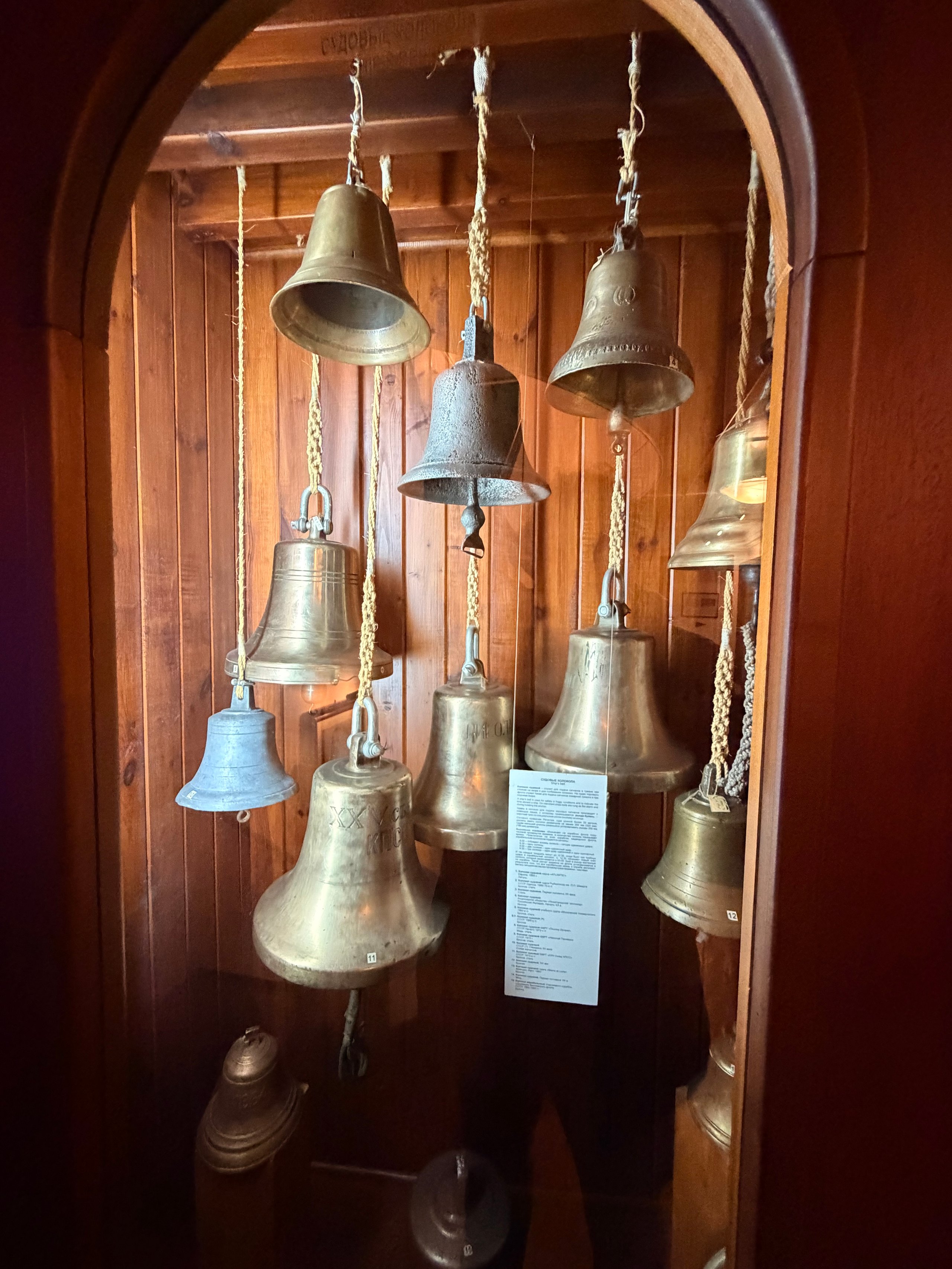
The exhibition on board is about ocean exploration.
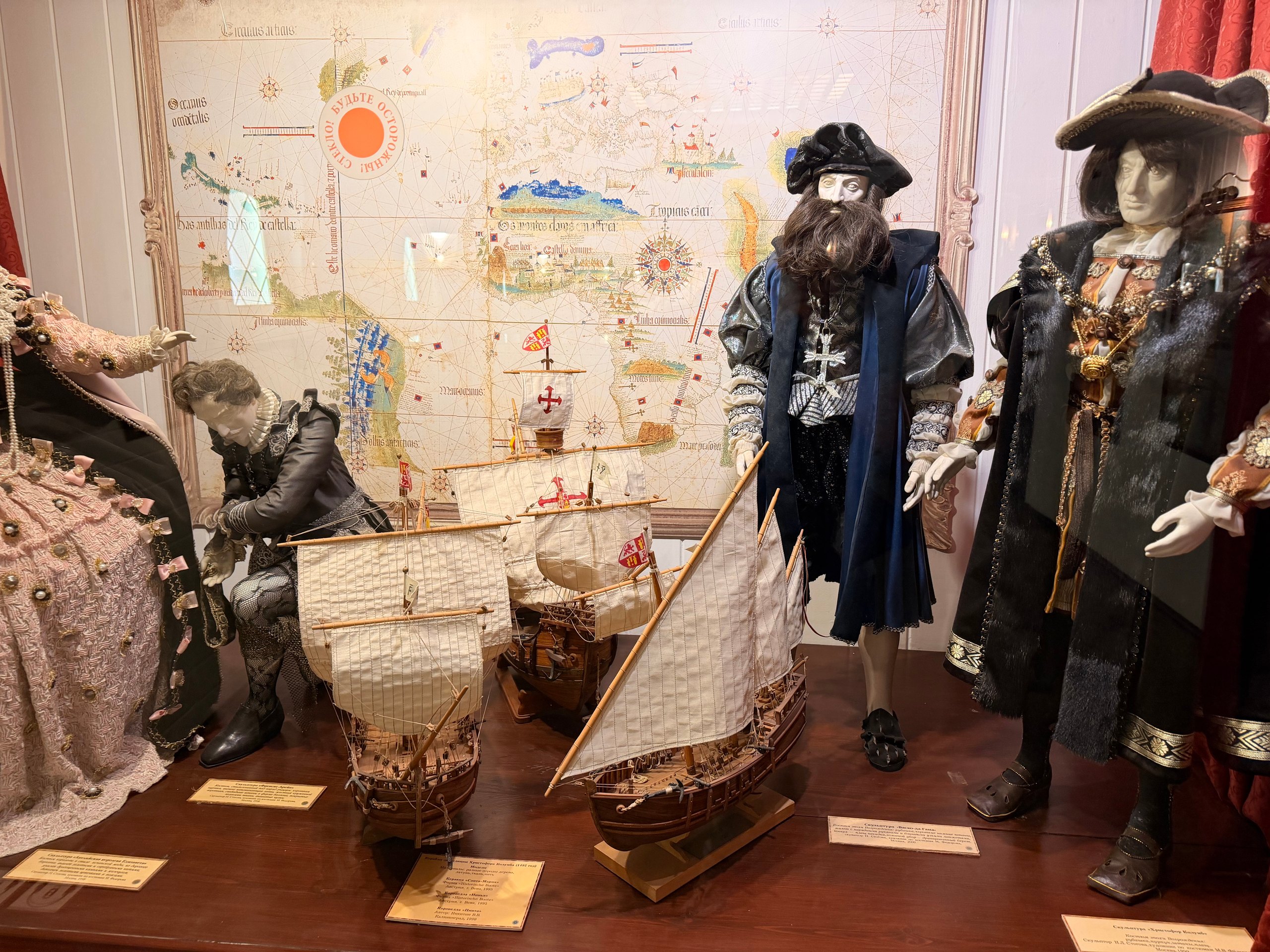
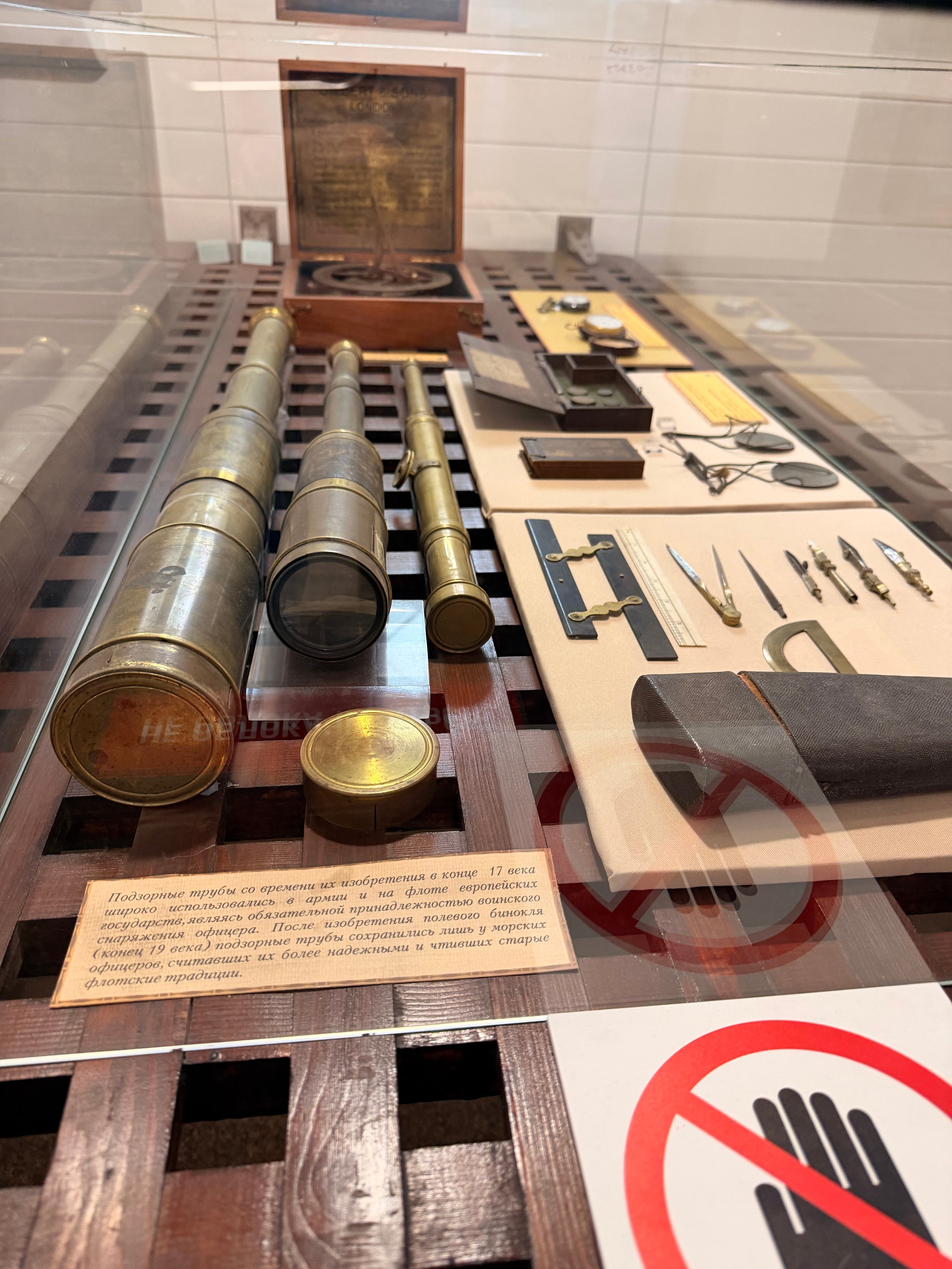
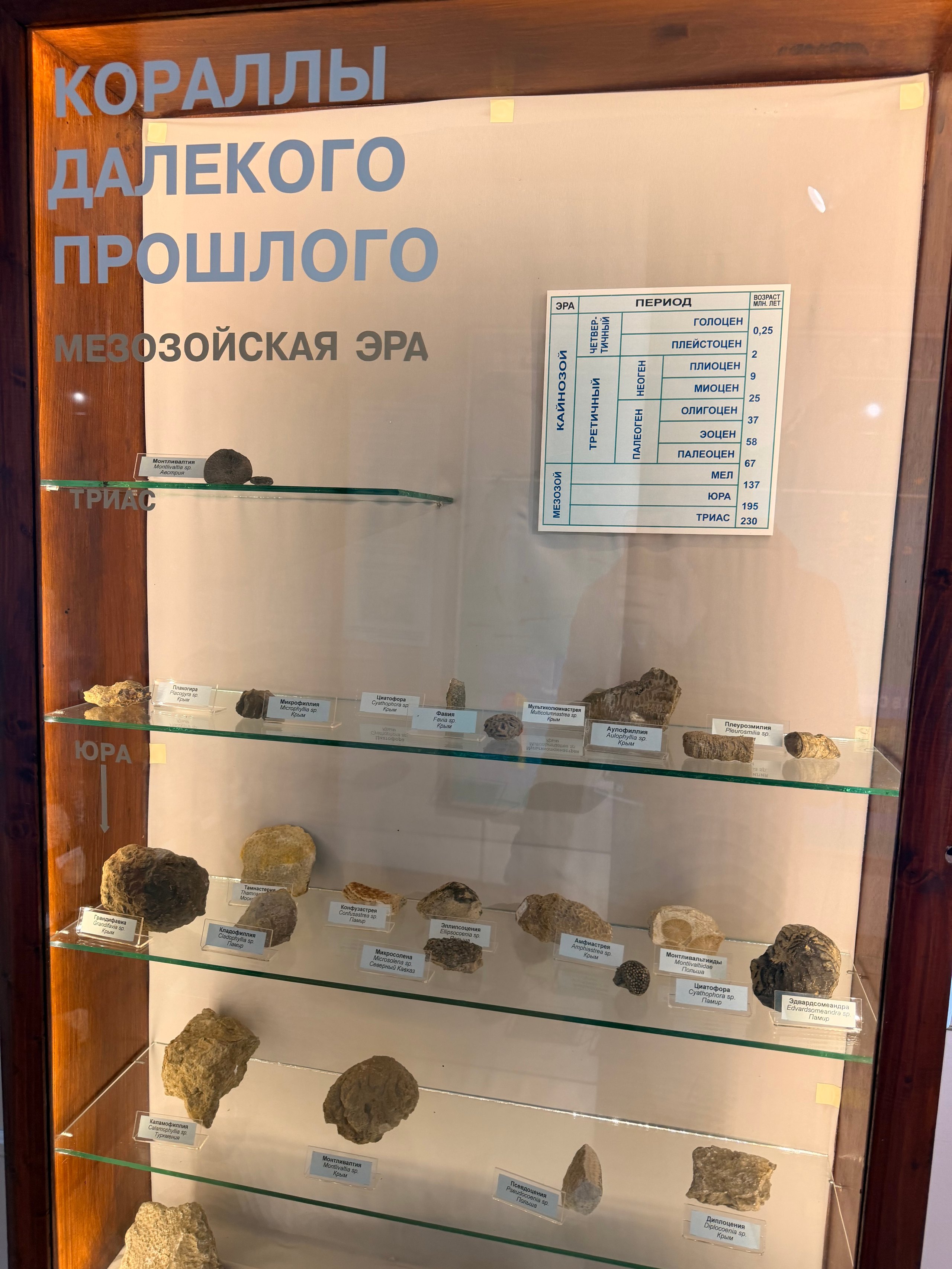
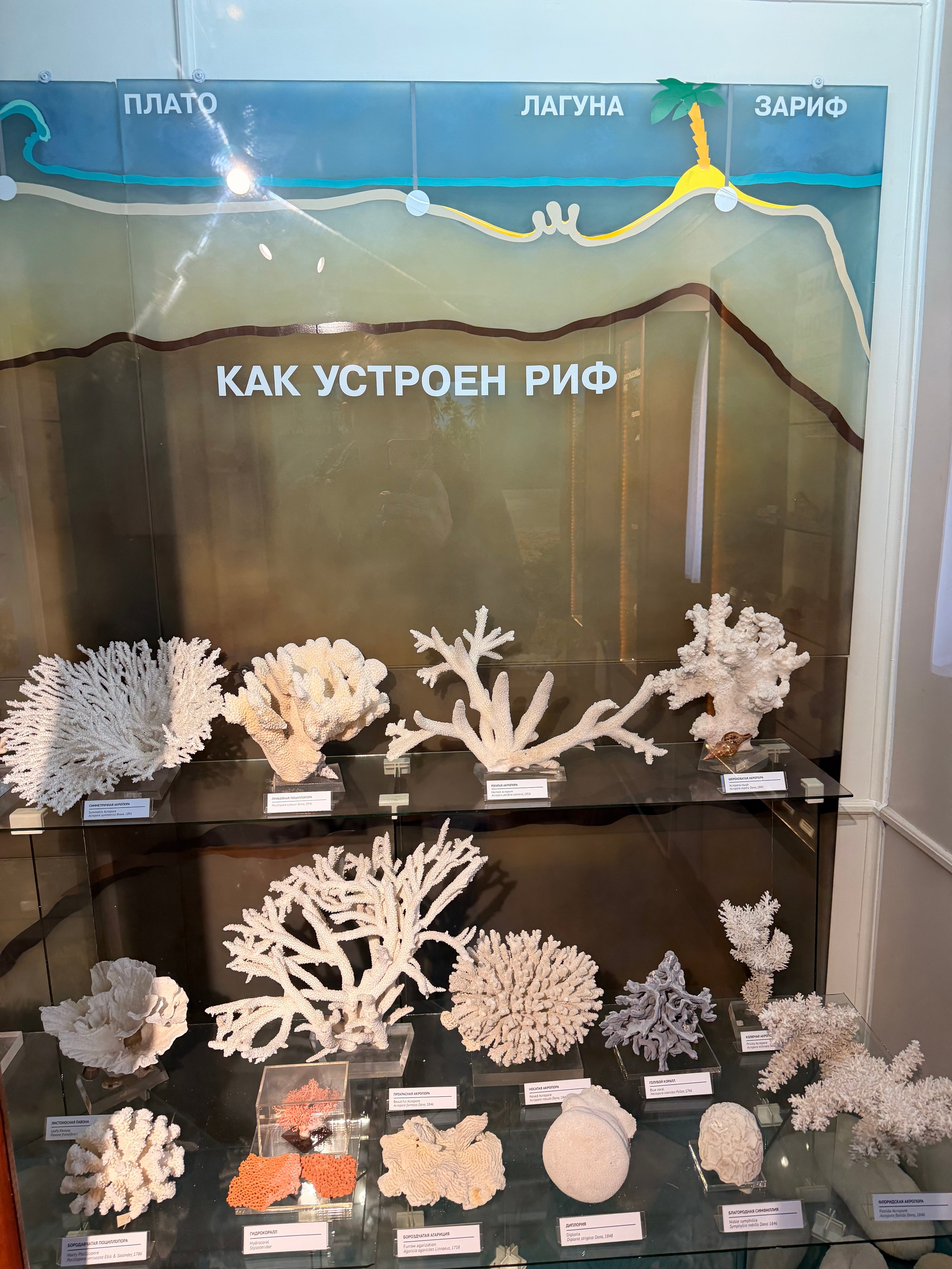
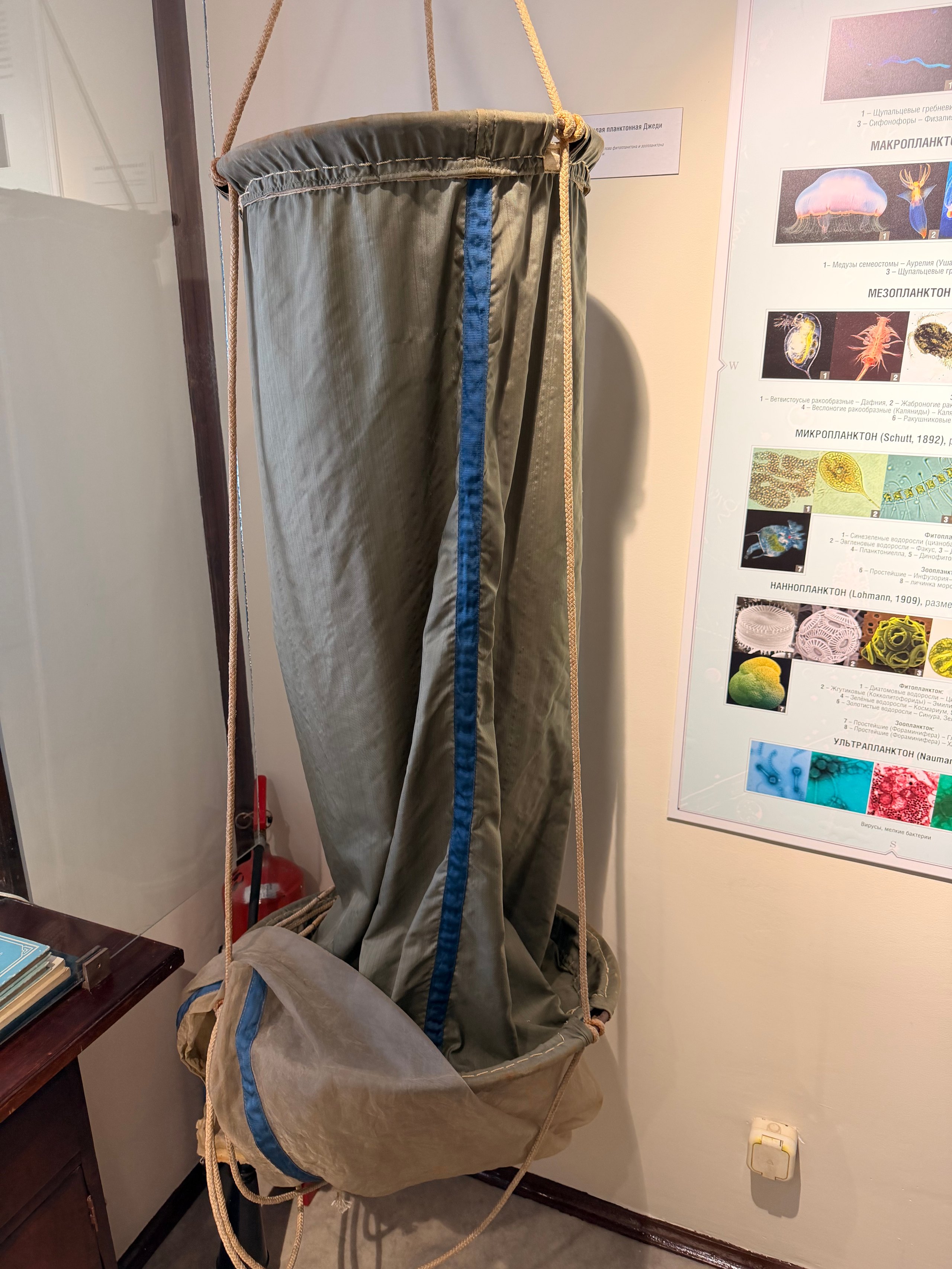
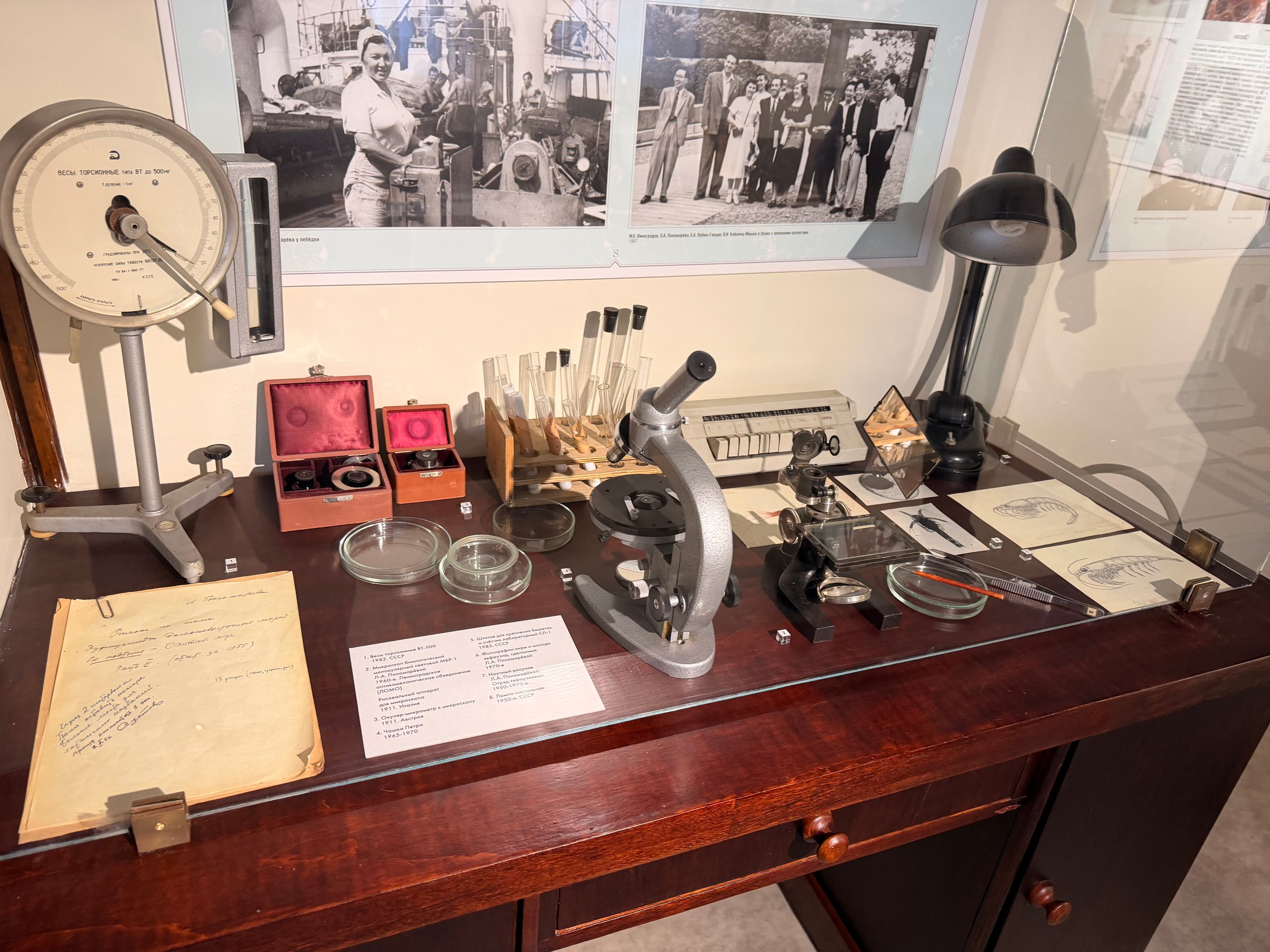
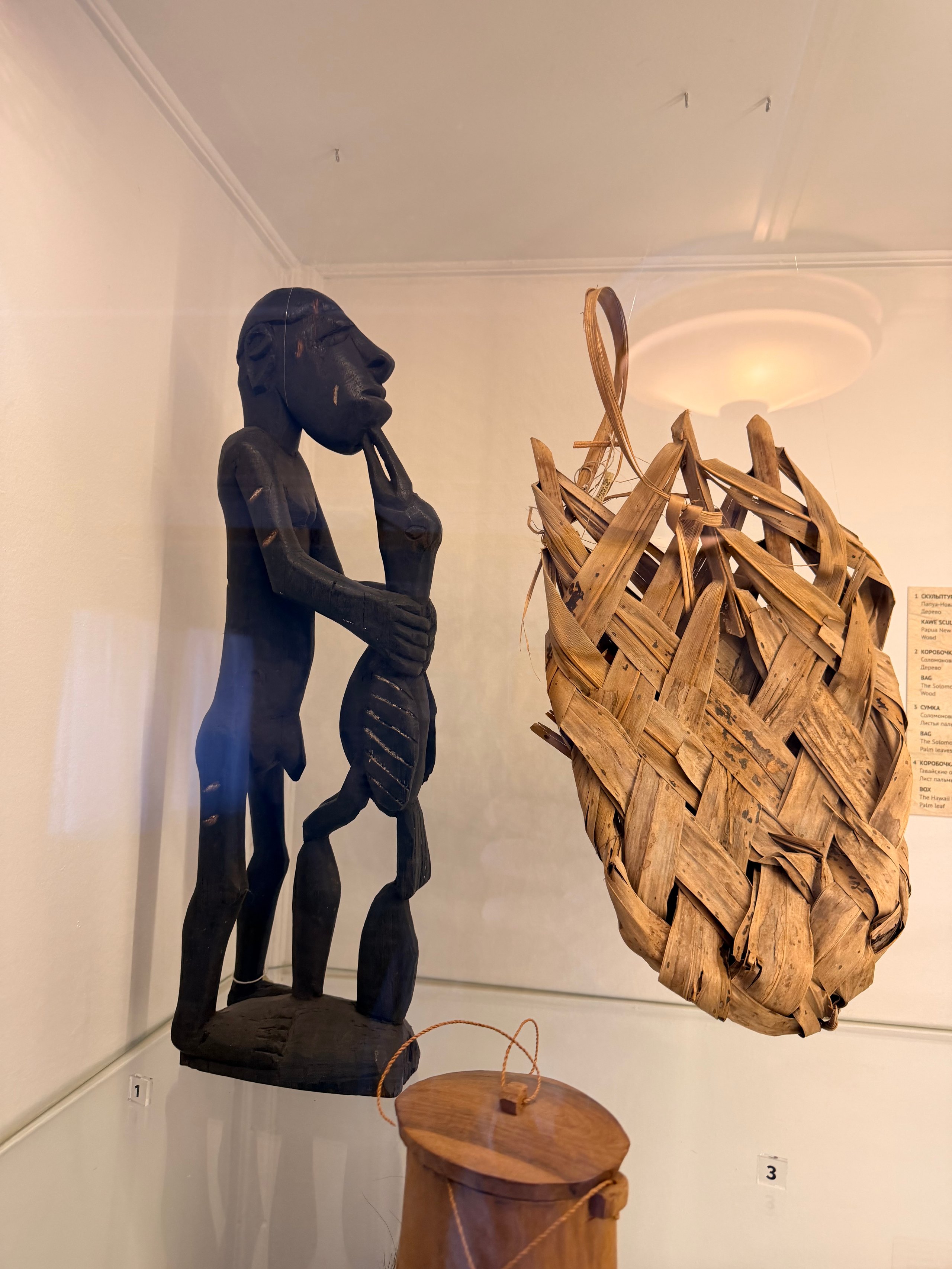
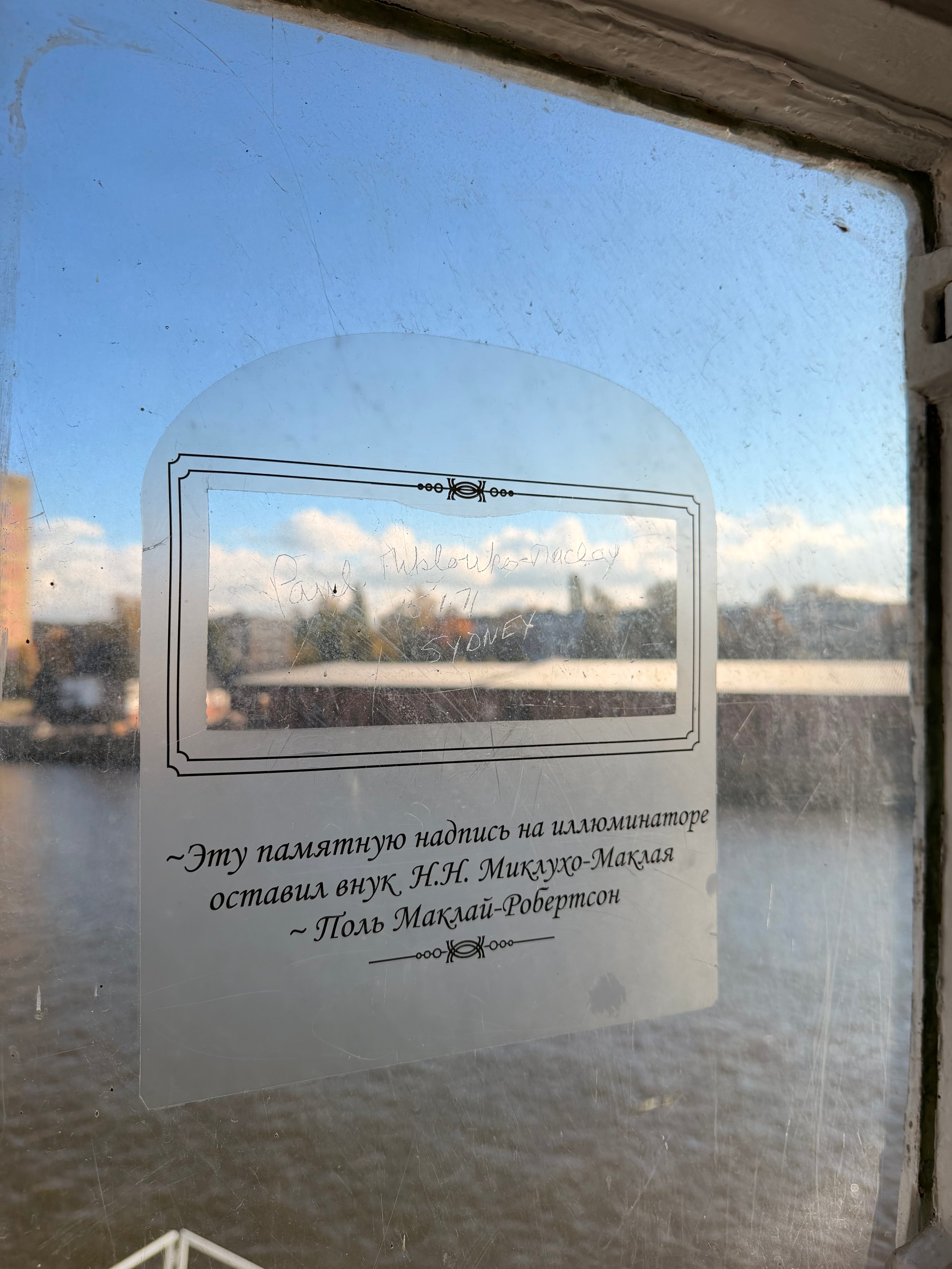
Planet Ocean
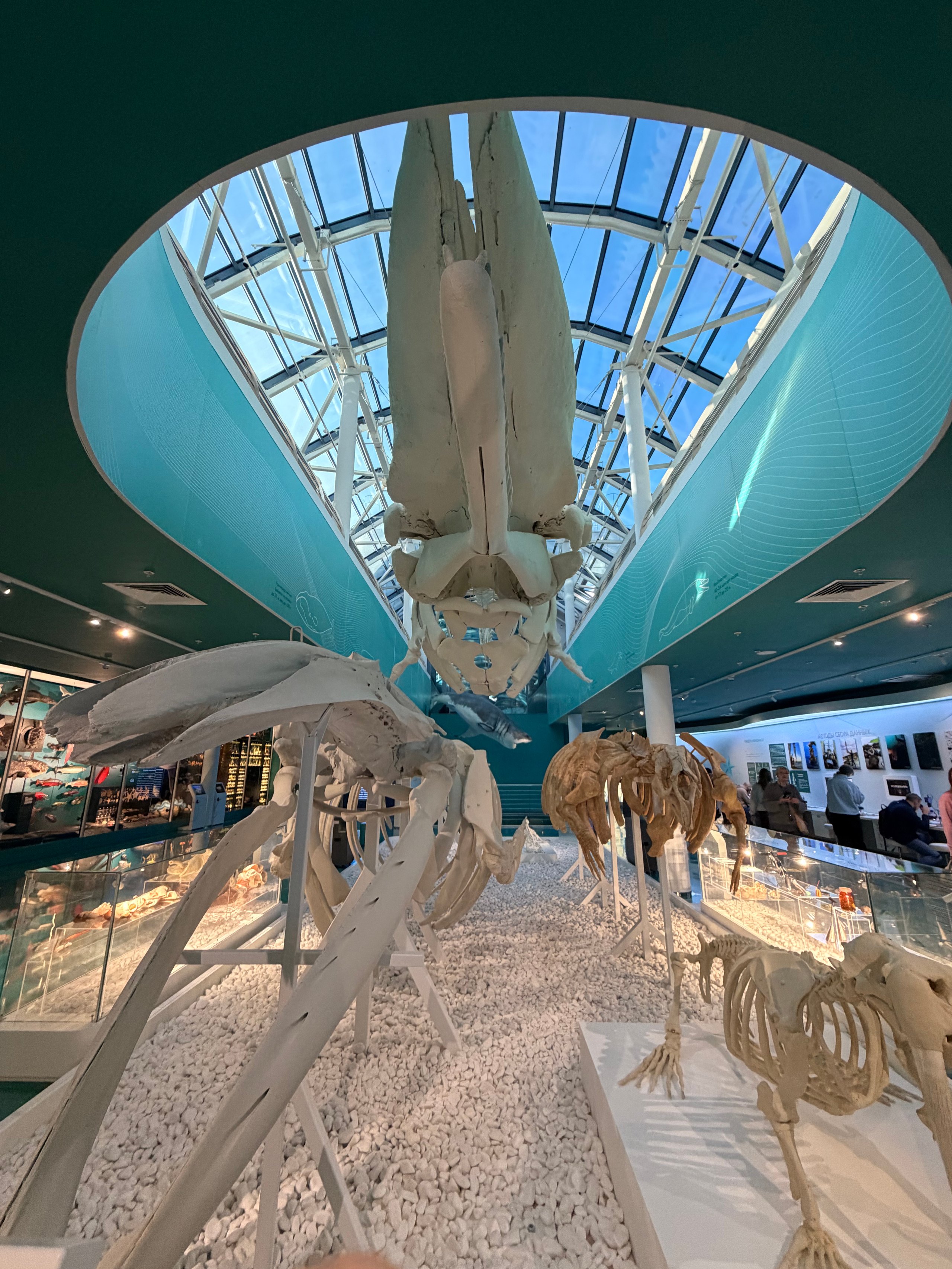
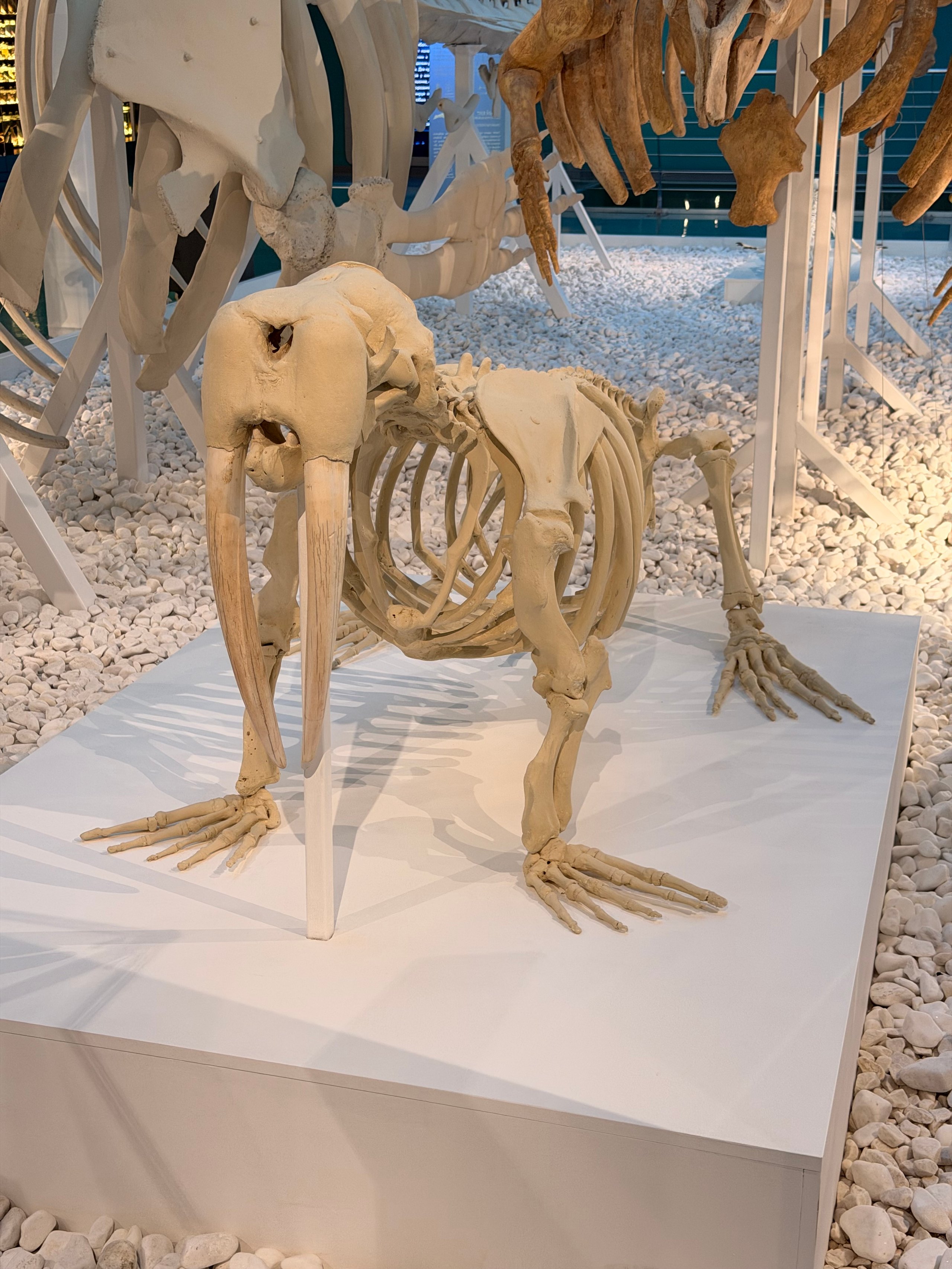
The tour covered the evolution of life in the ocean, from single-celled organisms to whales.
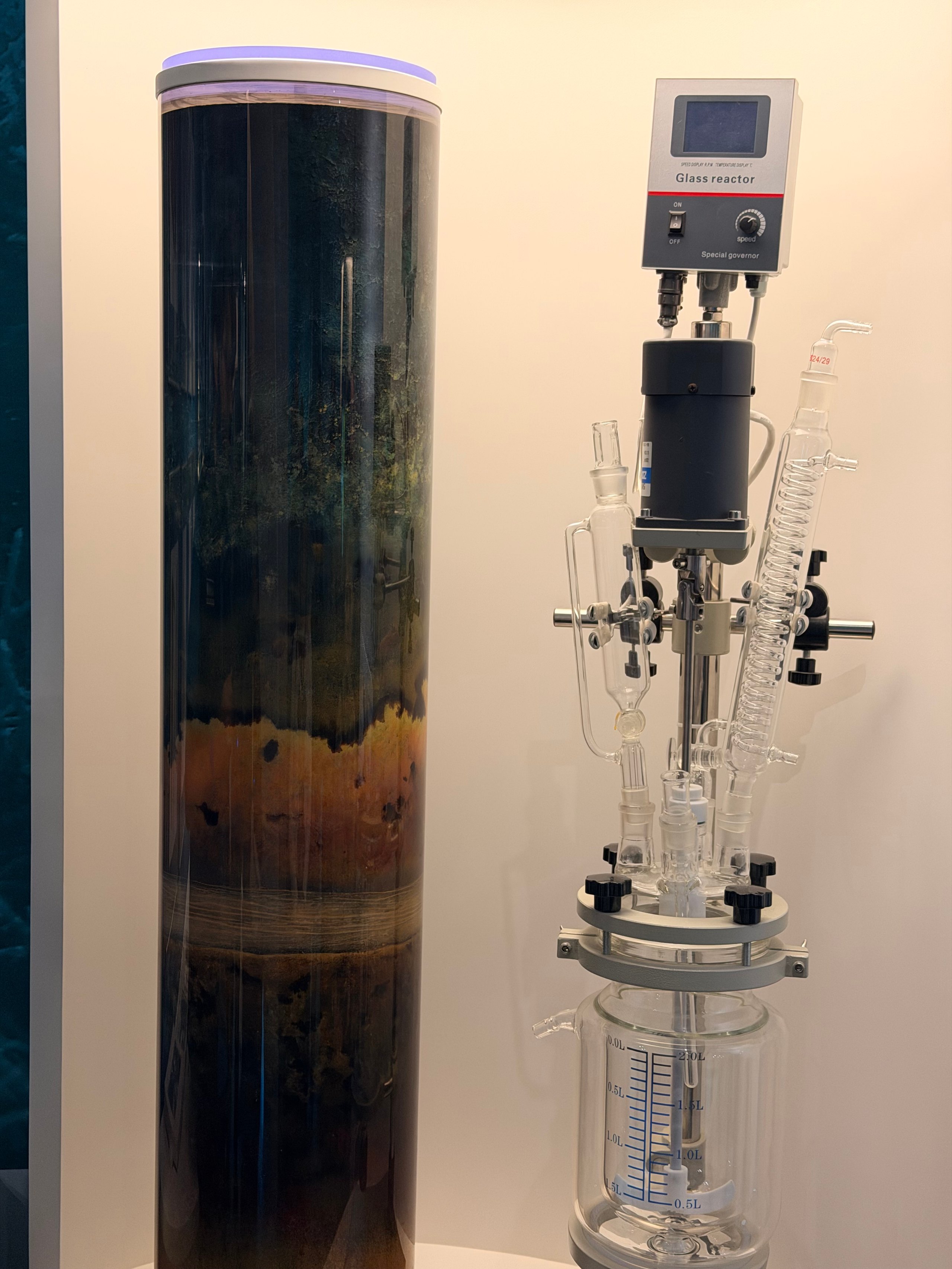
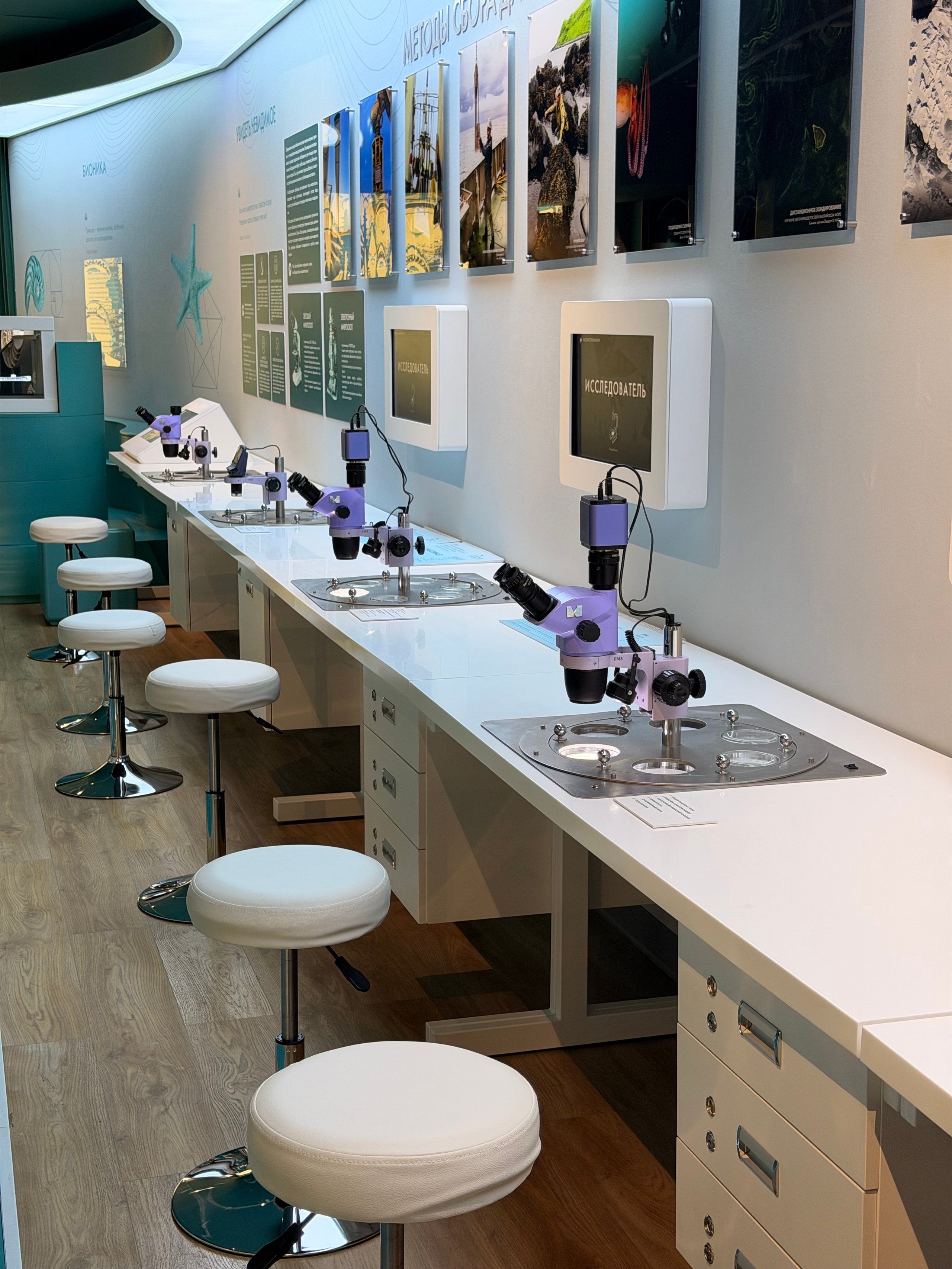
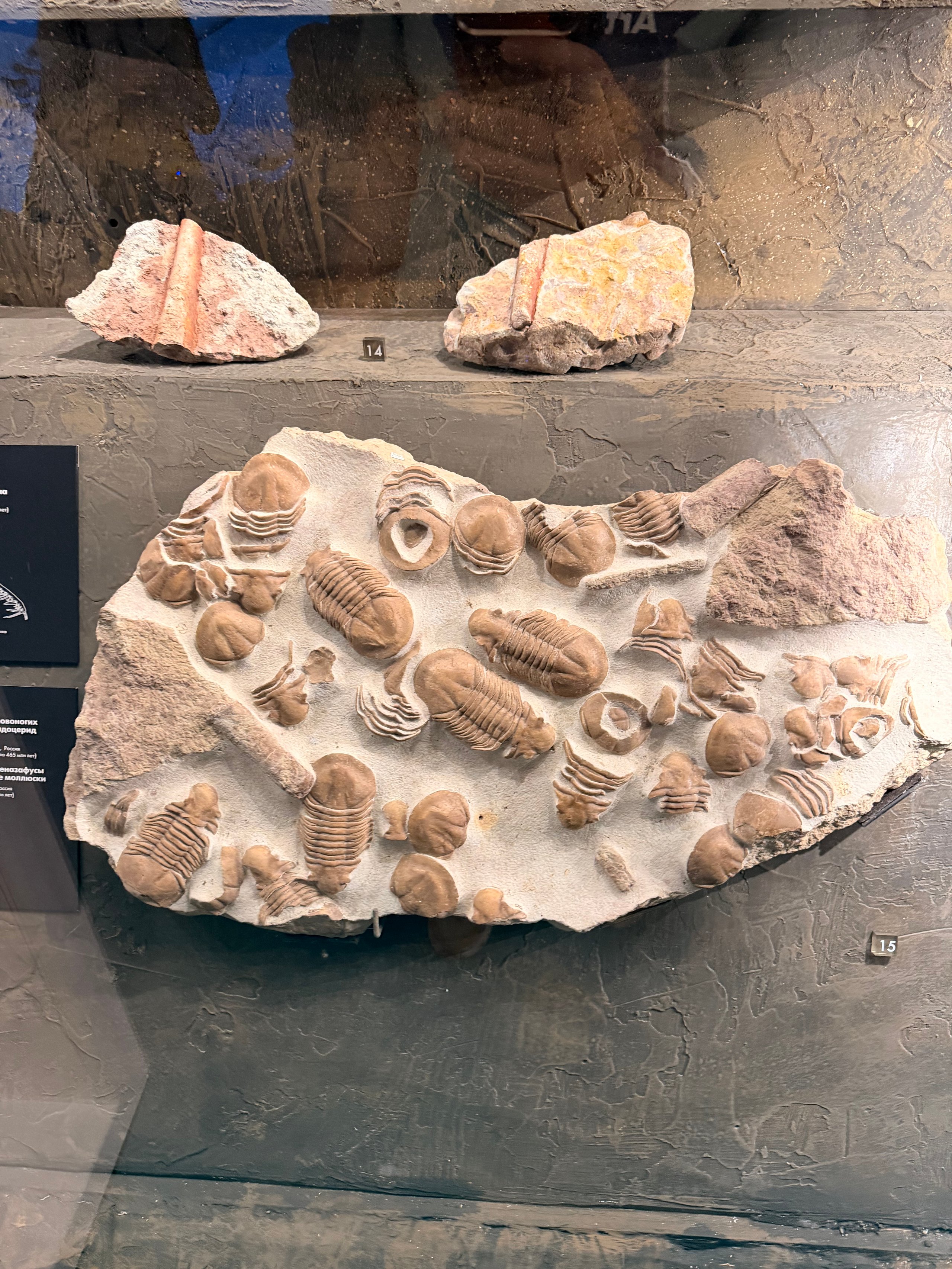
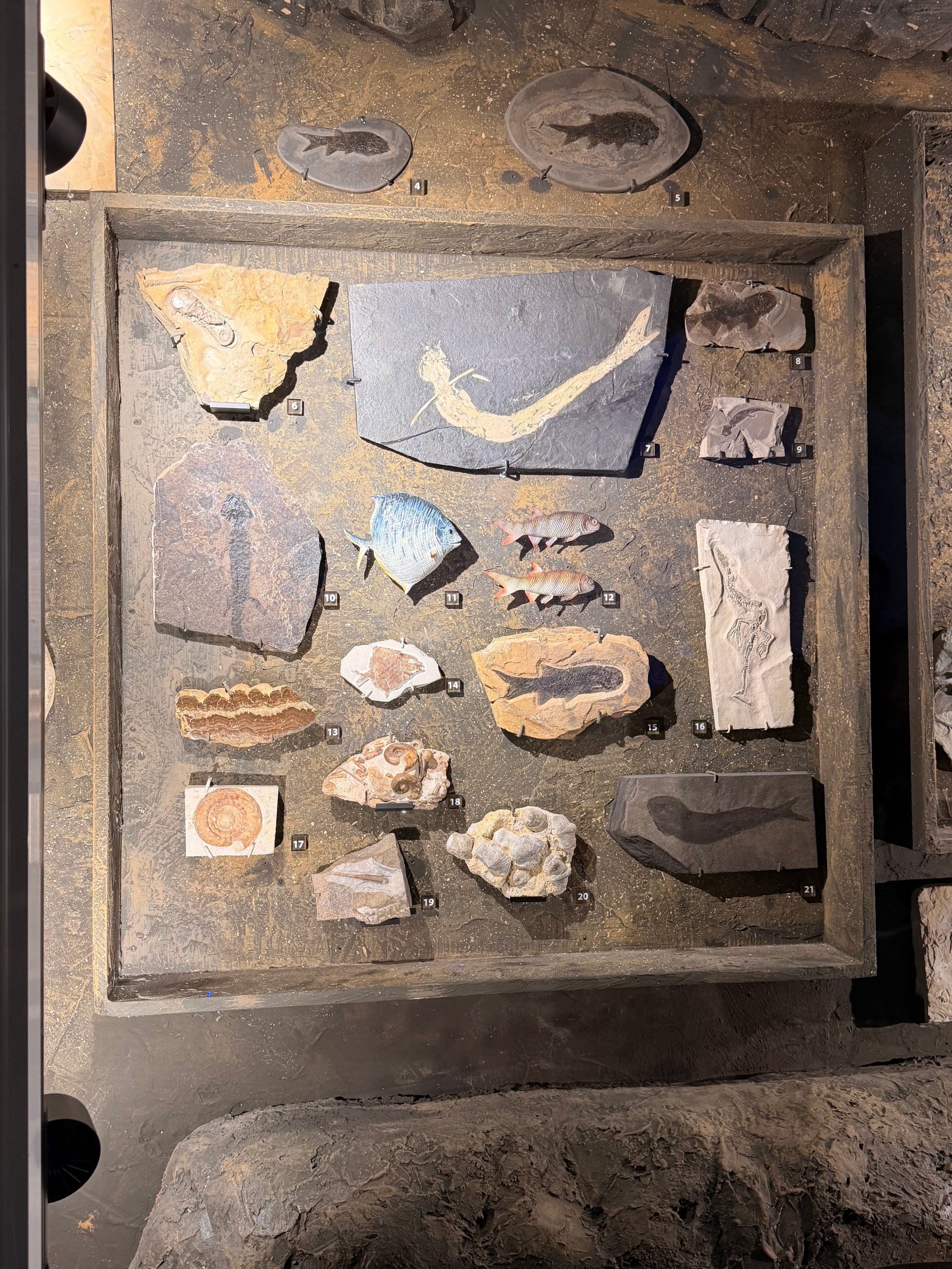
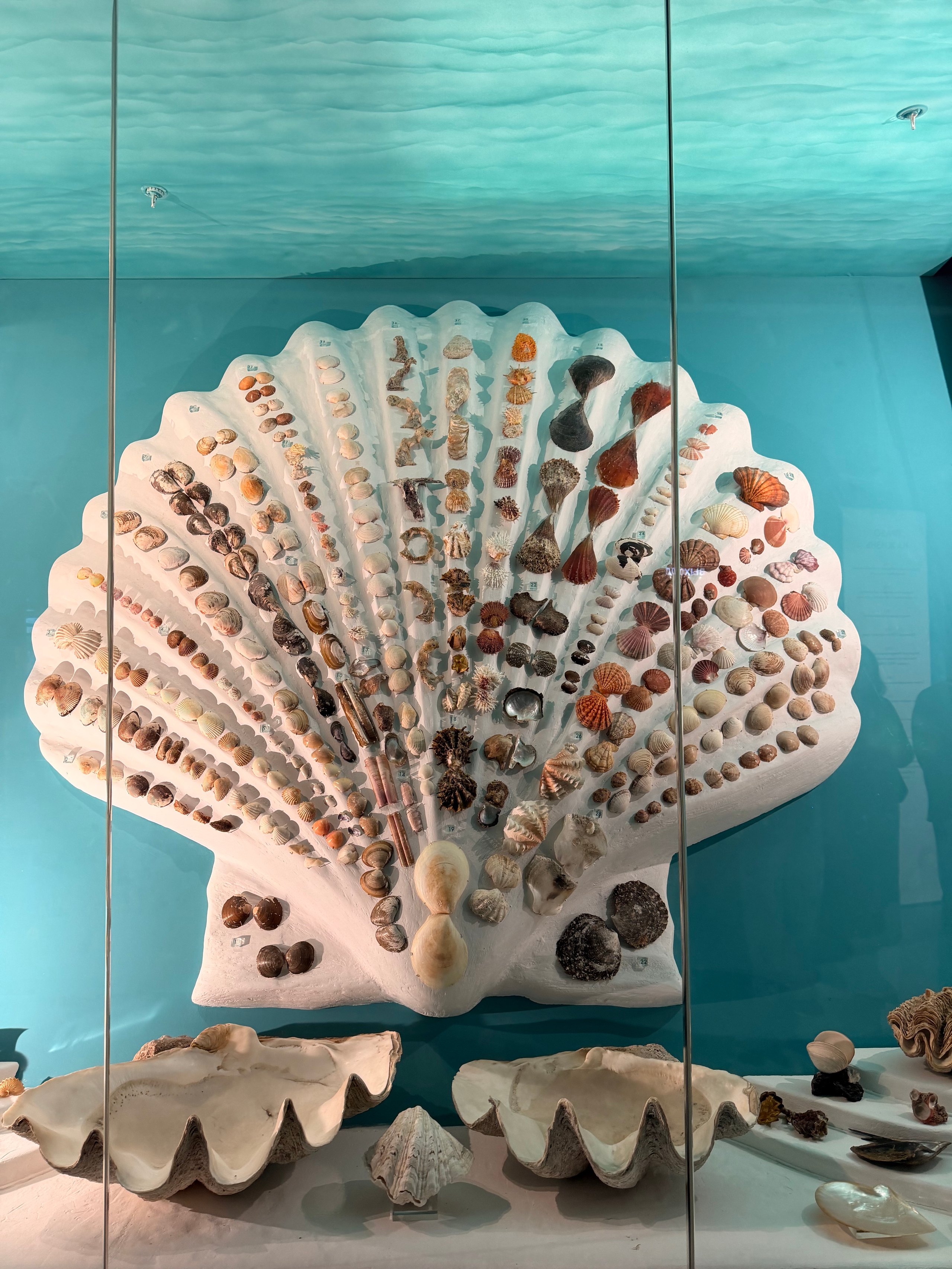
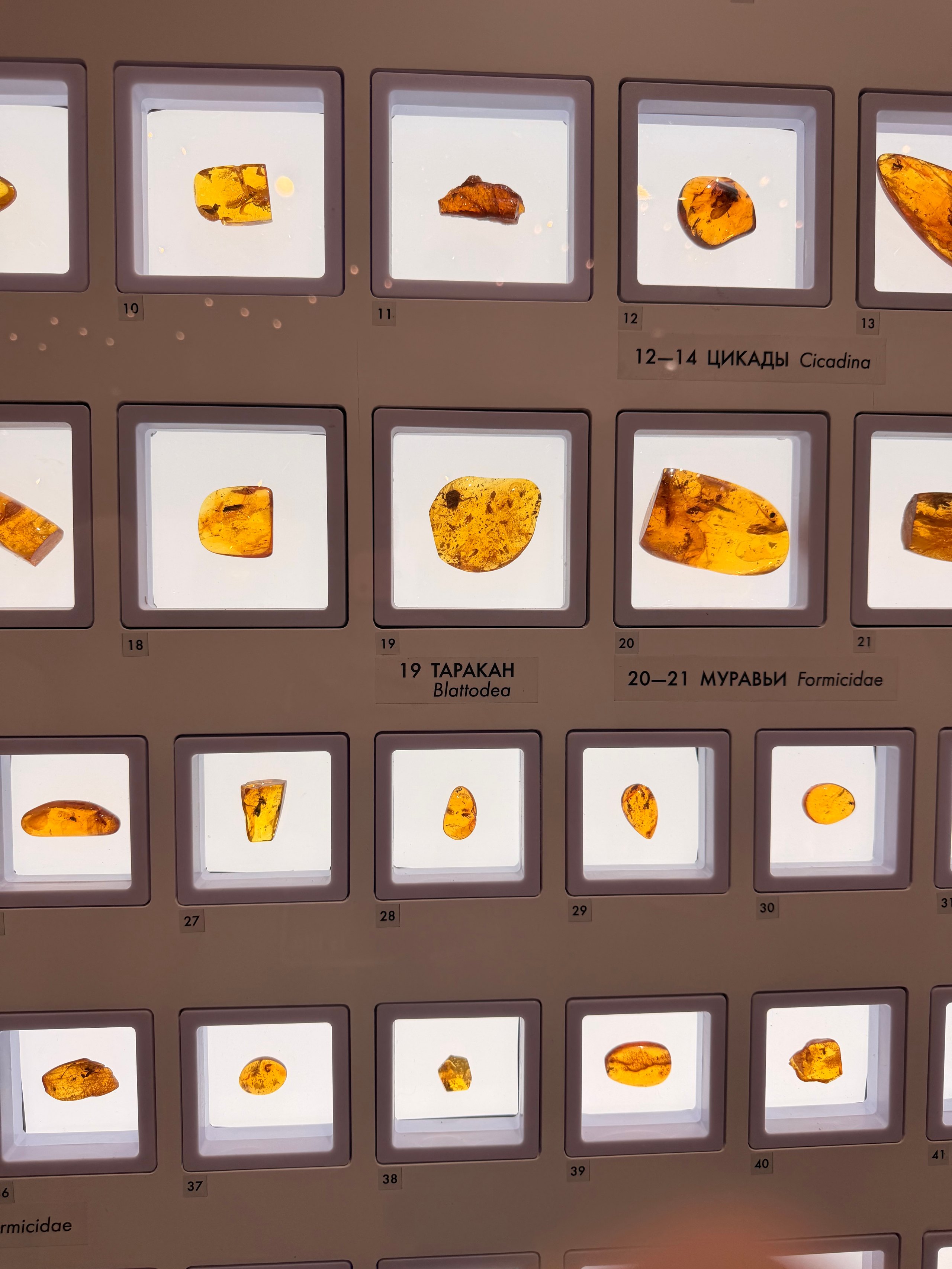
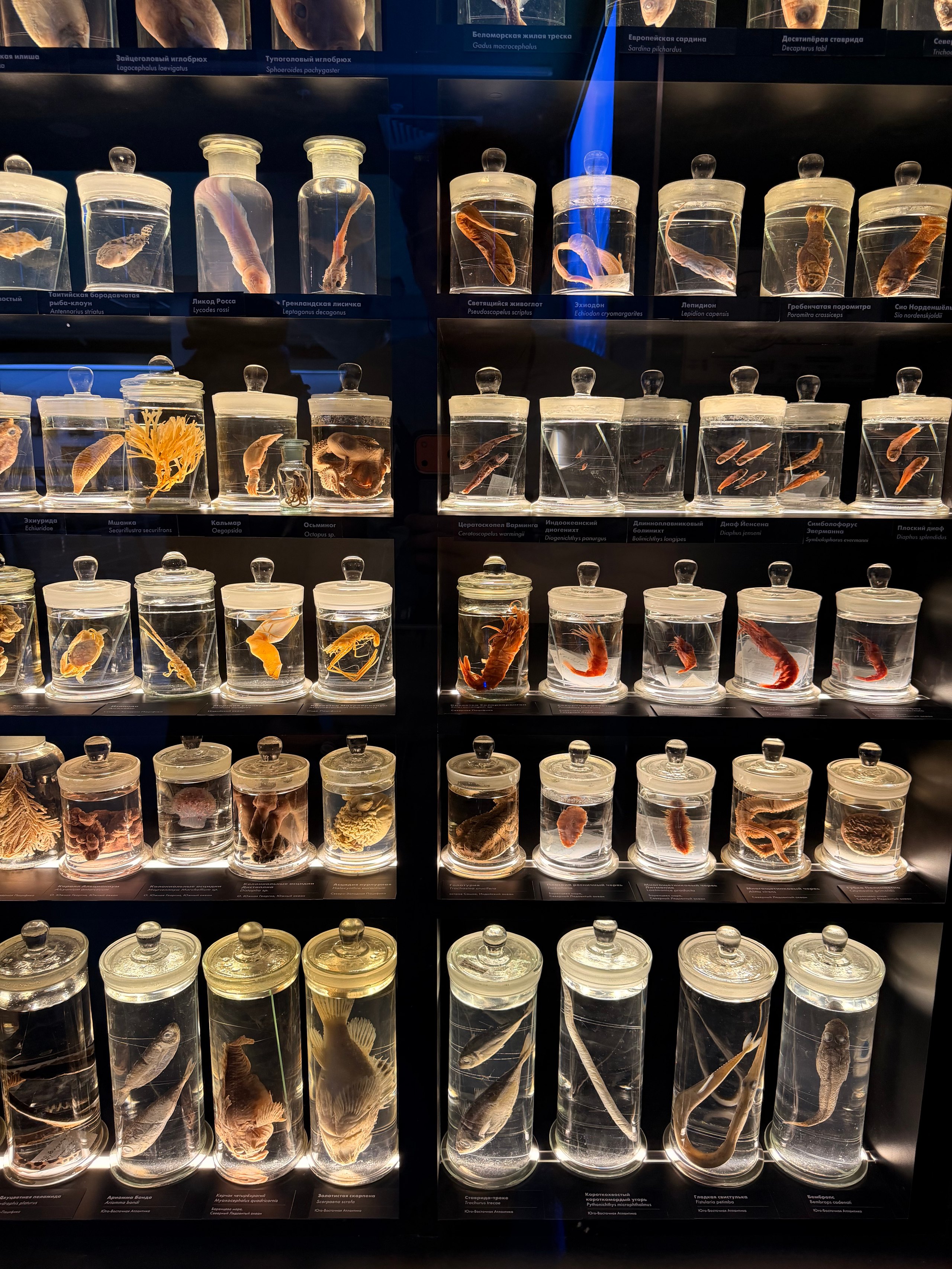
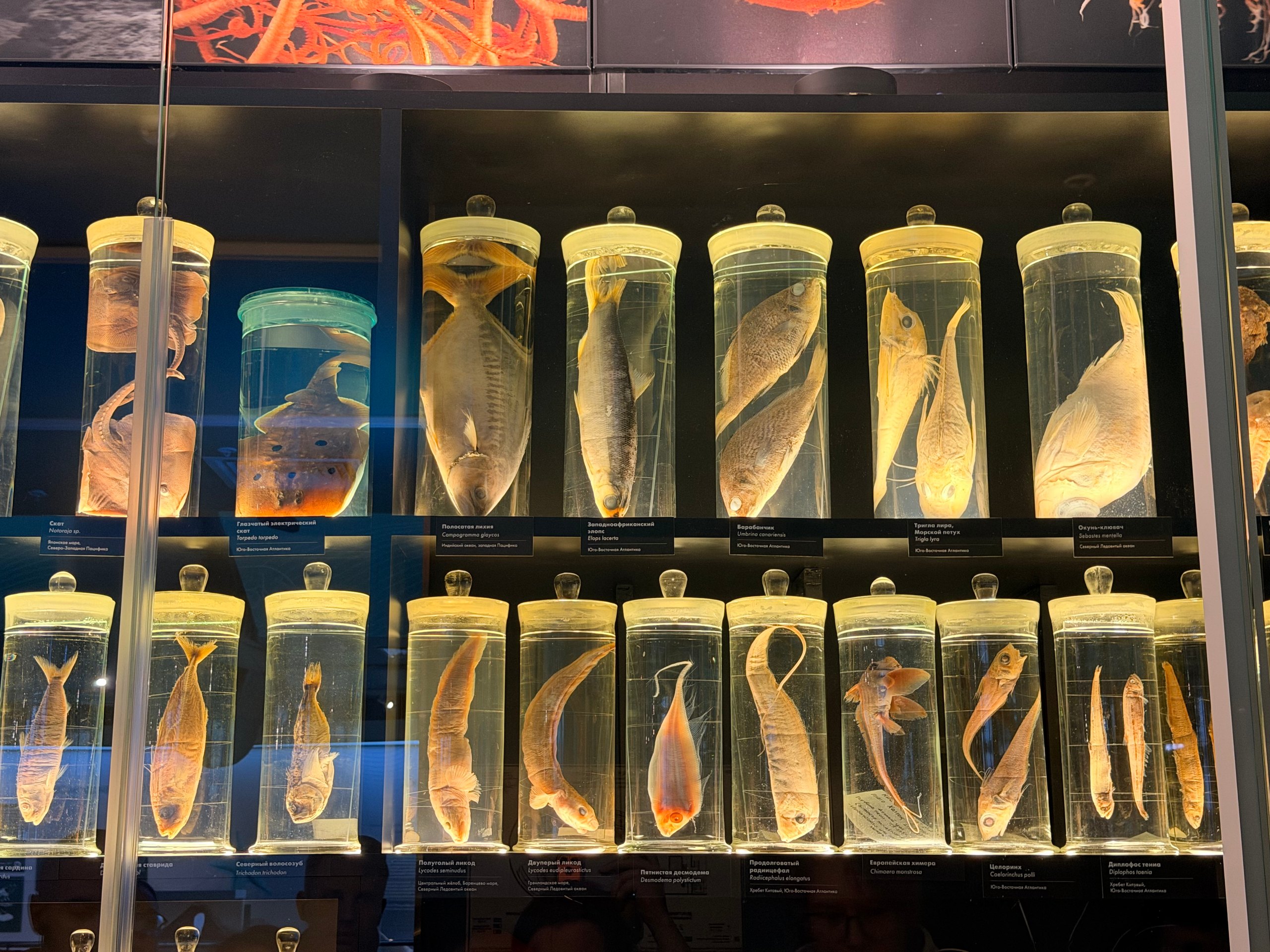
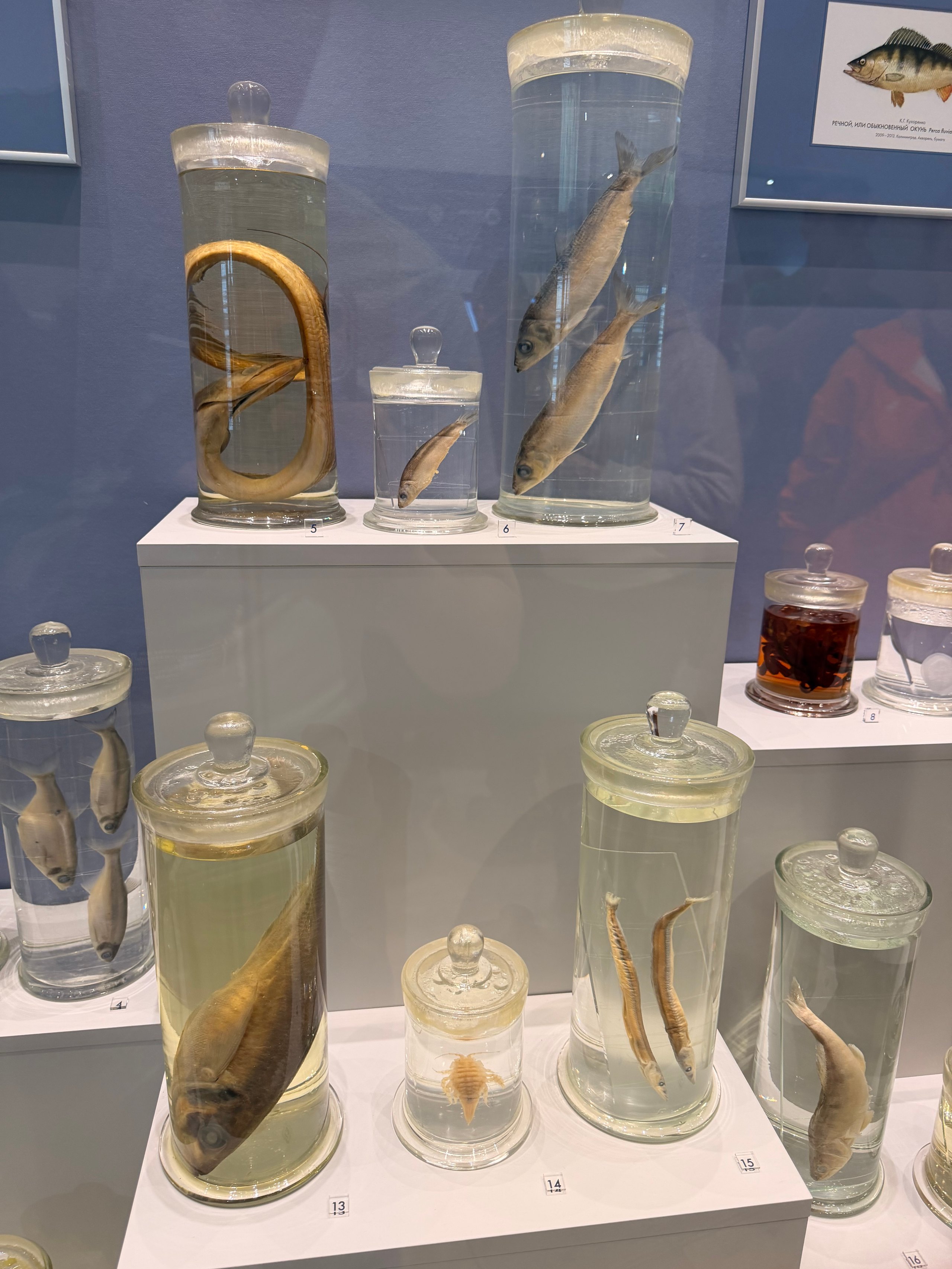
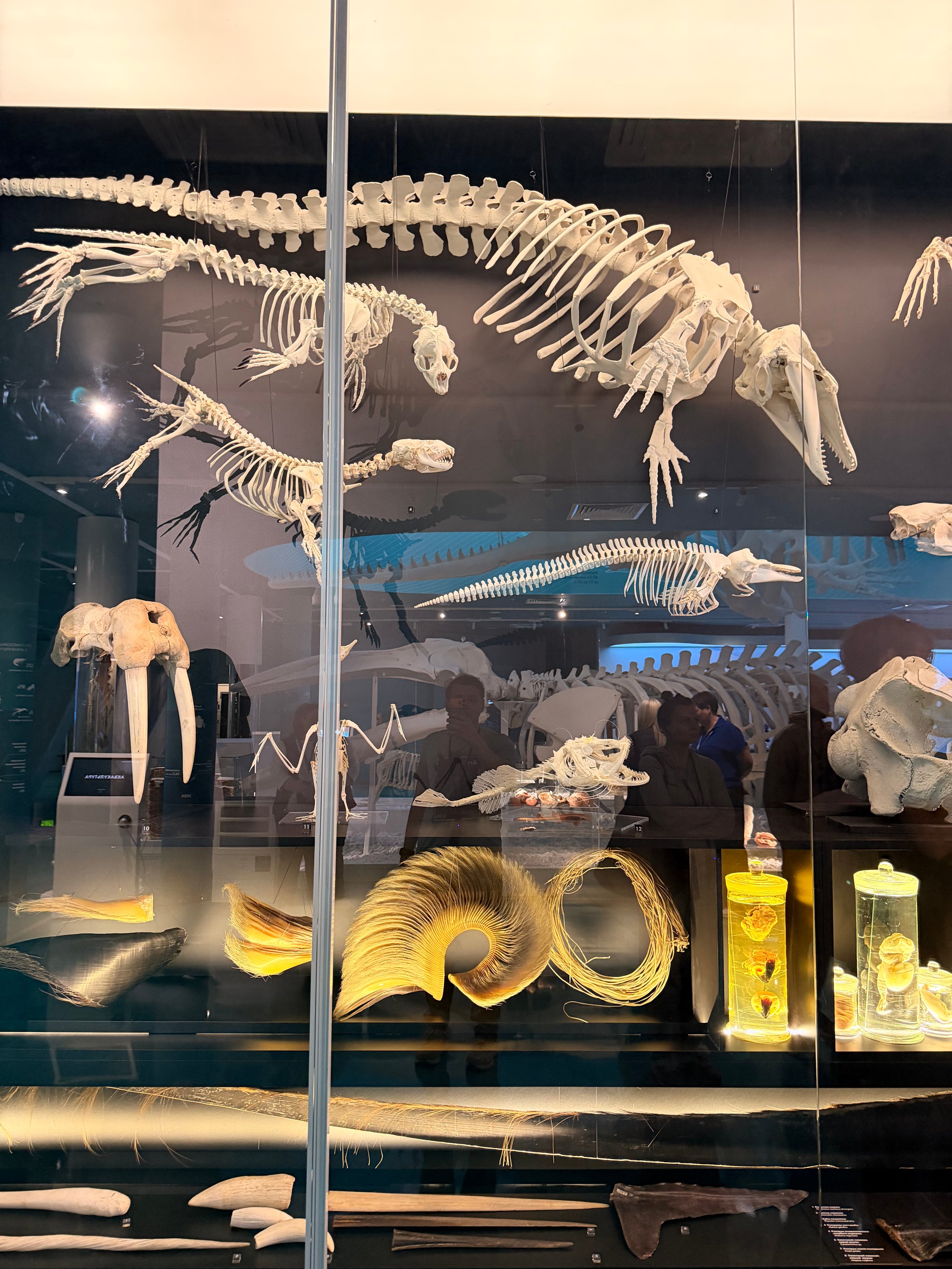
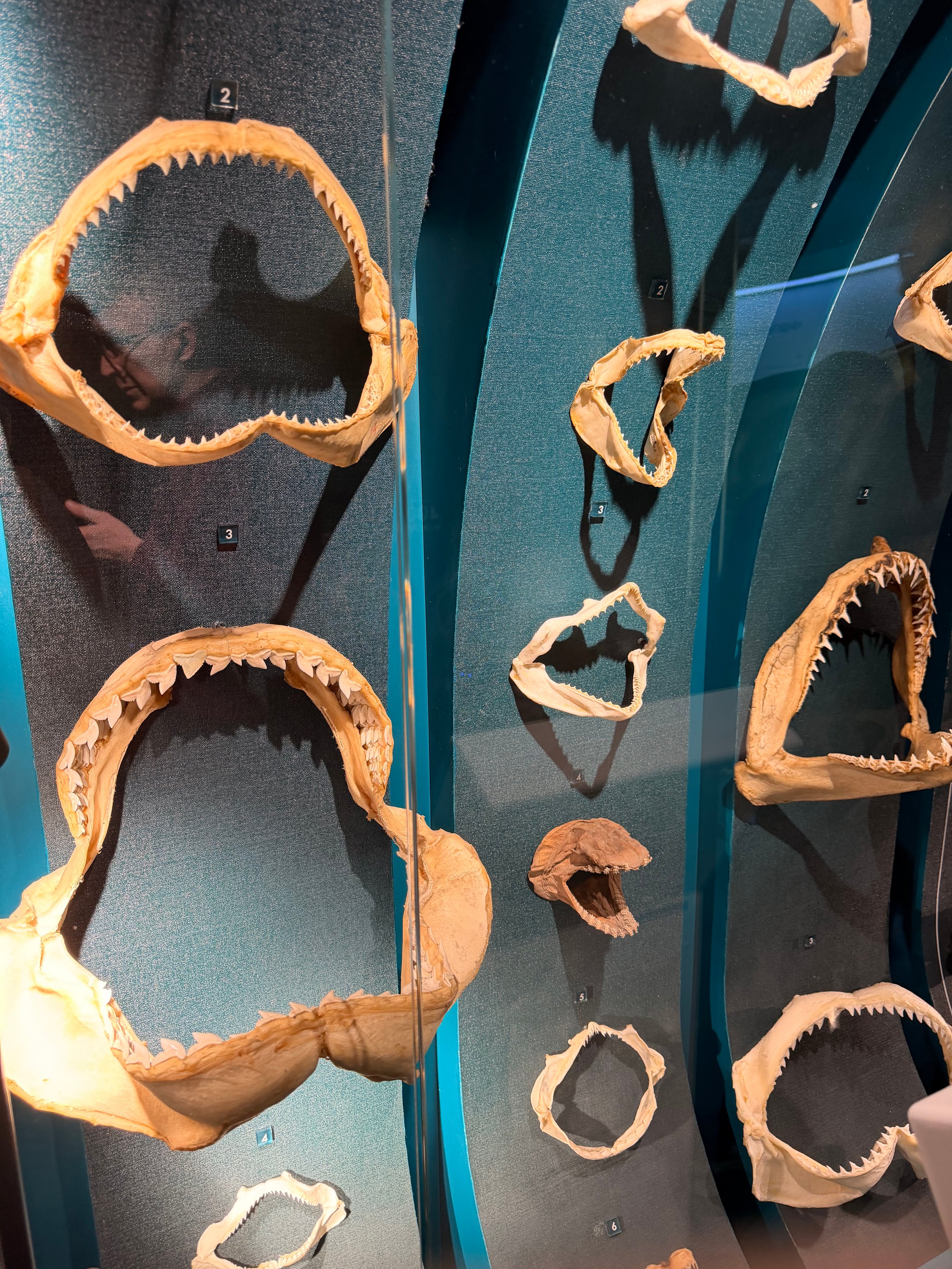
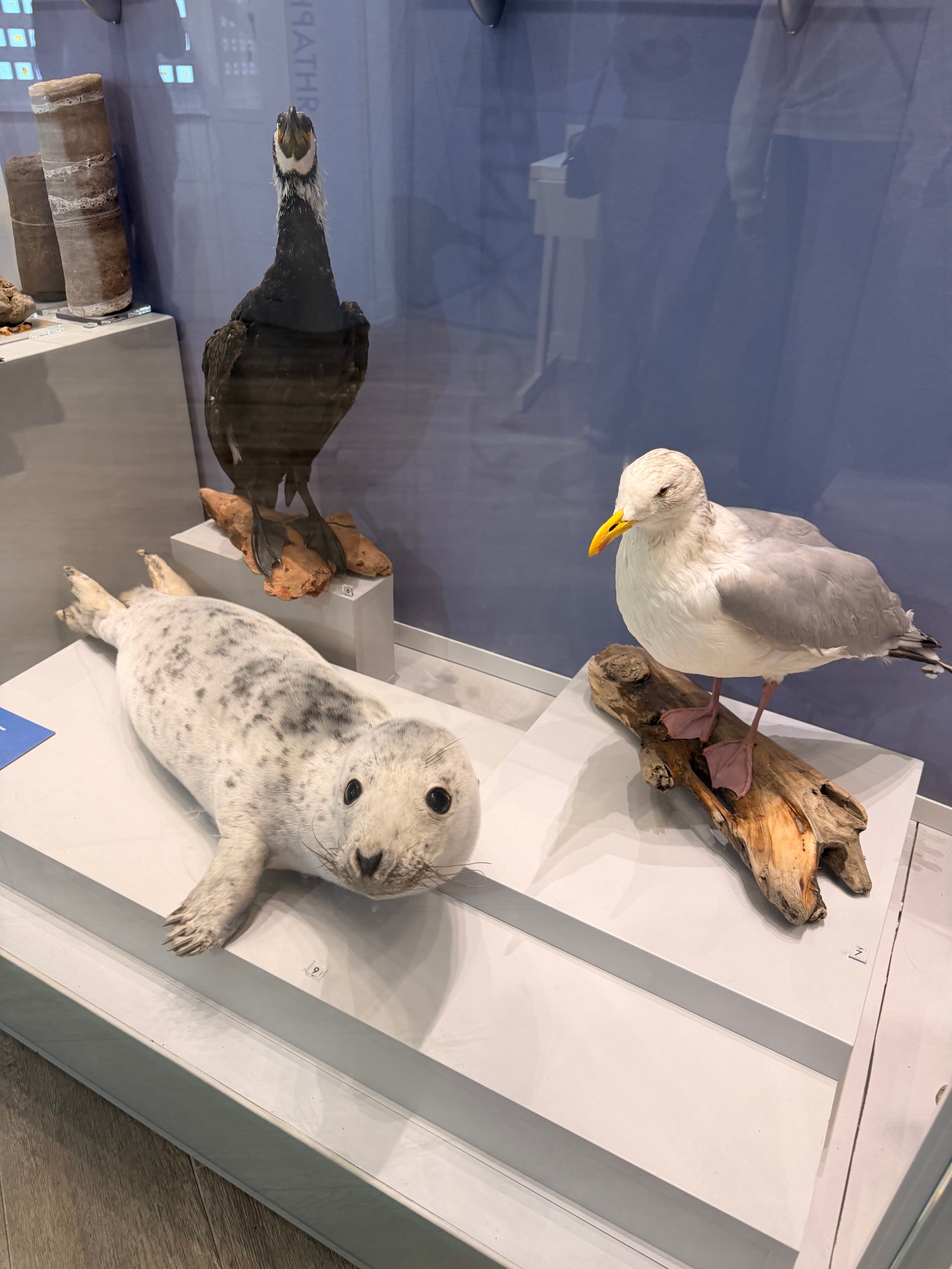
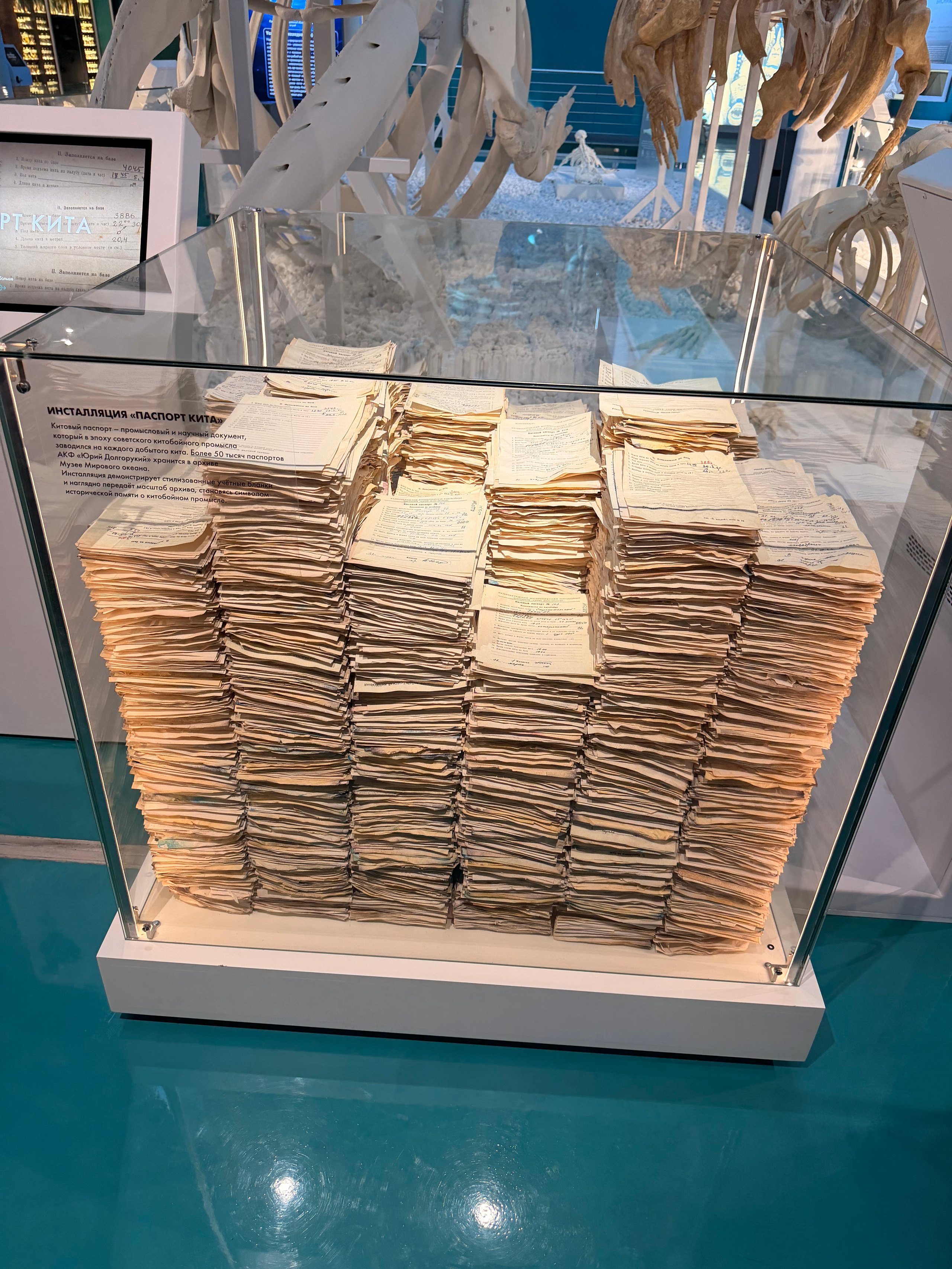
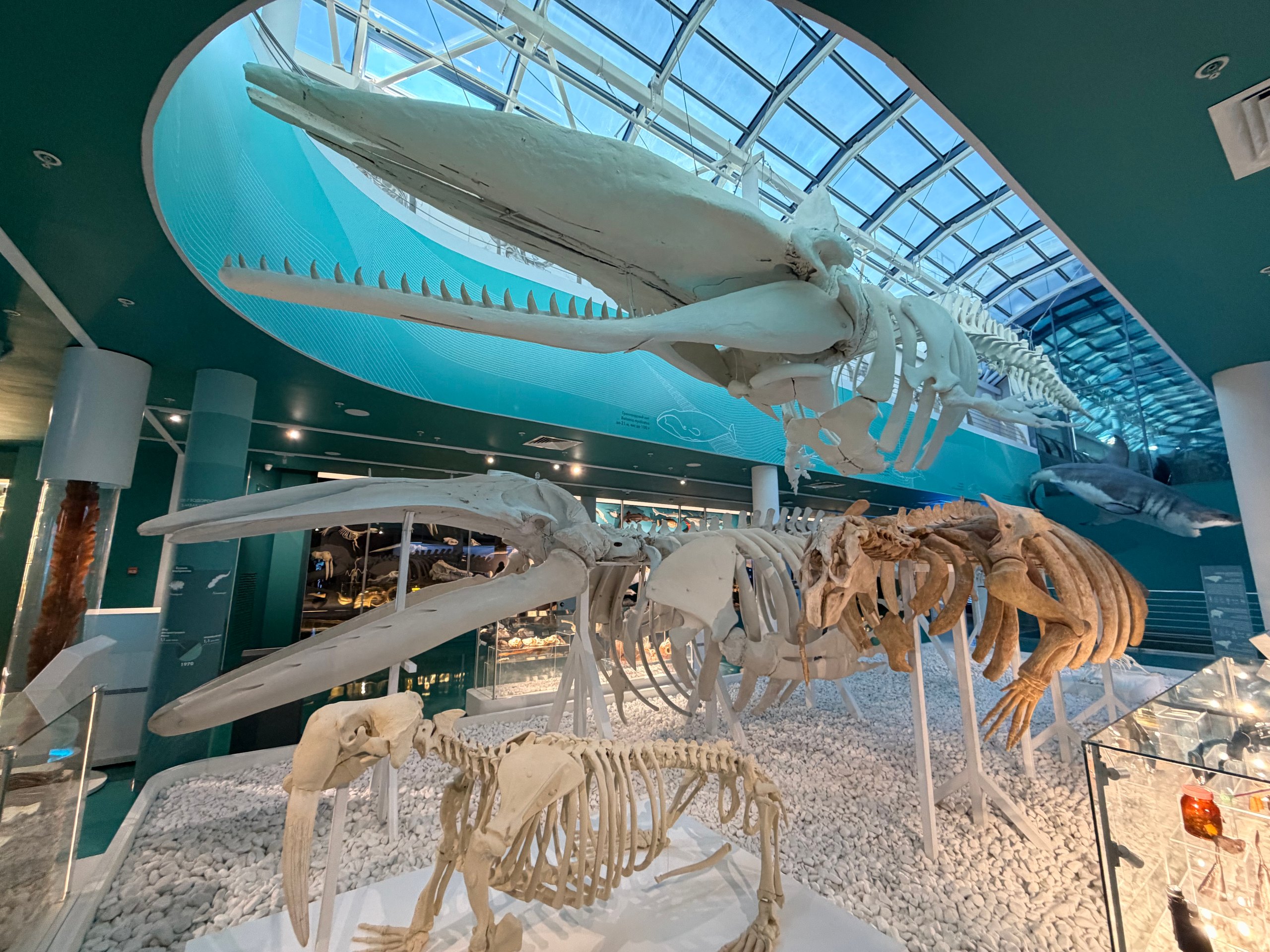
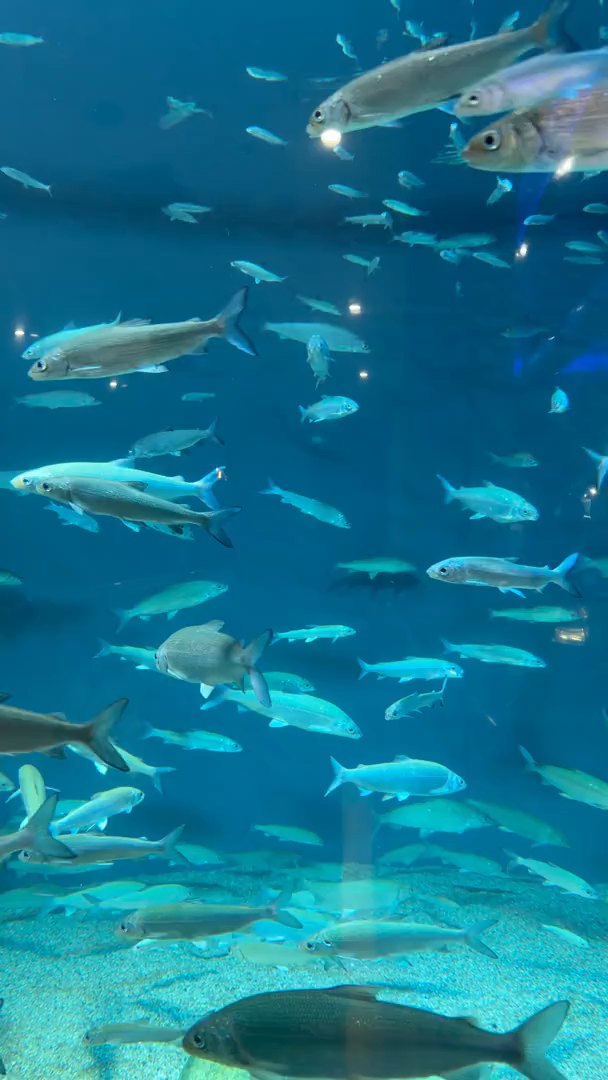
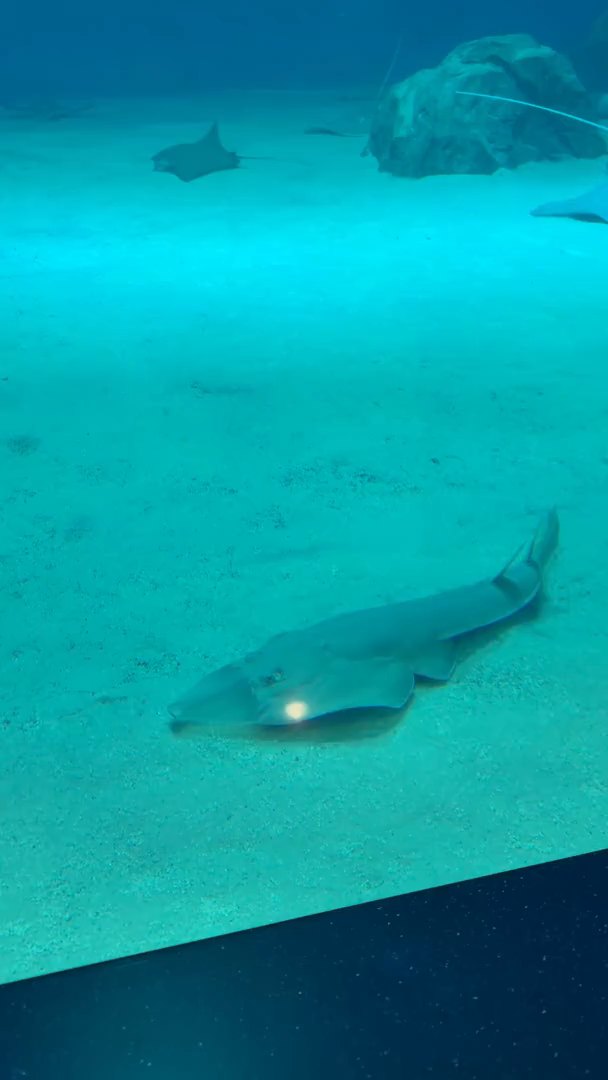
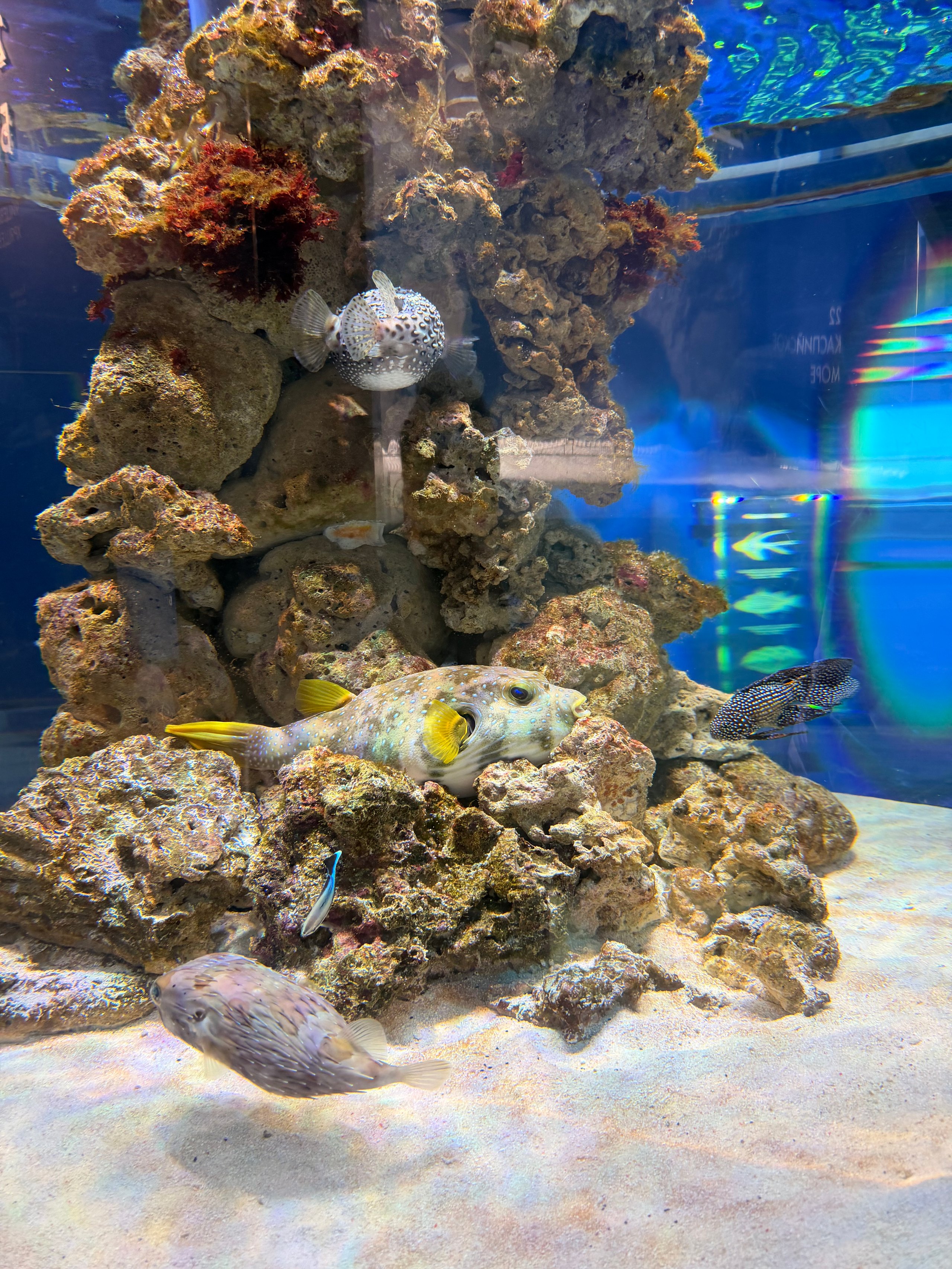
The aquariums are home to all sorts of fish. Each tank has a label explaining which sea, river or ocean it represents.
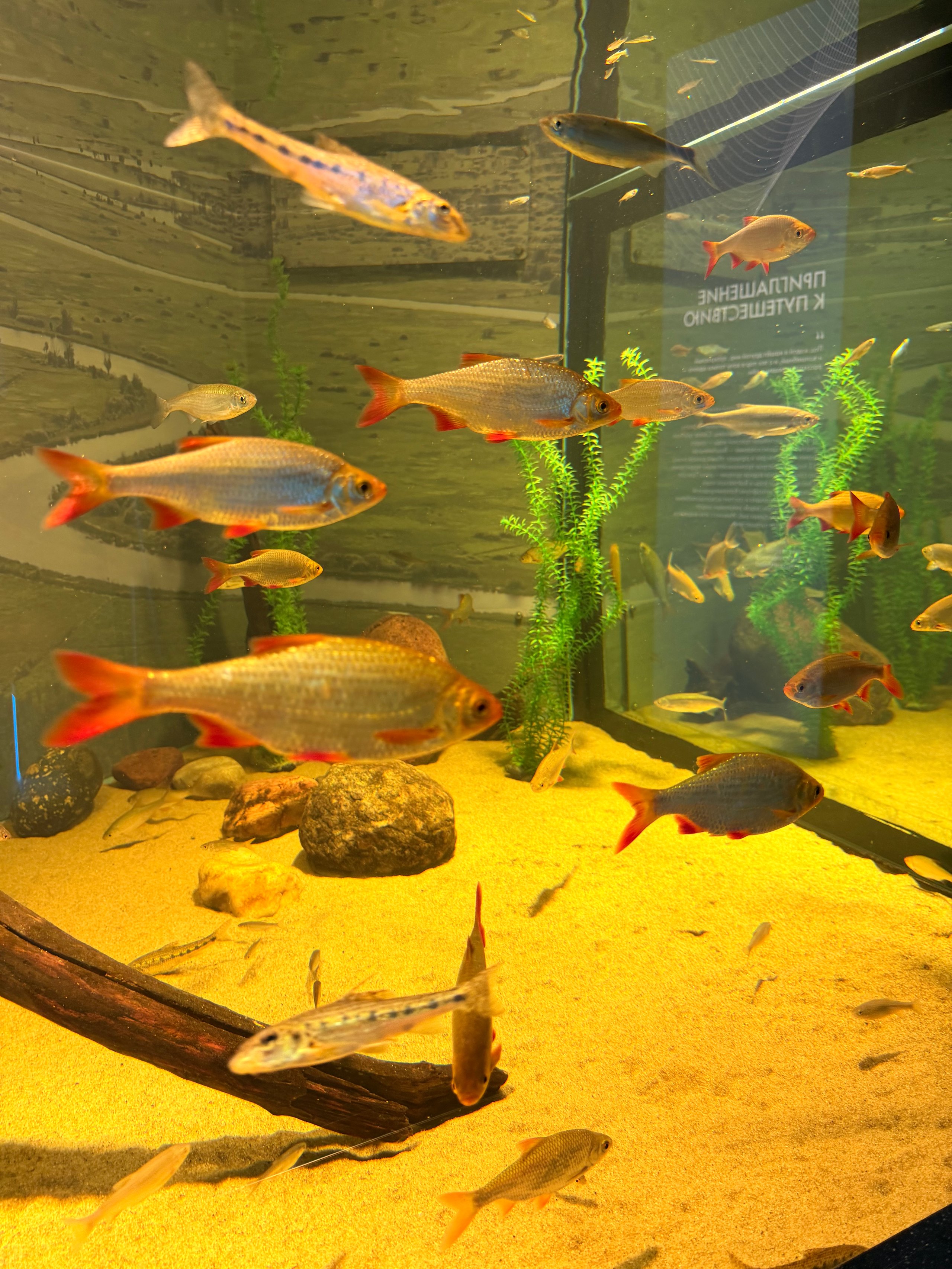
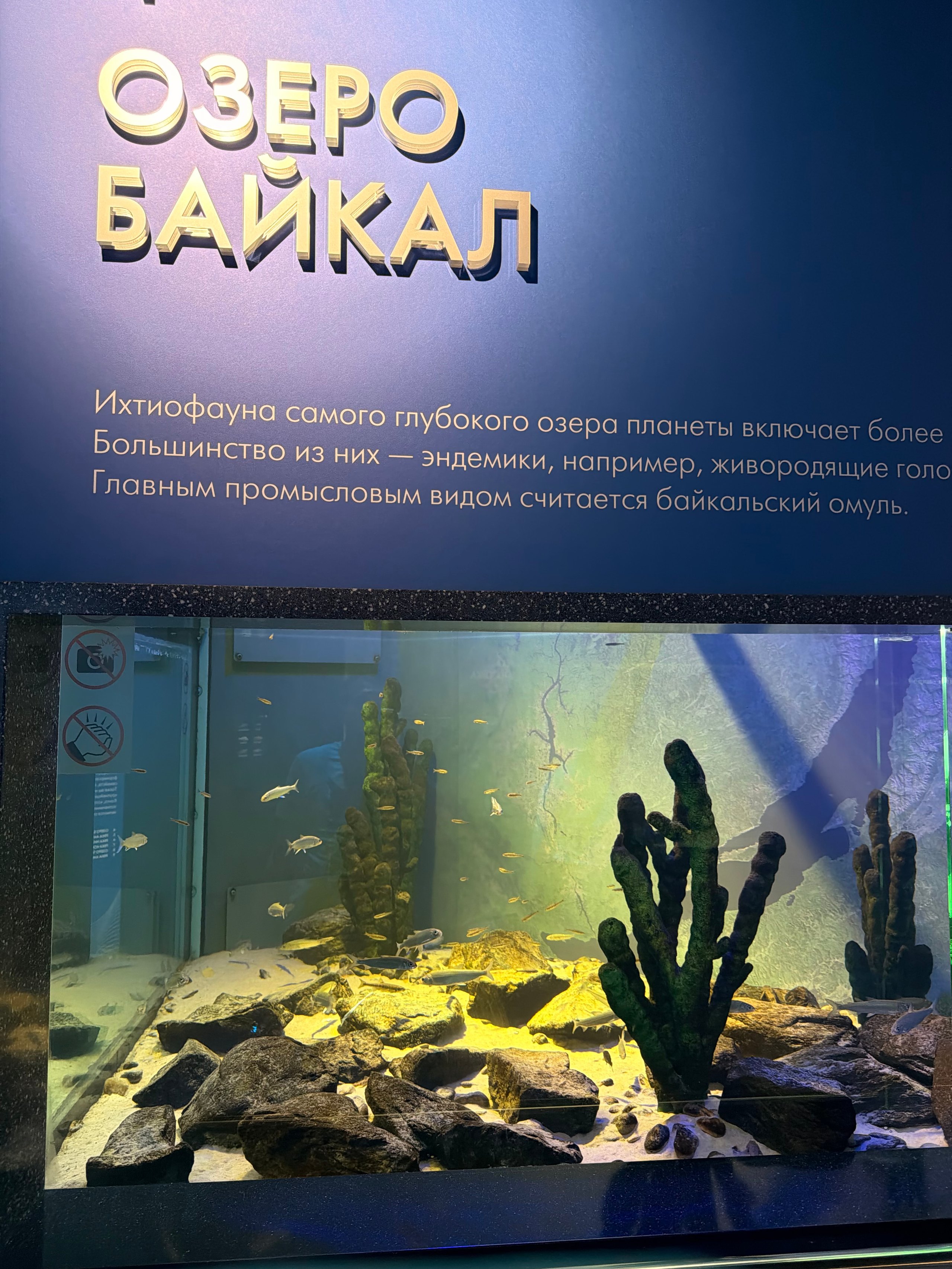
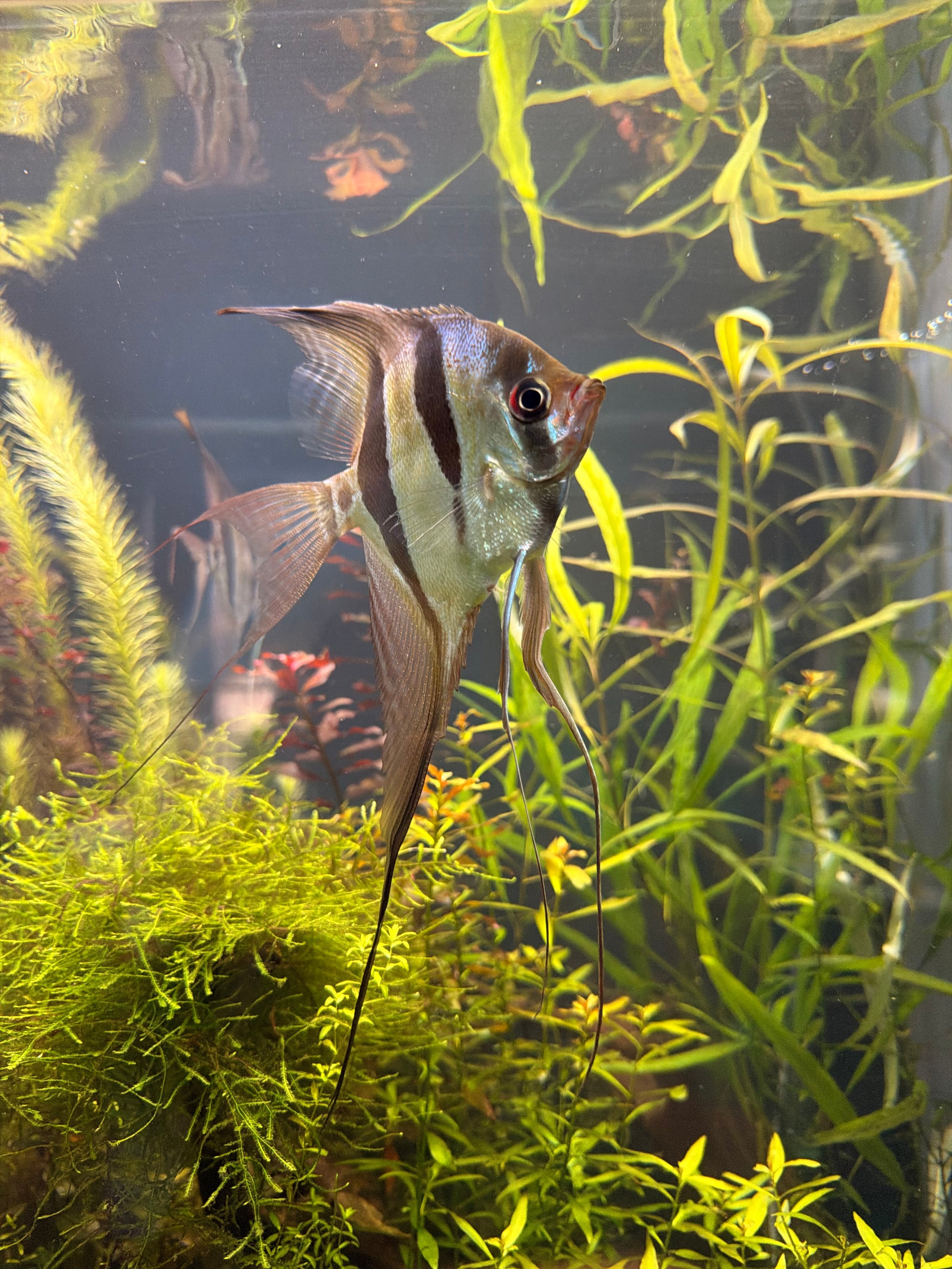
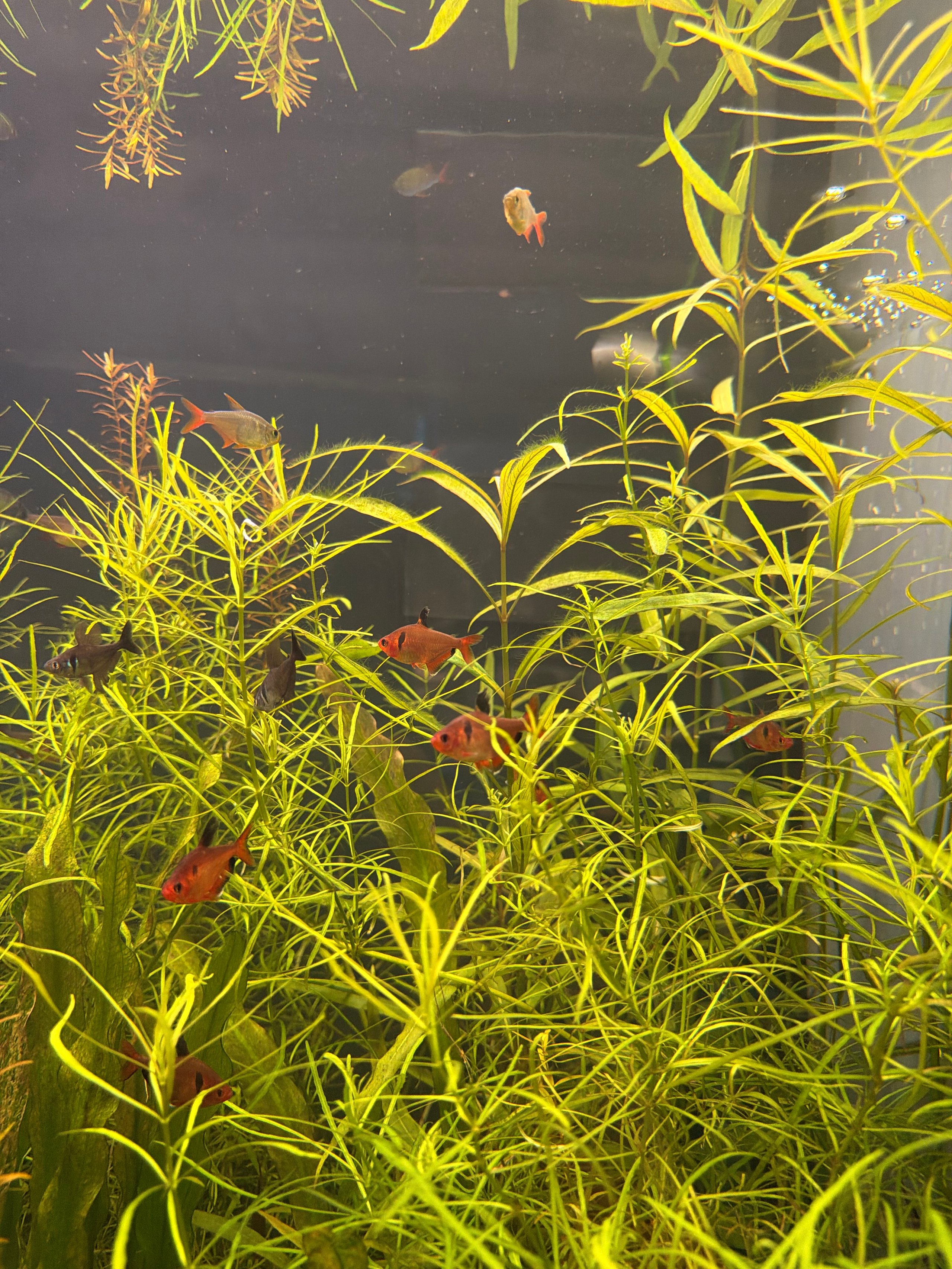
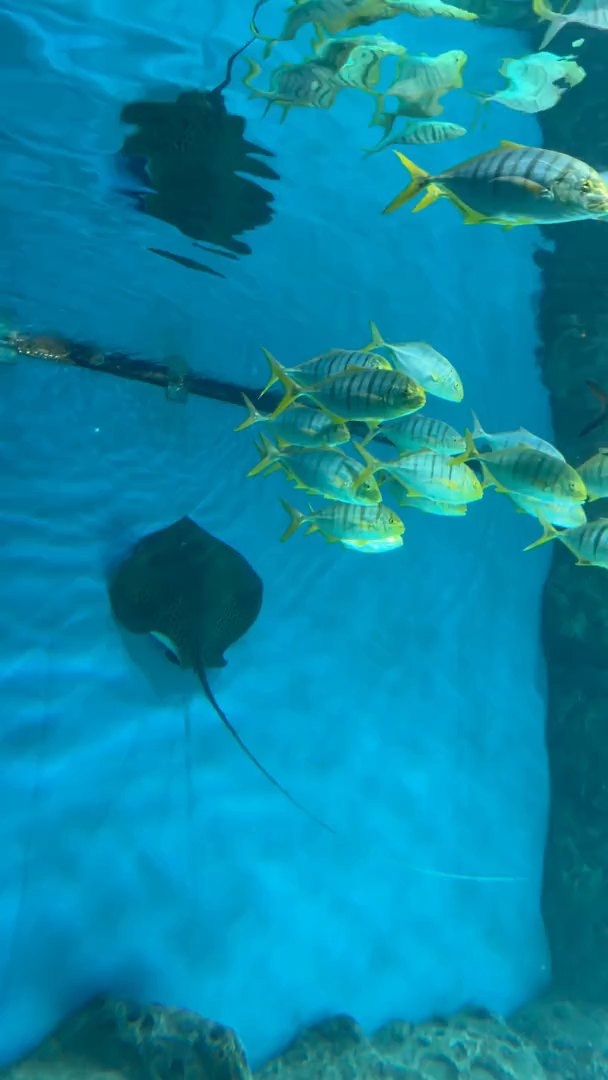
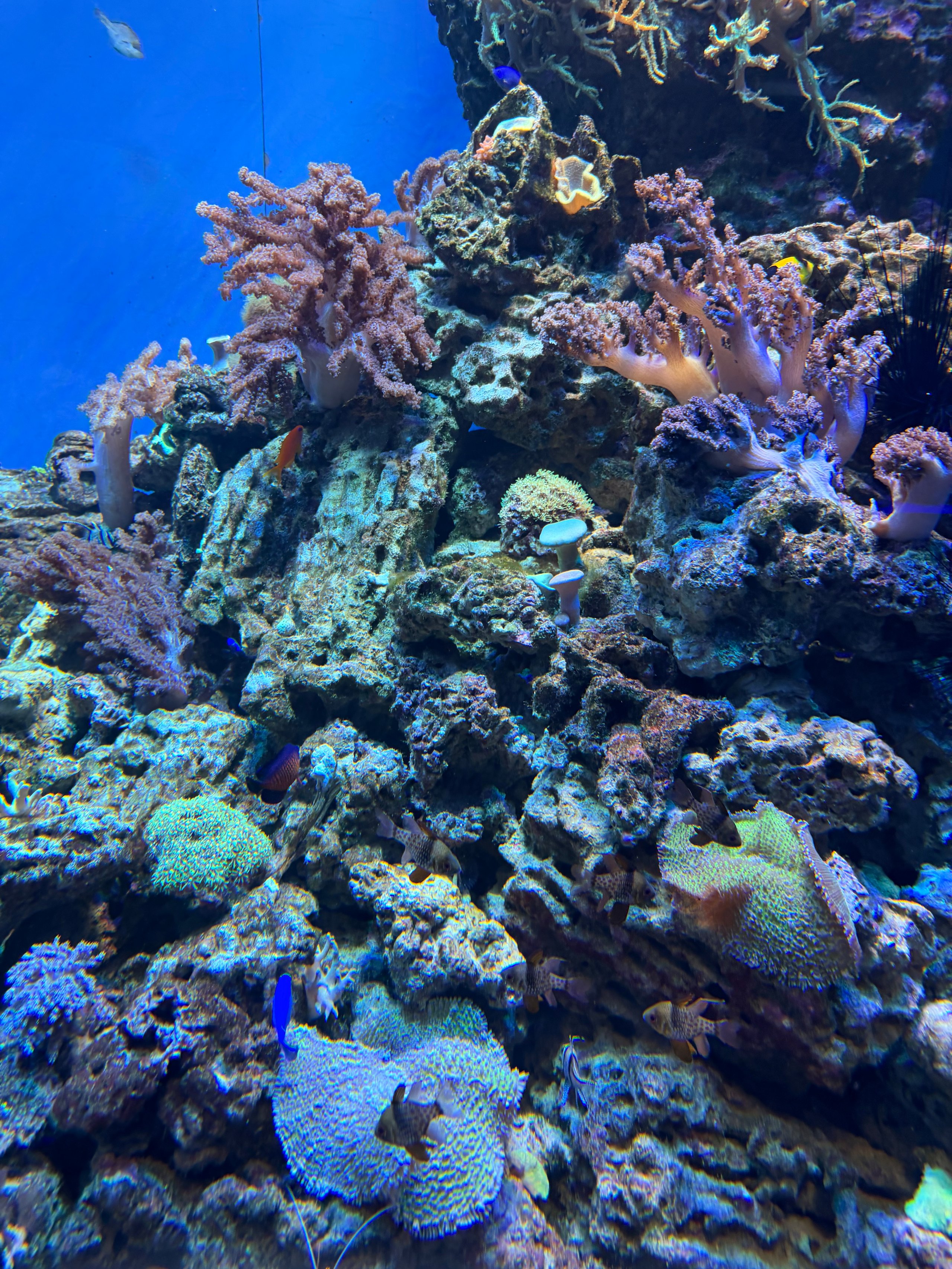
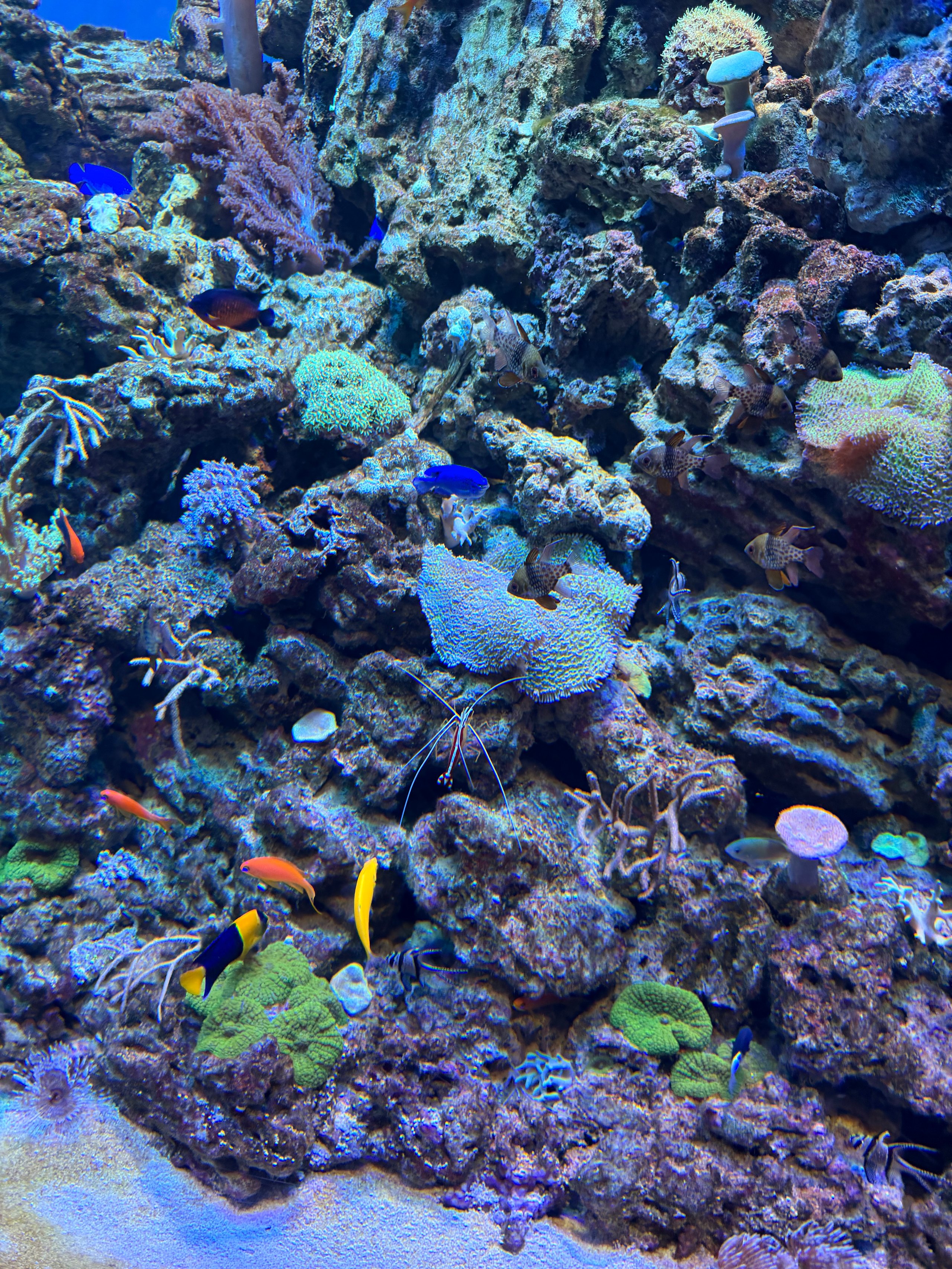
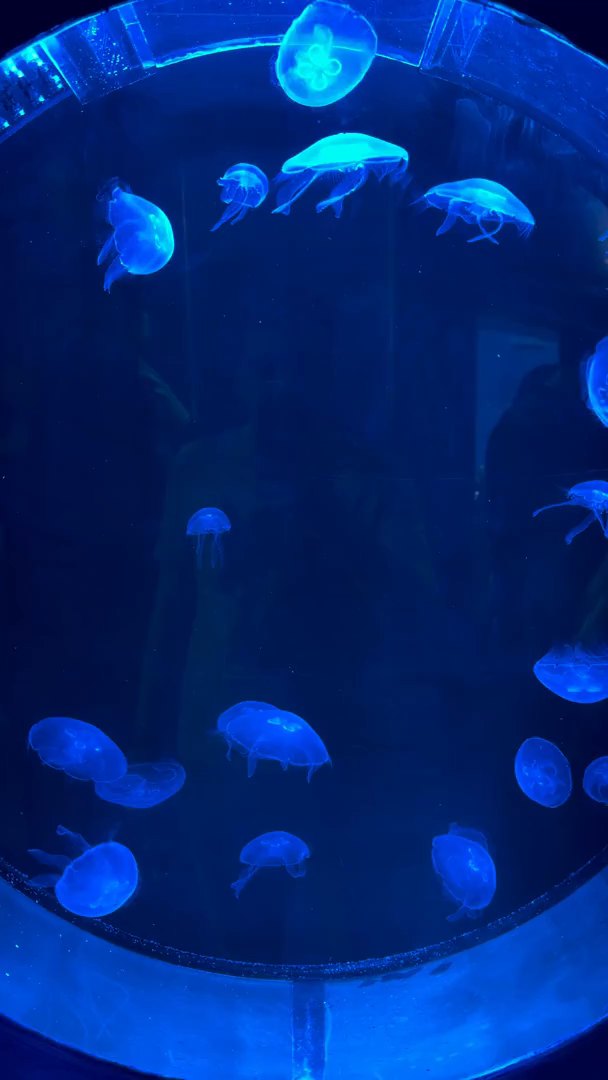
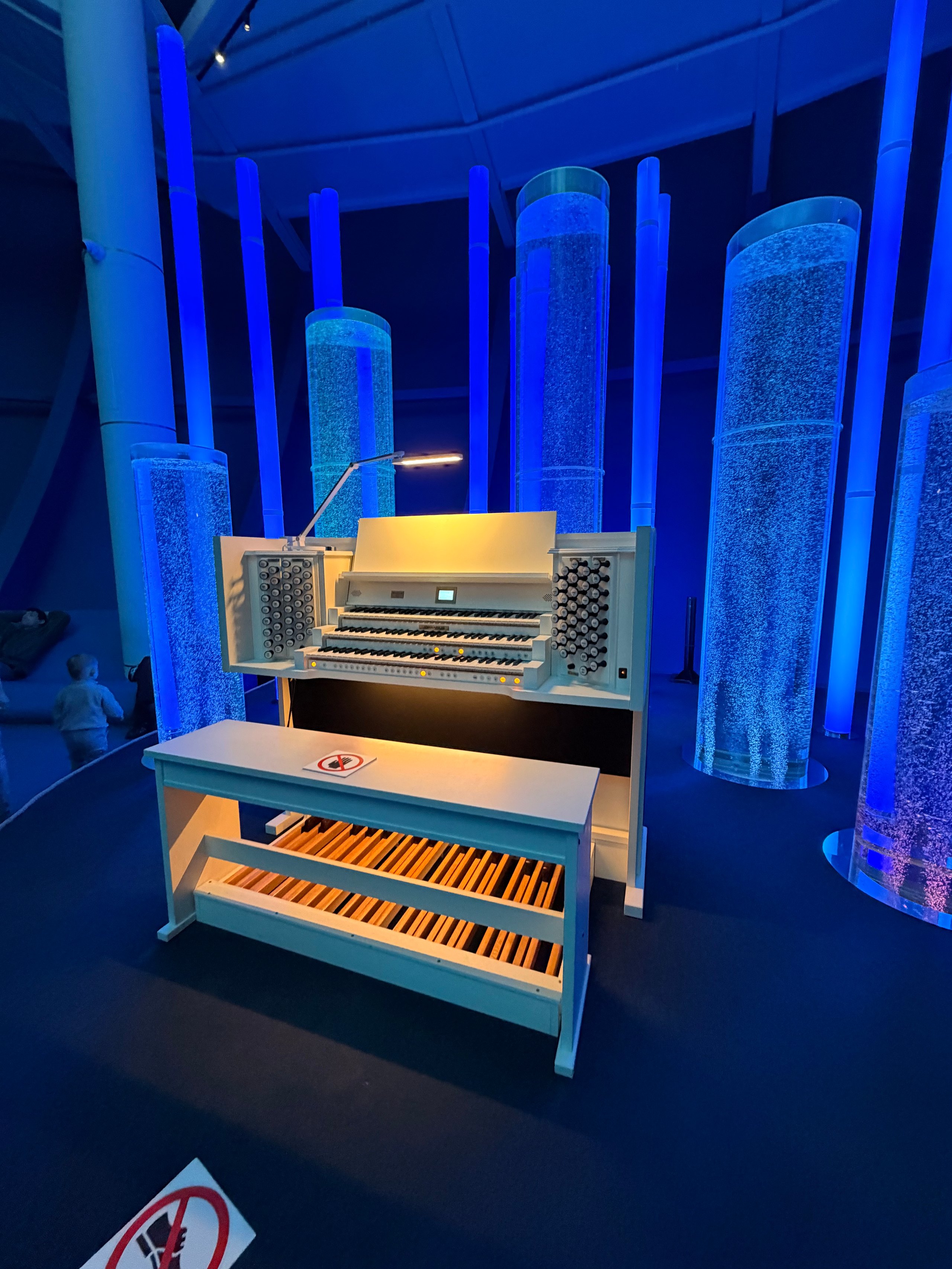
In the large hall, a huge screen was showing a video about the sea. There was a light organ there too. And yes, some of the tours here include concerts.
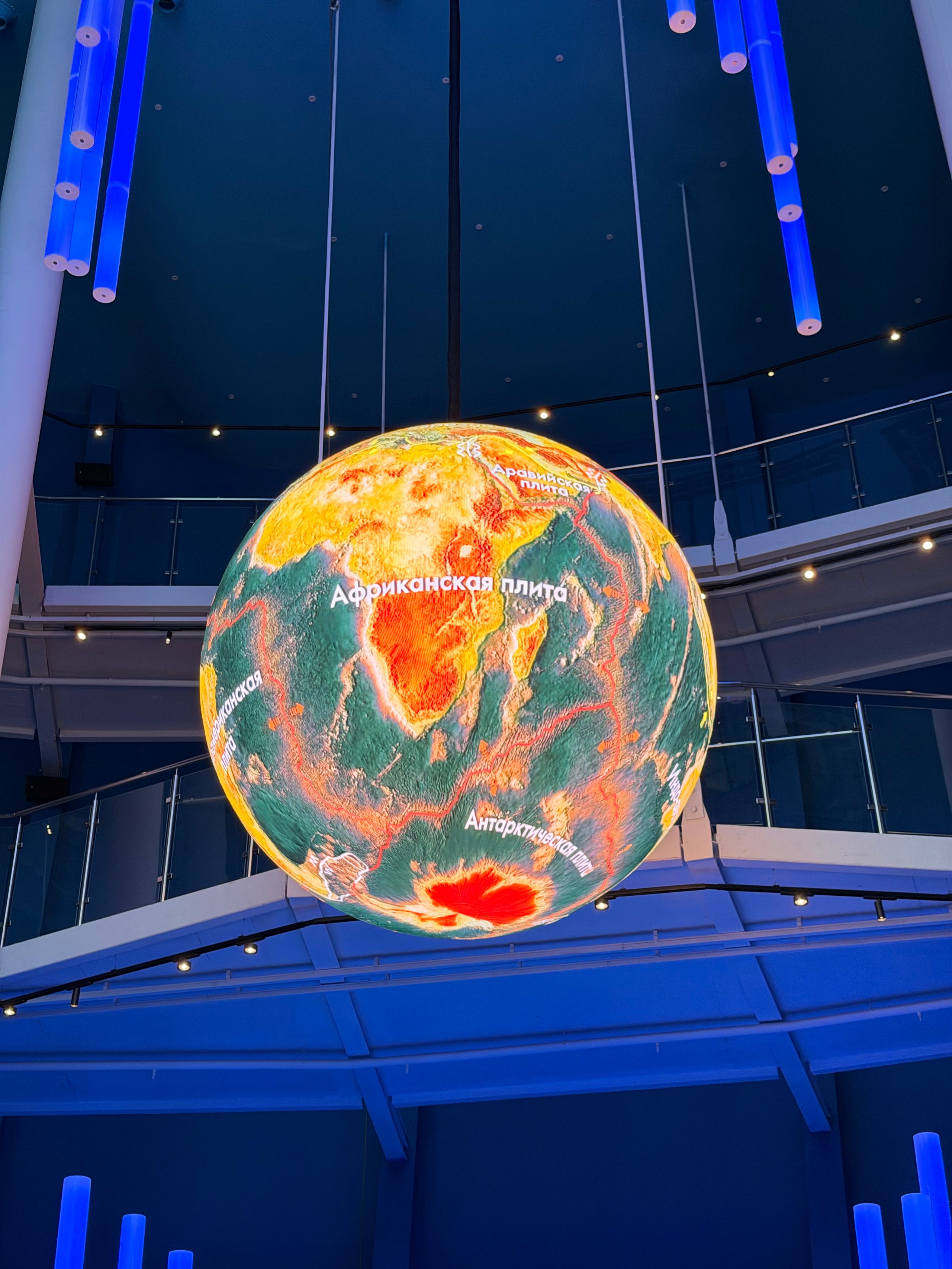
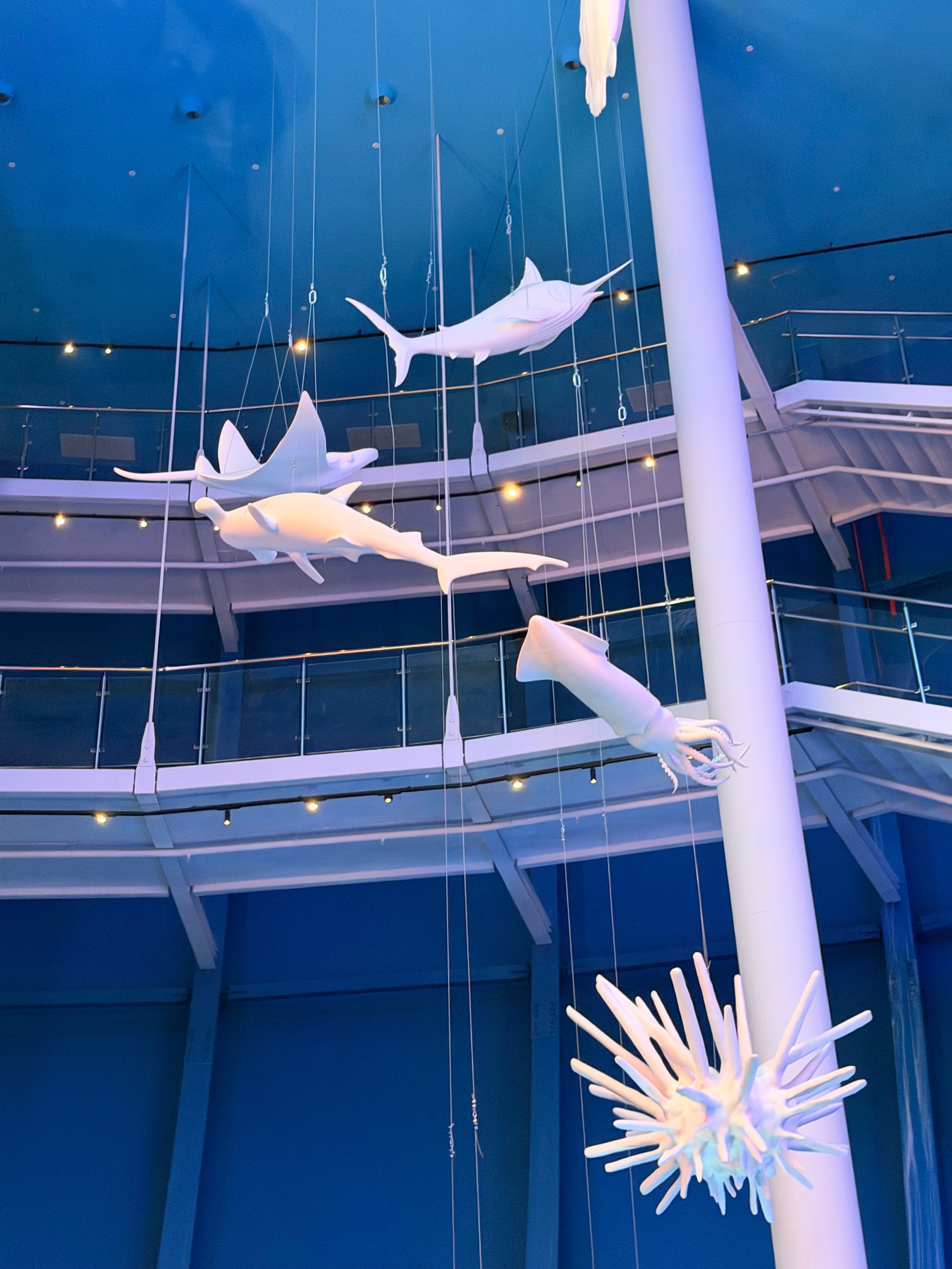
Overall, I liked the museum, though the crowds and the trouble with buying tickets took some of the shine off the visit. I’m glad we have museums on this scale in Russia. I’d also have liked to explore the ships with a guide.
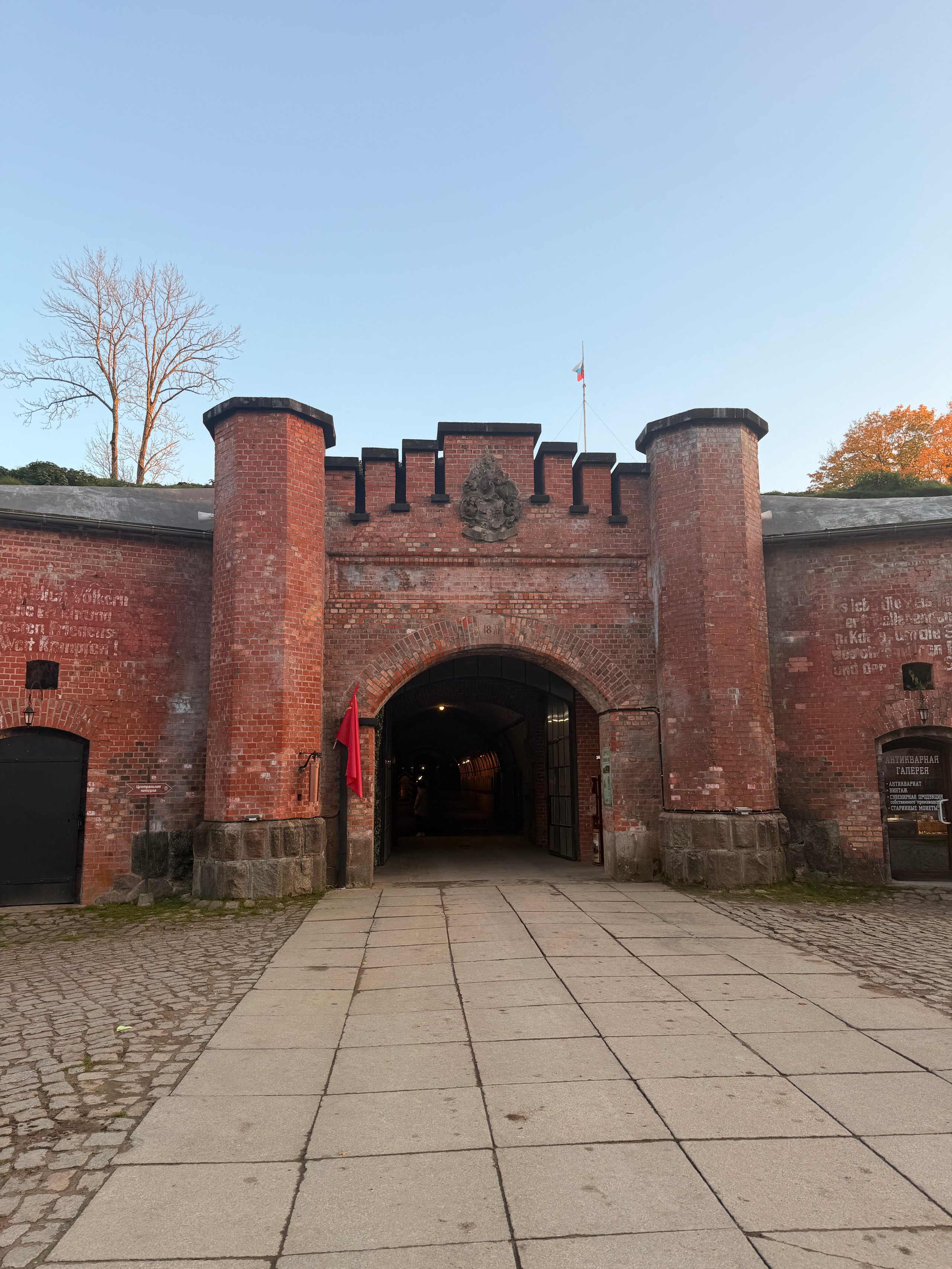
Fort No. 11 Dönhoff
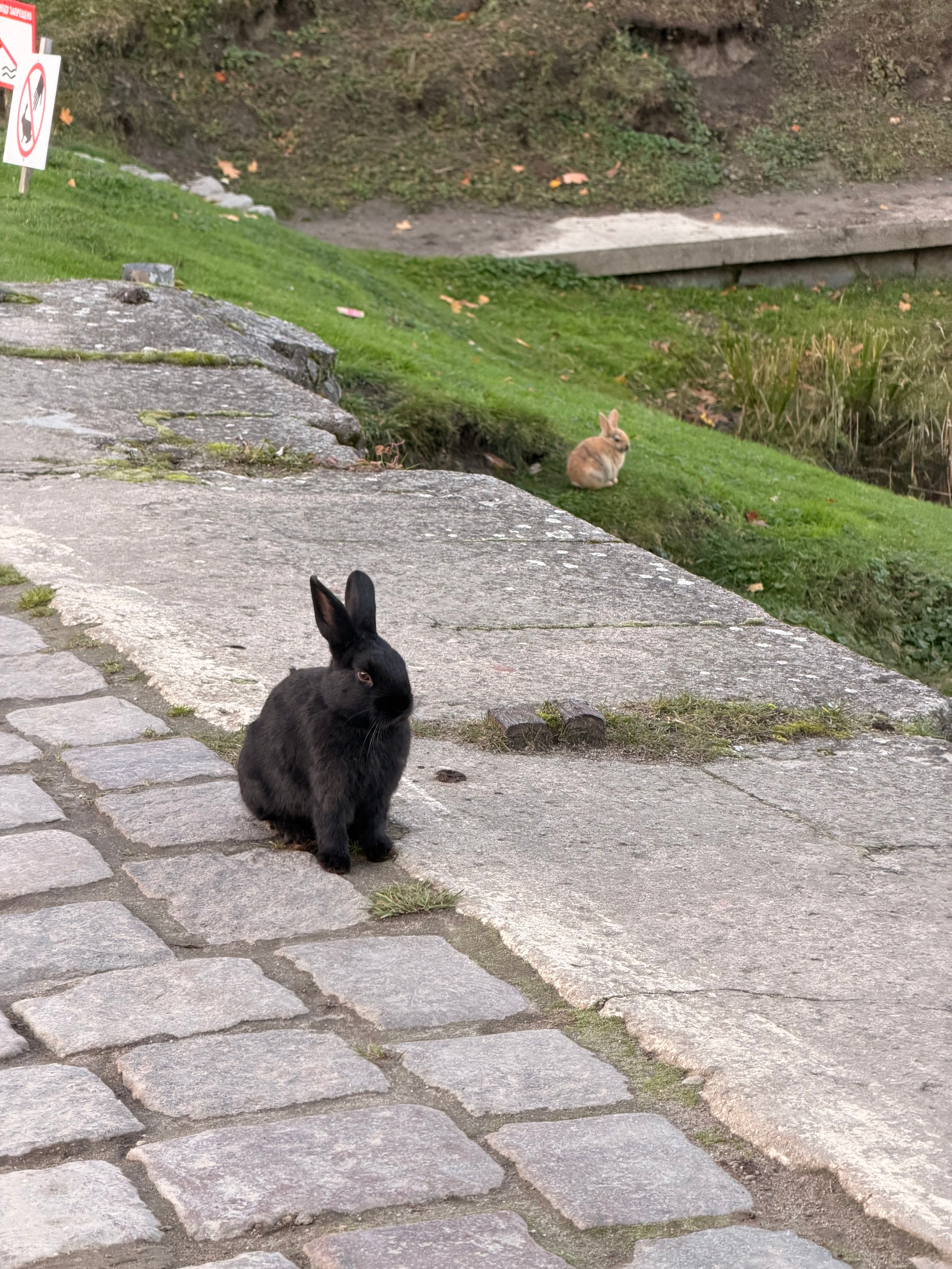
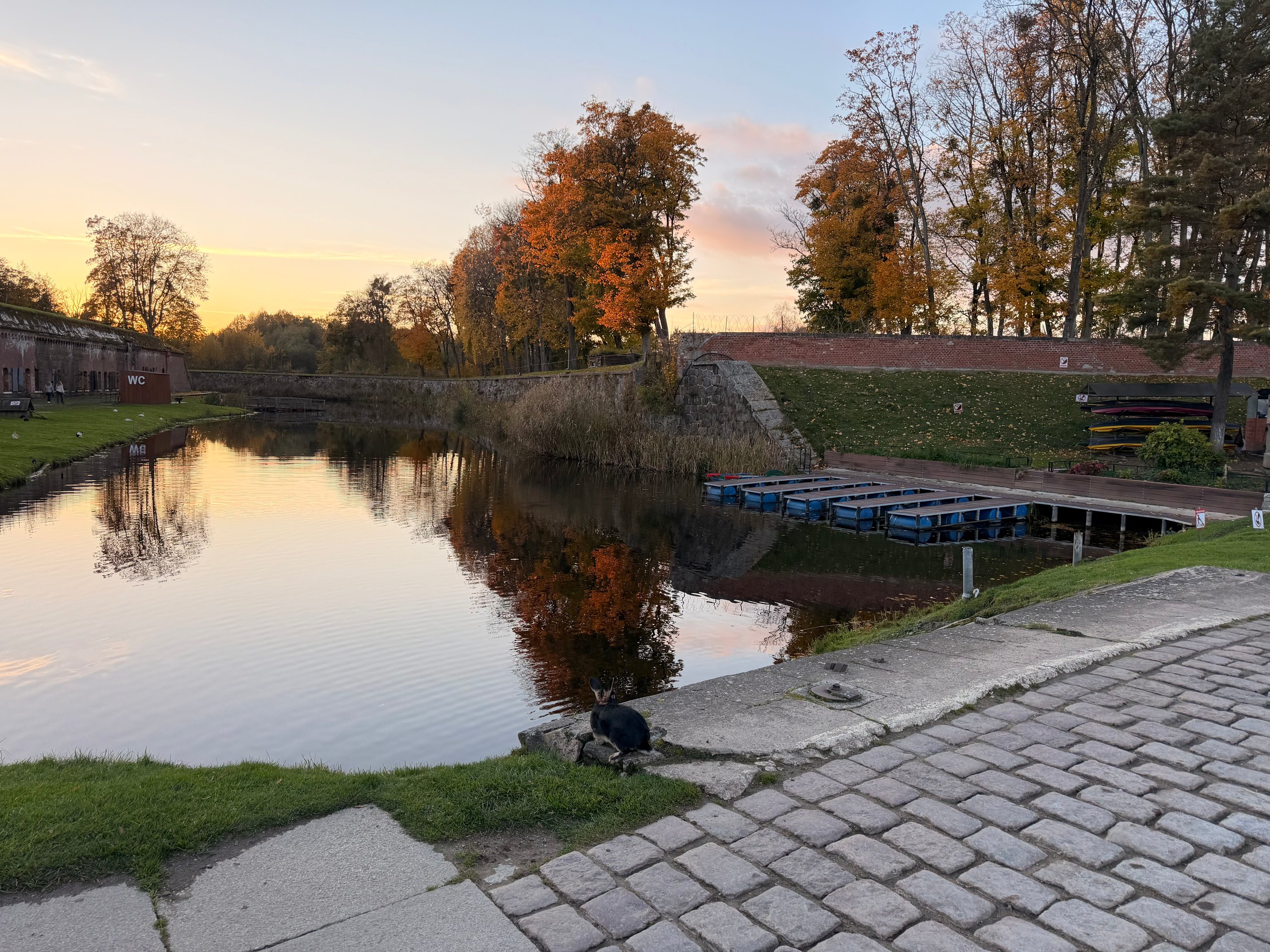
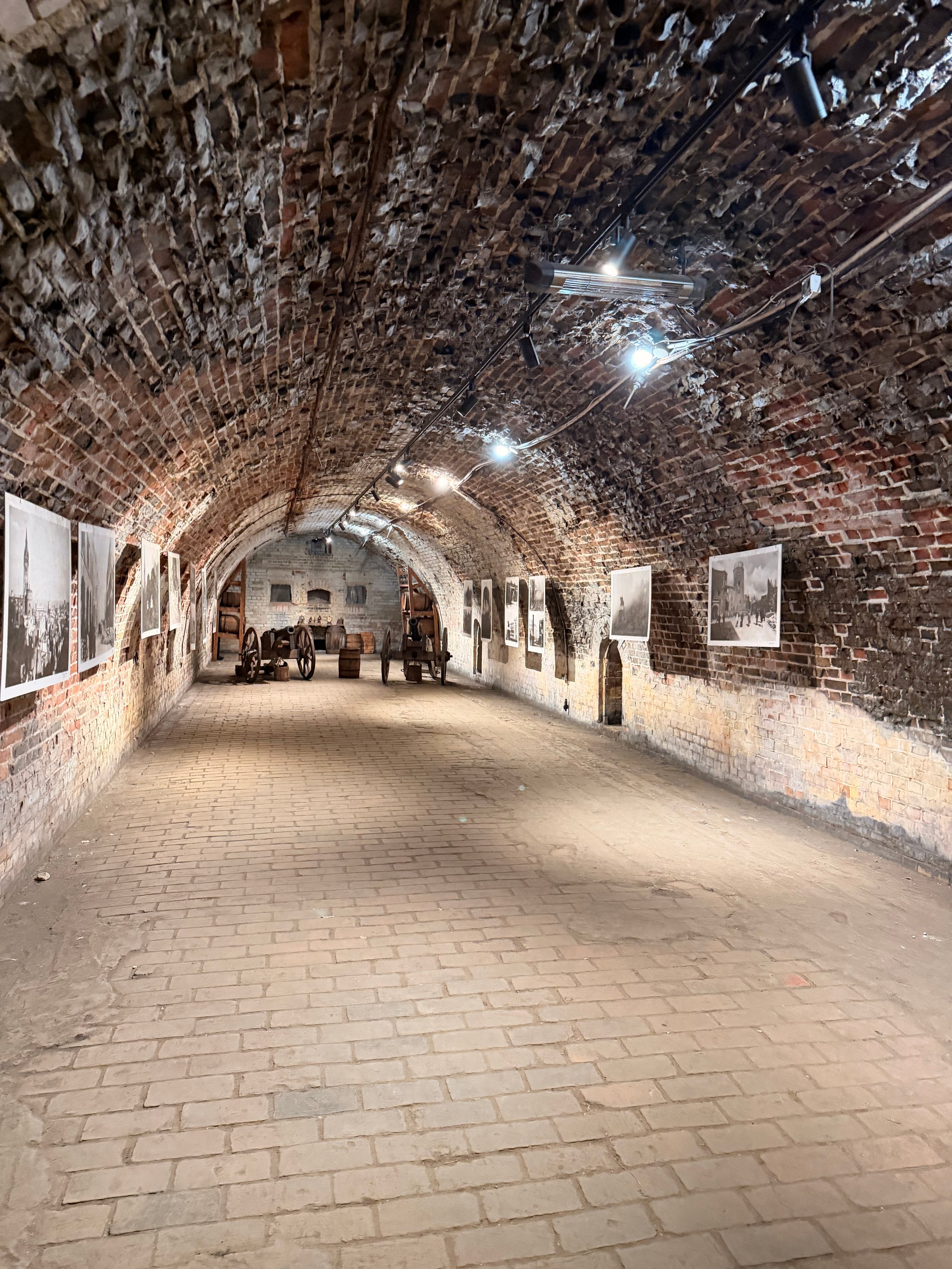
In the evening, I headed to Fort No. 11 Dönhoff. Rabbits and ducks live on its grounds.

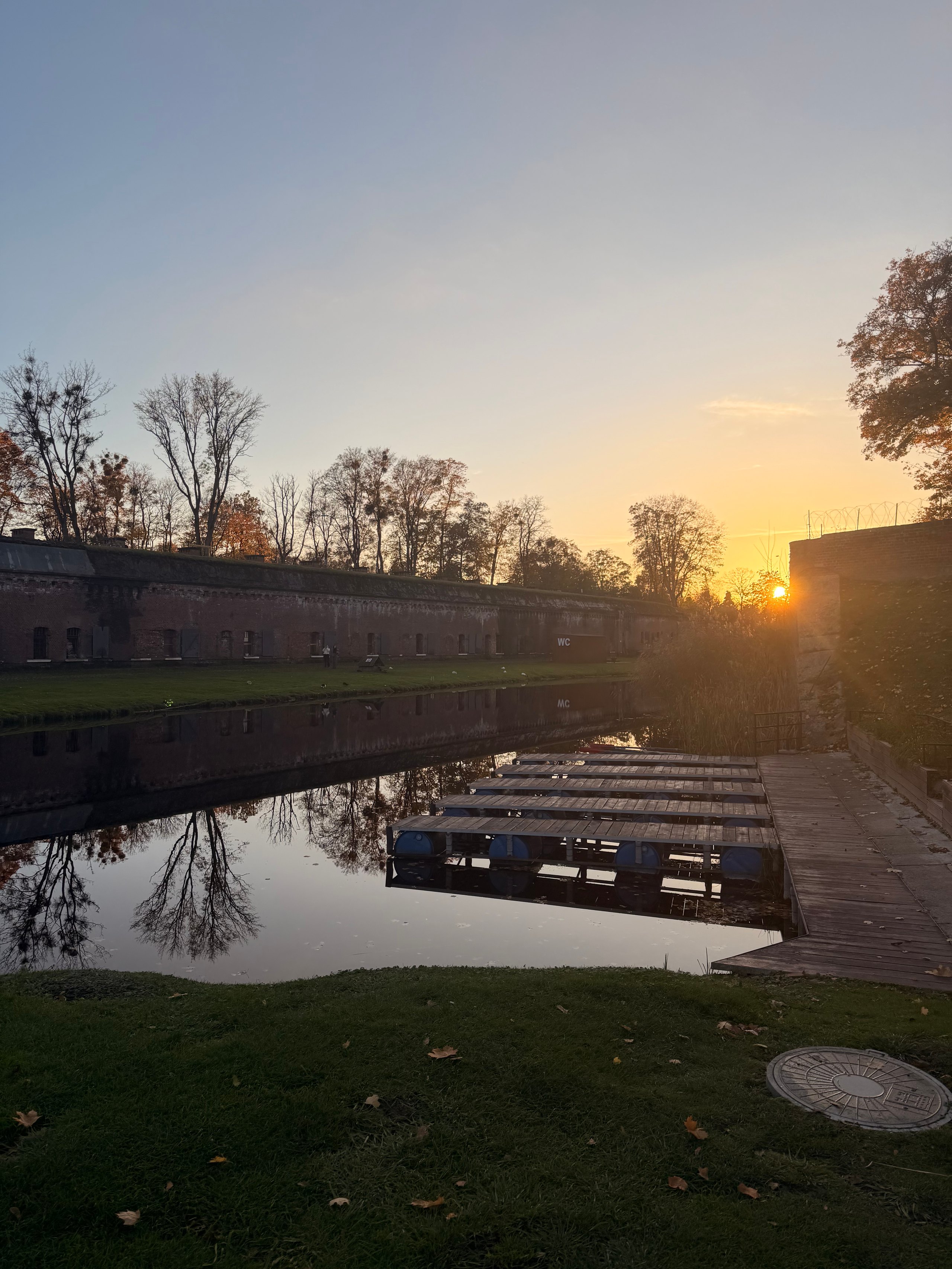
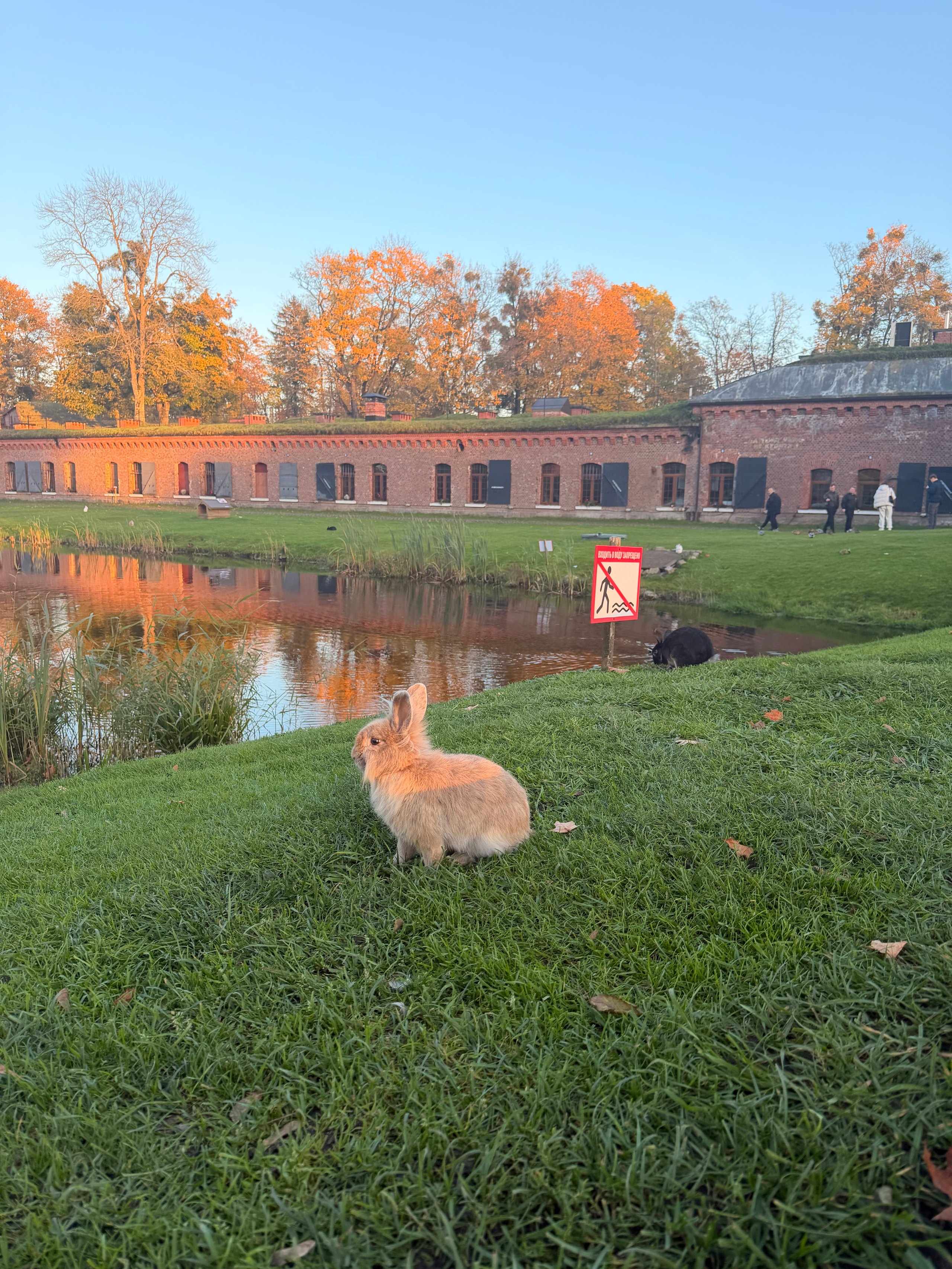
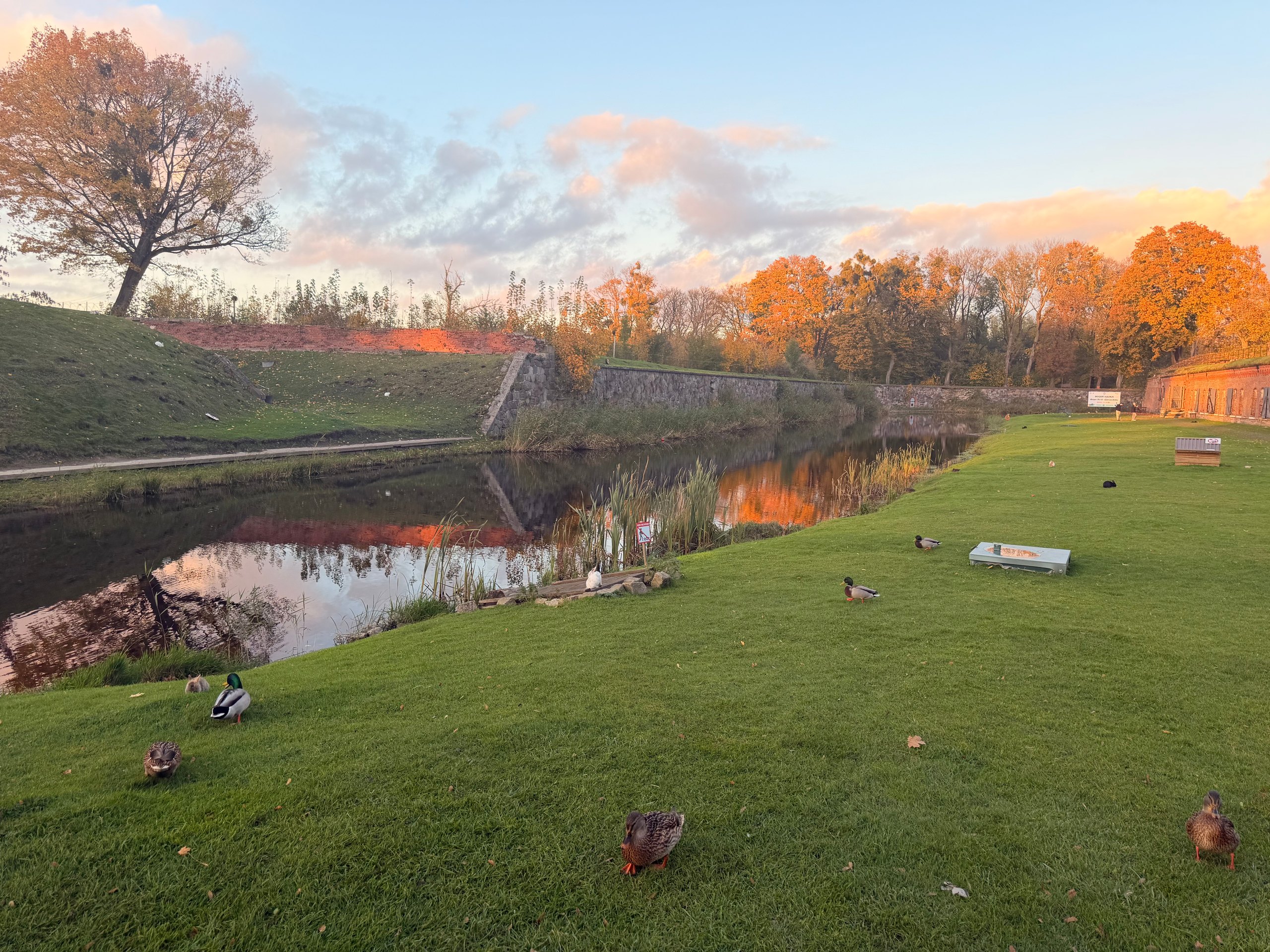
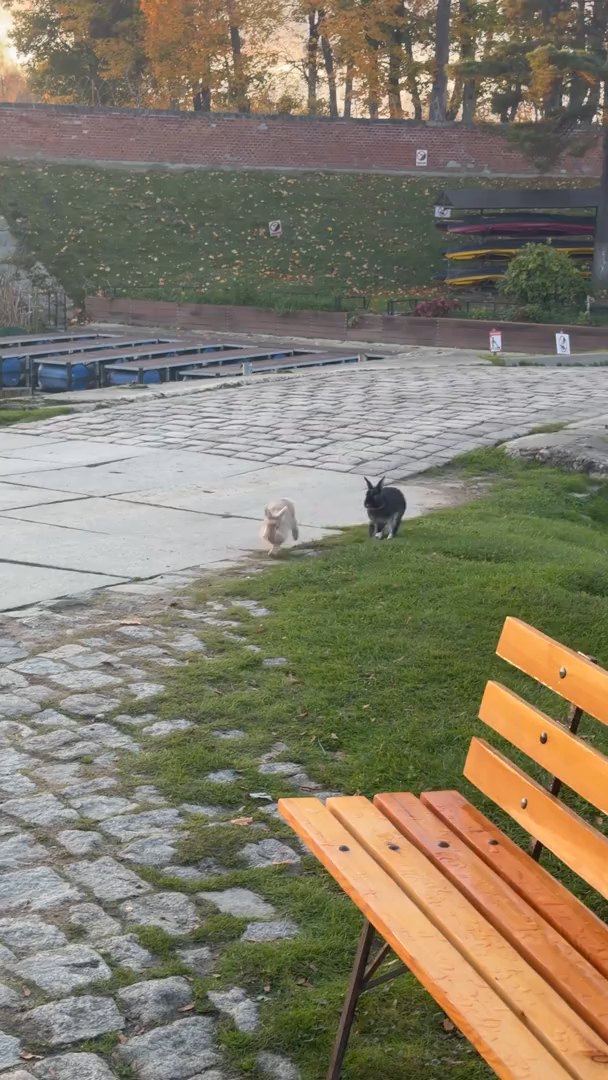
The layout is similar to Stein, which I visited the day before.
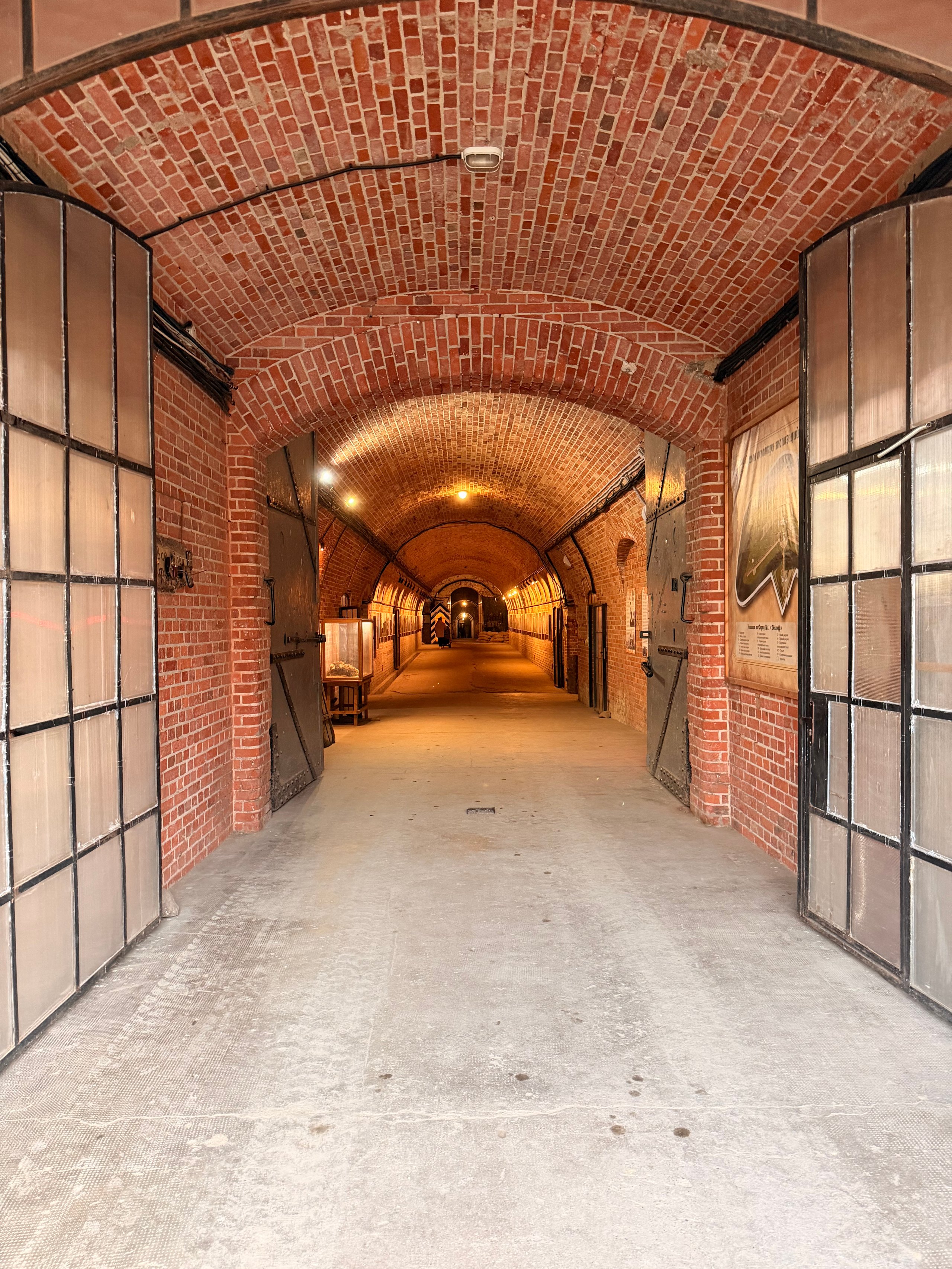
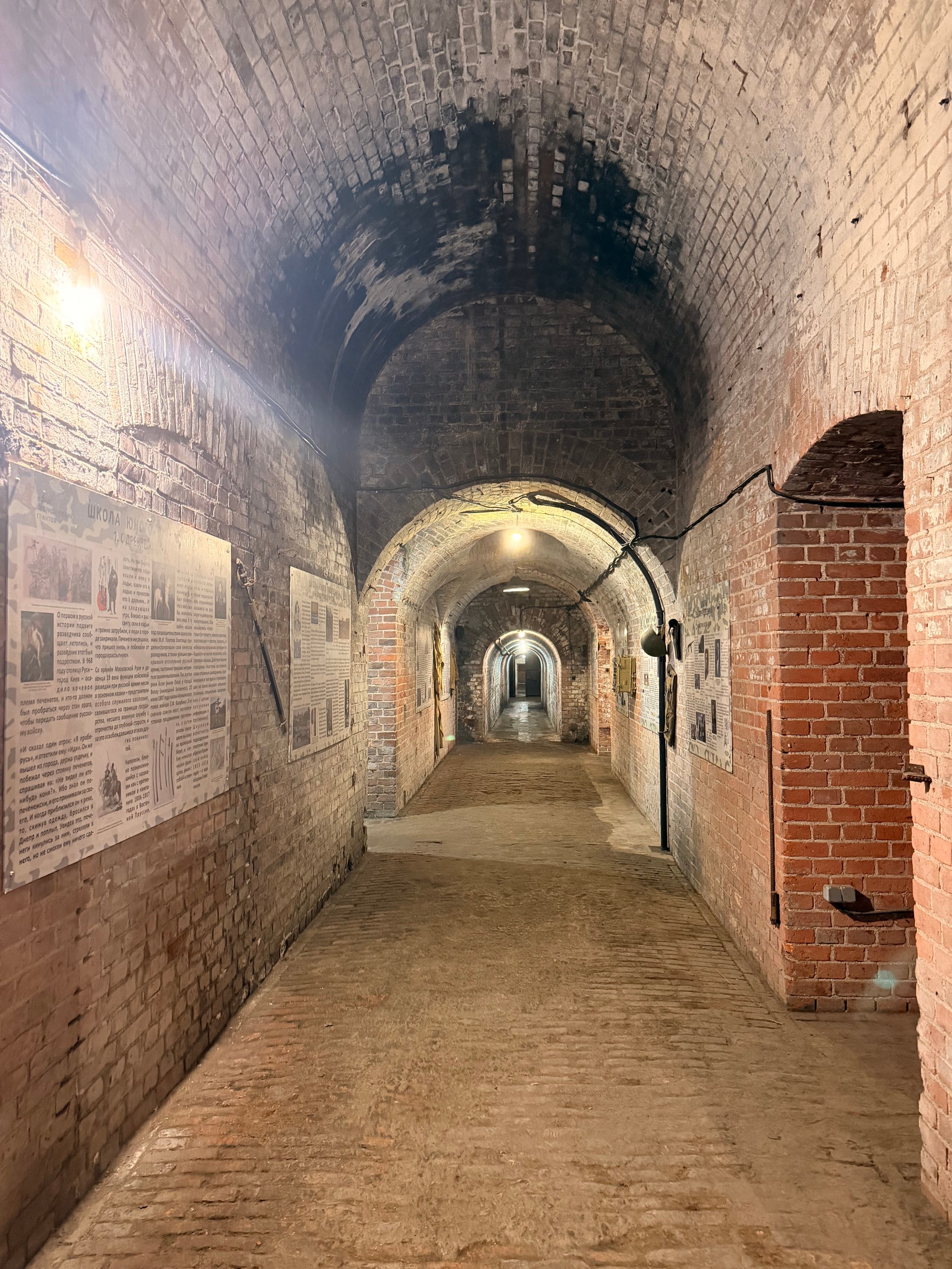
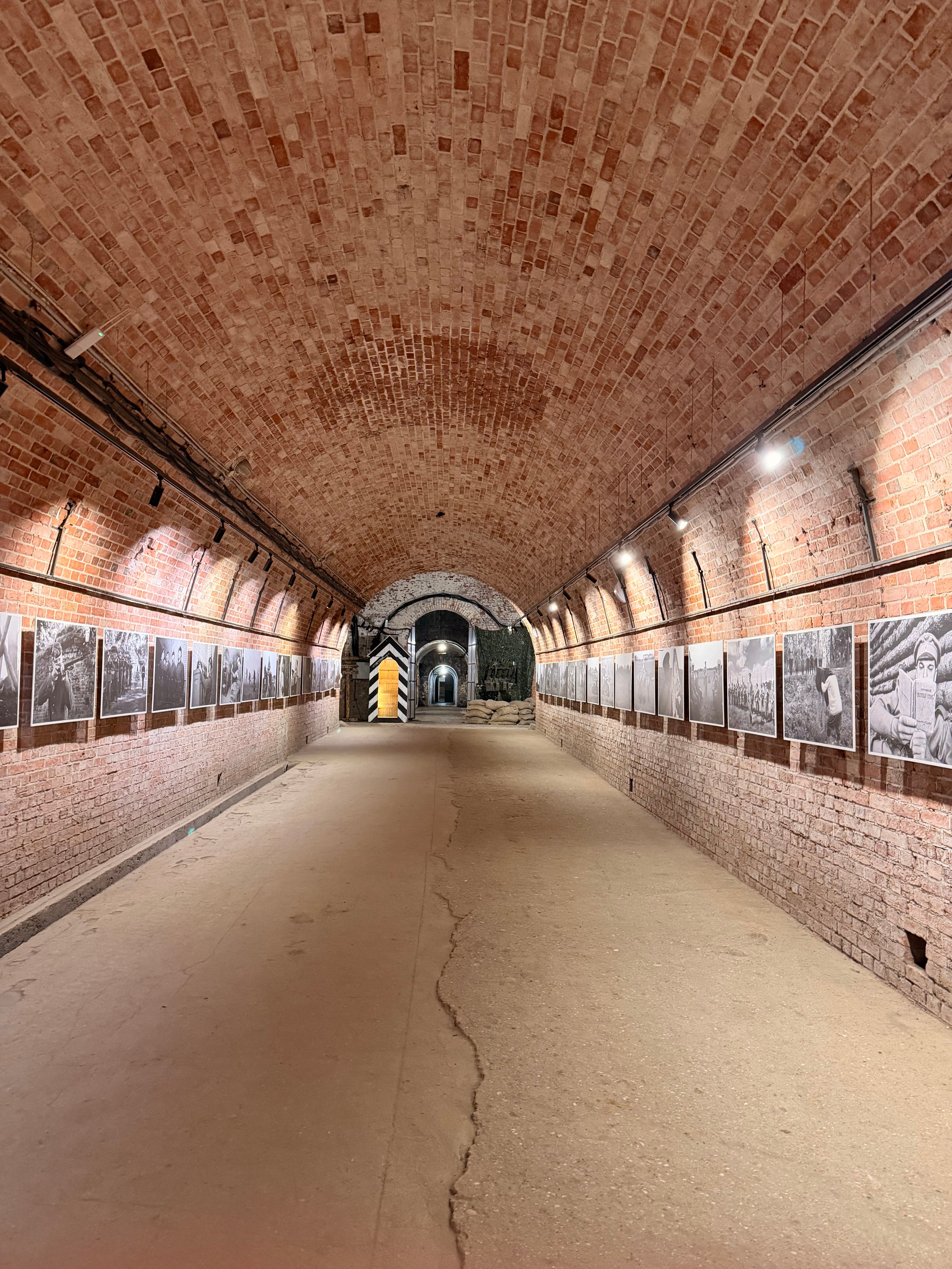
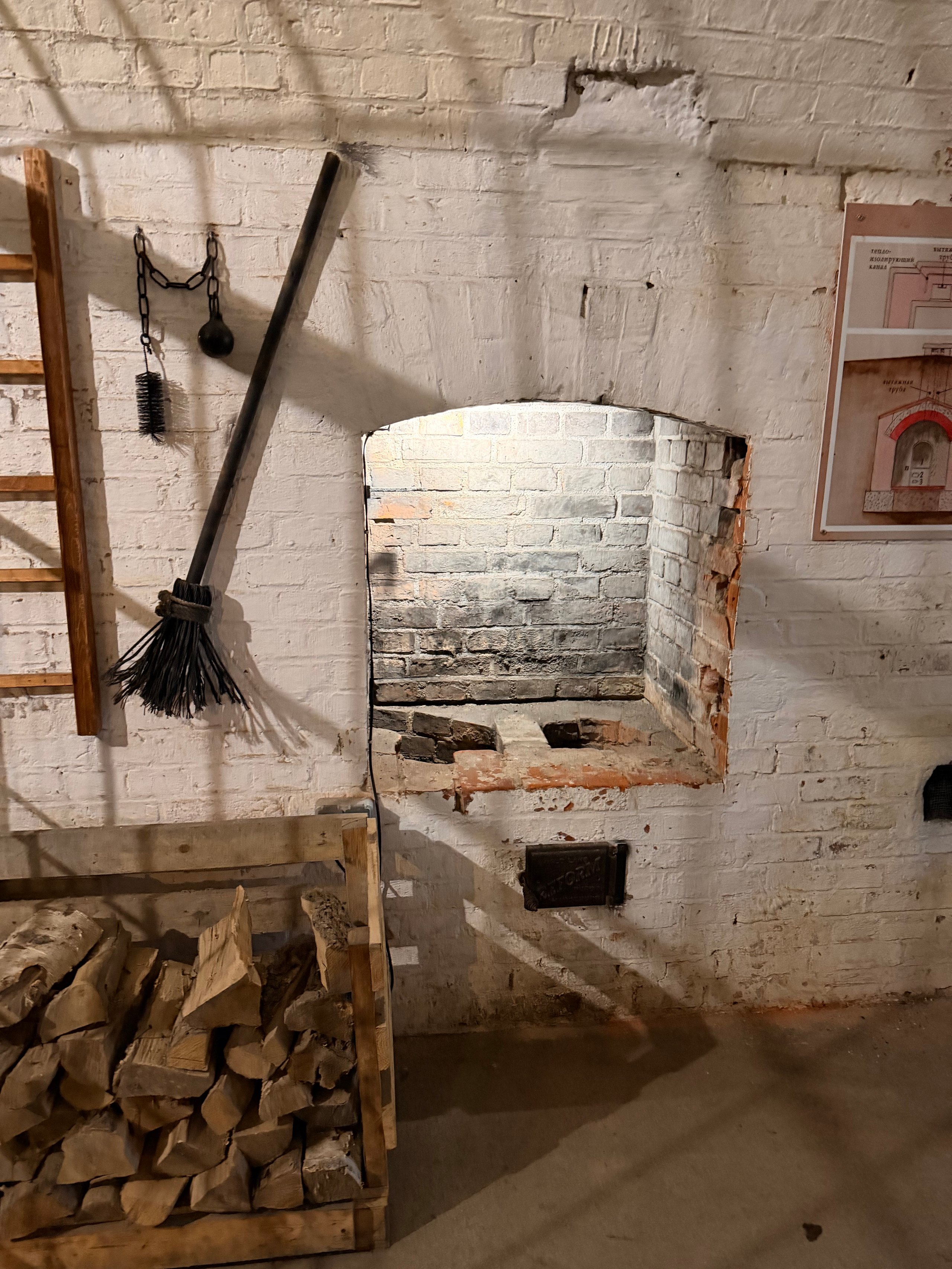
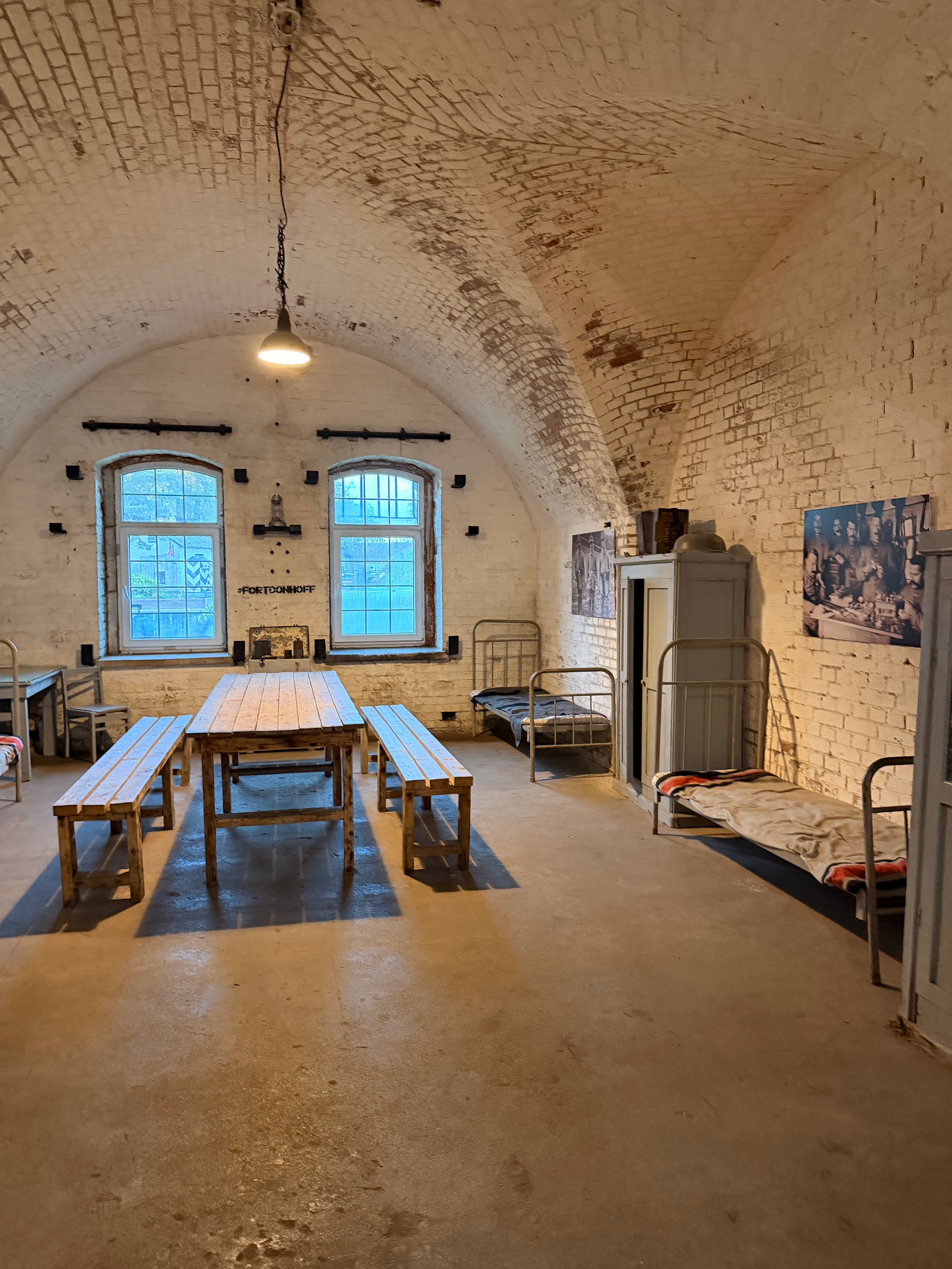
The forts were first heated with fireplaces, then with stoves. The stoves themselves haven’t survived.
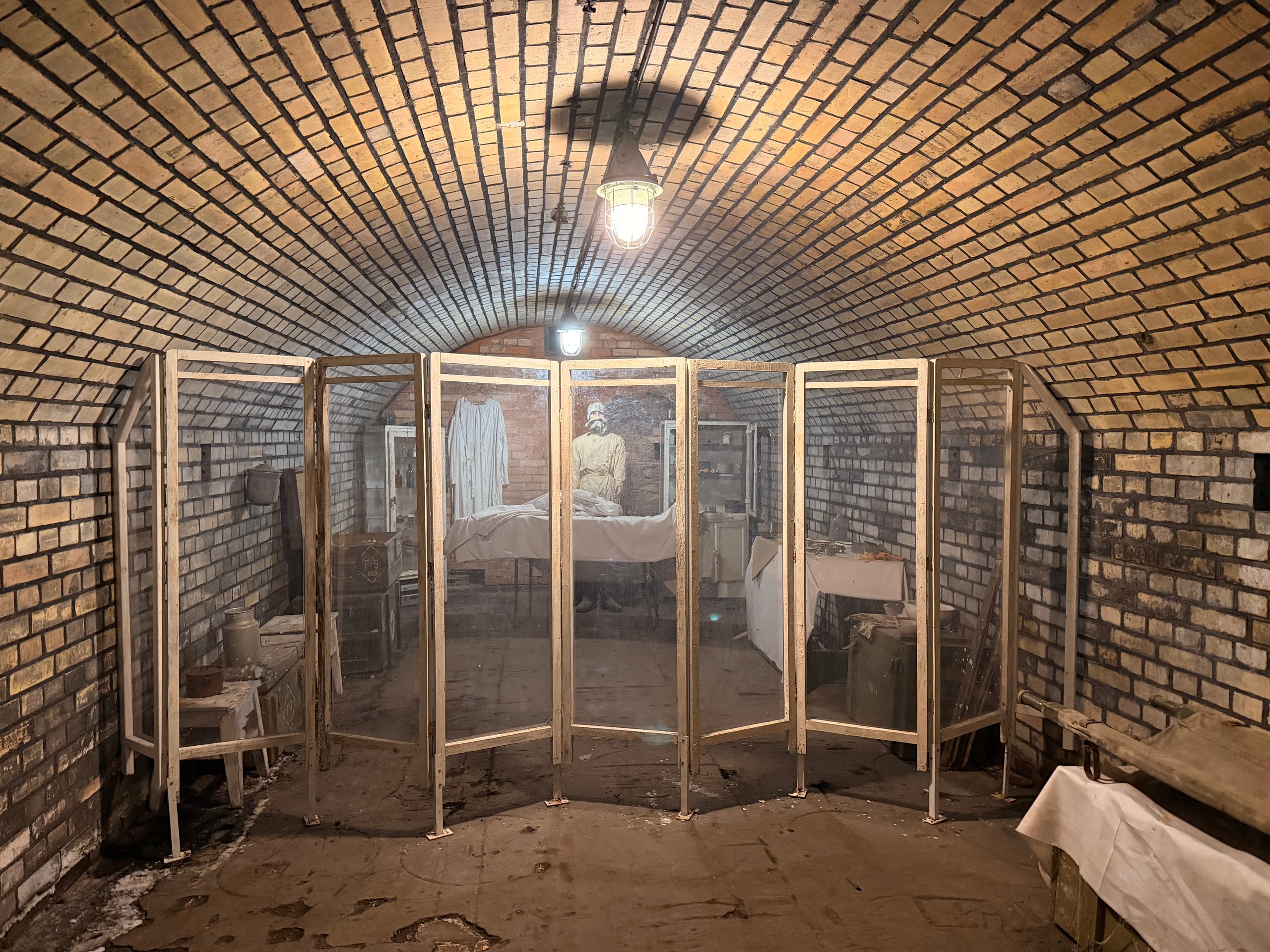
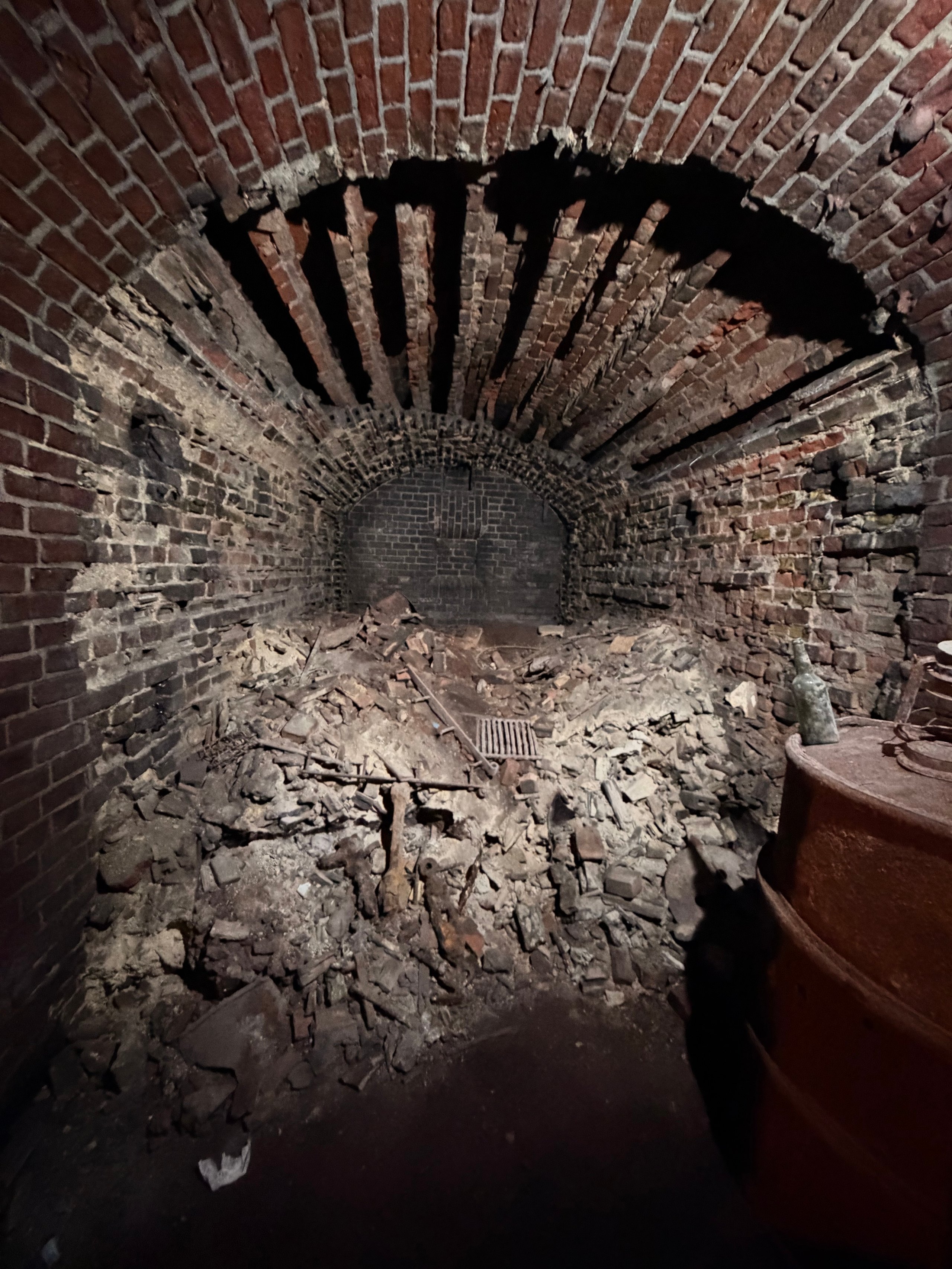
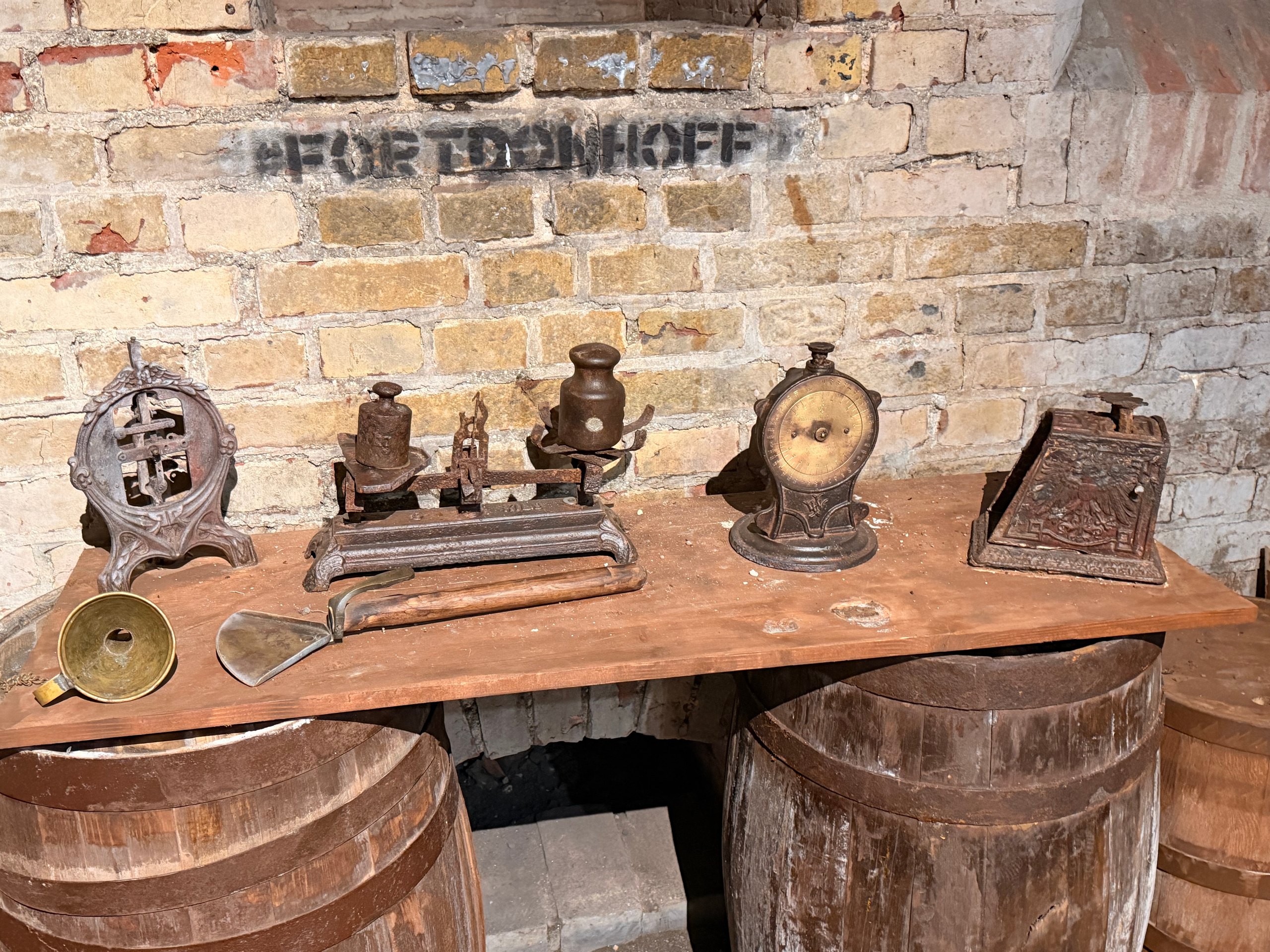
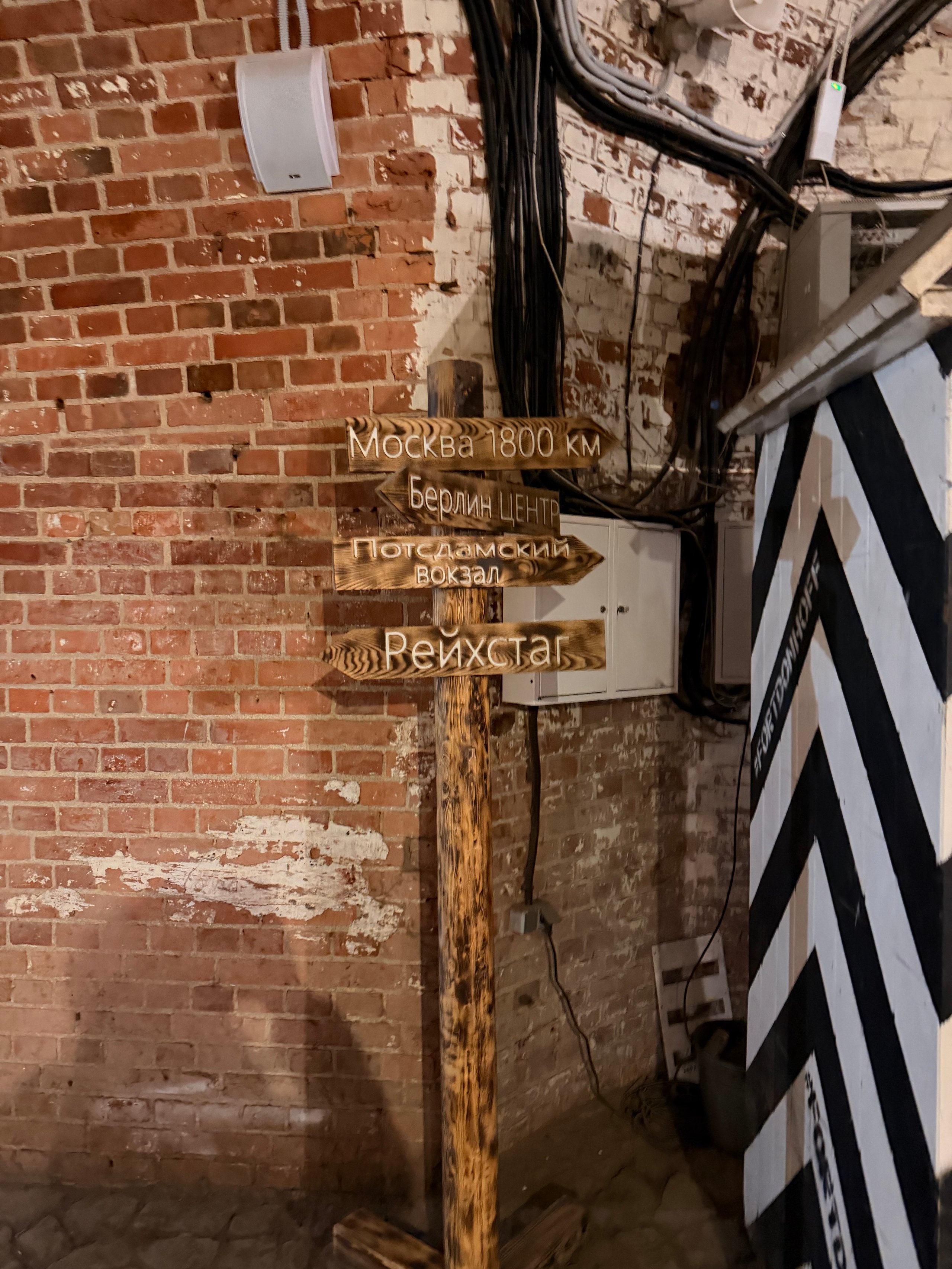
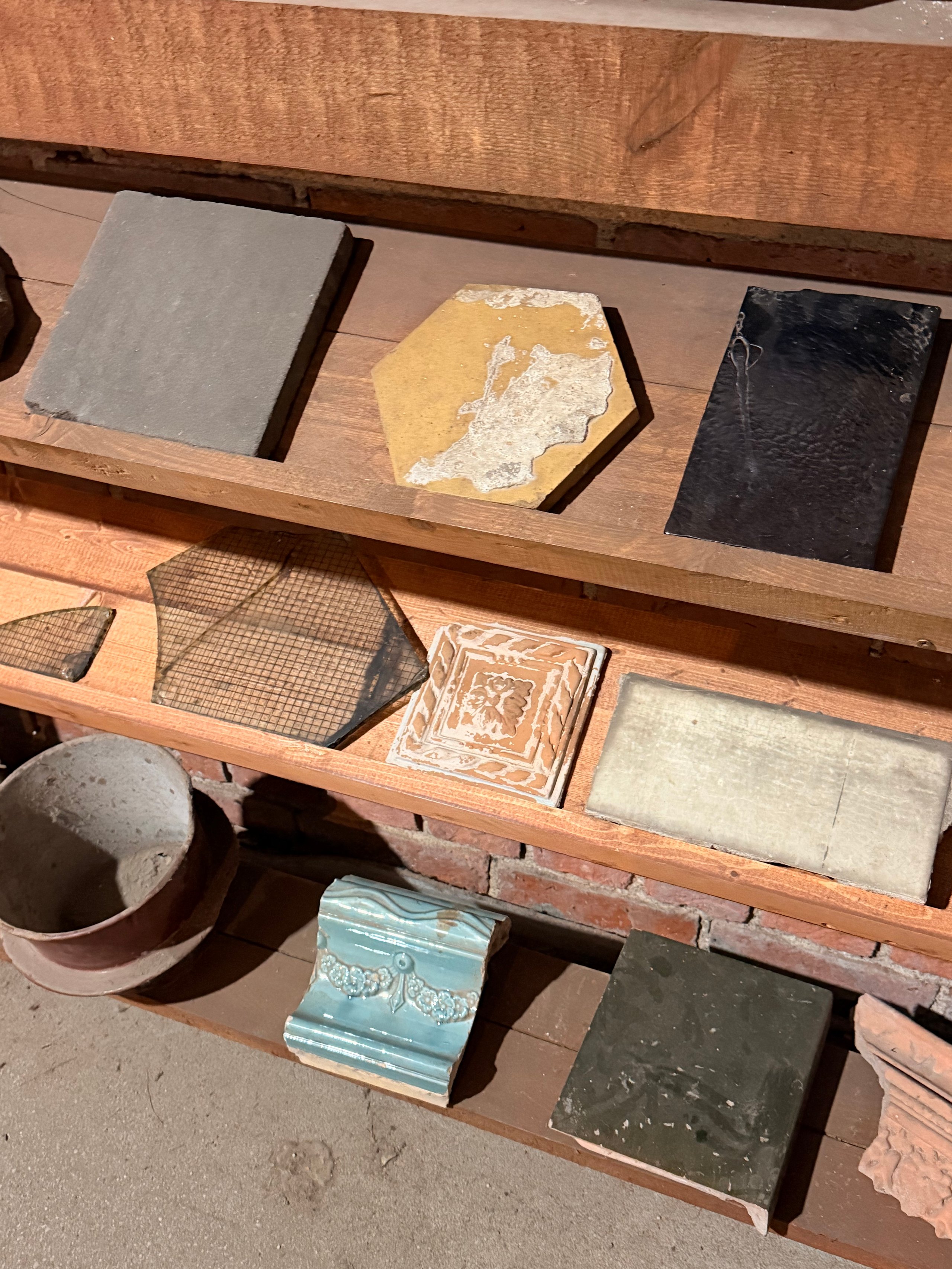
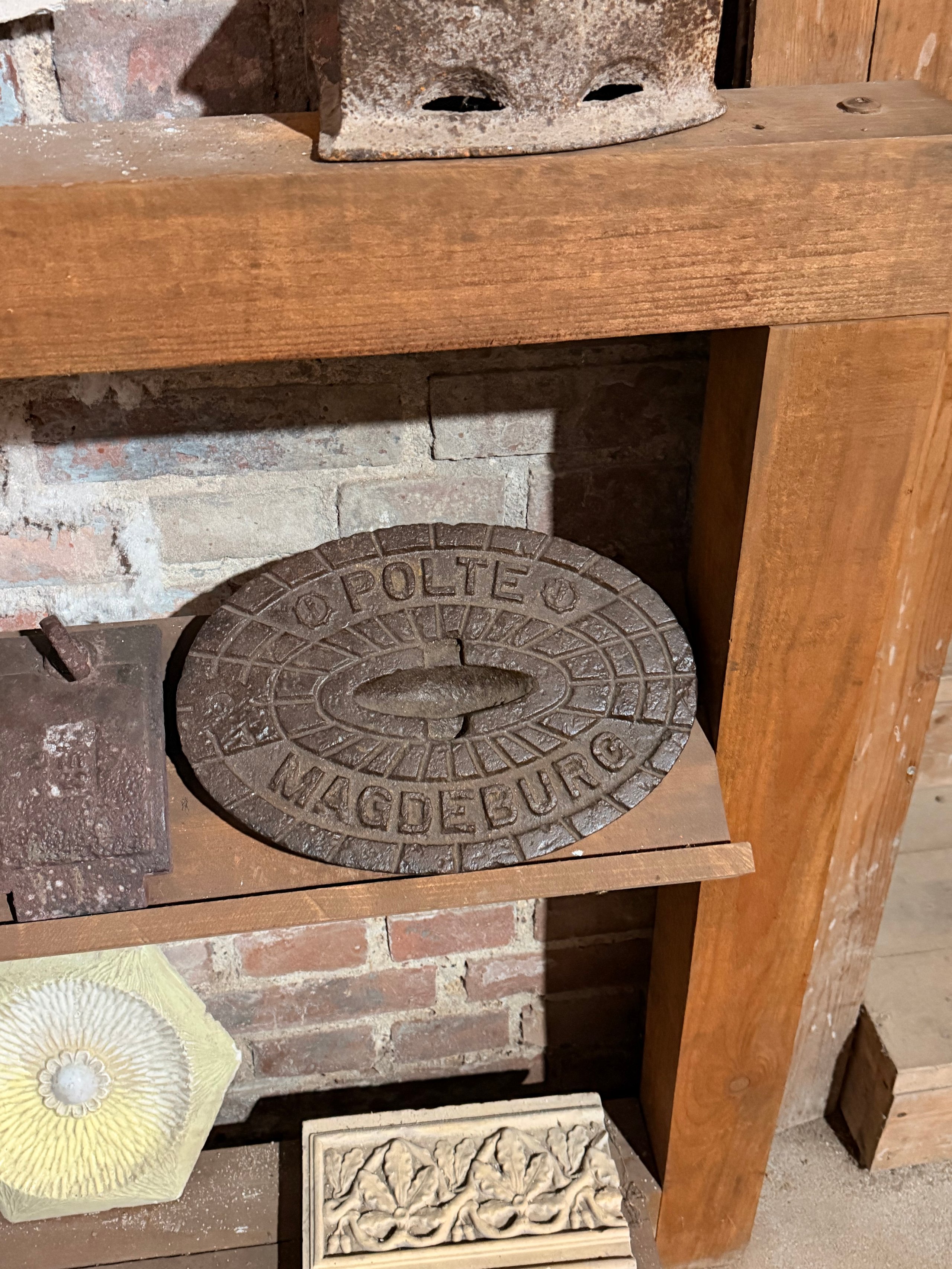
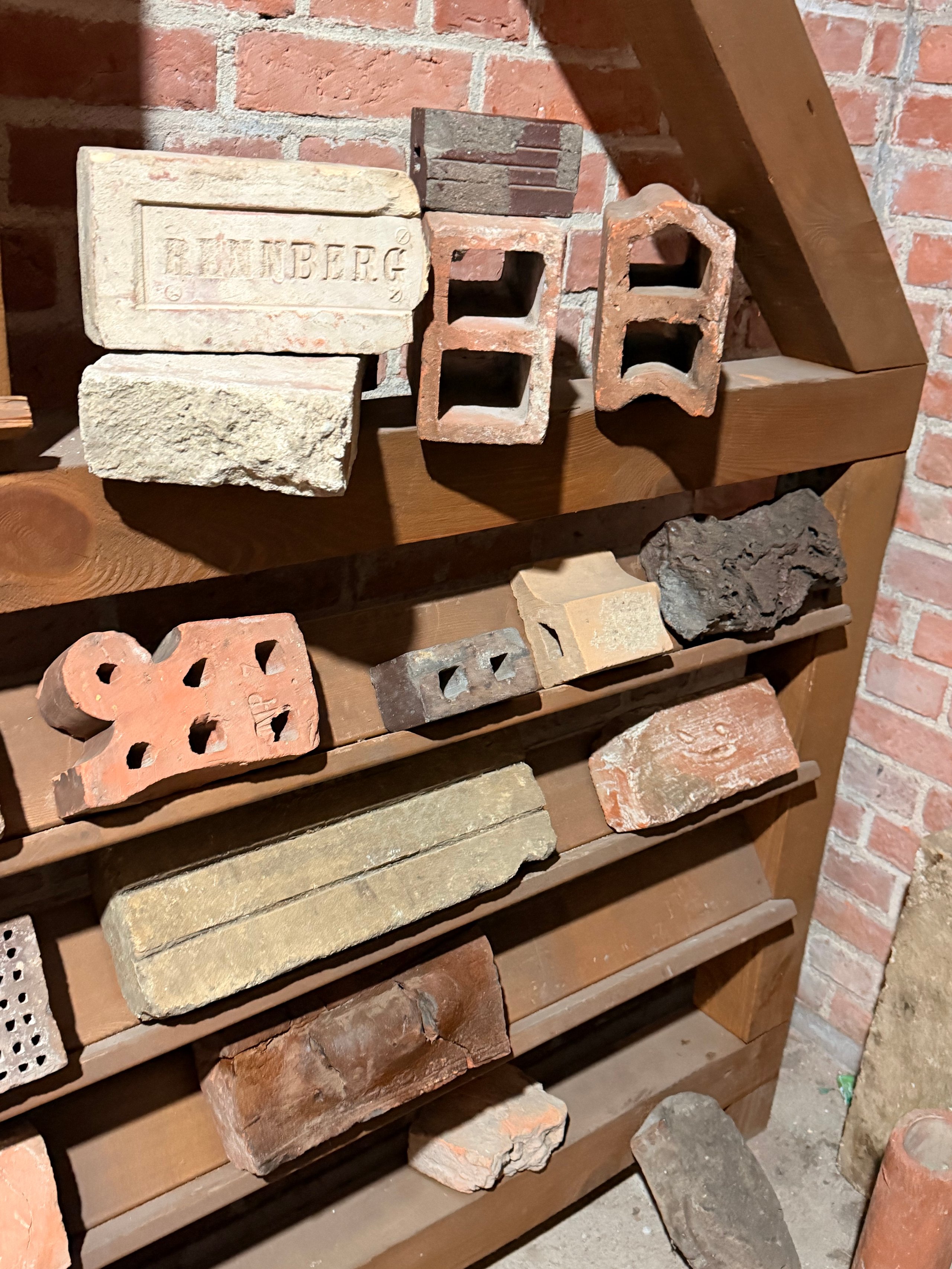
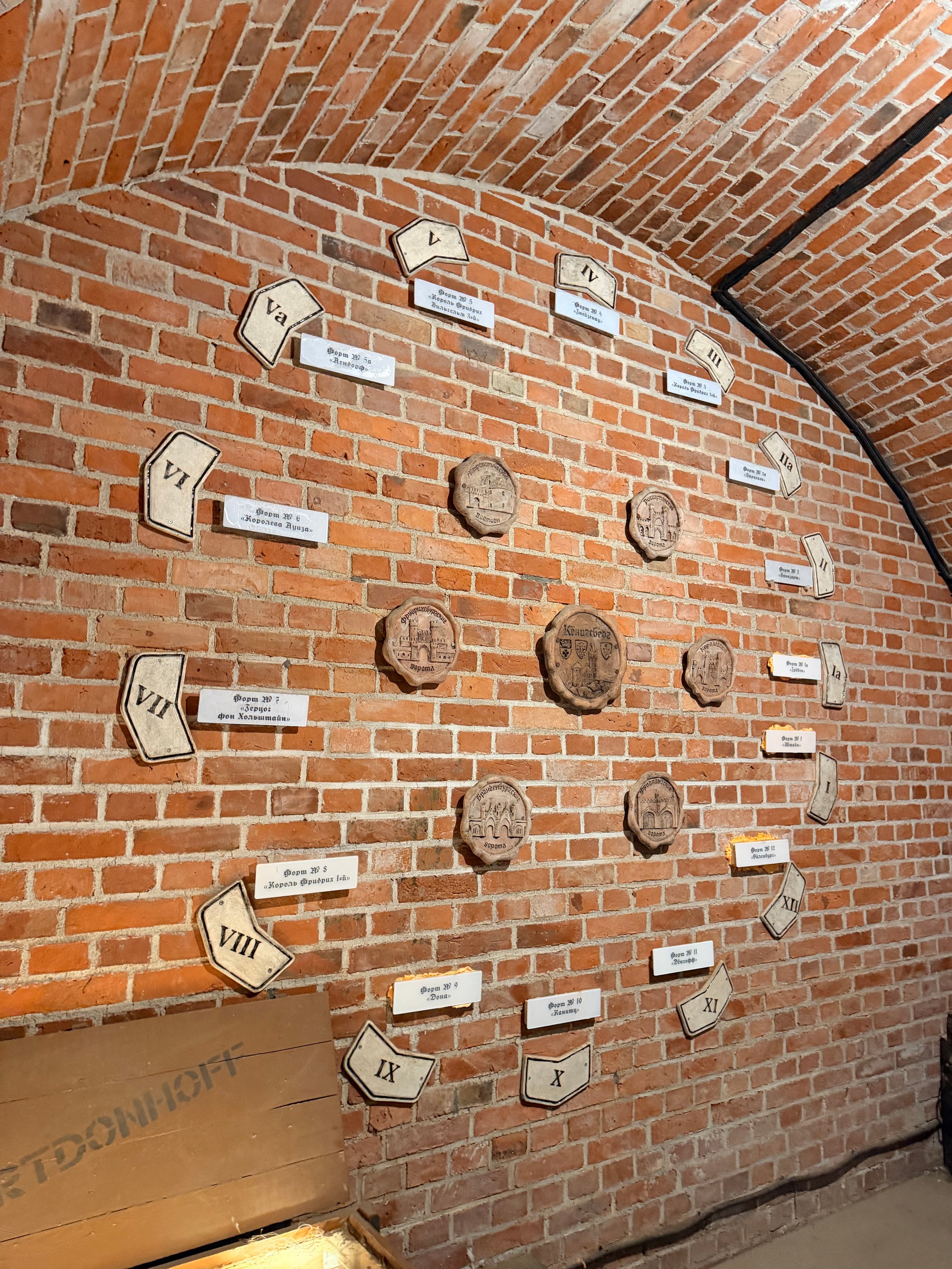
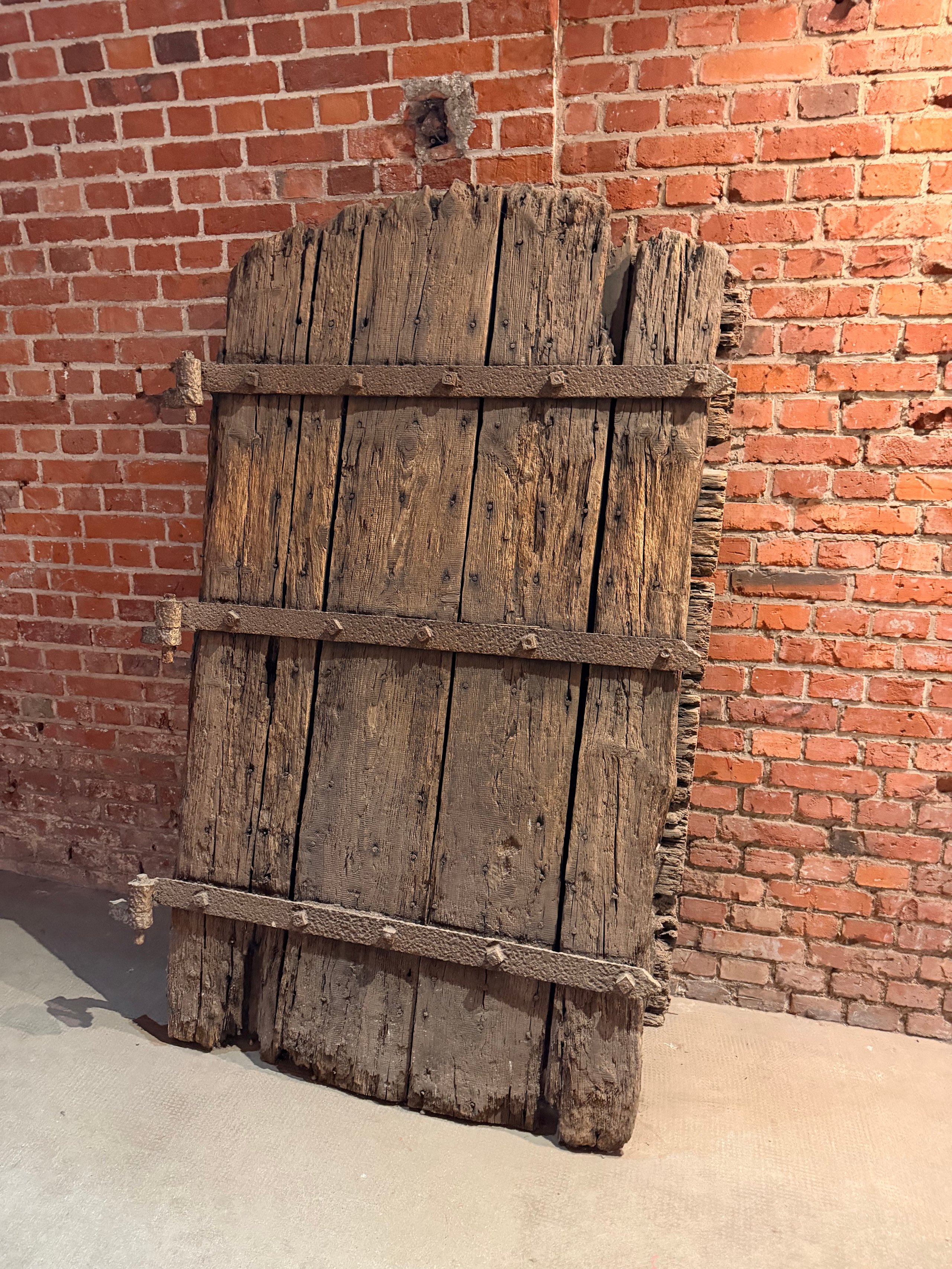
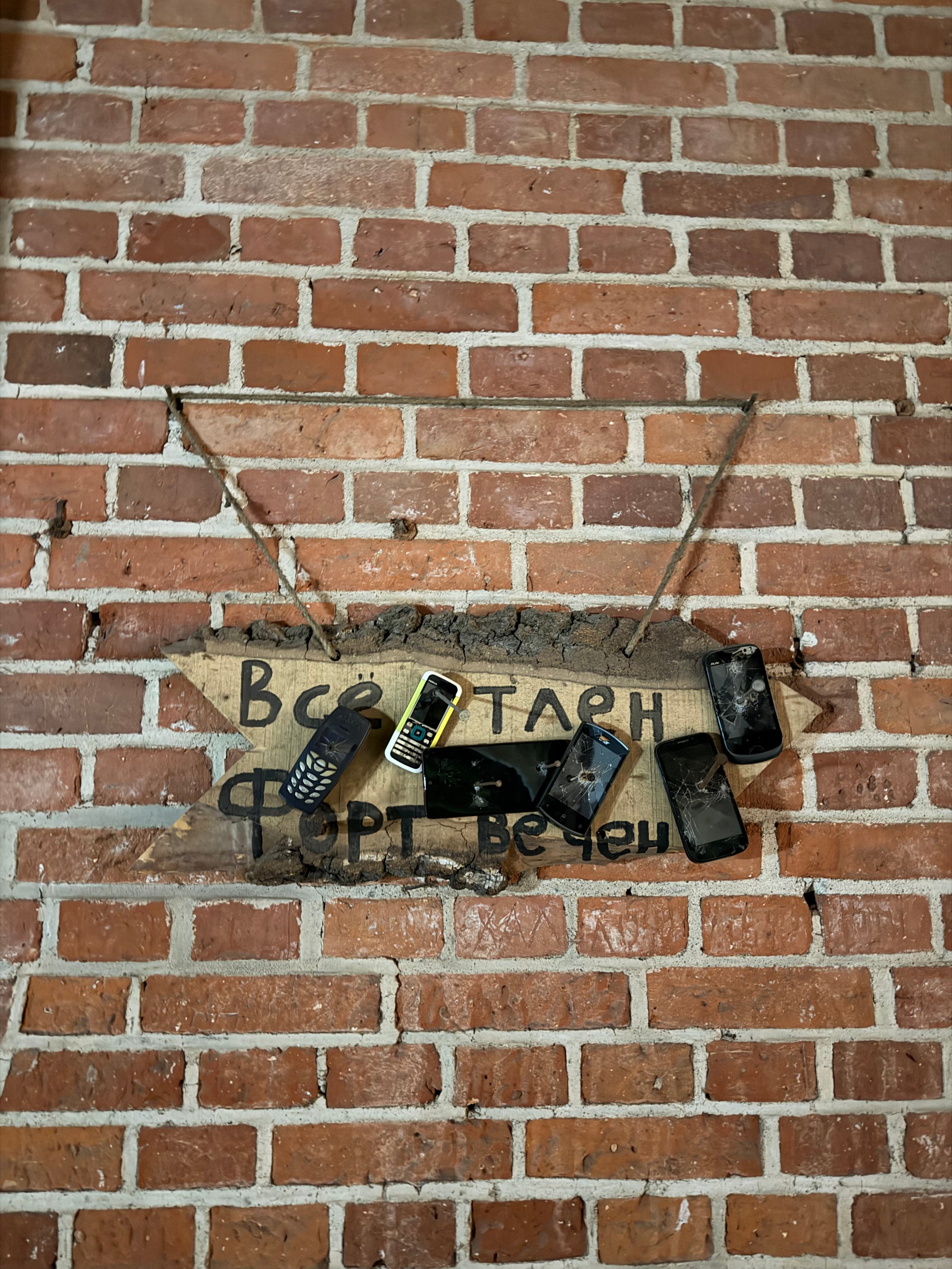
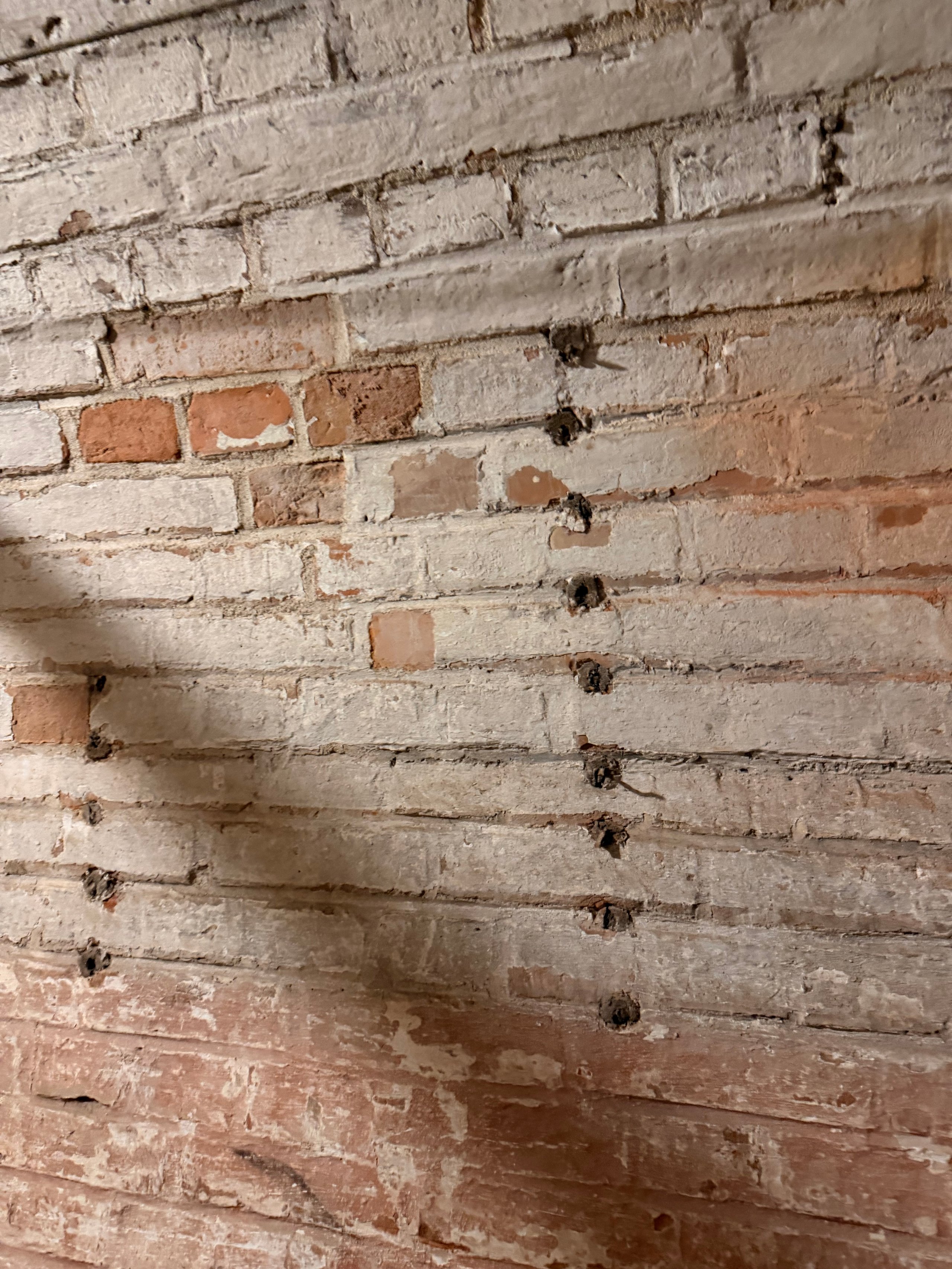
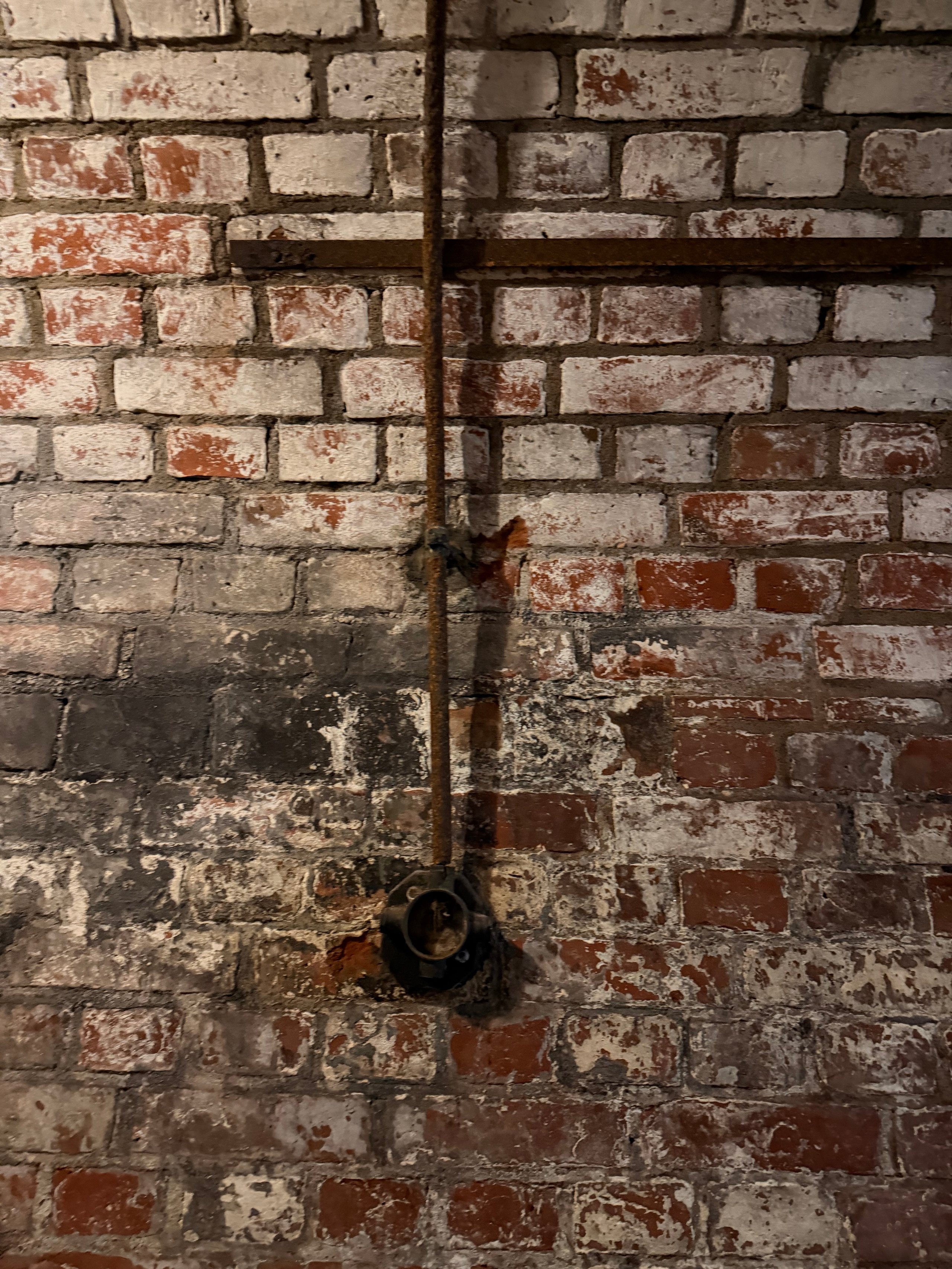
Traces of the fort’s electrical installations.
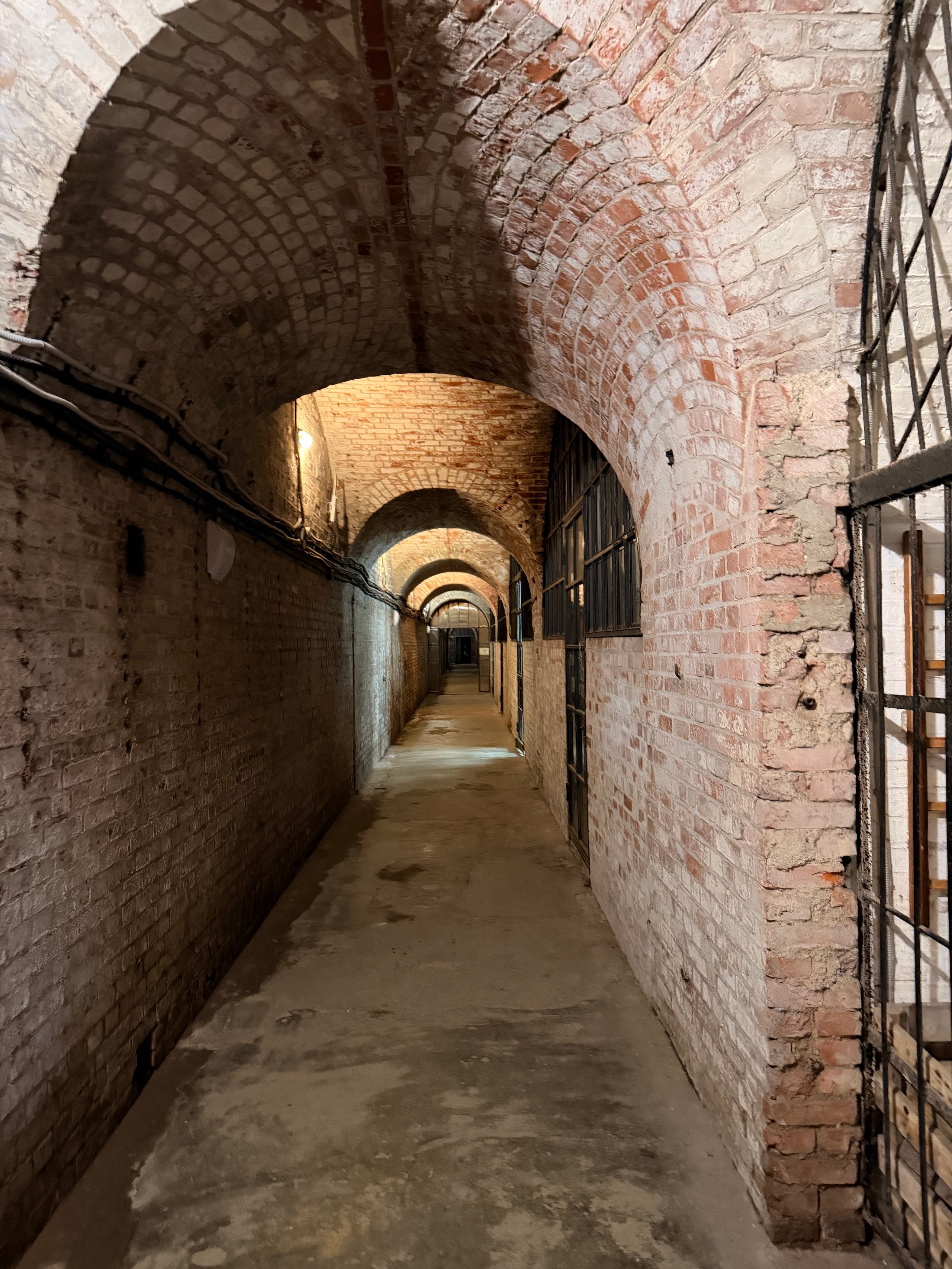
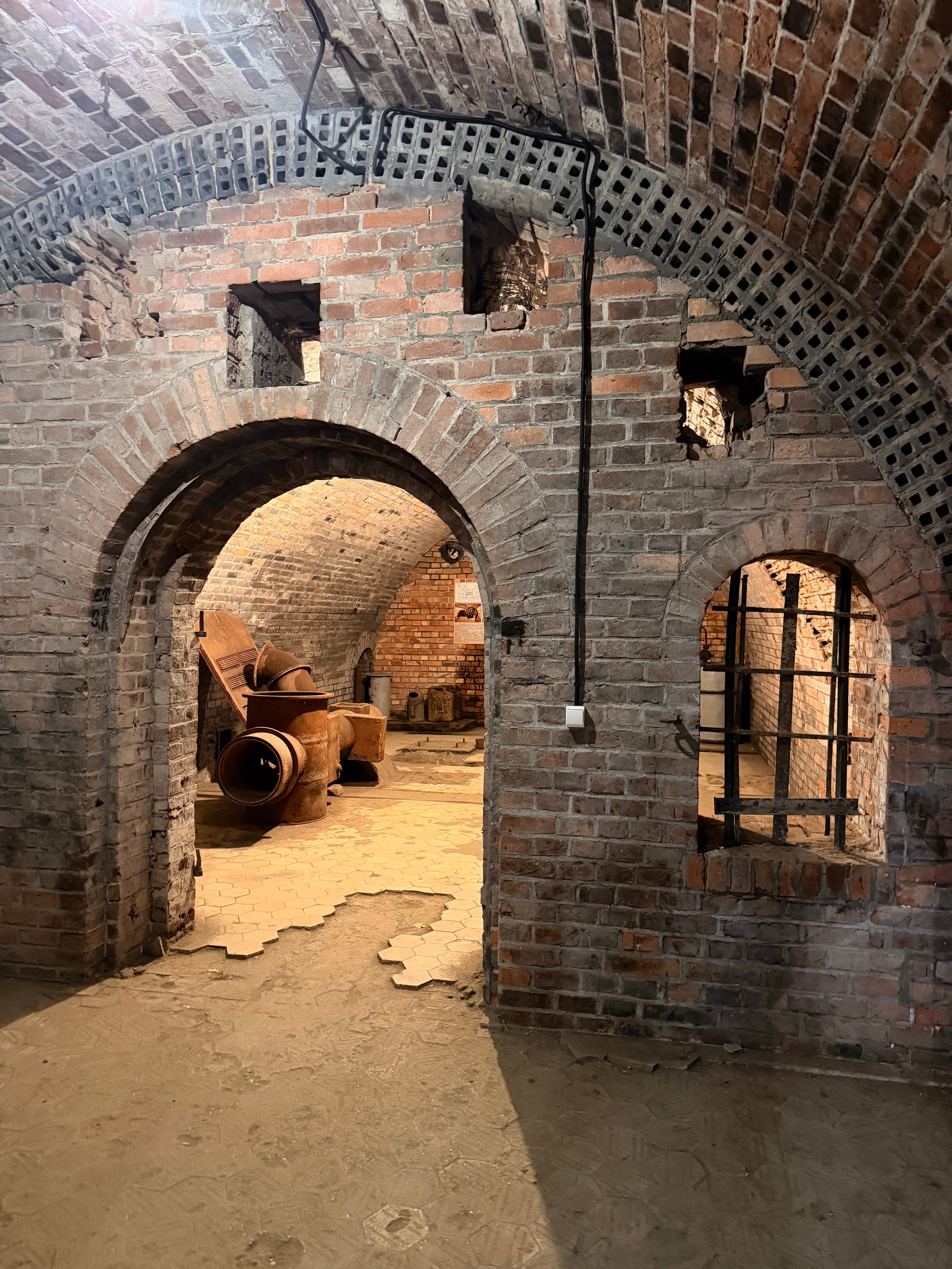
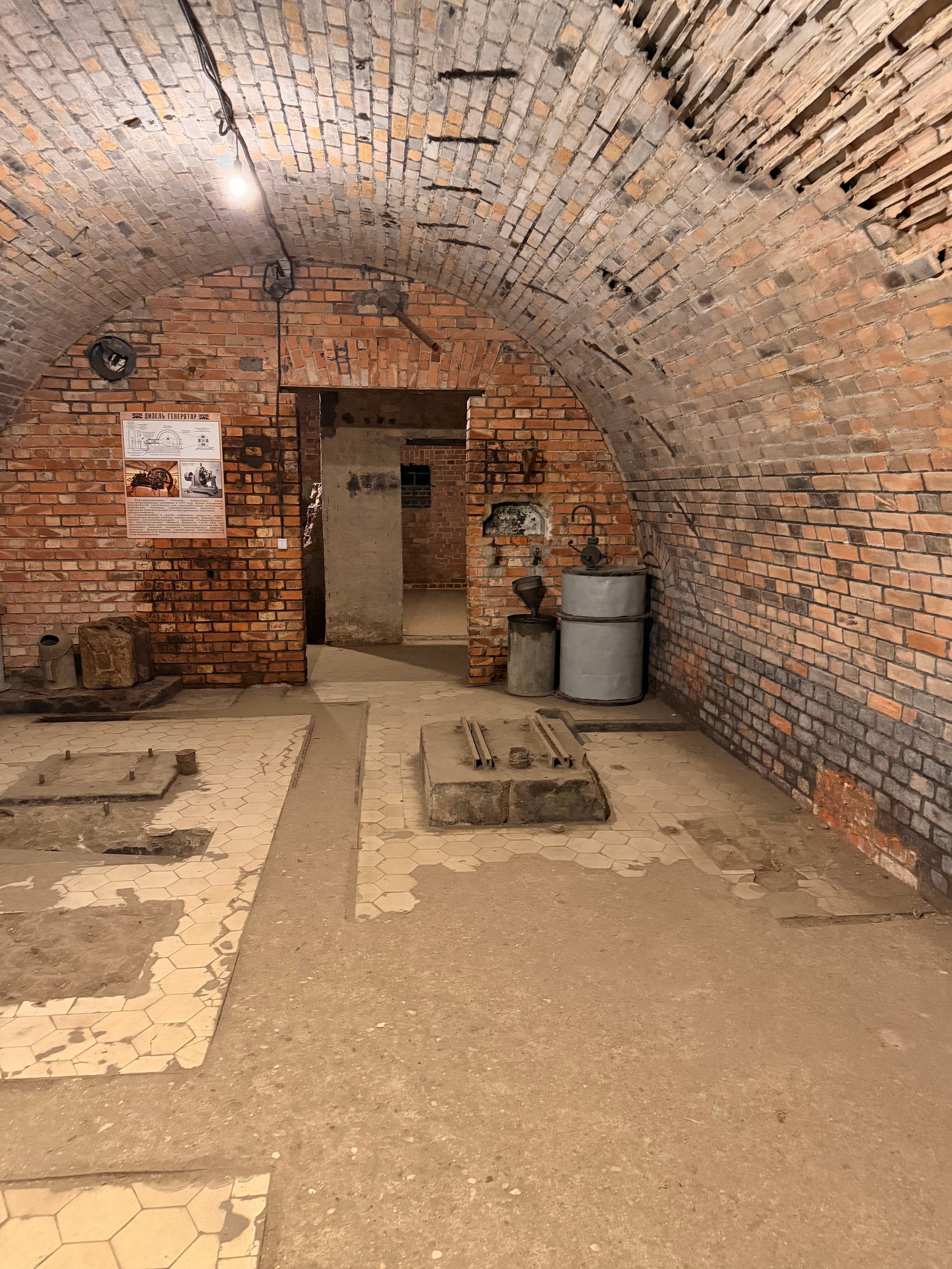
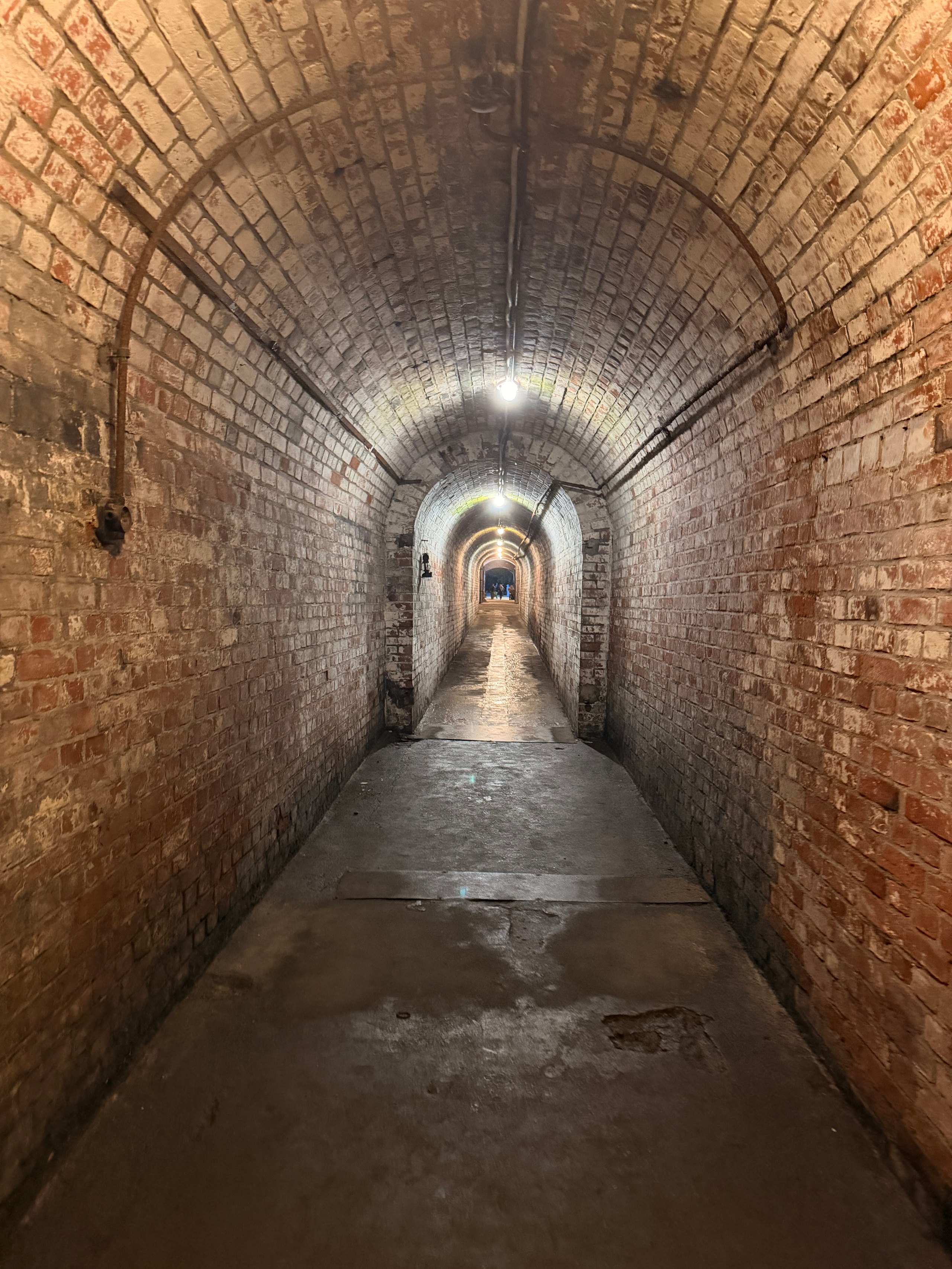
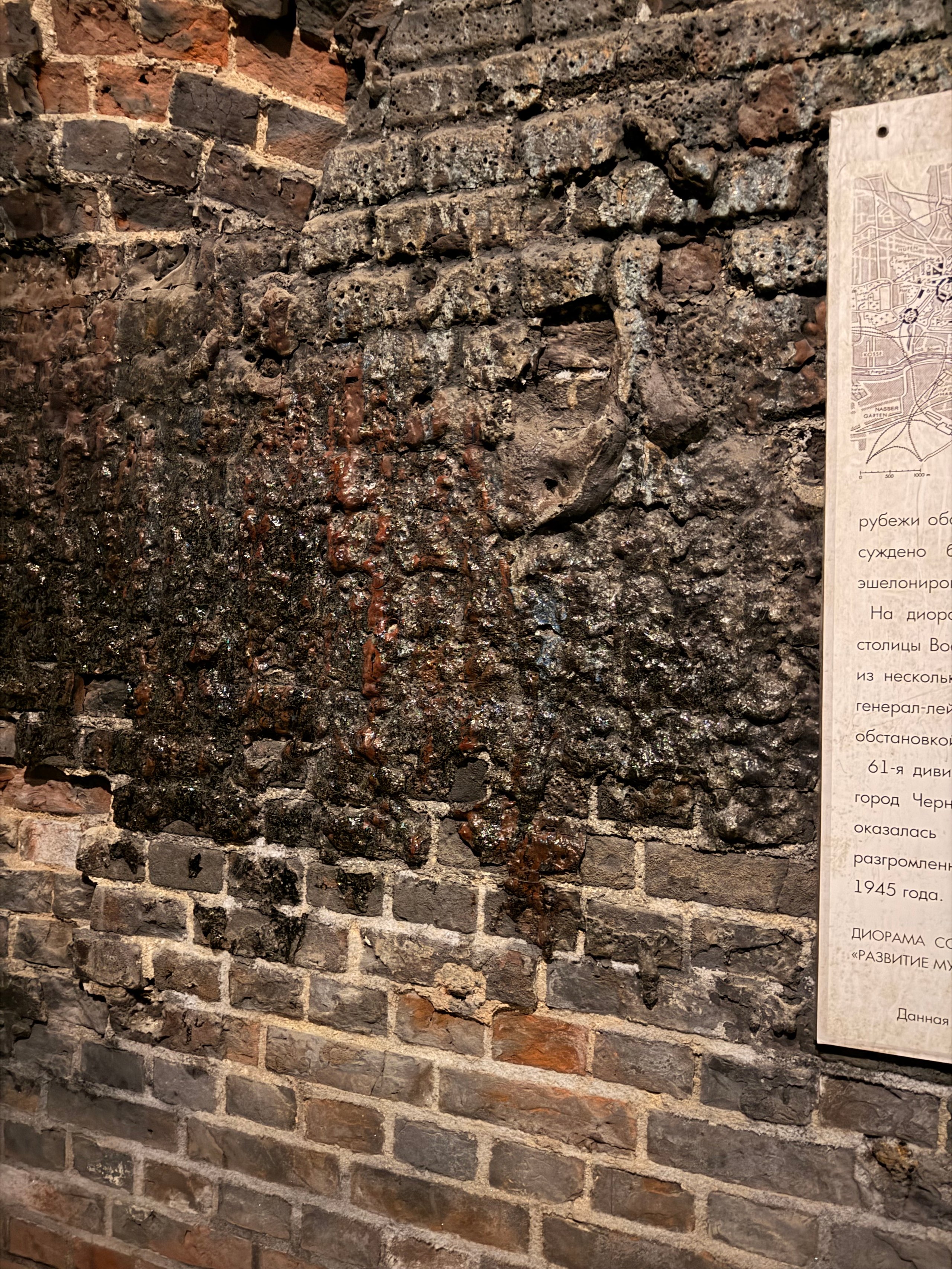
At one point, someone decided to destroy leftover gunpowder in one of the rooms. The bricks couldn’t withstand the heat and began to melt.
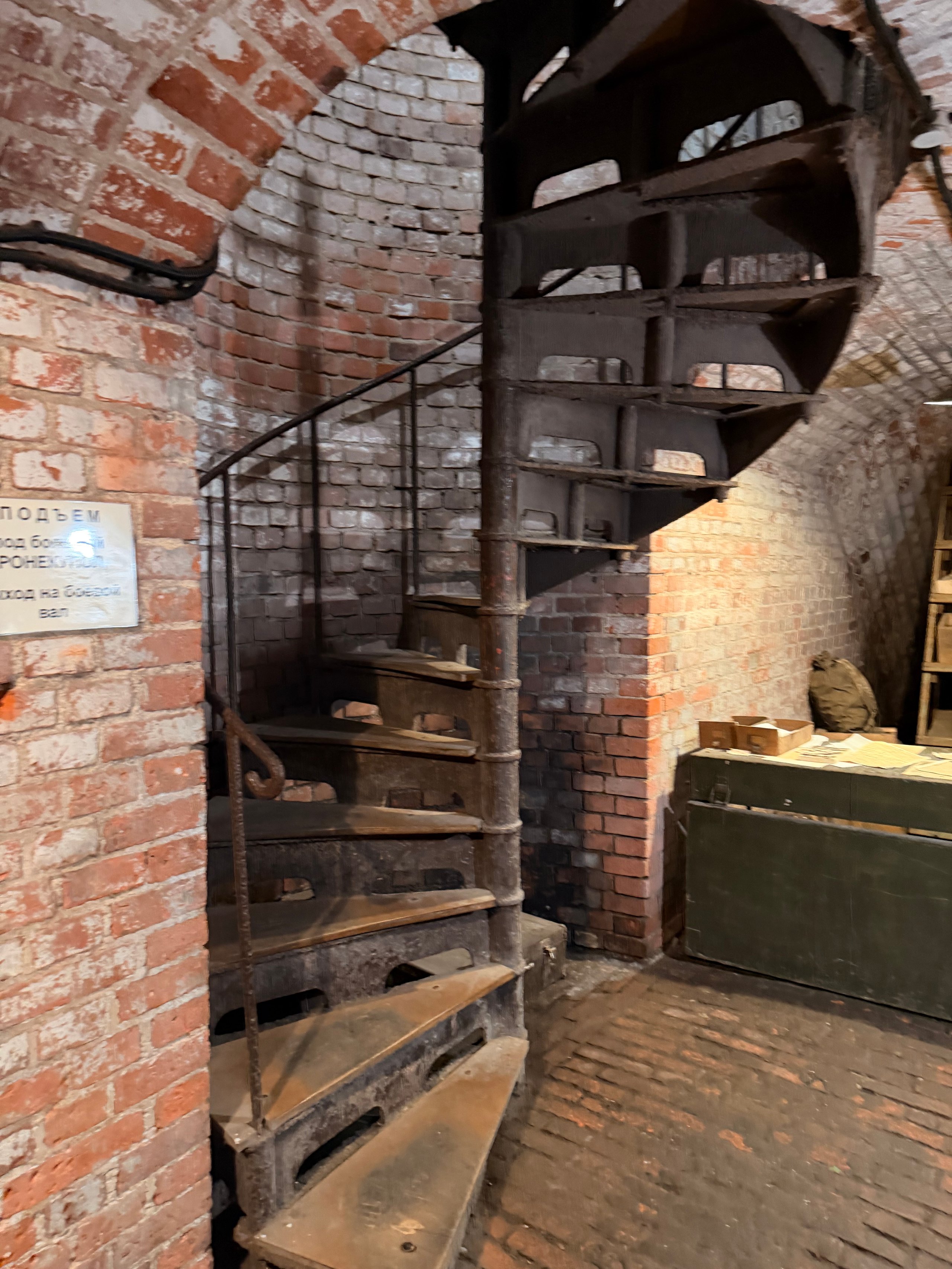
The fort has several spiral staircases. They wind in different directions depending on their purpose, making them easier to use.
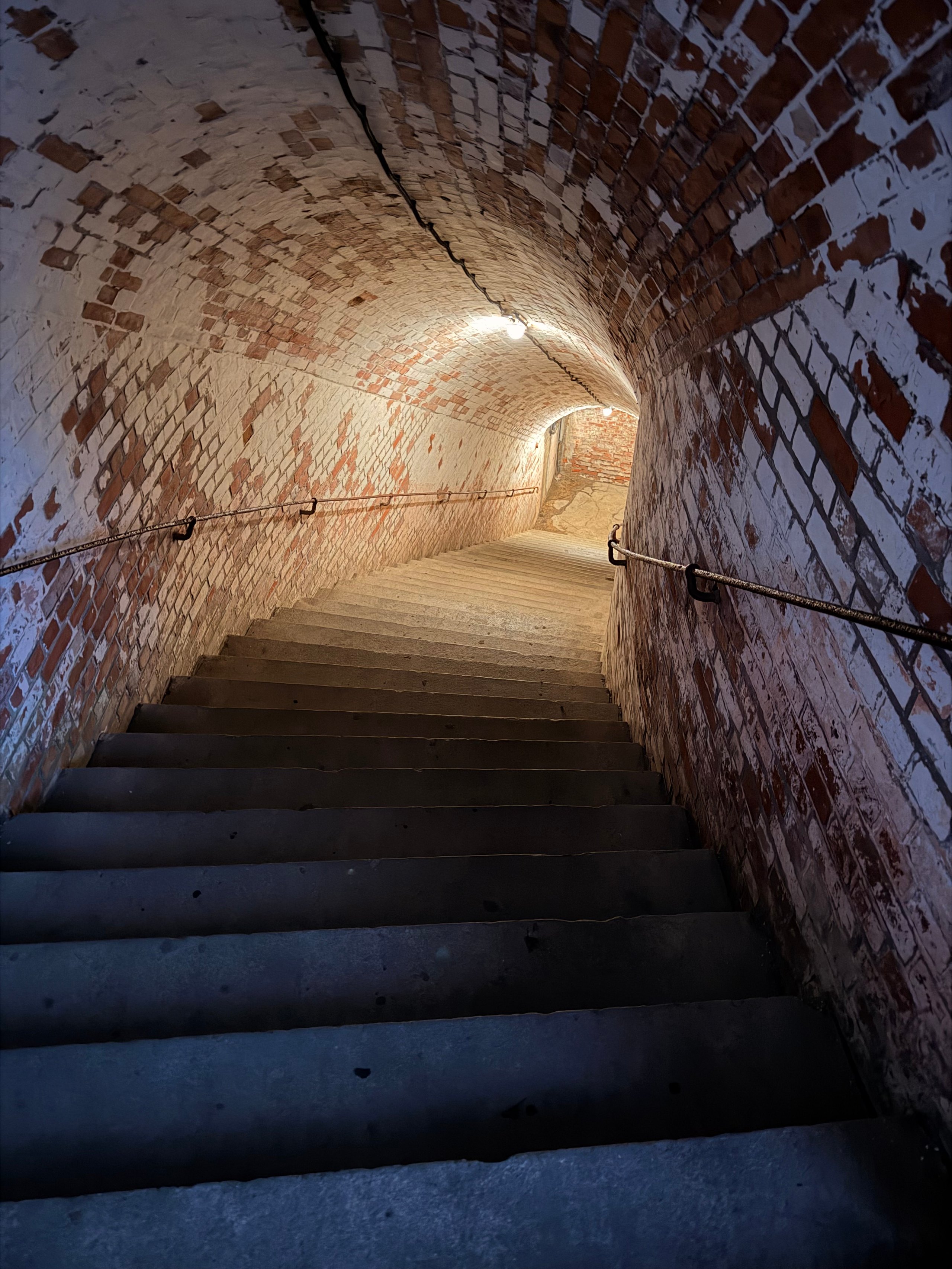
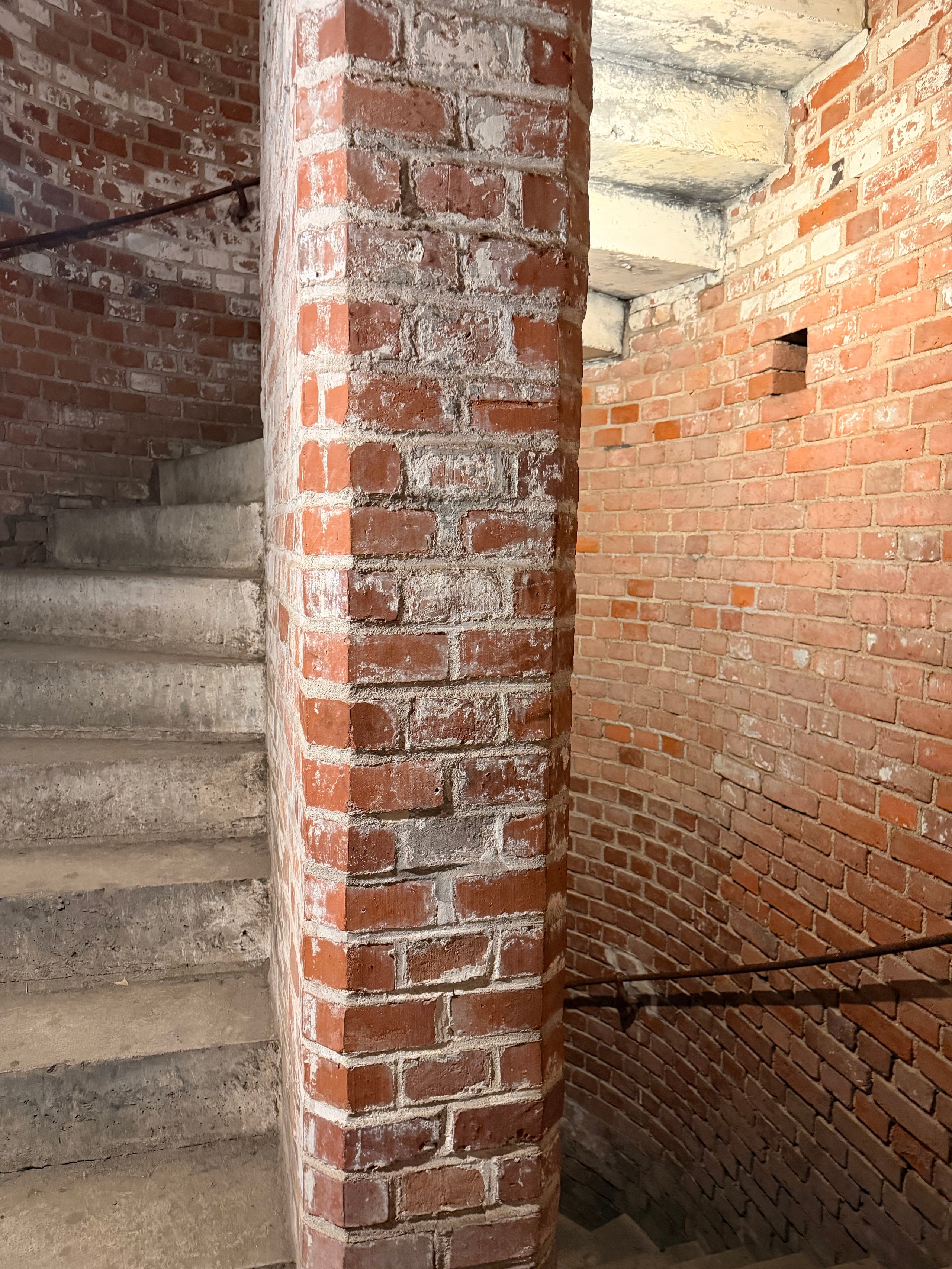
This is what the observation posts look like.
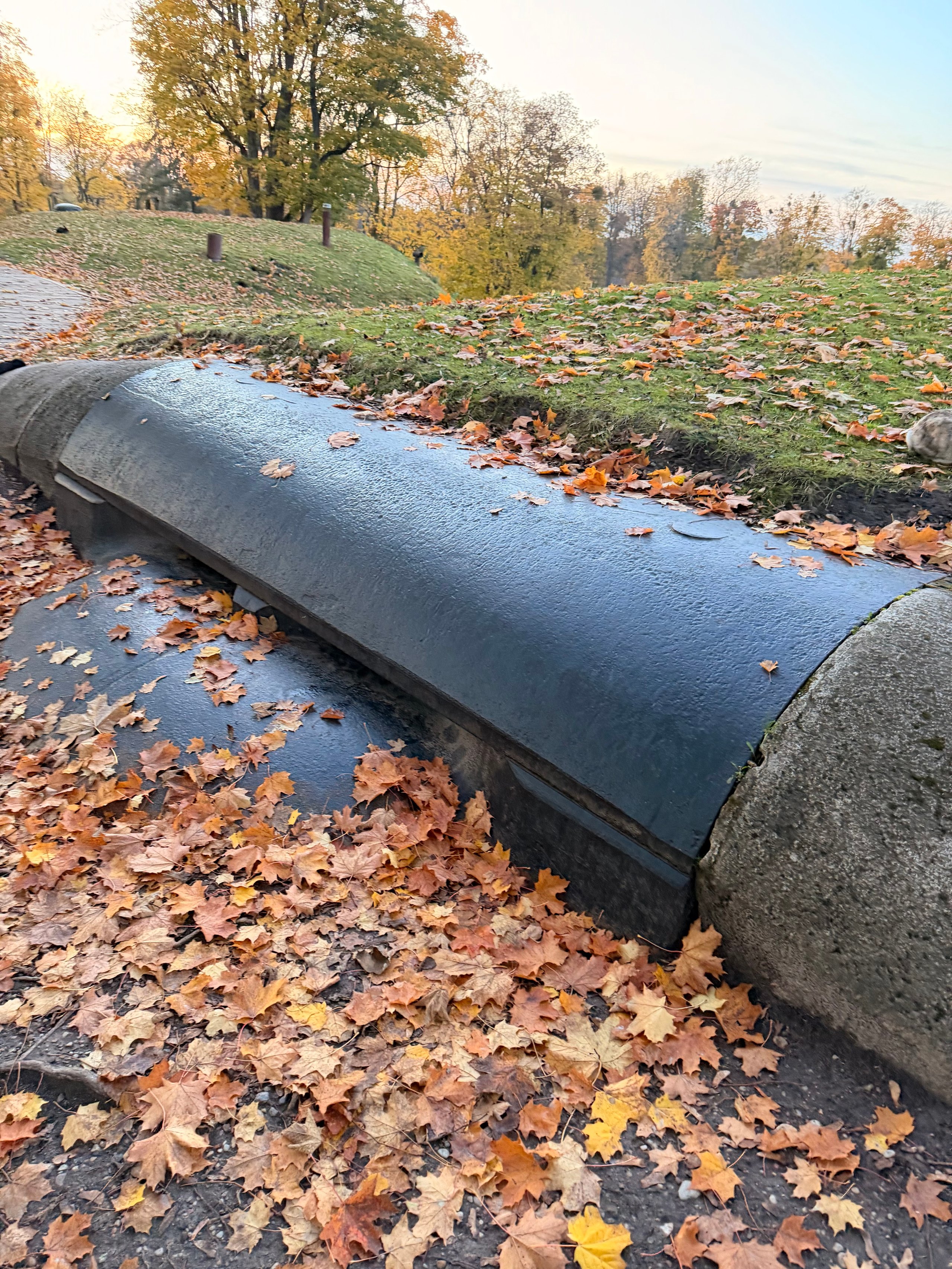
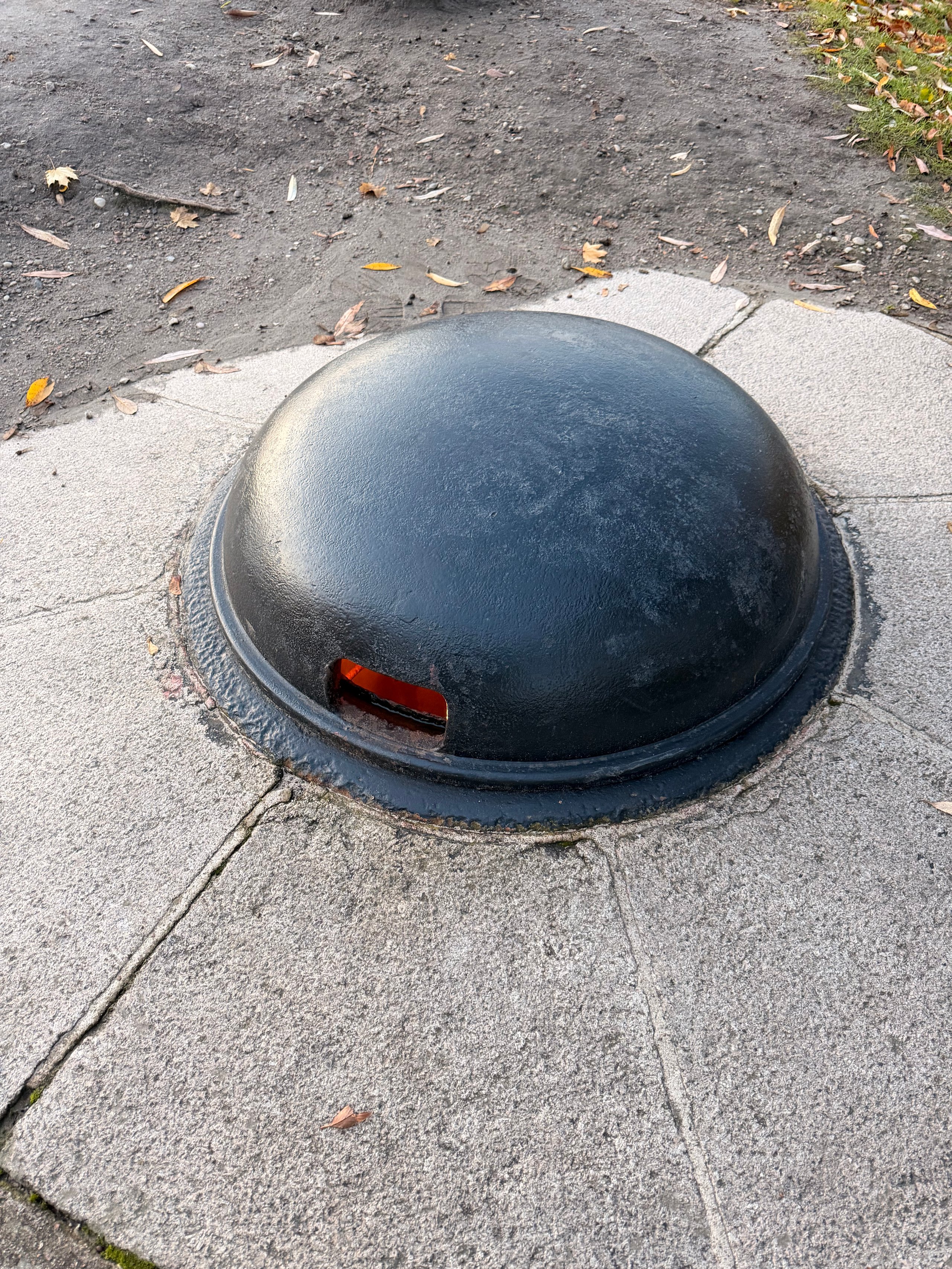
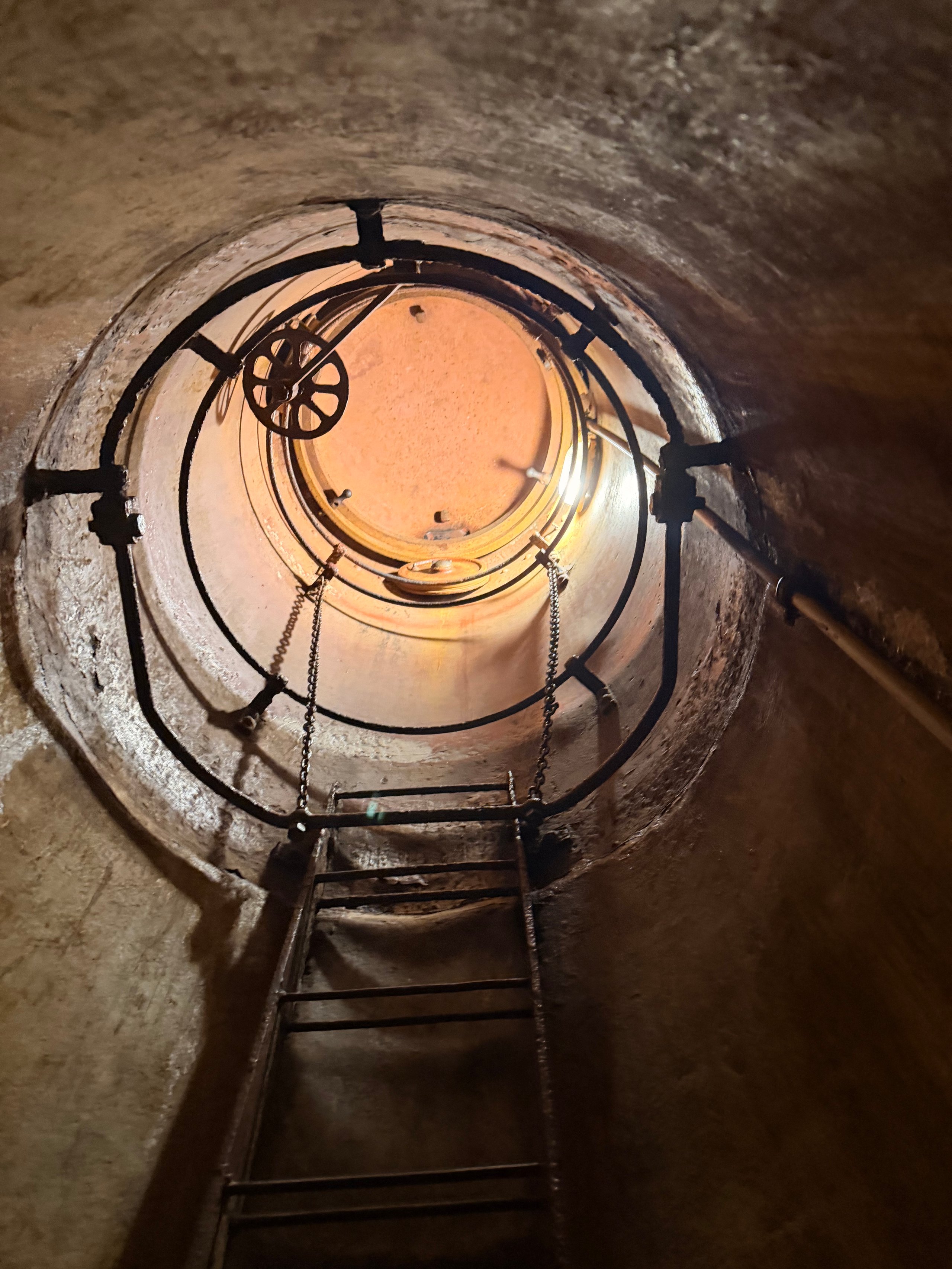
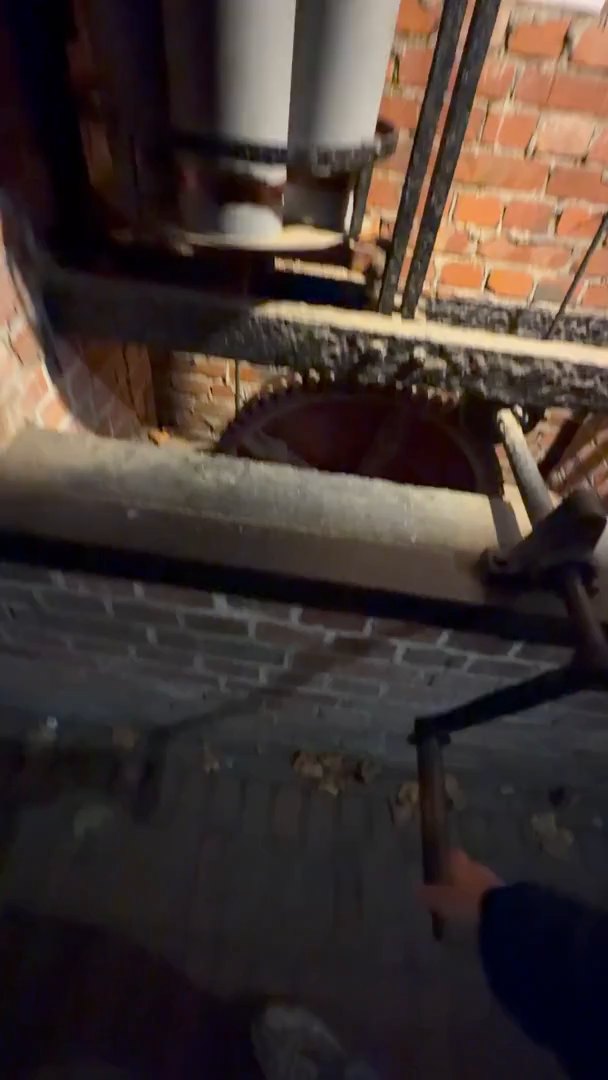
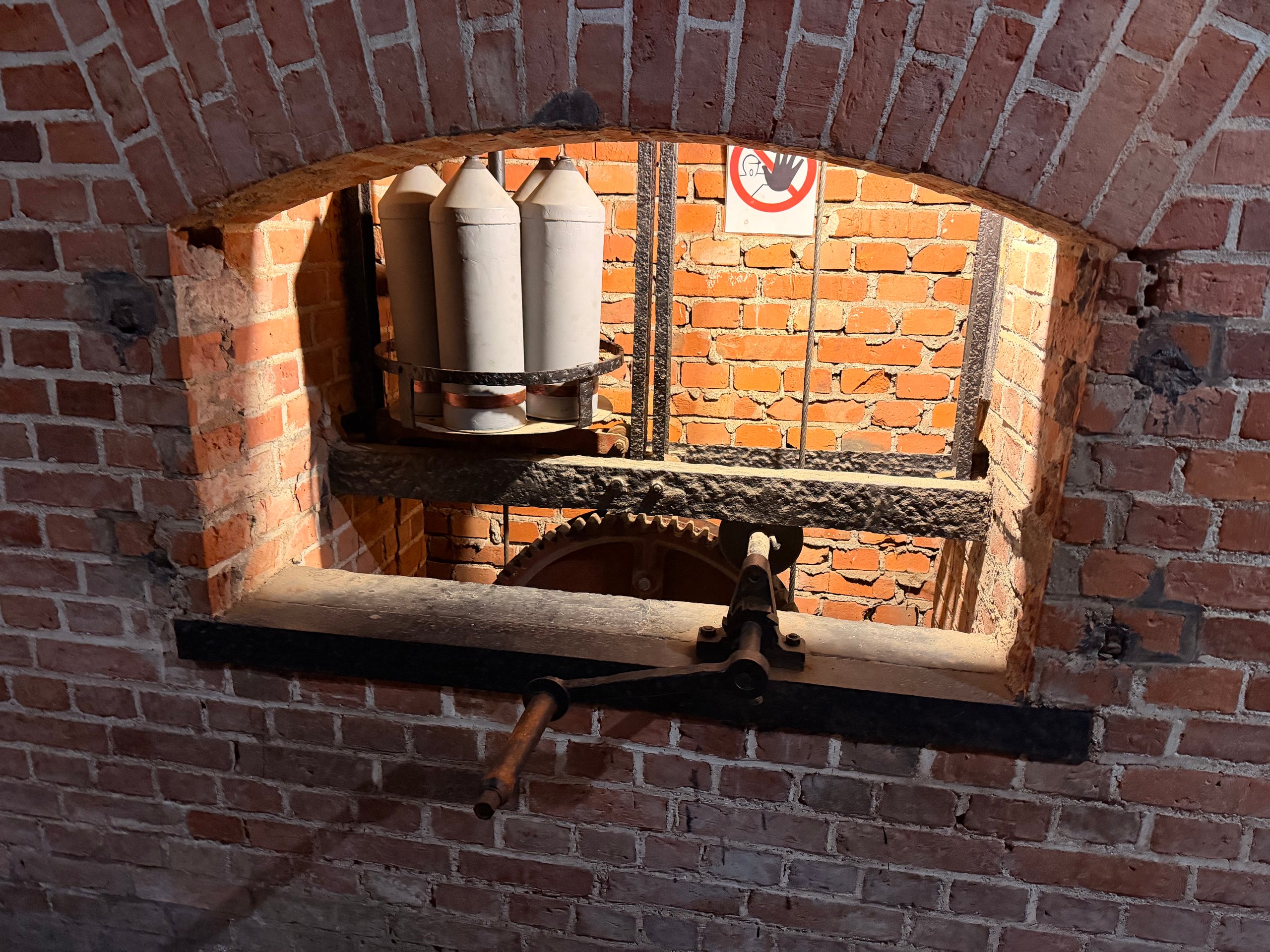
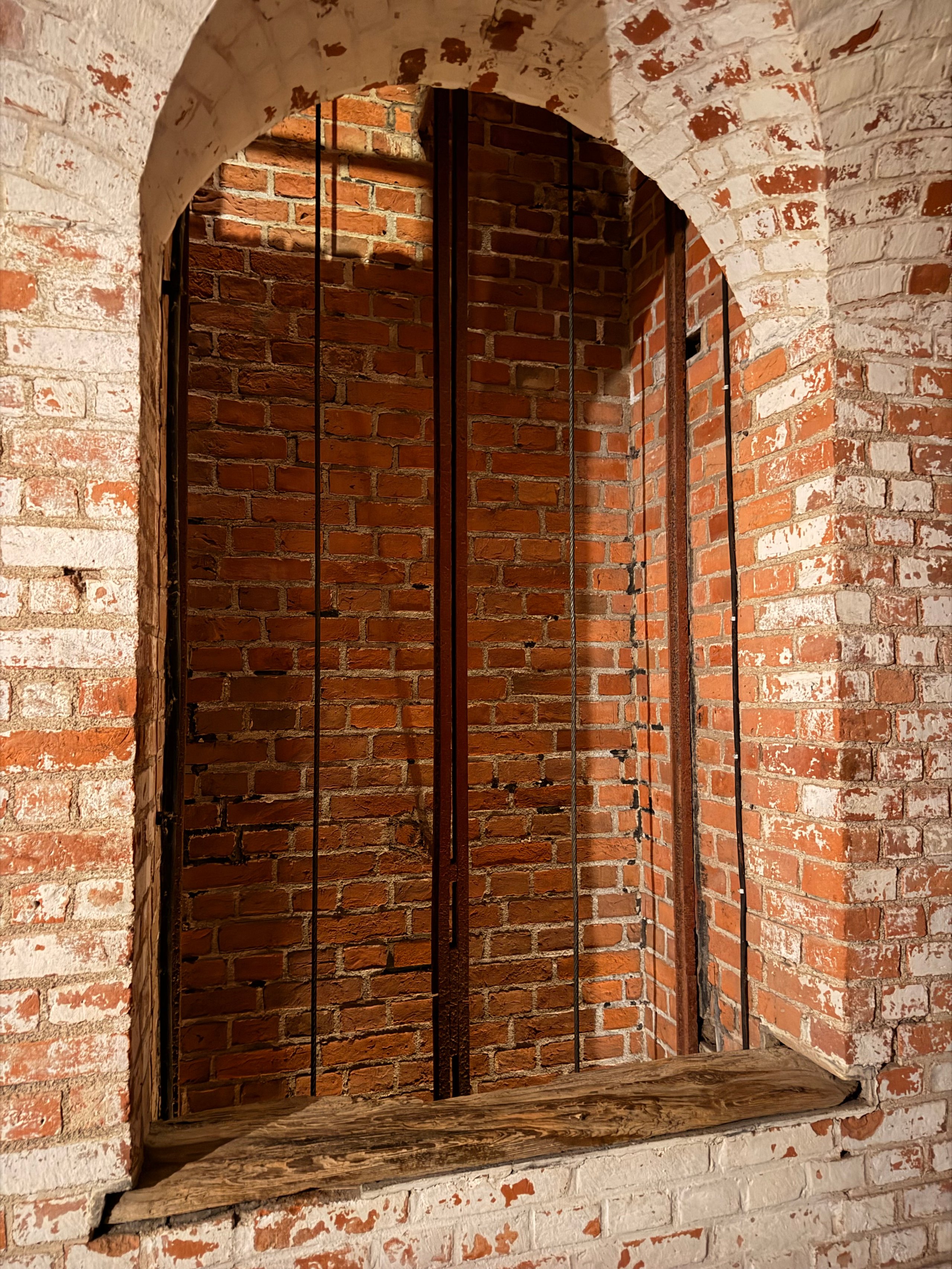
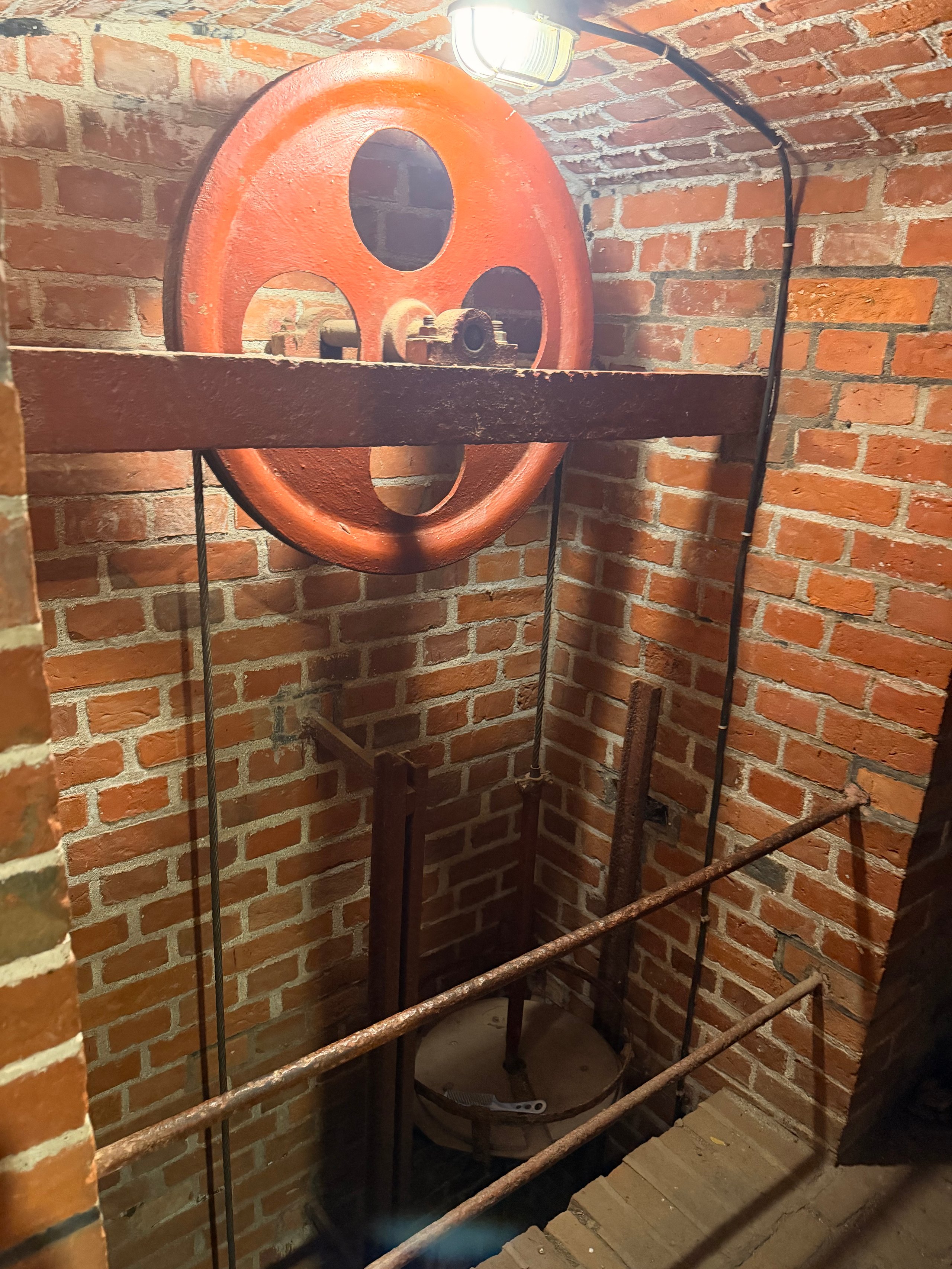
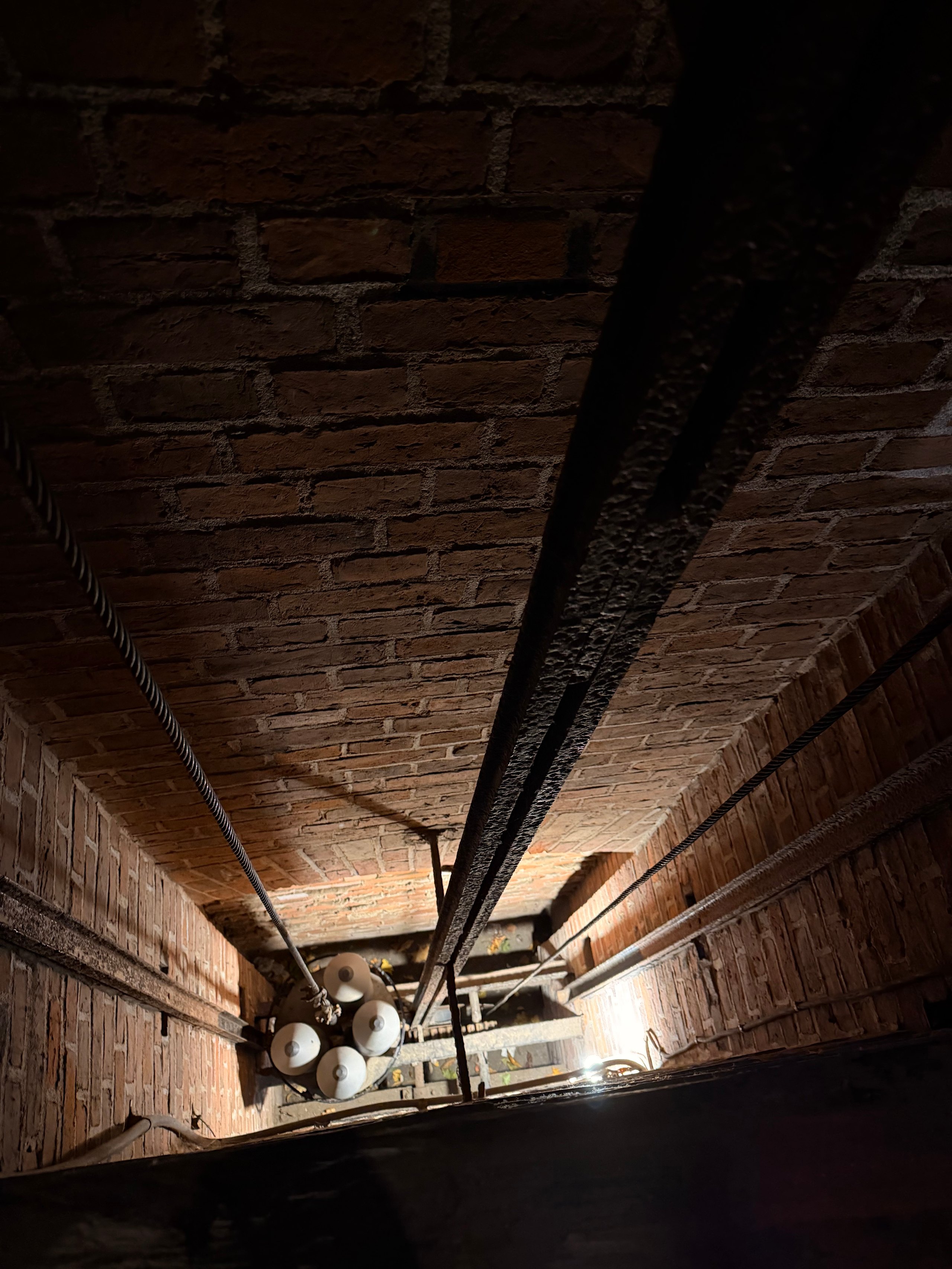
And here’s the ammunition lift. Like the one at Stein, it still works.
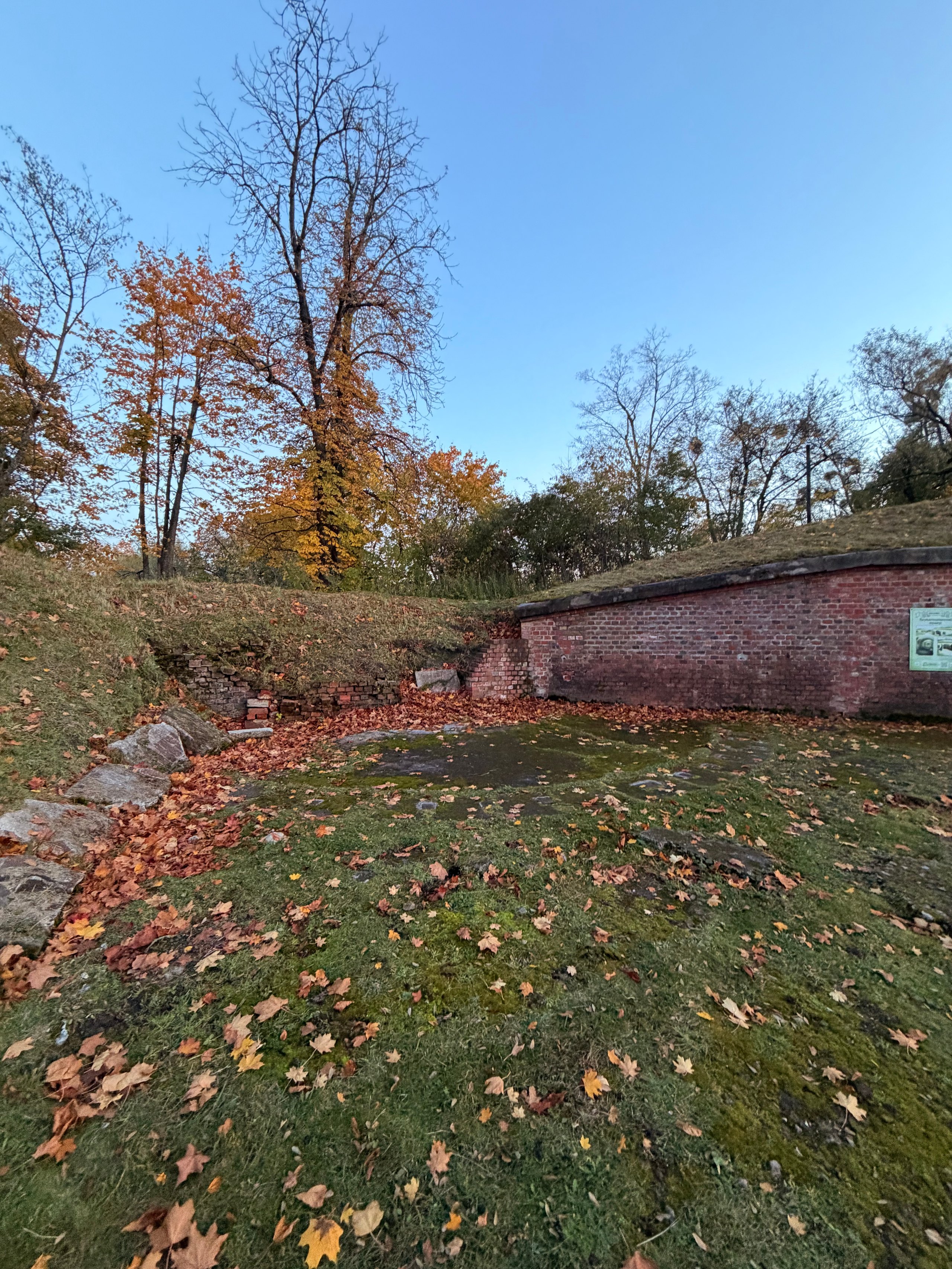
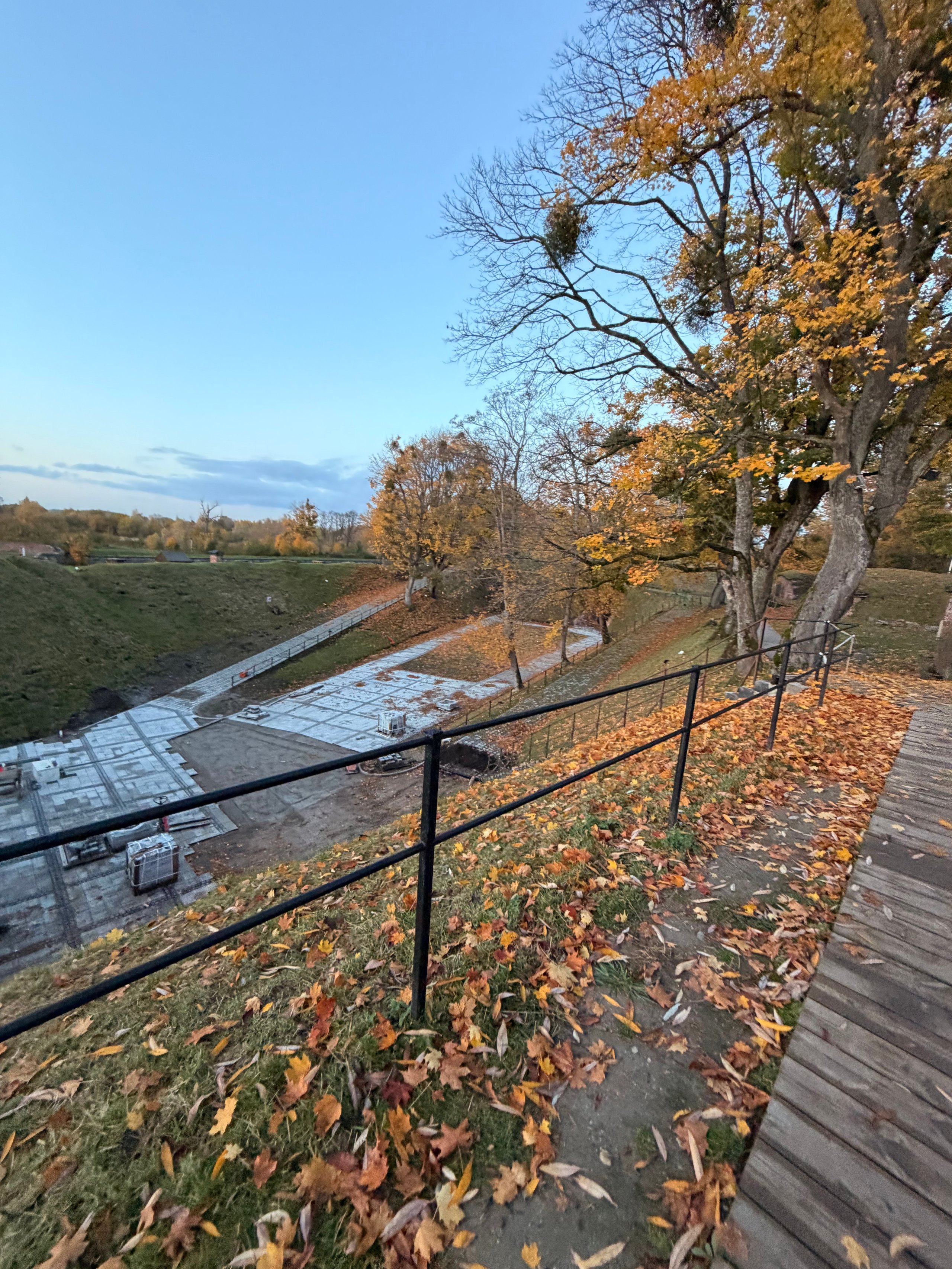
The guns stood here. You can still make out traces of the rails.
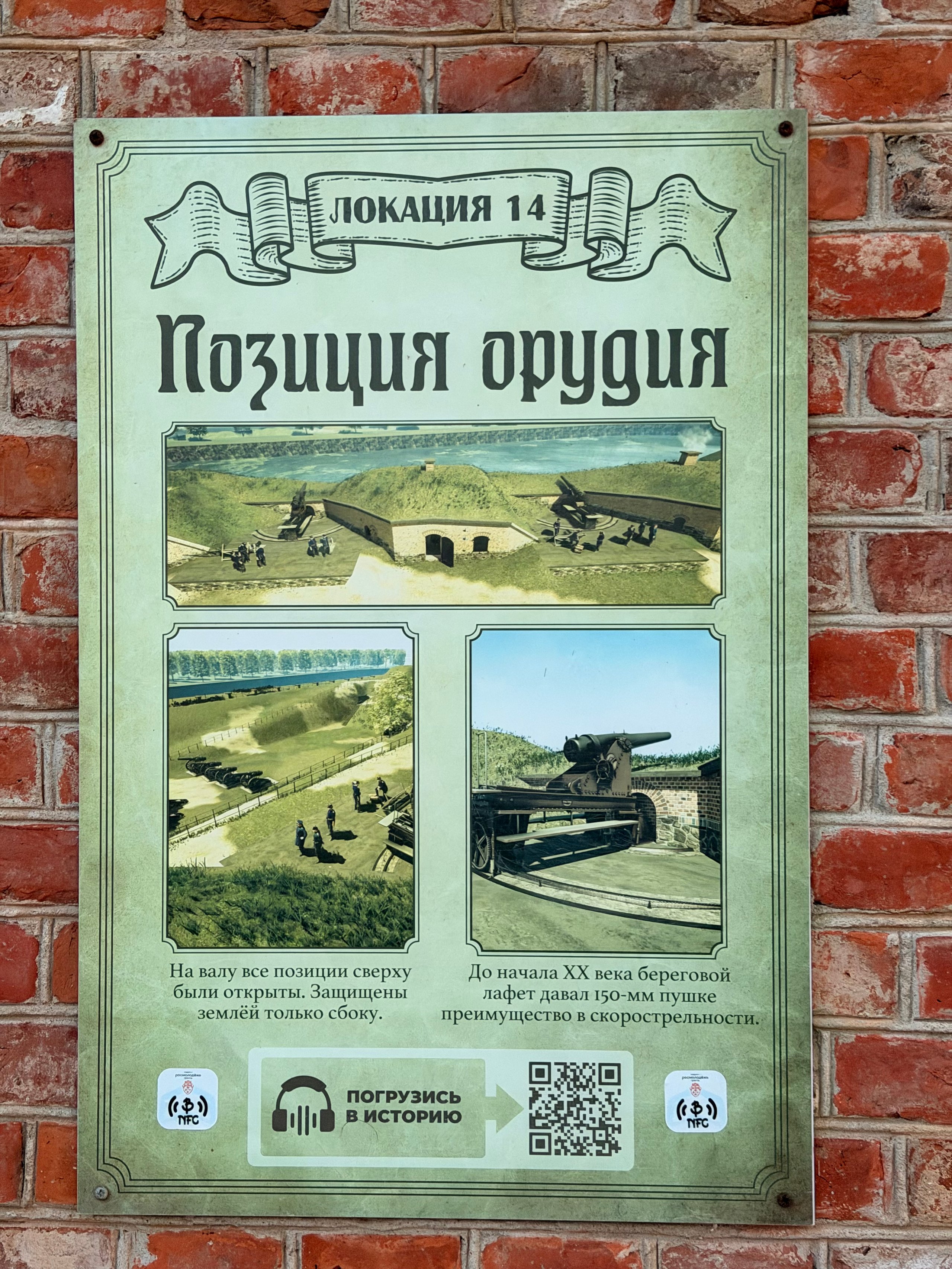
Shelters from the weather beside the gun positions.
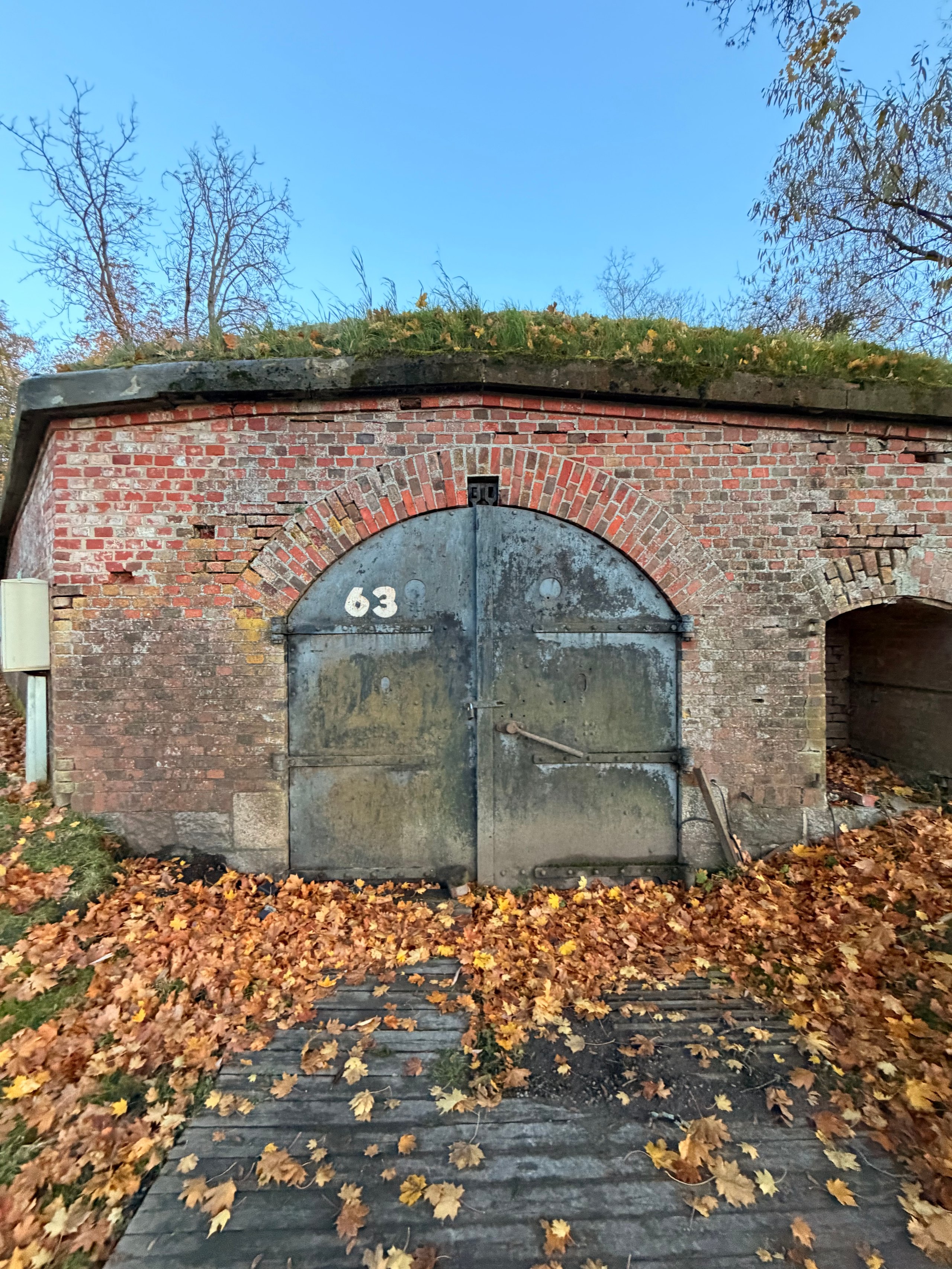
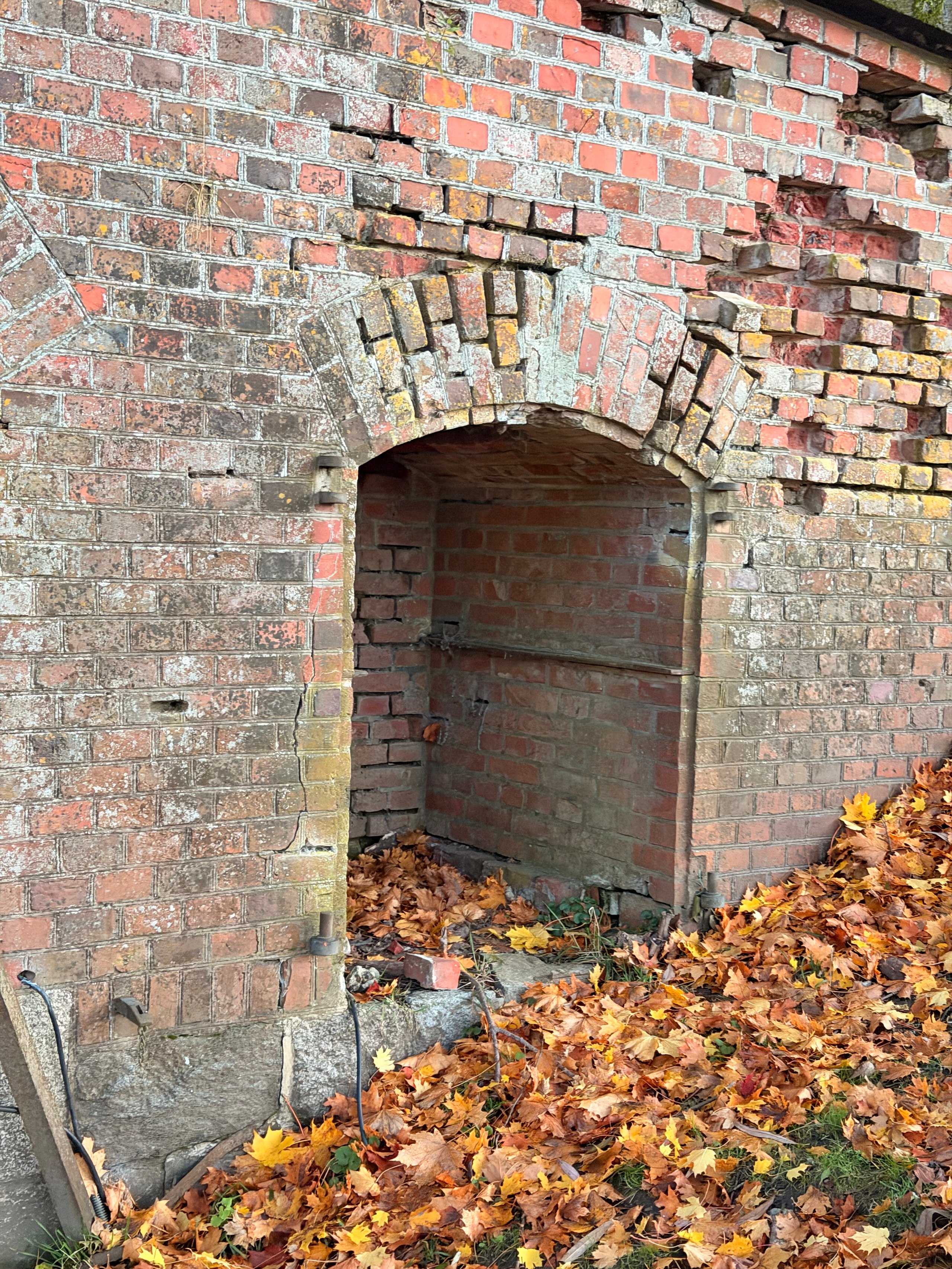
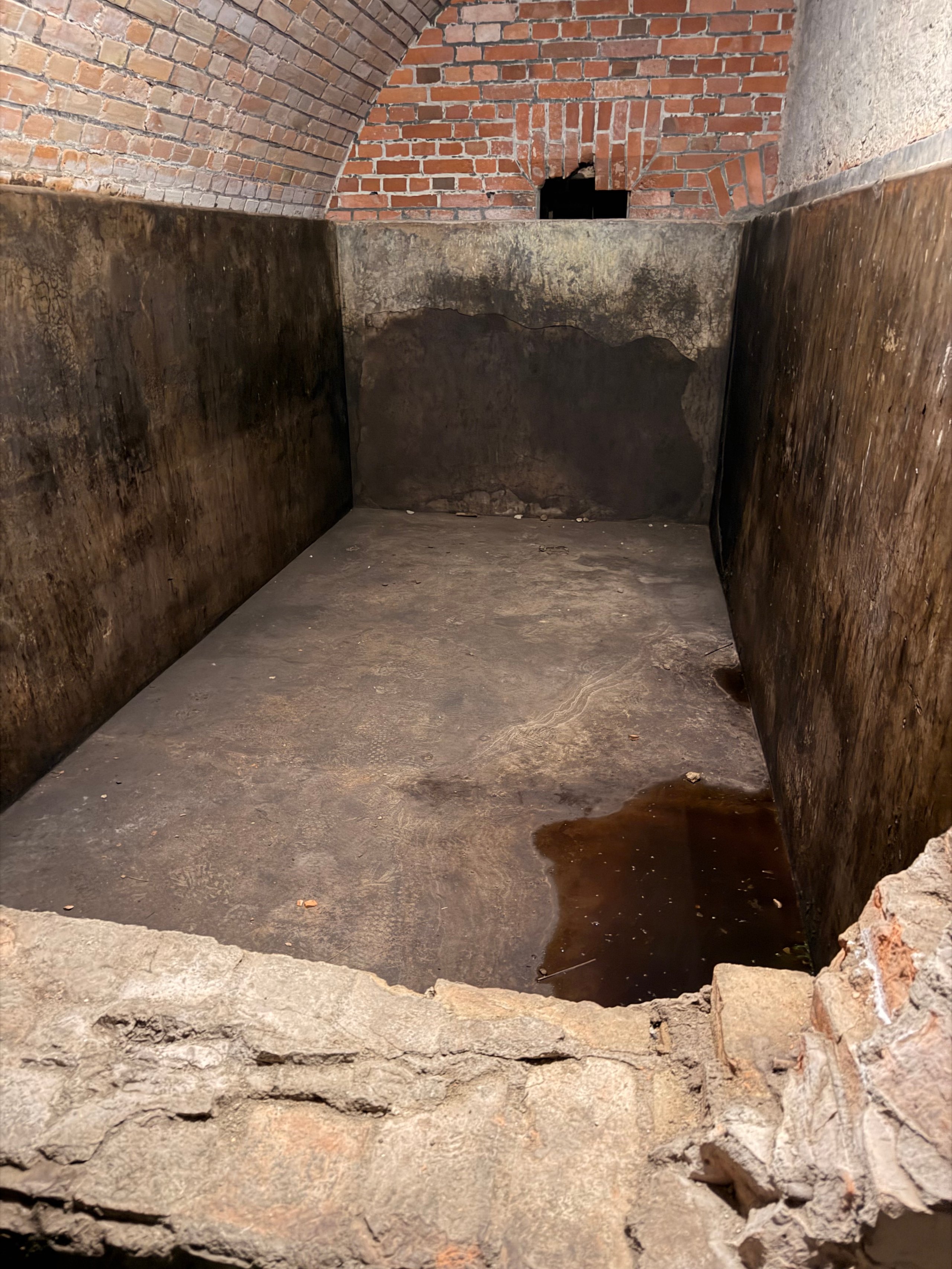
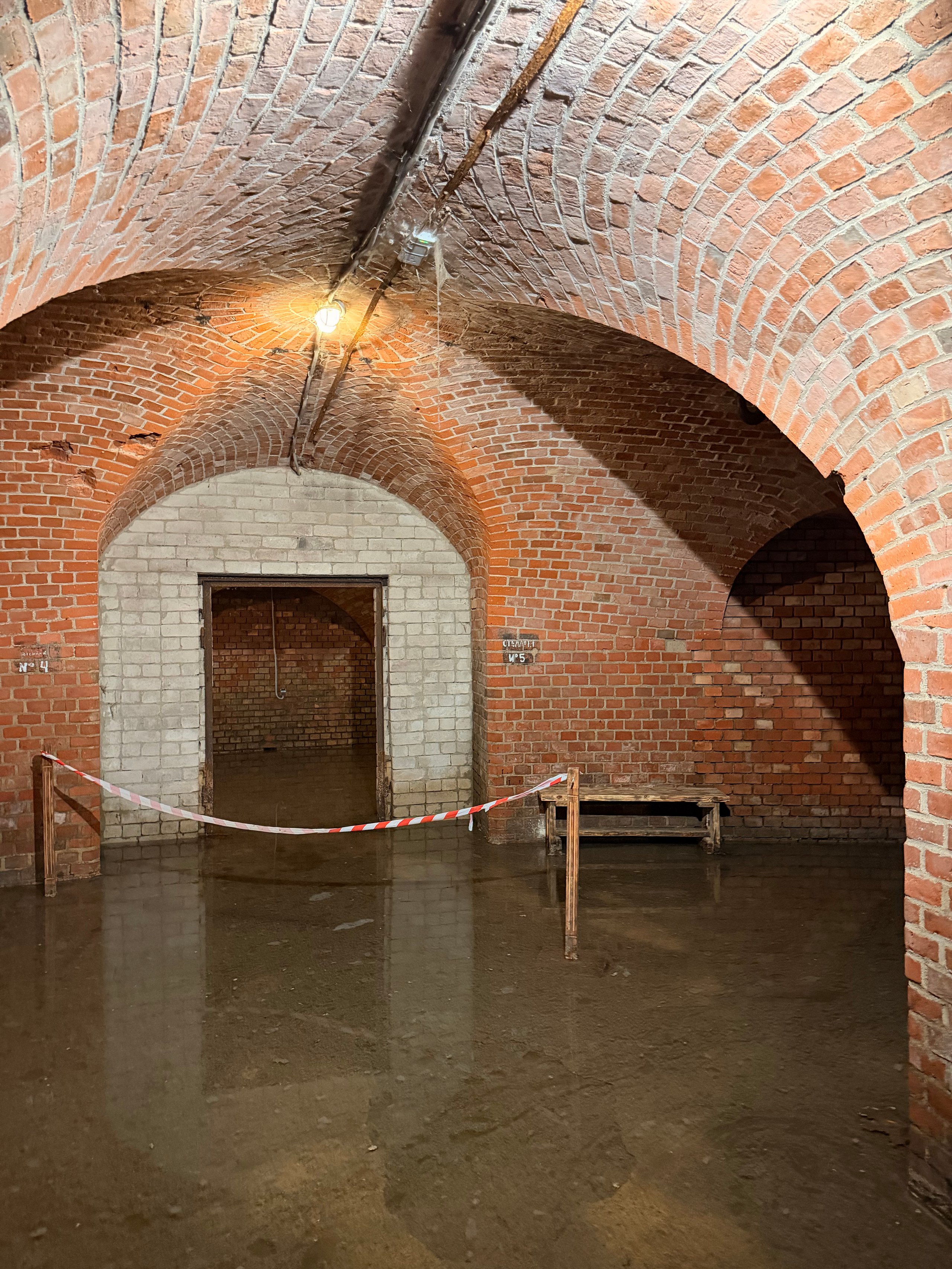
As at Stein, some of the rooms here are flooded.
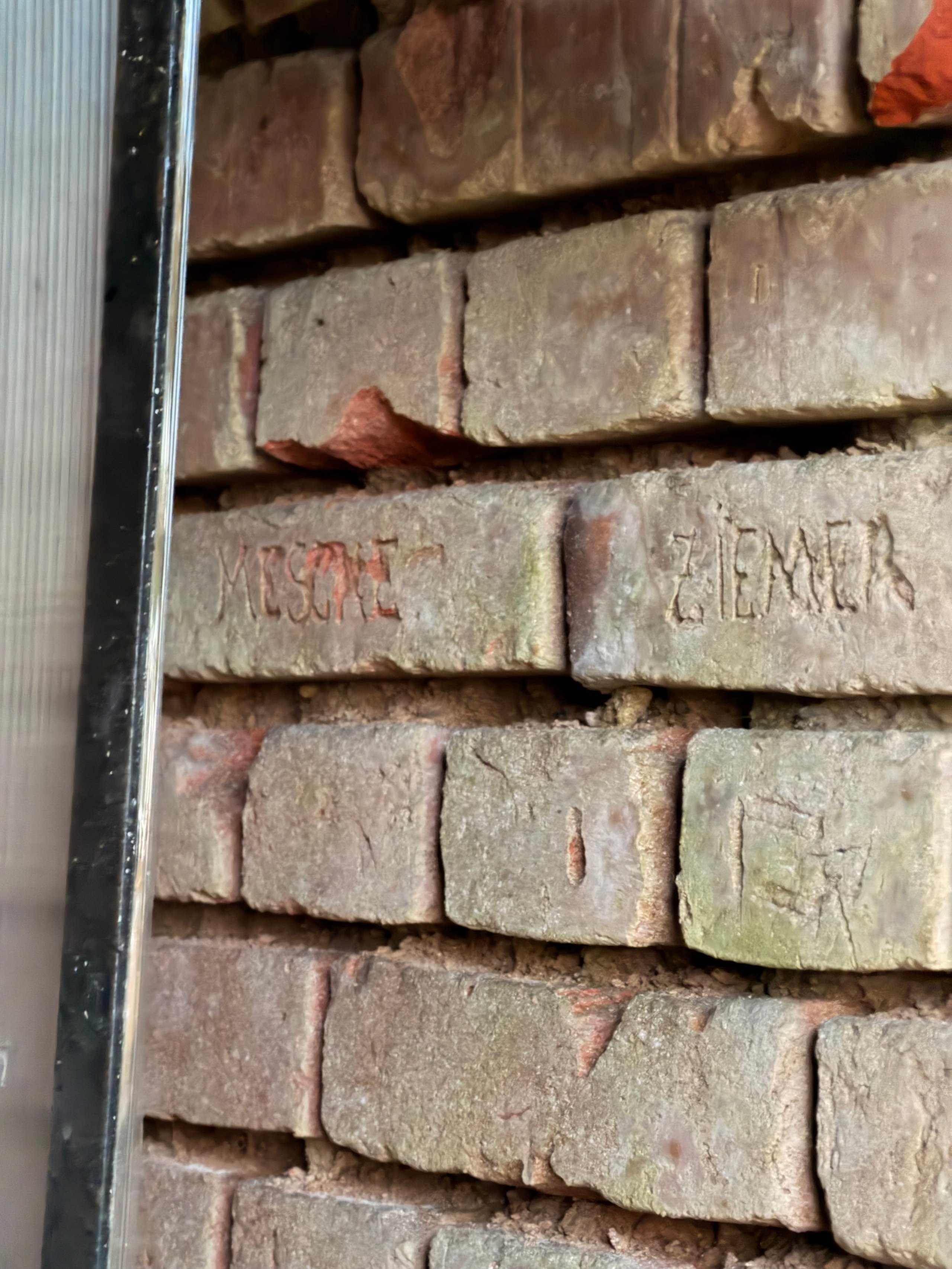
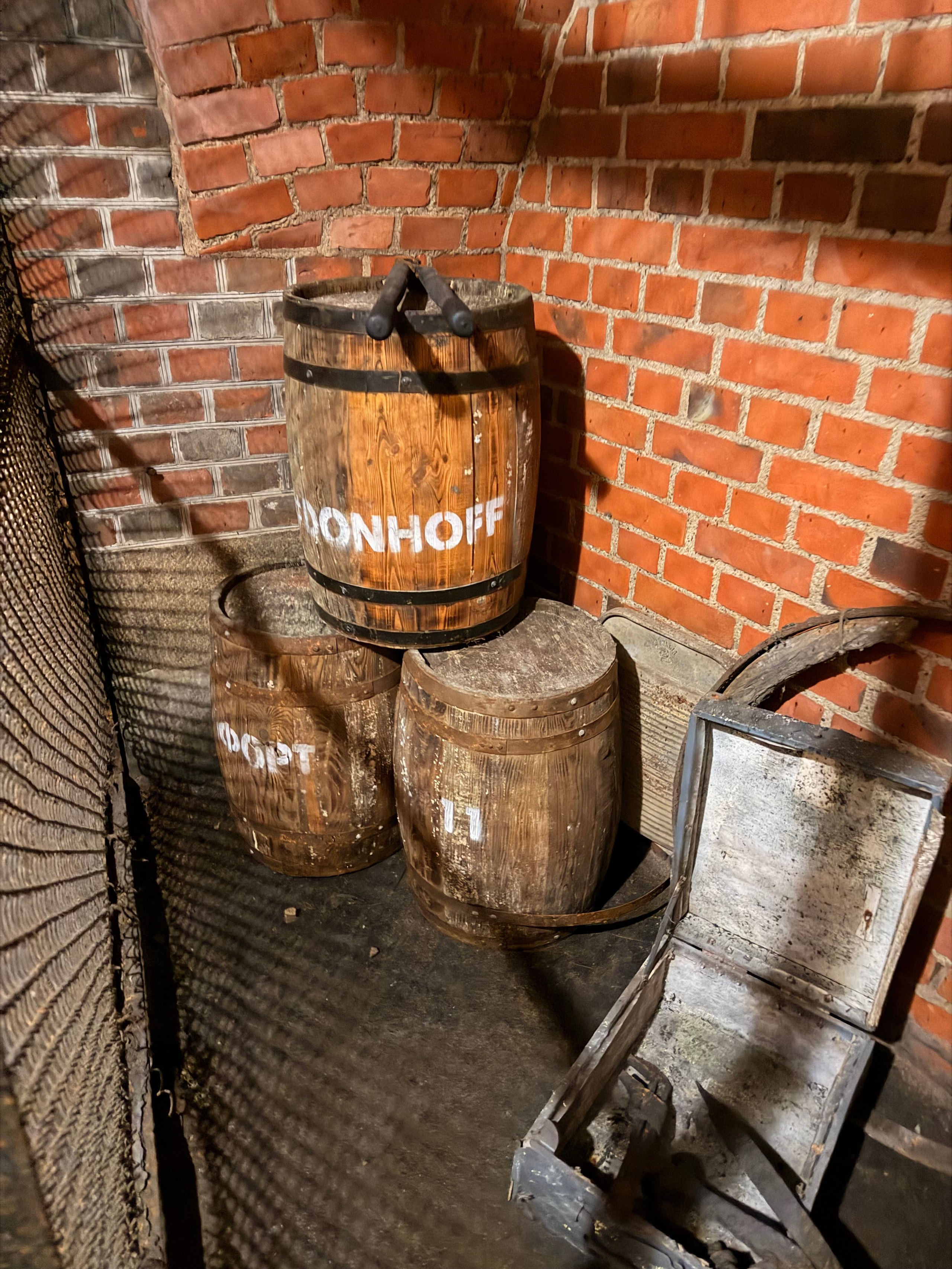
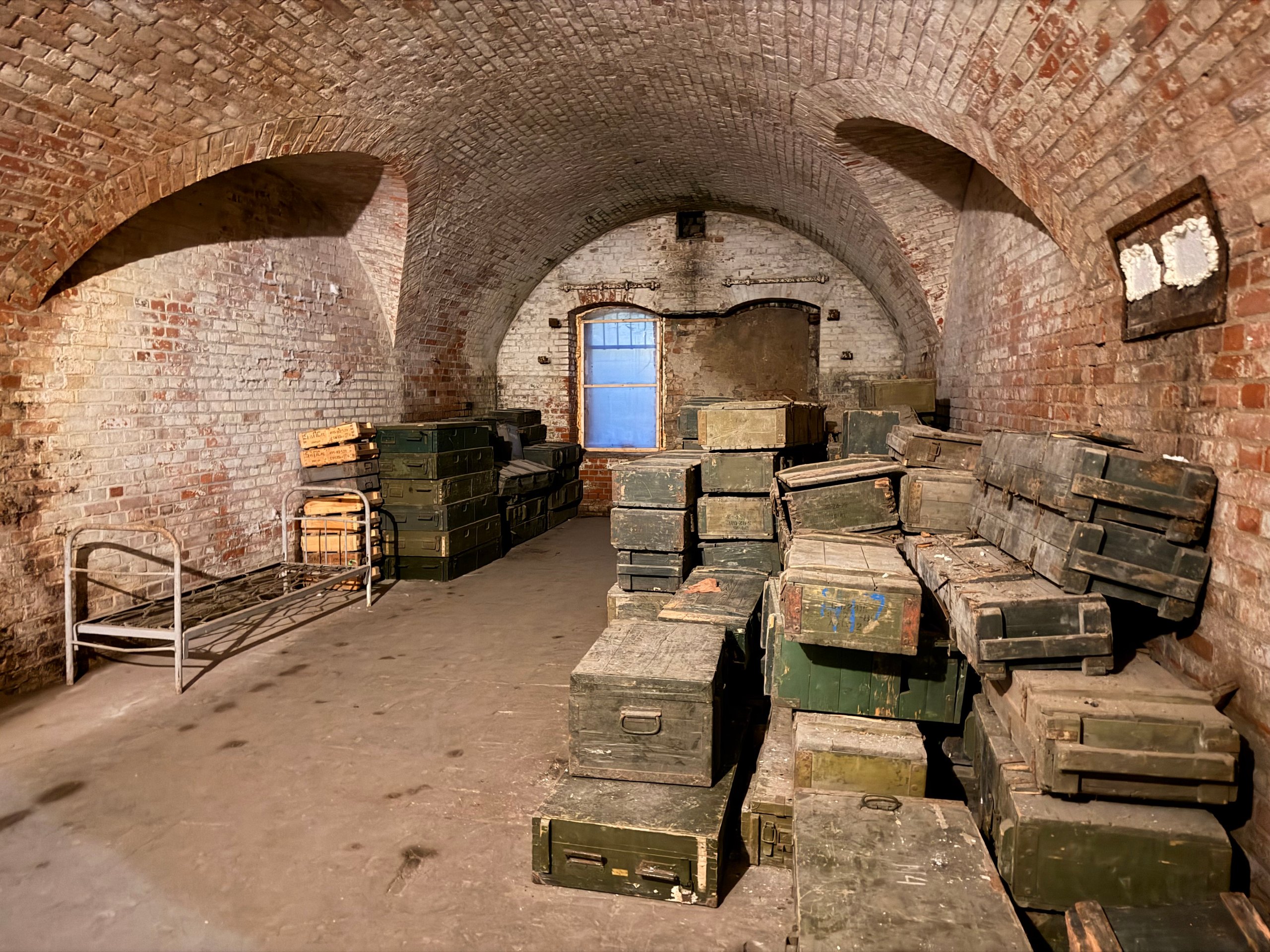
And finally, a few evening photos.
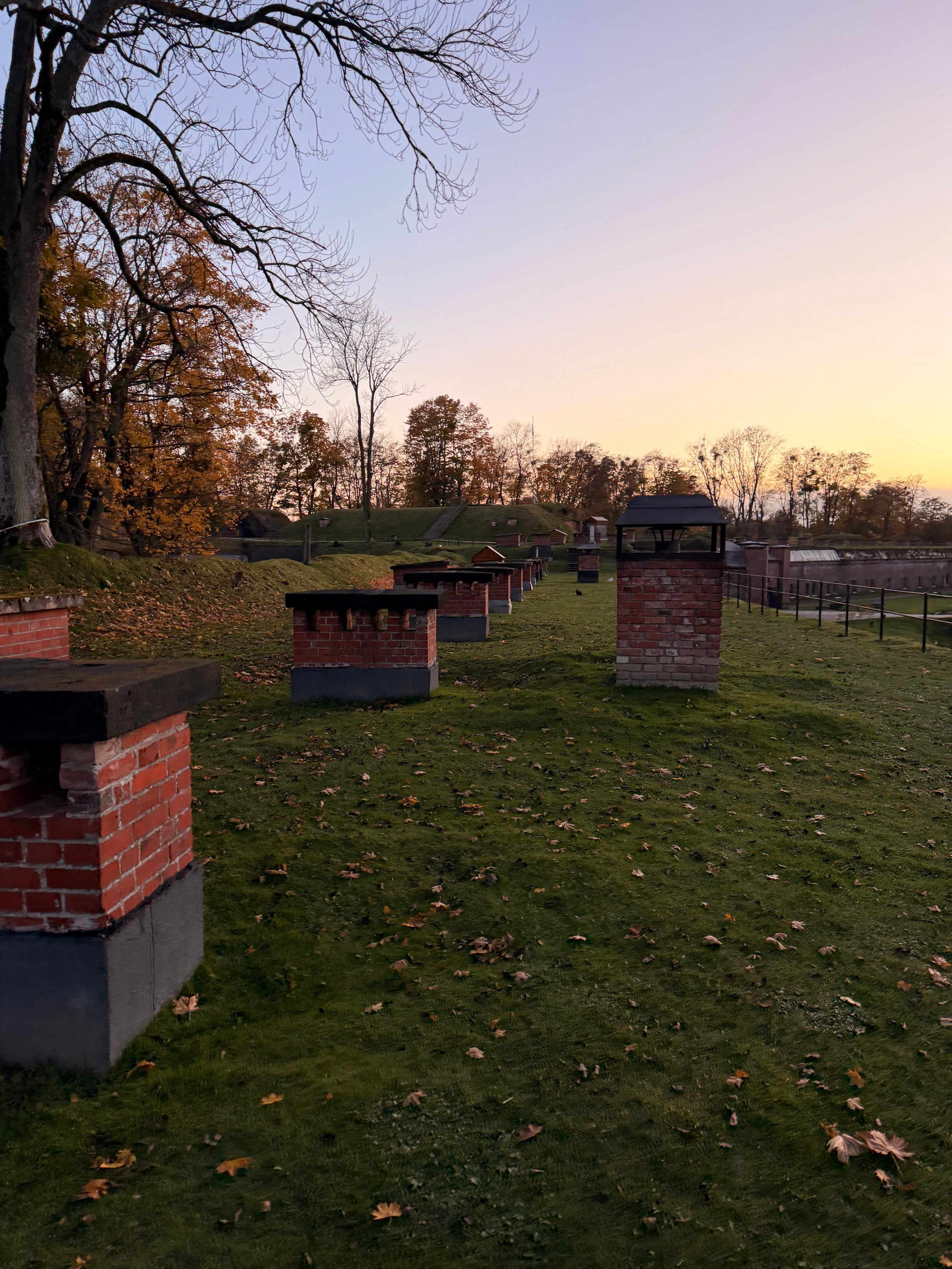
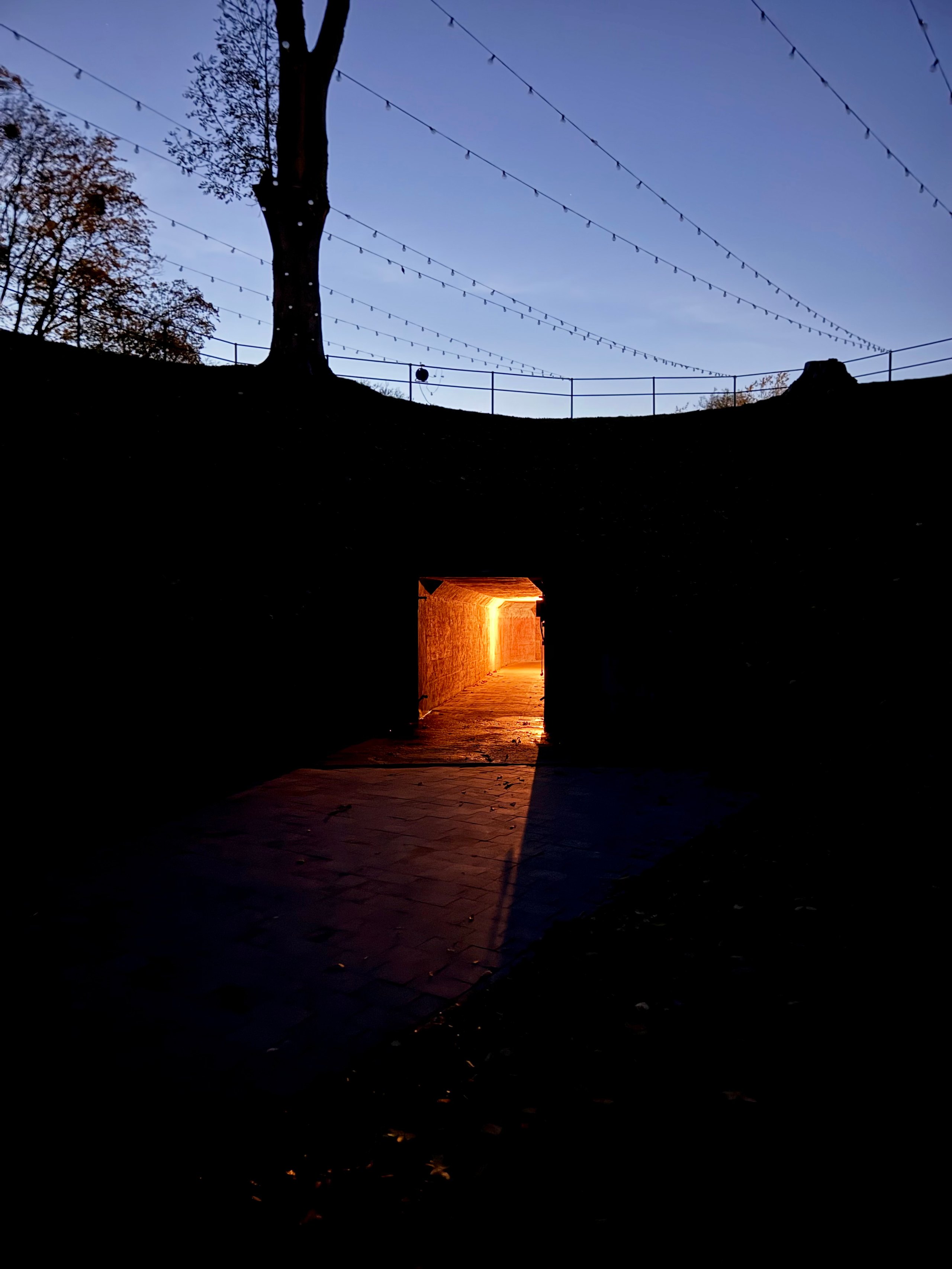
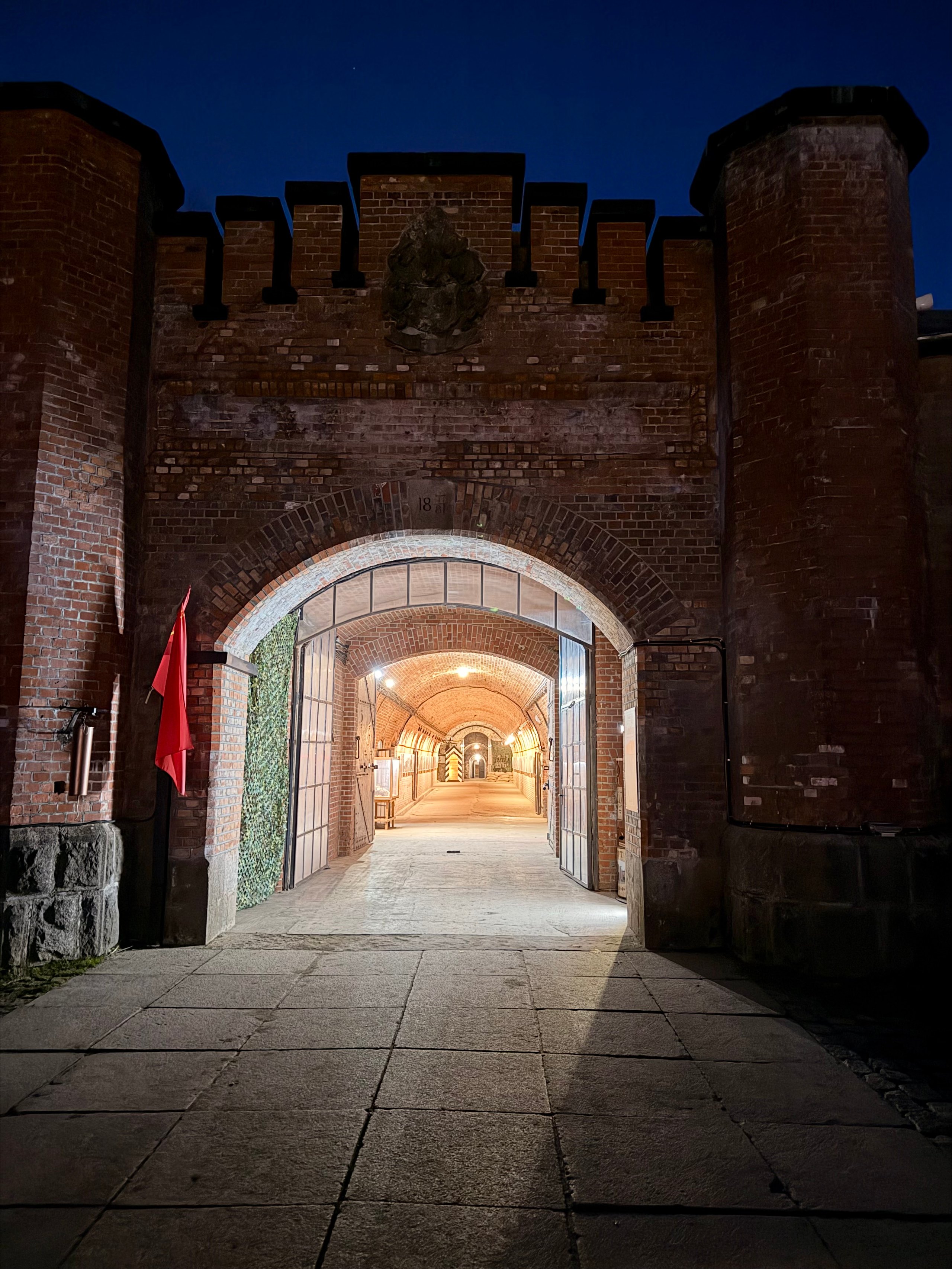
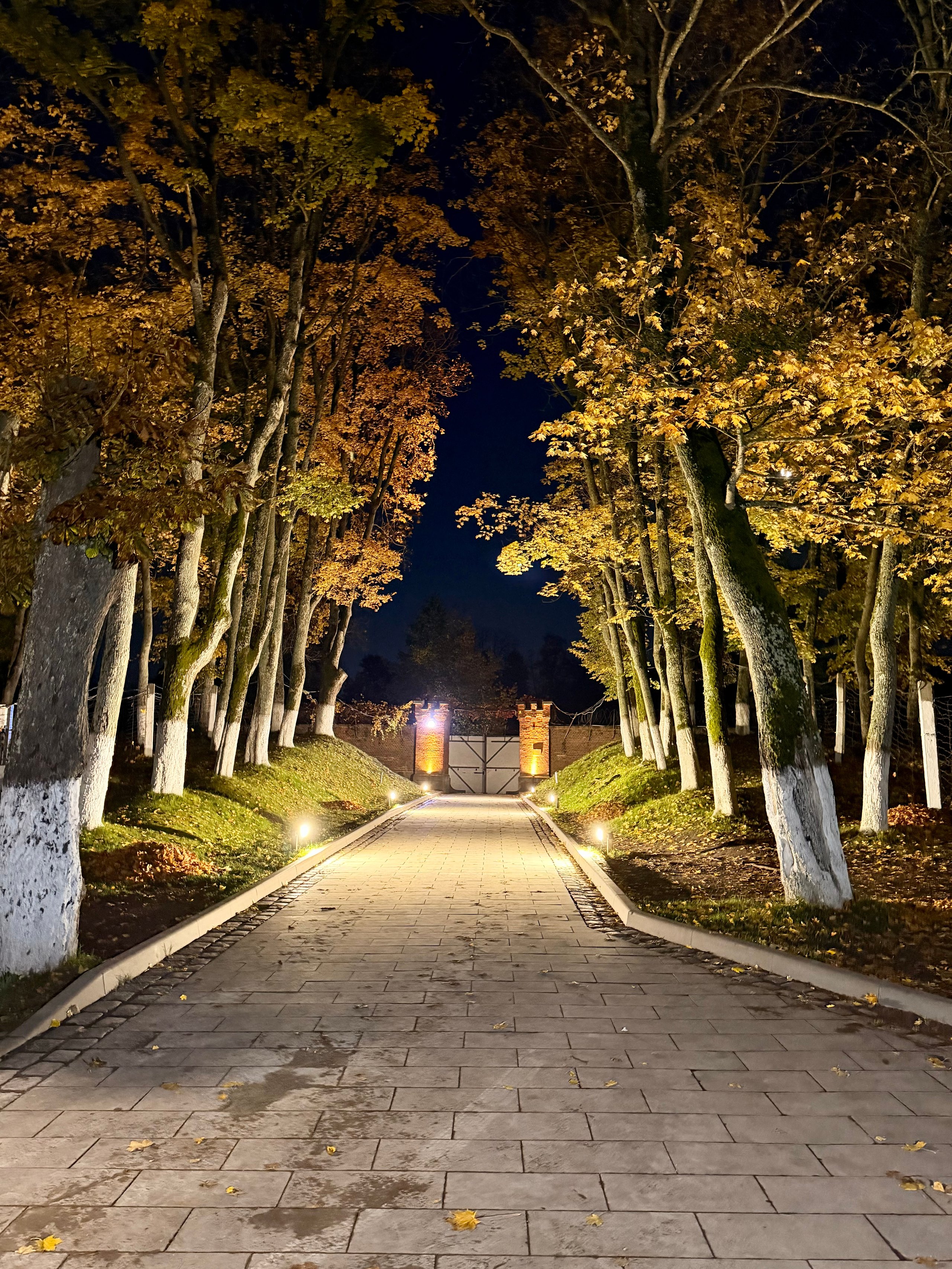
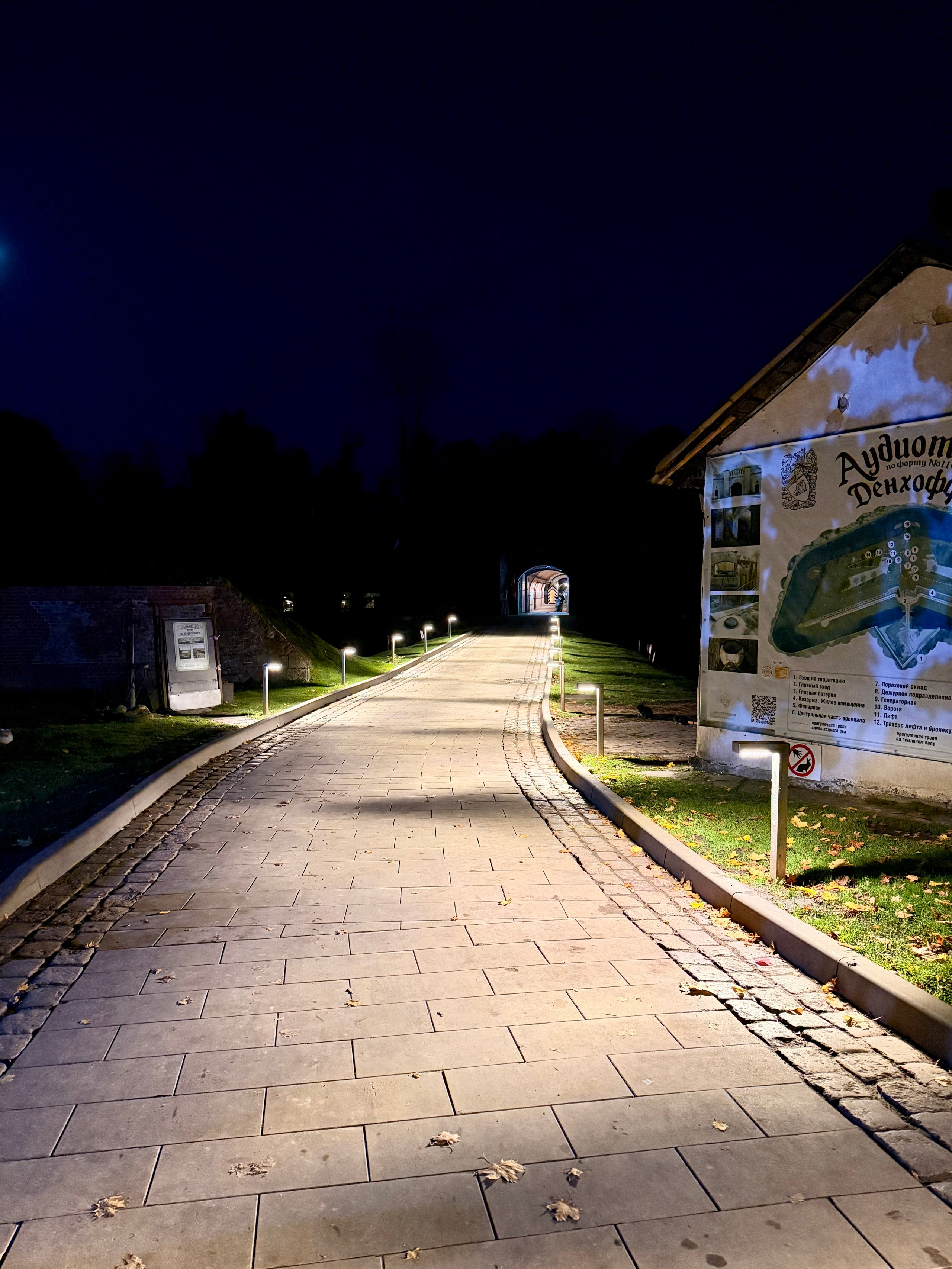
My daytime tour lasted less than an hour, and some rooms were off limits. On the other hand, it’s easier to explore the outdoor areas during the day. And taking photos is easier in daylight too.
The fort has been a museum since 2015. There’s plenty of commercial activity on the grounds too: a shooting range, a coffee shop, a café and a merch shop. I arrived late, though, so almost everything was already closed.